












The DJI Mavic 4 Pro doesn’t position itself as a minor upgrade—it represents a decisive leap into professional-grade aerial imaging. With a triple-camera system, a 100MP Hasselblad sensor, and a feature set that increasingly mirrors cinema production tools, DJI is clearly targeting creators who demand both flexibility and uncompromising image quality.
That ambition, however, comes at a cost. Early user feedback highlights a price point that places the Mavic 4 Pro firmly in the professional tier. This is not a drone built for casual experimentation—it is a tool designed to justify itself through output, efficiency, and creative control. The central question is whether its capabilities meaningfully expand what is possible in real-world workflows, or simply refine an already dominant formula.
A Triple-Camera System That Redefines Versatility
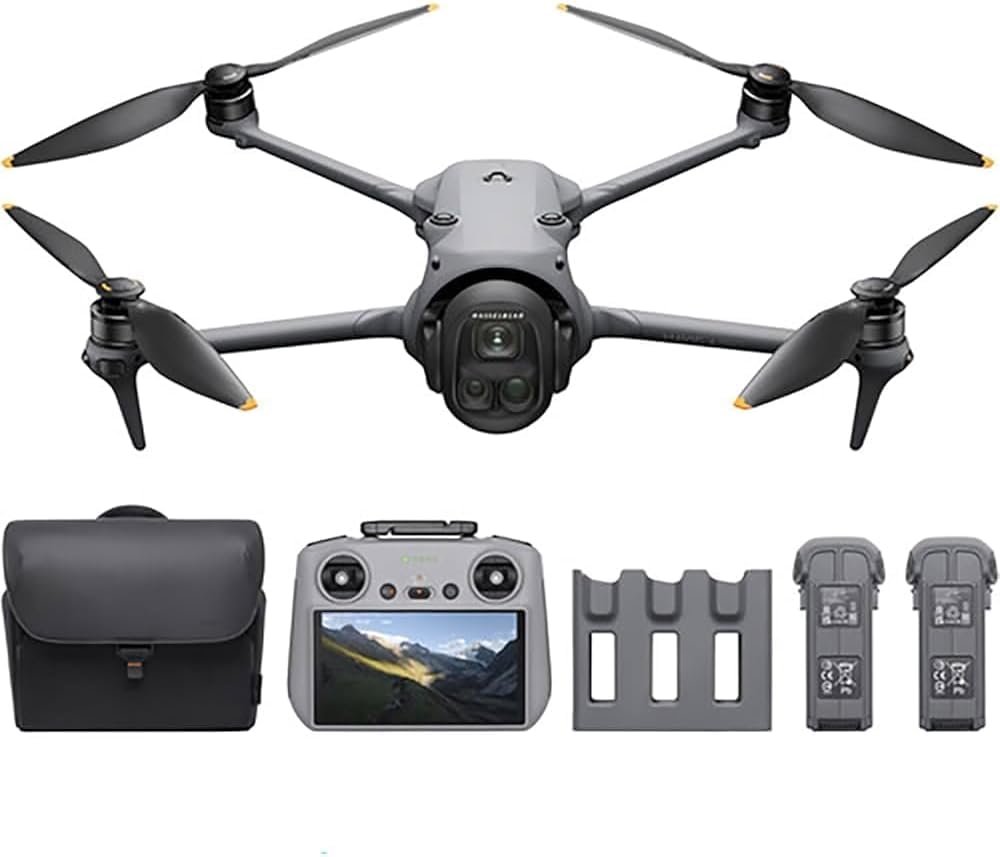
At the core of the Mavic 4 Pro is its triple-lens architecture—a design choice that fundamentally changes how aerial shooting is approached. Instead of treating zoom as a compromise, DJI offers three distinct perspectives: a wide Hasselblad camera, a medium telephoto, and a long telephoto lens. This is not merely about convenience; it is about enabling different visual languages within a single flight.
The 100MP 4/3 CMOS Hasselblad sensor delivers exceptional detail and dynamic range, particularly in high-contrast environments. In practice, this translates into more recoverable highlights during sunrise shoots and greater shadow flexibility in post-production. Hasselblad’s color science continues to stand out, producing natural tones that require minimal correction.
The dual telephoto system introduces creative flexibility rarely found in drones. Compression, subject isolation, and distance-safe shooting become far more practical. Whether capturing wildlife or urban structures, the ability to shift focal lengths mid-flight transforms the drone into a more intentional storytelling tool rather than a single-purpose capture device.
Video Capabilities That Push Toward Cinema Territory
4
Video performance is where the Mavic 4 Pro makes its strongest case. With support for 6K/60fps HDR recording, 10-bit D-Log, and All-I 4:2:2 encoding, the drone moves decisively into professional production territory. These are not incremental upgrades—they directly affect how footage behaves in editing environments.
All-I encoding, in particular, significantly reduces compression artifacts and improves frame-by-frame editing precision. For professionals working in tools like DaVinci Resolve or Adobe Premiere Pro, this results in smoother timelines and more reliable grading workflows.
Equally important is color and exposure consistency across all three lenses. Switching perspectives does not introduce disruptive visual shifts, which is essential for maintaining continuity in edited sequences. This level of consistency reflects a system designed for production rather than casual use.
Flight Intelligence and Low-Light Autonomy

Beyond imaging, the Mavic 4 Pro introduces meaningful advancements in flight intelligence, particularly in low-light environments. The integration of forward-facing LiDAR and 0.1-lux night vision significantly enhances operational confidence after sunset.
In real-world conditions, this reduces dependency on ideal lighting. Capturing dusk cityscapes or navigating complex environments becomes less risky, as the drone maintains spatial awareness even when traditional vision systems struggle. This makes it a more reliable tool for professional scenarios where lighting cannot be controlled.
ActiveTrack 360° further strengthens usability. Subject tracking is no longer constrained by angle or partial obstruction, and performance remains consistent even under challenging conditions. This allows for more dynamic shots without constant manual intervention.
Design Innovations That Expand Creative Control


The introduction of the Infinity Gimbal is one of the most significant design changes in this generation. With full 360° rotation, it enables camera movements that previously required complex piloting techniques. This is not a novelty feature—it expands the range of possible shot compositions in a meaningful way.
The 70° upward shooting capability adds another layer of creative flexibility. Capturing tall structures, cliffs, or architectural elements from below introduces perspectives that traditional drones struggle to achieve. It shifts aerial imaging from purely top-down compositions toward more immersive framing.
These innovations reflect a broader evolution in DJI’s approach: moving from stability-focused engineering toward tools that actively support creative expression.
Endurance, Transmission, and Workflow Efficiency

With a maximum flight time of up to 51 minutes, the Mavic 4 Pro offers one of the longest endurance figures in its class. In practical use, this reduces interruptions and allows for more deliberate shot planning, especially during time-sensitive shooting windows.
The DJI O4+ transmission system, capable of reaching up to 30km in optimal conditions, prioritizes stability and low latency. While few users will operate at maximum range, the real benefit lies in maintaining a consistent and reliable connection.
Workflow efficiency is another area of improvement. The built-in 512GB SSD removes immediate storage concerns, while Wi-Fi 6 QuickTransfer enables fast file transfers without requiring cables. Combined with features like automatic power-on and parallel battery charging, the system reduces friction throughout the production process.
Specifications
| Category | Details |
|---|---|
| Camera System | Triple camera (Wide + Dual Telephoto) |
| Main Sensor | 100MP 4/3 CMOS Hasselblad |
| Video | 6K/60fps HDR, 10-bit D-Log |
| Encoding | All-I 4:2:2 |
| Gimbal | 360° Infinity Gimbal |
| Upward Tilt | 70° |
| Obstacle Avoidance | Omnidirectional + LiDAR |
| Low-Light Capability | 0.1 Lux |
| Flight Time | Up to 51 minutes |
| Transmission | DJI O4+ (up to 30km) |
| Storage | Built-in 512GB SSD |
| Transfer | Wi-Fi 6 (80MB/s) |
| Controller | DJI RC Pro 2 (7” Mini-LED) |
| Charging | 240W fast charging + parallel hub |
Pros & Cons
| Pros | Cons |
|---|---|
| Exceptional triple-camera system — Offers unmatched flexibility from wide cinematic shots to compressed telephoto perspectives, enabling more sophisticated visual storytelling. | Extremely high price point — Positioned firmly for professionals, making it difficult to justify for casual users. |
| 100MP Hasselblad sensor with strong dynamic range — Excellent highlight retention and natural color rendering, especially in complex lighting conditions. | Overkill for casual users — Many advanced features will remain underutilized outside of professional workflows. |
| Professional-grade video (6K, 10-bit, All-I 4:2:2) — Designed for serious post-production with minimal compromise in quality. | Large file sizes and storage demands — High-bitrate formats require robust storage and editing systems. |
| LiDAR + low-light obstacle sensing — Significantly improves safety and reliability when shooting in low-light environments. | Battery and accessory costs add up — Additional investment is required for a complete working setup. |
| Innovative 360° gimbal & upward shooting — Expands creative possibilities beyond traditional aerial perspectives. | Less portable than smaller drones — Not as convenient for travel compared to ultra-compact models. |
| 51-minute flight time & efficient workflow — Reduces downtime and improves overall shooting efficiency. | Regulatory limitations in some regions — Size and capabilities may restrict usage depending on local laws. |
Conclusion
The DJI Mavic 4 Pro represents a clear shift in what a compact drone can be. It is no longer just a tool for capturing aerial footage—it is a platform for cinematic production, built around flexibility, reliability, and creative control.
For professionals and serious creators, the Mavic 4 Pro justifies its position with tangible improvements in both image quality and workflow efficiency. For casual users, however, its capabilities may exceed practical needs. Regardless of where it fits, it sets a new benchmark—one that will likely define the next generation of aerial imaging tools.
The Review
DJI Mavic 4
The Mavic 4 Pro Drone was as stated in new condition in a sealed box. Quick shipping as well. I would buy from this seller again for future purchases