


























The global space industry is entering a new era of rapid innovation. Governments and private aerospace companies are accelerating the development of next-generation rockets, advanced satellite networks, and orbital technologies that could reshape telecommunications, Earth observation, and even global security.
Over the past decade, space exploration has evolved from a government-dominated sector into a rapidly expanding commercial industry. Private companies are now competing to build reusable launch systems, deploy massive satellite constellations, and develop technologies capable of supporting long-term operations in orbit.
This growing competition is often described as a “new space race,” one that is driven not only by national ambitions but also by technological breakthroughs and commercial opportunities.
Reusable Rockets Are Changing the Economics of Space Launch

One of the most significant technological shifts in the space industry has been the development of reusable rockets. Traditionally, rockets were designed for a single mission. After launching payloads into orbit, the booster stages would fall back into the ocean or burn up in the atmosphere.
Reusable launch systems are changing that model.
Modern rockets can now land vertically after delivering payloads to orbit, allowing their boosters to be refurbished and used again for future missions. This dramatically reduces the cost of launching satellites and other spacecraft.
Lower launch costs have made space far more accessible, enabling new startups and research organizations to deploy satellites and conduct experiments in orbit.
Experts believe reusable rocket technology could reduce launch costs by more than 50 percent over time, significantly expanding the commercial space market.
Satellite Constellations Are Expanding Global Connectivity

Another major trend in space technology is the rapid expansion of satellite constellations in low Earth orbit.
Instead of relying on a few large satellites positioned far above the planet, companies are launching thousands of smaller satellites that work together as interconnected networks.
These constellations are designed to provide:
- Global broadband internet access
- High-resolution Earth observation
- Climate monitoring and environmental data
- Improved navigation systems
- Secure communication networks
Low-Earth-orbit satellite systems can provide significantly lower latency compared to traditional satellites, making them suitable for applications such as real-time communication and remote connectivity.
For rural and underserved regions, satellite internet networks could become an essential infrastructure technology in the coming decade.
Military Space Technology Is Becoming a Strategic Priority
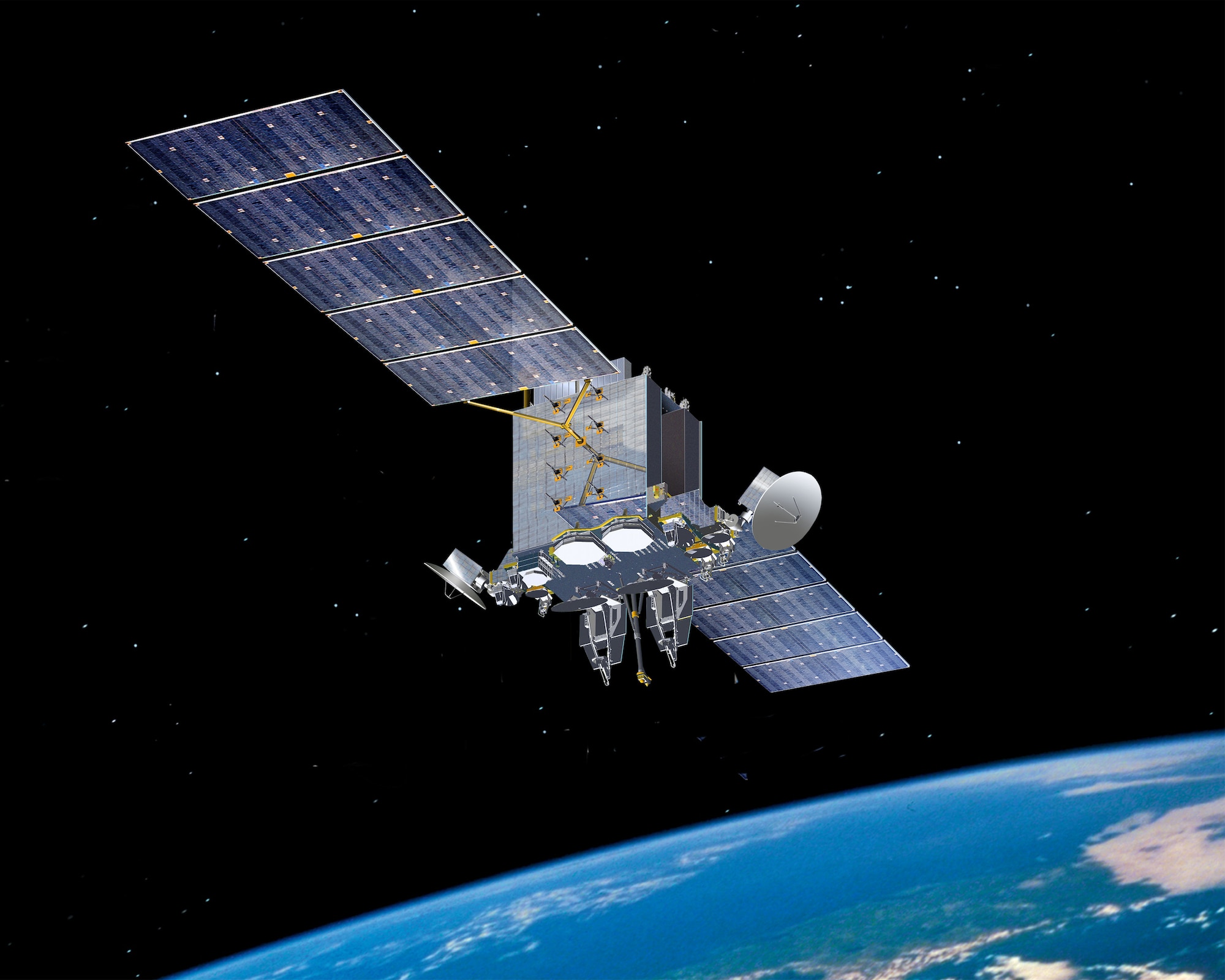
As the importance of space technology continues to grow, military and defense organizations around the world are investing heavily in orbital capabilities.
Modern military satellites perform a wide range of critical functions, including:
- Missile detection and early warning systems
- Secure global communications
- Intelligence and surveillance operations
- Navigation and targeting support
Space-based infrastructure has become essential for modern defense systems. As a result, protecting satellites and maintaining reliable access to space has become a strategic priority for many countries.
This has led to increased investment in technologies designed to monitor objects in orbit, detect potential threats, and ensure the resilience of satellite networks.
The Future of Space Technology
The rapid pace of innovation suggests that the space industry is only at the beginning of its next major growth phase.
Several emerging technologies are expected to shape the future of space operations, including:
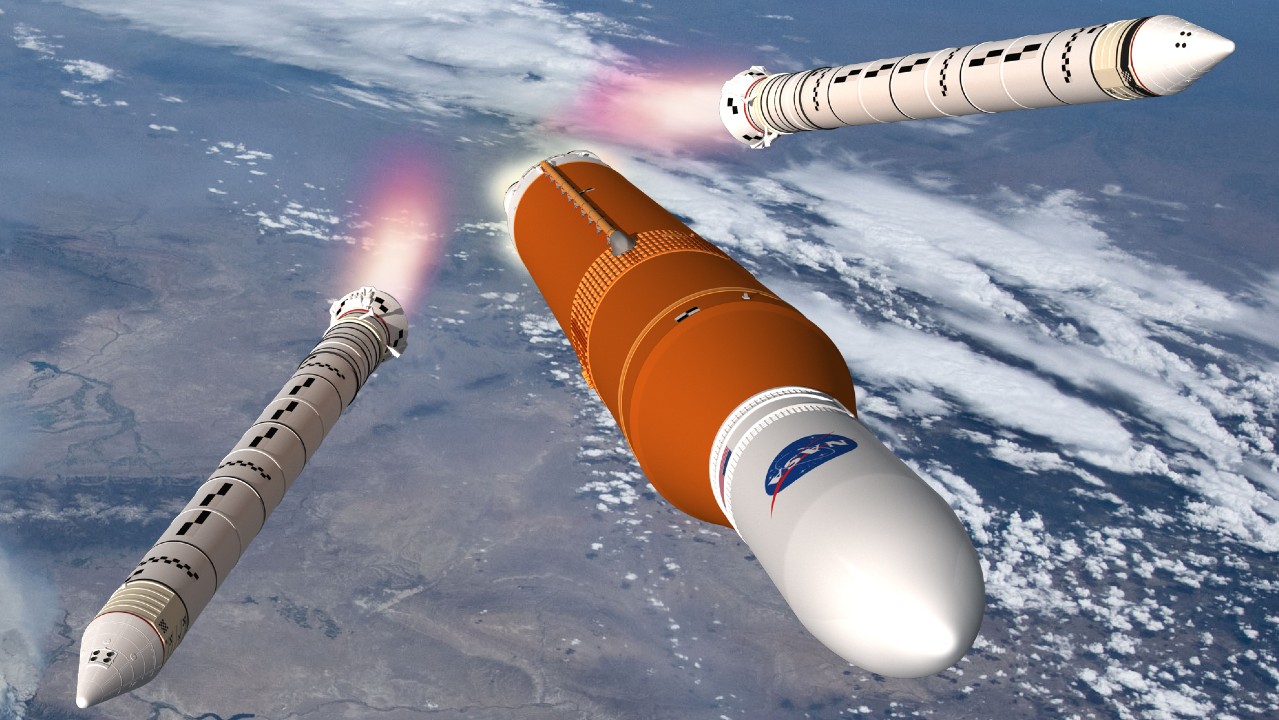
- Heavy-lift rockets capable of transporting larger payloads
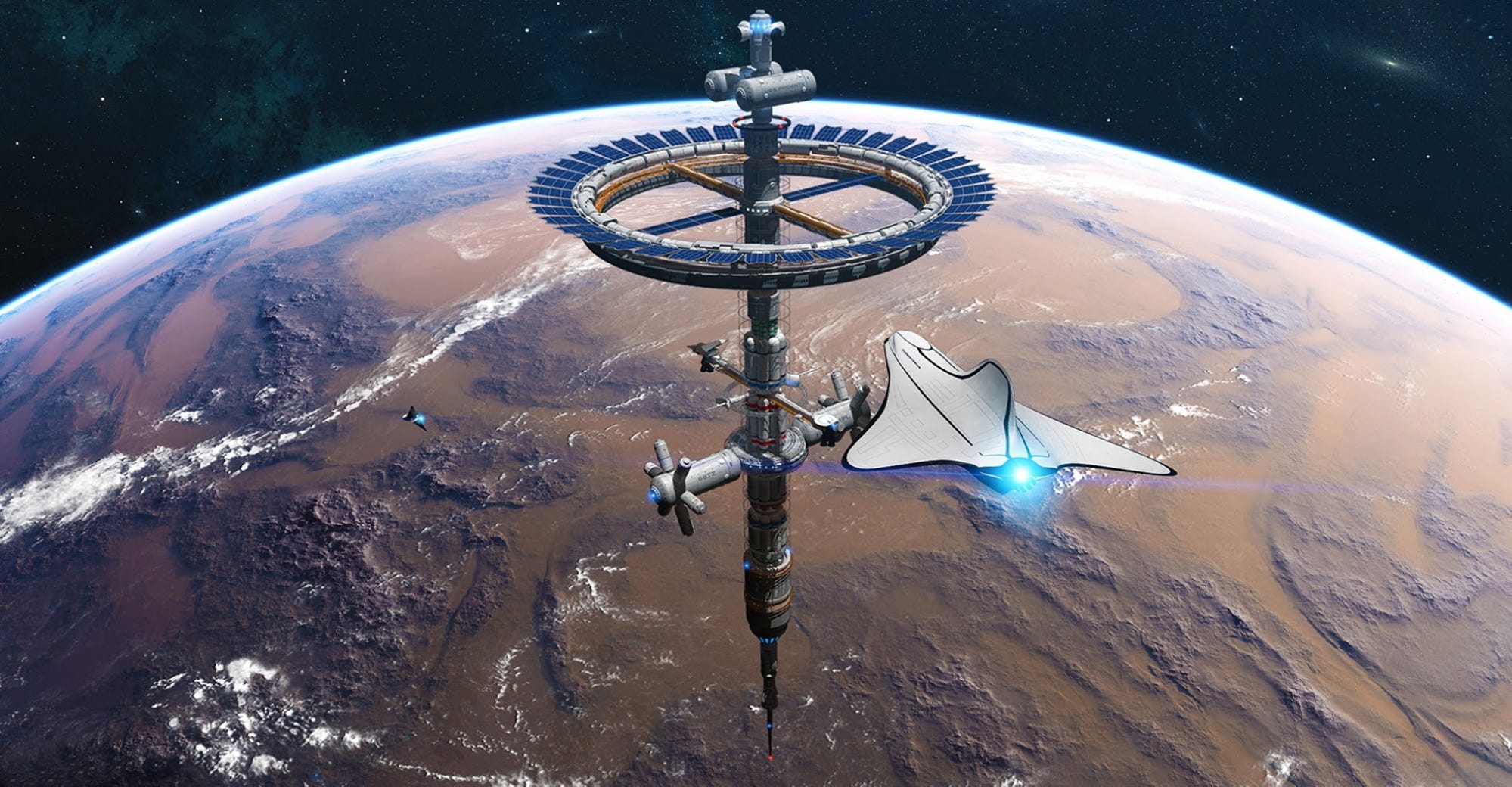
- Autonomous spacecraft servicing satellites in orbit
- Space-based manufacturing facilities
- Advanced propulsion systems for deep-space missions
At the same time, governments and private companies are increasingly collaborating to expand the infrastructure needed to support a growing number of satellites and spacecraft.
As launch costs continue to fall and technological capabilities expand, the coming decades could see space become a far more active and economically important domain.
For the global technology sector, the new space race represents not only a scientific milestone but also a rapidly growing frontier for innovation, investment, and international competition.