






















Market Reaction Following Nvidia’s Announcement
Shares of Samsung Electronics climbed sharply after comments from Jensen Huang, chief executive of Nvidia, revealed that Samsung is manufacturing key components for Nvidia’s next generation of inference processors.
During Nvidia’s annual GTC developer conference in California, Huang confirmed that a new AI inference chip developed using technology from semiconductor startup Groq is currently being produced by Samsung.
The statement immediately lifted investor sentiment toward the South Korean chipmaker. Samsung’s stock rose as much as 5% in early trading, before settling around 3.9% higher at 196,000 won, outperforming the broader Korean market index.
The announcement reinforced Samsung’s position as one of the few semiconductor manufacturers capable of producing advanced chips for the rapidly expanding data center and high-performance computing markets.
Samsung’s Role in Nvidia’s Next-Generation Chips
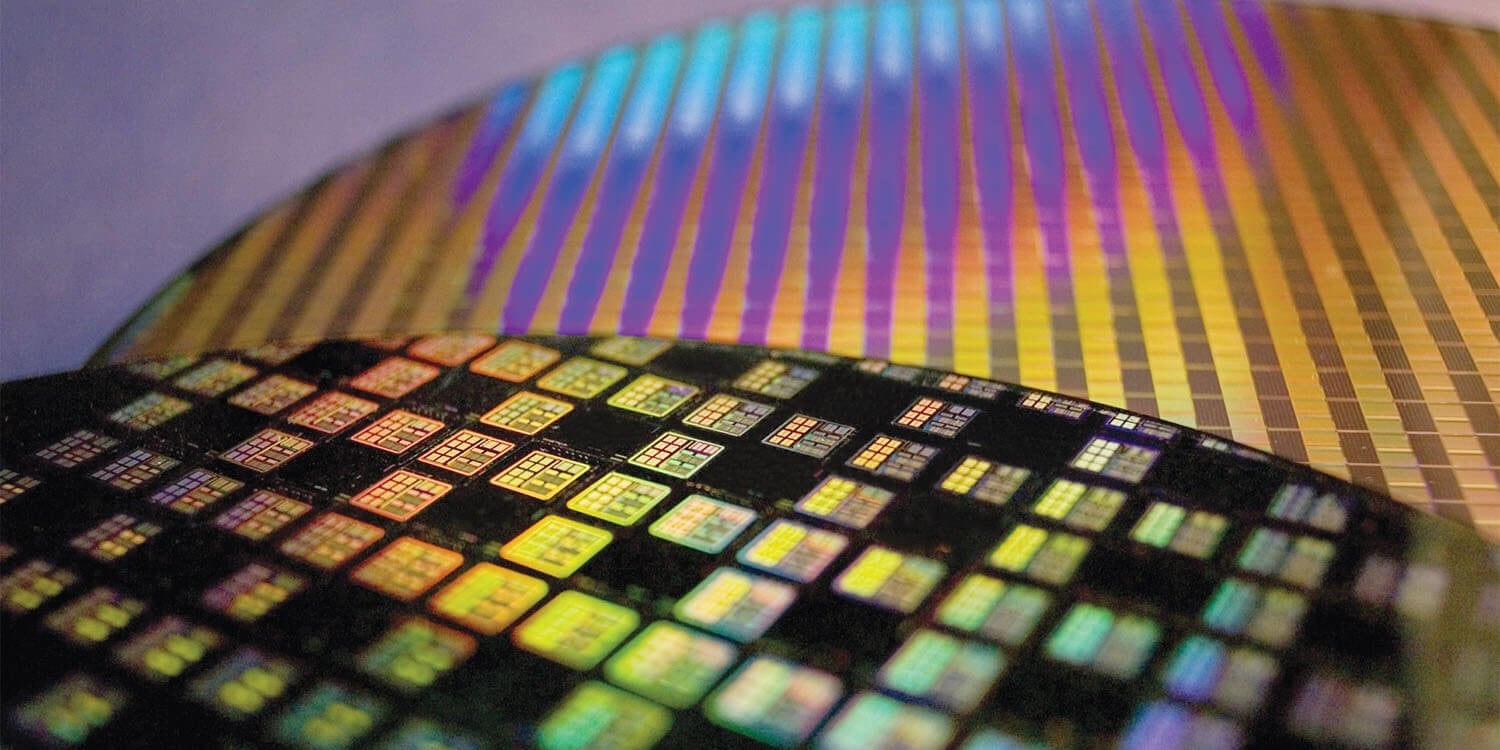
According to Huang, Samsung is manufacturing the Groq LP30 chip, a processor designed to support real-time inference computing workloads.
Inference computing refers to the stage where trained models generate responses or perform tasks for users. As AI services scale to millions of users, this type of computing has become one of the fastest-growing segments of the data-center hardware market.
Samsung showcased Nvidia’s new chips produced using its 4-nanometer semiconductor manufacturing process, highlighting the company’s advanced fabrication capabilities.
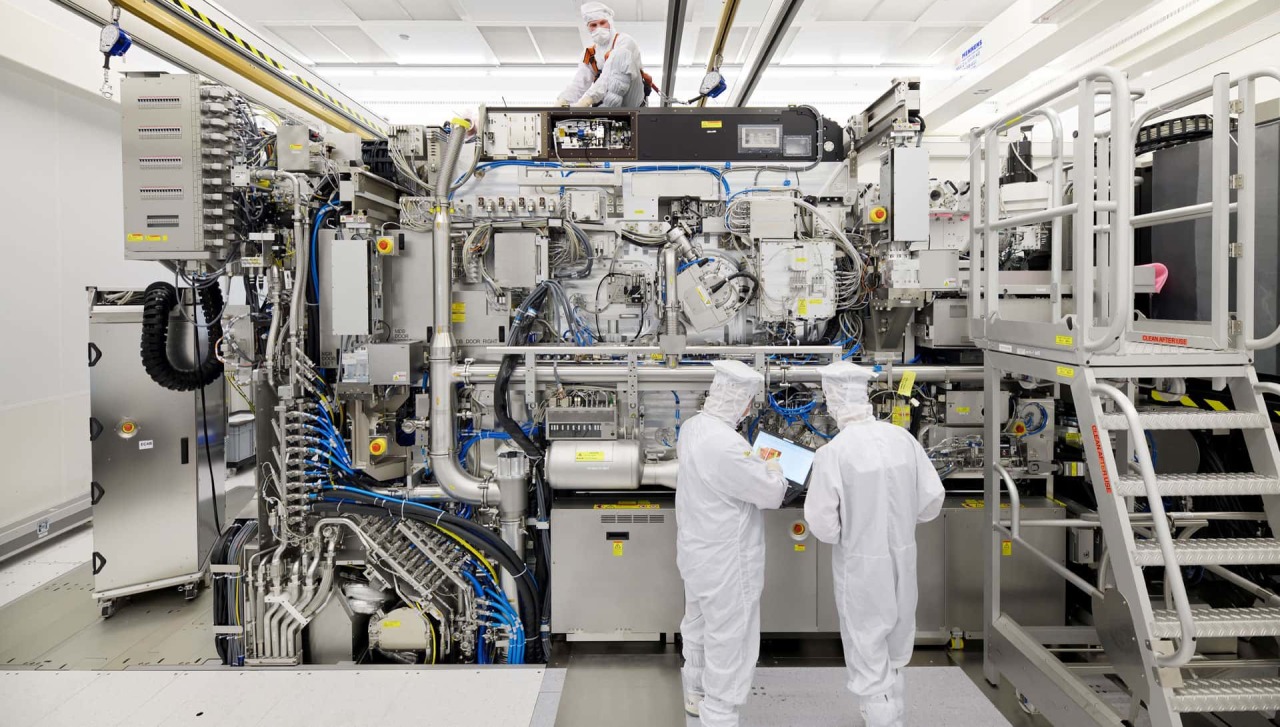
The collaboration illustrates how Nvidia relies on external foundry partners to manufacture its designs, while Samsung continues to compete with other major semiconductor manufacturers for high-performance chip production contracts.
The Expanding Market for AI Infrastructure

The partnership between Nvidia and Samsung also reflects a broader shift underway across the semiconductor industry.
Over the past several years, technology companies have invested heavily in computing infrastructure designed to support advanced machine-learning models. As these systems transition from research environments to real-world applications, demand for specialized processors capable of handling real-time workloads is accelerating.
For chip manufacturers, this transition represents a major commercial opportunity. Data centers powering large-scale digital services increasingly require processors optimized for performance, efficiency, and rapid response times.
Manufacturers capable of producing advanced chips at scale are therefore positioned to play a critical role in the global technology supply chain.
Strategic Importance for Samsung’s Semiconductor Business


For Samsung, the collaboration with Nvidia arrives at a strategically important moment.
The company has been working to strengthen its position in the global semiconductor foundry market, where competition has intensified as technology firms race to secure reliable chip manufacturing partners.
Producing processors for high-performance computing platforms not only generates revenue but also signals confidence in Samsung’s manufacturing technology.
Securing production contracts from major chip designers helps reinforce the company’s role in the global semiconductor ecosystem, particularly as demand for advanced chips continues to expand across data centers, enterprise infrastructure, and cloud computing platforms.
Outlook for the Semiconductor Industry

The reaction in Samsung’s share price highlights how closely financial markets are tracking developments in the semiconductor sector.
As computing workloads grow more complex and digital services expand globally, demand for advanced chips is expected to remain strong. Partnerships between chip designers and manufacturing specialists will likely play a decisive role in determining which companies dominate the next phase of the technology industry.
For Samsung, participation in high-performance computing infrastructure projects could help reinforce its position as one of the world’s most important semiconductor manufacturers.
Meanwhile, Nvidia’s continued expansion into new computing architectures signals that the race to build the next generation of data-center hardware is only beginning.