
















Introduction: Robotics Moves Into the Home
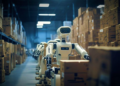
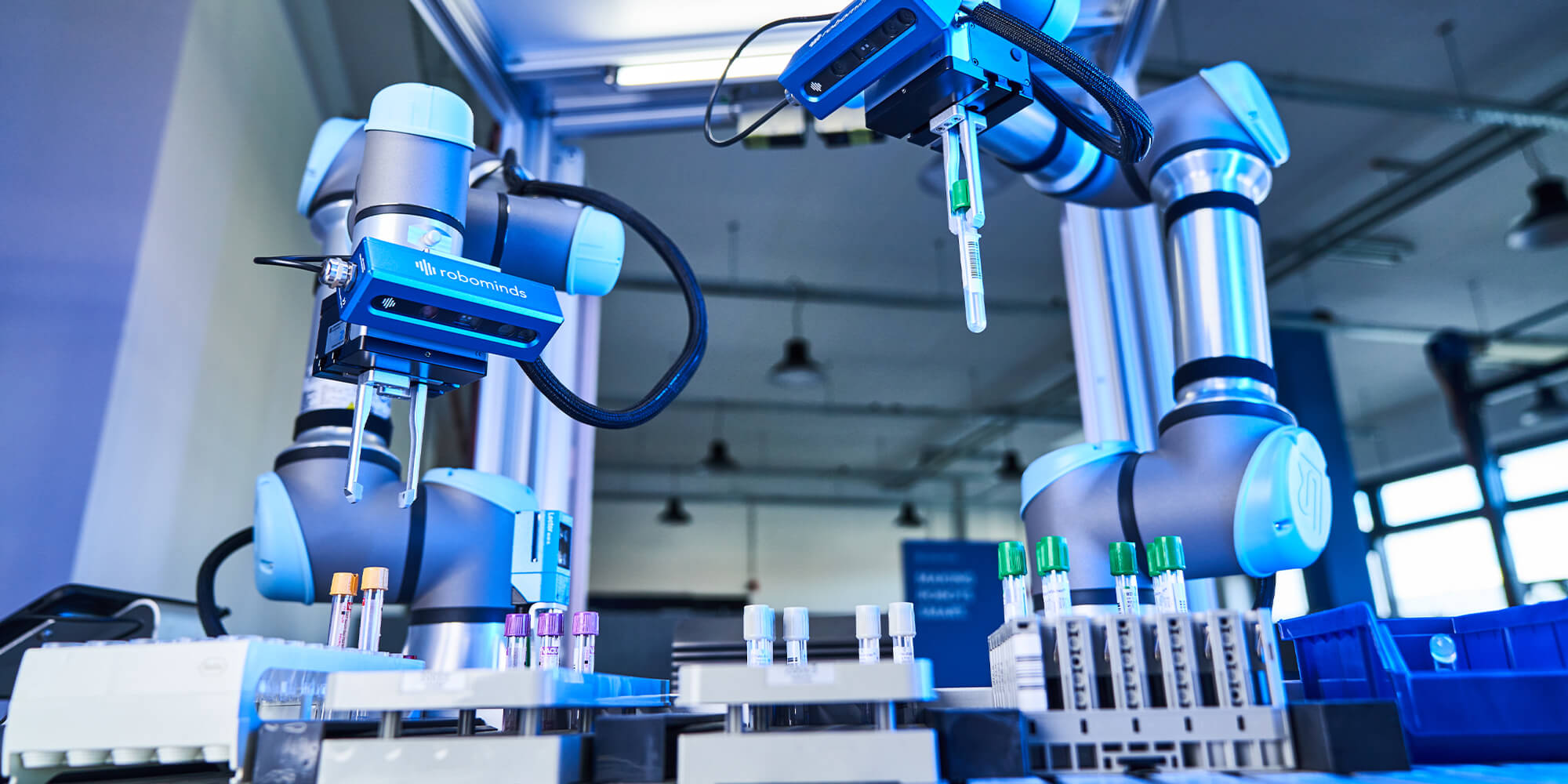
For much of the past century, robots were largely confined to industrial environments. Manufacturing plants, automotive assembly lines, and logistics warehouses relied heavily on robotic systems capable of performing repetitive tasks with speed and precision. These machines were powerful but highly specialized, operating within controlled environments designed specifically for automation.
Today, the robotics industry is entering a new phase. Advances in sensors, computing power, machine learning, and battery technology are enabling robots to function in far more complex environments. Instead of operating exclusively in factories, robots are increasingly being designed to work alongside humans in homes, offices, hospitals, and public spaces.
This emerging category—often referred to as personal robotics—represents one of the most significant technological developments of the next decade. Personal robots are designed not just to perform isolated mechanical tasks but to interact with people, interpret their surroundings, and assist with everyday activities.
As robotics technology continues to mature, these machines may become as common in households as smartphones and computers.
The Technologies Behind Modern Personal Robots
Personal robots combine several advanced technologies that allow them to operate safely and effectively in dynamic environments.
One of the most important components is the perception system, which typically includes cameras, depth sensors, and lidar technology. These sensors allow robots to detect obstacles, recognize objects, and map their surroundings in real time.
Navigation systems also play a crucial role. Using simultaneous localization and mapping (SLAM) algorithms, robots can build digital maps of indoor spaces and determine their position within those environments. This capability enables them to move autonomously through homes or workplaces without constant human guidance.
Equally important is the integration of advanced computing hardware capable of processing large volumes of visual and spatial data. Combined with machine learning algorithms, these systems allow robots to recognize people, interpret commands, and adapt their behavior over time.
The result is a new generation of machines capable of functioning in environments that were once considered too unpredictable for automation.
Everyday Applications of Personal Robotics

4ersonal robotics is still an emerging field, several practical applications are already beginning to appear in everyday life.
Household assistance is one of the most visible use cases. Robotic vacuum cleaners and floor-cleaning devices have become widely adopted, demonstrating how automation can simplify routine tasks. Future household robots may expand these capabilities to include organizing items, transporting objects between rooms, or assisting with basic chores.
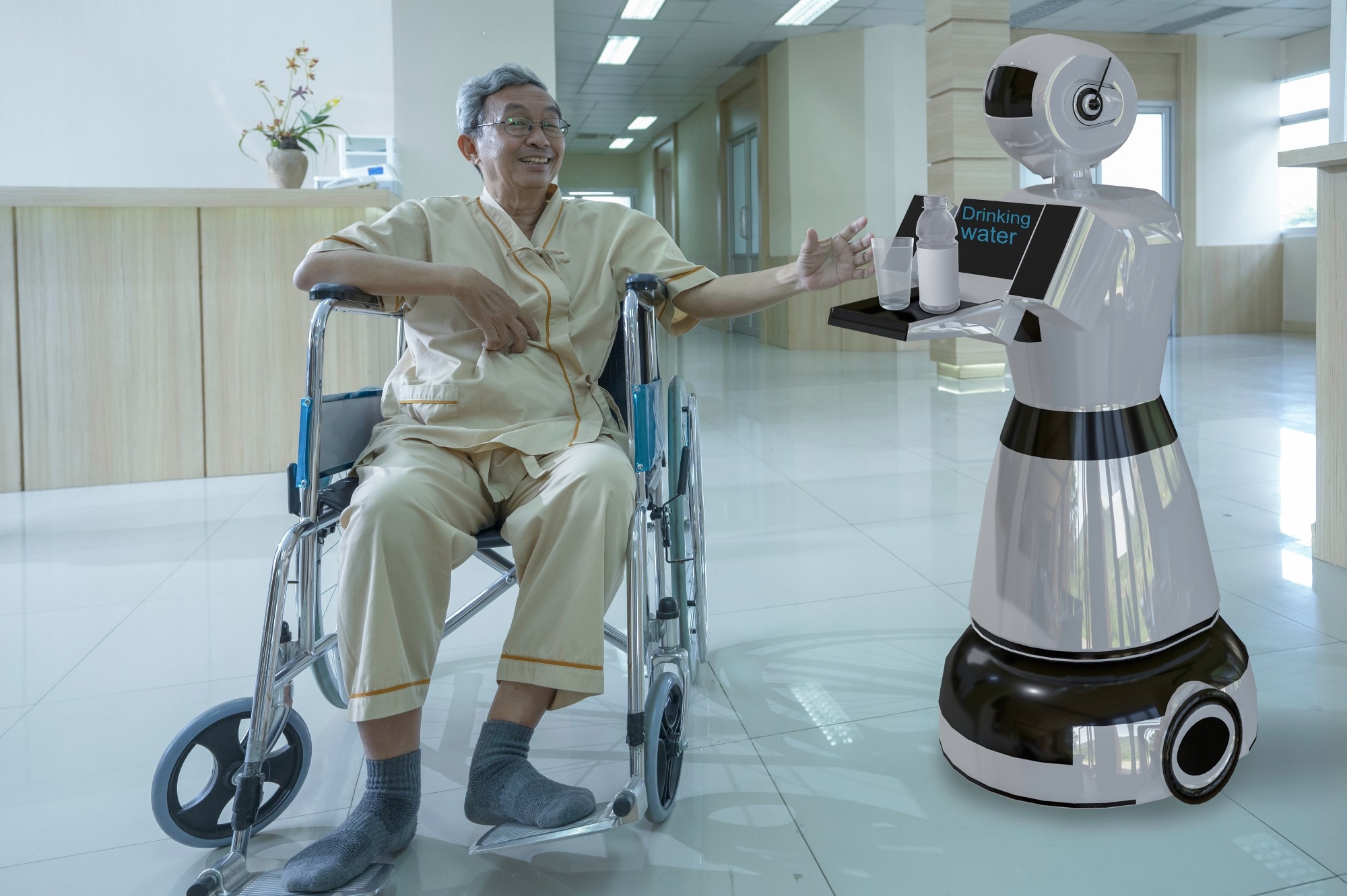
Another promising area is elderly care and healthcare support. Robots designed for home assistance can help monitor health conditions, remind patients to take medications, or provide companionship for individuals living alone. As populations age in many parts of the world, such technologies could play an important role in supporting independent living.
Delivery and logistics are also seeing rapid experimentation with personal robotics. Small mobile robots capable of transporting packages within buildings, campuses, or neighborhoods are already being tested by several companies.
In educational environments, interactive robots are being used as tools for teaching programming, robotics engineering, and problem-solving skills to students.
These early applications illustrate how robotics could gradually integrate into daily routines.
Human–Robot Interaction
For personal robotics to become widely accepted, machines must be designed not only for functionality but also for intuitive human interaction.
Engineers are increasingly focusing on human–robot interaction (HRI)—a field that explores how robots can communicate and collaborate effectively with people.
Modern personal robots often incorporate voice recognition systems that allow users to issue natural spoken commands. Some designs include expressive displays or animated facial features that help communicate emotions and feedback.
Gesture recognition and touchscreen interfaces may also play a role in enabling more natural communication between humans and machines.
By combining these interaction methods, developers aim to create robots that feel approachable and easy to use, rather than intimidating or overly technical.
Challenges Facing Personal Robotics
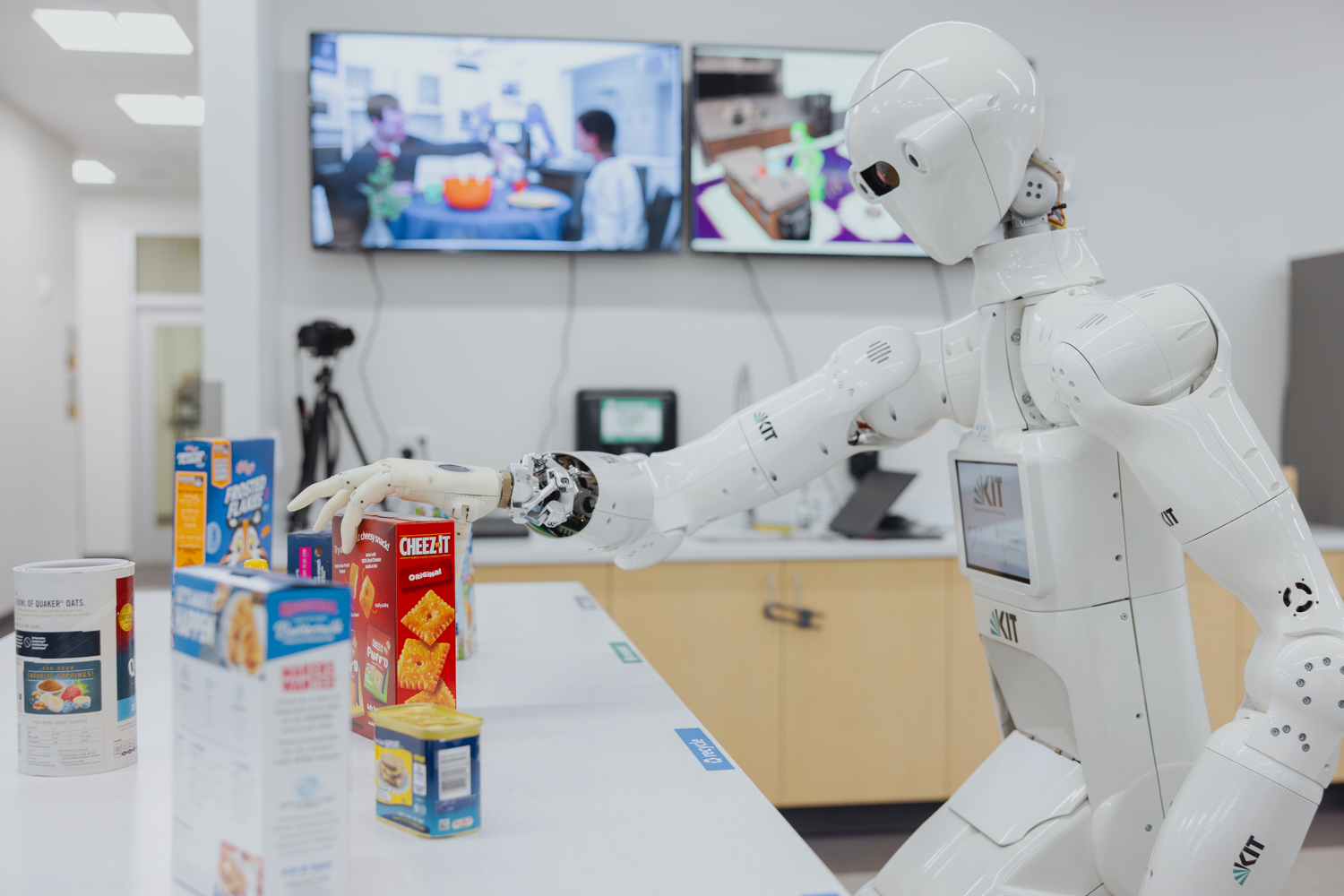
Despite significant technological progress, several challenges must be addressed before personal robots can achieve widespread adoption.
One of the most significant obstacles is cost. Advanced sensors, computing hardware, and mechanical systems remain expensive, making many robotic systems difficult to mass-produce at consumer-friendly prices.
Another challenge involves reliability and safety. Robots operating in homes must be capable of navigating cluttered environments, avoiding pets and children, and responding appropriately to unexpected situations.
Battery life also remains a limiting factor. Autonomous robots require energy-efficient systems that allow them to operate for extended periods without frequent charging.
In addition, ethical and privacy considerations must be carefully addressed. Robots equipped with cameras and sensors collect large amounts of environmental data, raising important questions about data security and responsible usage.
The Future of Personal Robotics
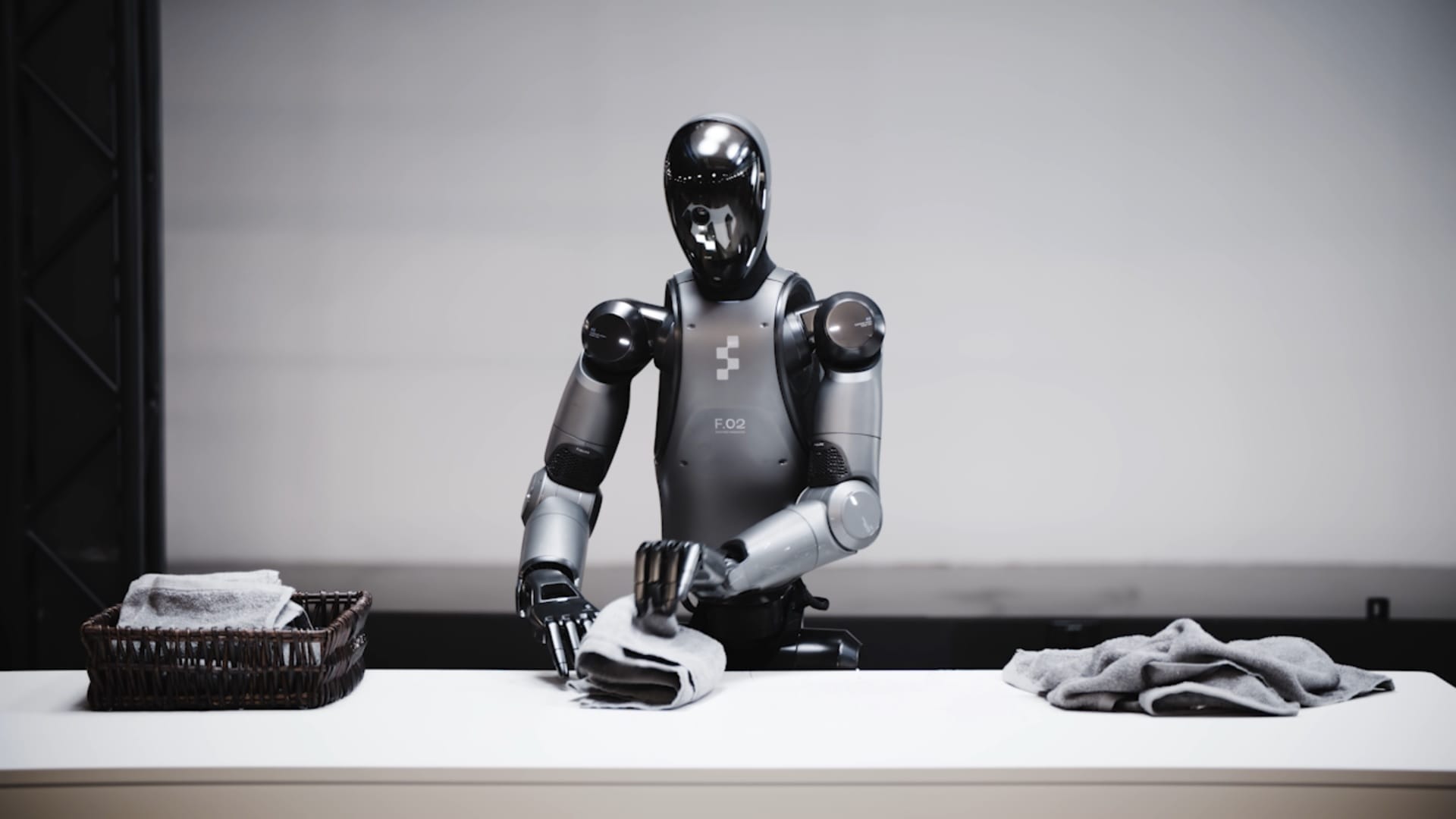
The development of personal robotics is still in its early stages, but progress in the field is accelerating rapidly. Improvements in artificial intelligence, robotics engineering, and sensor technology are steadily expanding what these machines are capable of doing.
Over the next decade, personal robots may evolve from simple task-oriented devices into sophisticated assistants capable of performing a wide range of functions.
Future systems could integrate advanced mobility, improved object manipulation capabilities, and deeper contextual understanding of human environments. These improvements would enable robots to assist with more complex tasks such as home maintenance, personal organization, and collaborative work.
As these technologies mature and manufacturing costs decline, personal robotics could become an increasingly common feature of everyday life.
Much like the personal computer revolution transformed workplaces in the late twentieth century, the rise of personal robotics may represent the next major shift in how humans interact with intelligent machines.