




















I used to think better audio came from buying a better microphone.
So I upgraded. Then upgraded again.
And somehow… my recordings still sounded bad.
There was always something in the background:
- A faint hum from the PC
- Echo bouncing off the walls
- Random noise I didn’t even notice while recording
That’s when I realized something that completely changed how I approach content creation:
A “silent setup” isn’t about expensive gear — it’s about controlling what your microphone hears.
This isn’t theory. This is exactly how I (and many experienced creators) build a workspace that delivers clean, professional audio consistently.
🧠 The Real Problem Isn’t Just “Noise”
Most people think:
“My room is noisy → I need soundproofing.”
That’s not entirely true.
You’re actually dealing with three different problems:
- Background noise (traffic, voices, environment)
- Echo / reverb (sound reflecting off hard surfaces)
- Equipment noise (fans, keyboard, airflow)
Here’s the surprising part:
👉 Echo often ruins audio more than actual noise
A quiet room with strong echo still sounds cheap and amateur.
🧱 Step 1: Stop Trying to Soundproof — Start Treating Your Room

I made the classic mistake: covering walls with foam and expecting magic.
It didn’t work.
Because:
- Foam doesn’t block outside noise
- It only controls reflections inside your room
What actually worked for me:
- Placing foam behind the microphone, not everywhere
- Adding thick curtains behind me
- Using a rug under the desk
That alone dramatically reduced echo.
🎯 Key principle:
Don’t treat the whole room — treat the reflection points your mic “hears”.
🎙️ Step 2: The Right Microphone Matters More Than an Expensive One

I used a condenser mic because it sounded “more professional.”
In reality:
- It captured every detail… including noise
- It picked up my entire room
- It made echo worse
Switching to a dynamic microphone changed everything.
Why dynamic mics work better in real setups:
- They focus on nearby sound
- Reject background noise
- Require less perfect rooms
The biggest upgrade wasn’t the mic — it was distance:
👉 I moved the mic closer to my mouth.
- Ideal range: 5–10 cm
- Use a boom arm for stability
🎯 Real-world insight:
The farther the mic is, the more of your room it records.
The closer it is, the more it captures you.
⚙️ Step 3: Your Setup Might Be Creating Noise
This is something most people overlook.
Your own gear can be the biggest noise source:
- PC fans
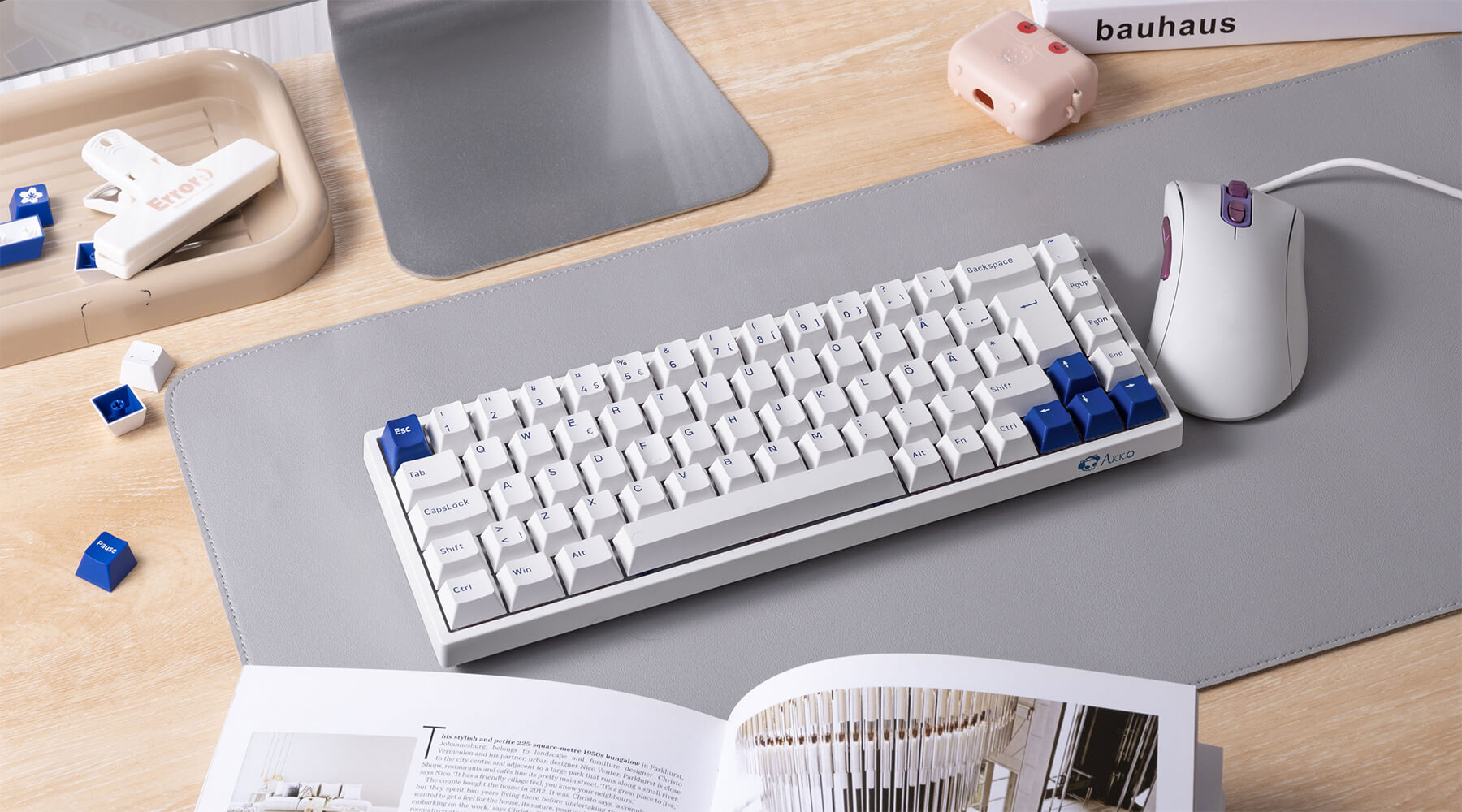
- Mechanical keyboards
- Airflow hitting the mic
What I changed:
- Switched to a silent fan profile
- Moved my PC further away
- Avoided loud keyboard switches
🎯 Simple rule:
If you can hear it, your mic can too.
📐 Step 4: Layout Is Half the Battle
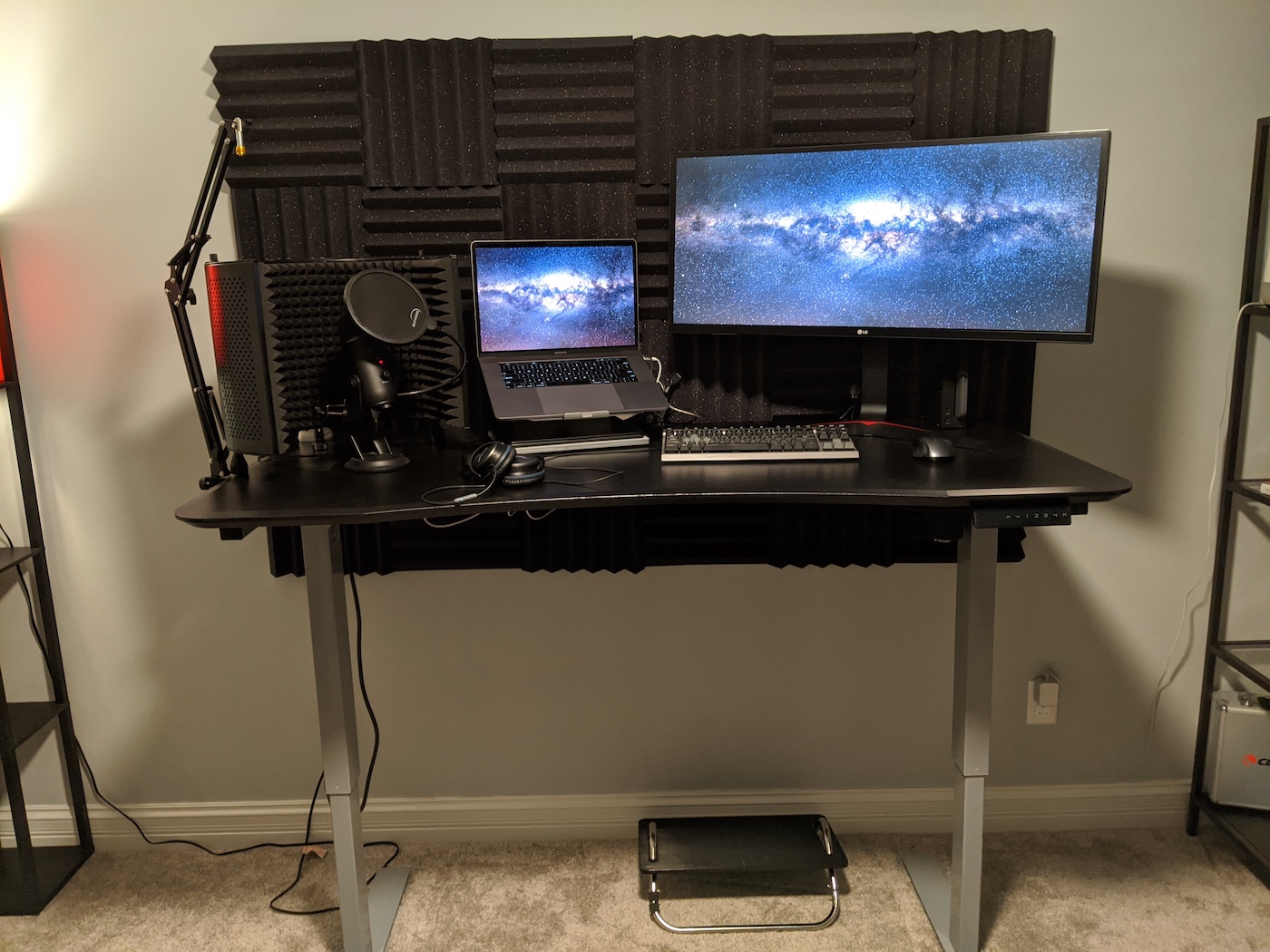
I used to place my mic in the middle of the desk — a common mistake.
Now my layout is intentional:
- Mic facing a treated surface (foam)
- Curtains behind me
- No hard surfaces directly reflecting sound
A simple but powerful layout:
- In front: microphone
- Behind the mic: acoustic foam
- Behind you: soft materials
🎯 Why this works:
Sound doesn’t just travel straight — it bounces everywhere.
Control those reflections, and your audio transforms.
🧠 Step 5: Software Helps — But It’s Not the Solution
There are great tools:
- NVIDIA Broadcast
- Krisp
- Adobe Enhance
I’ve used them all.
They help, but they also:
- Reduce audio detail
- Sometimes create artificial sound
- Can’t fix a bad recording environment
How I use them:
- Light noise reduction only
- Never as a primary solution
💰 The Cost Reality
You don’t need a professional studio.
A solid silent setup can be built with:
- Basic acoustic foam
- A good dynamic microphone
- A boom arm
- Curtains and soft materials
👉 Total: around $200–$400 for a very solid setup
⚠️ Mistakes I Wish I Avoided
- Buying an expensive mic first
- Ignoring room acoustics
- Placing the mic too far away
- Recording in an untreated space
🏁 Final Thoughts
What changed my audio quality wasn’t gear — it was understanding sound.
Once you control:
- Your environment
- Your mic positioning
- Your noise sources
You don’t just get “better audio.”
You get consistent, professional sound every time you hit record.
🔥 One thing I wish I knew earlier:
Your microphone doesn’t record your voice — it records your environment.