

























The Truth Most People Overlook

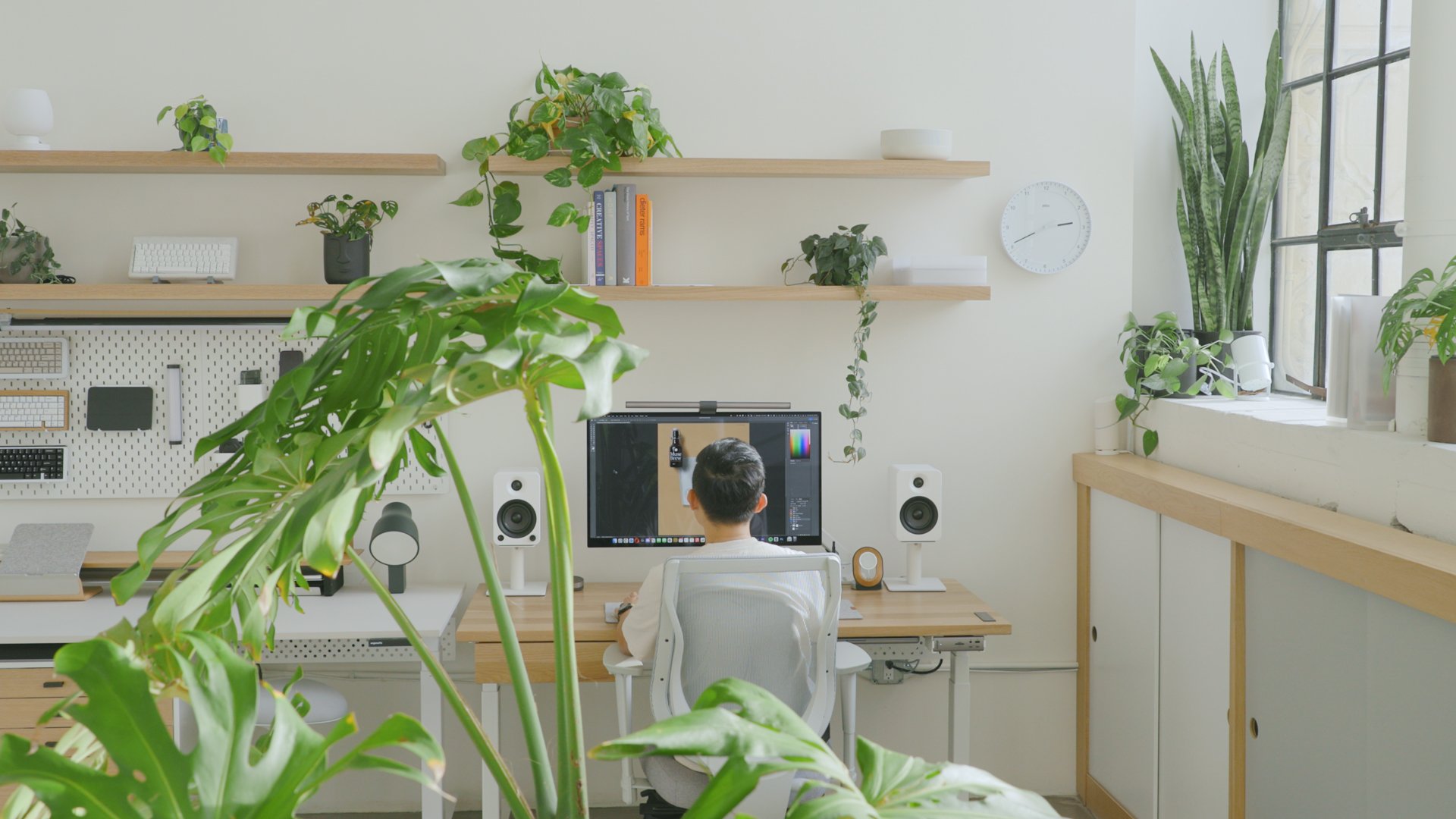
Most people assume productivity is about discipline—waking up early, following routines, forcing focus. But in reality, the environment you sit in every day plays a far greater role than most are willing to admit.
A poorly designed workspace doesn’t stop you from working. It does something more subtle. It slows you down, distracts you in small ways, and gradually drains your mental energy. Over time, this becomes the difference between consistent output and constant struggle.
A well-designed workspace, on the other hand, doesn’t motivate you. It simply removes resistance so effectively that working becomes the default behavior.
🧱 A Workspace Should Function Like a System
One of the biggest mistakes I made early on was treating my desk like a place to put things, rather than a system designed for output.
Over time, items accumulated—gadgets, accessories, decorative pieces. Individually, none of them were a problem. But together, they created friction. Not physical friction, but cognitive friction. My attention was constantly being pulled in multiple directions, even when I was trying to focus.
The shift happened when I started removing instead of adding.
What remained were only the essentials—tools I actually used every day. The result wasn’t just a cleaner desk. It was a clearer mental state. The absence of unnecessary objects reduced the number of decisions my brain had to make, even subconsciously.
A workspace should not be a collection of objects. It should be a system where every element has a purpose, and anything without a clear function is removed.
🪑 Ergonomics Is Energy Management

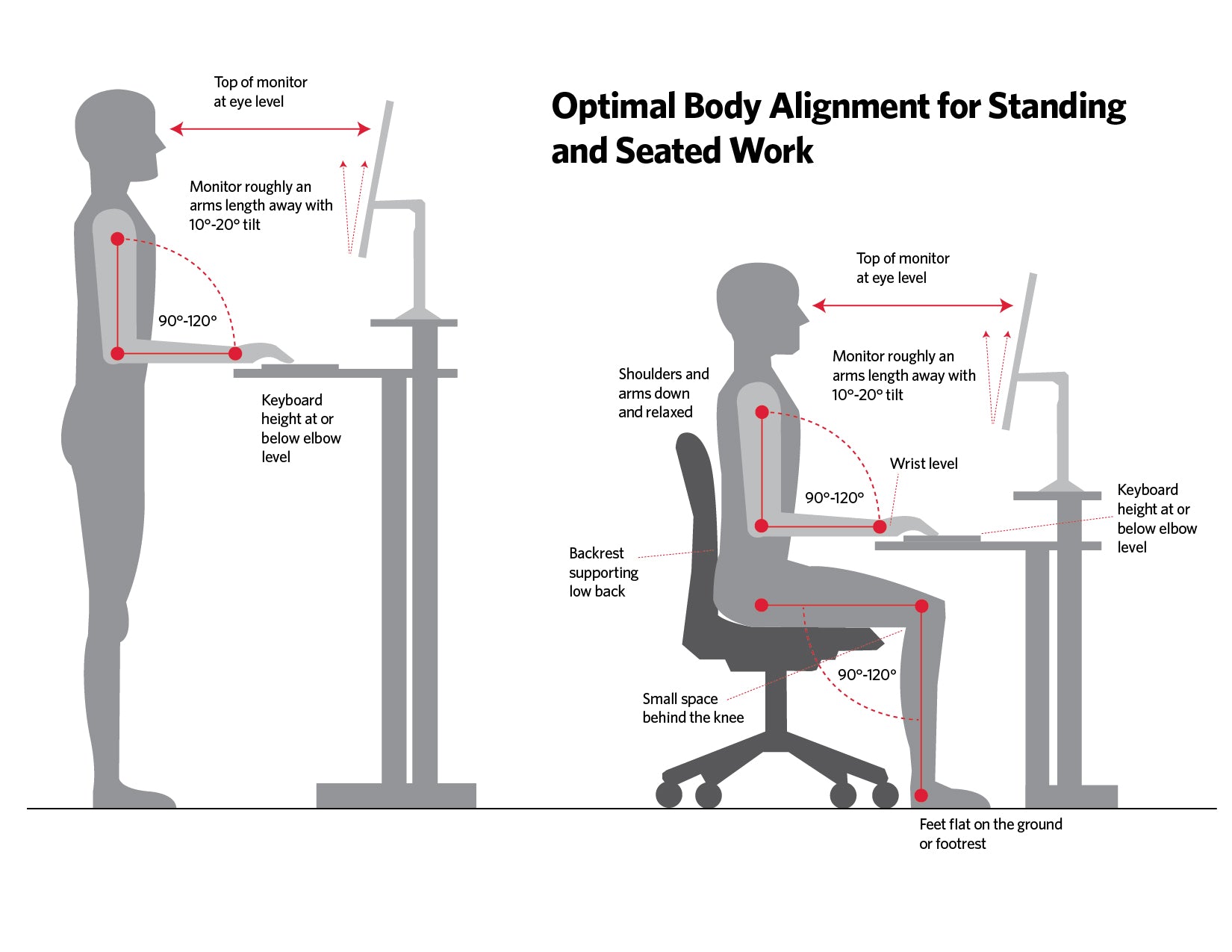
Ergonomics is often misunderstood as a matter of comfort. In reality, it is a matter of sustainability.
You can work in a bad posture for an hour without noticing much difference. But over longer sessions, the impact becomes obvious. Your shoulders tighten, your focus drops, and your sessions become shorter. Not because you lack discipline, but because your body is gradually resisting the position you’re in.
When your screen is aligned with your eye level, your arms rest naturally, and your back is supported, something subtle happens. You stop thinking about your body. And when that happens, your full attention becomes available for your work.
Energy is not only about sleep or nutrition. It is also about how efficiently your body can maintain a working state without strain.
💡 Lighting Defines Your Working Rhythm
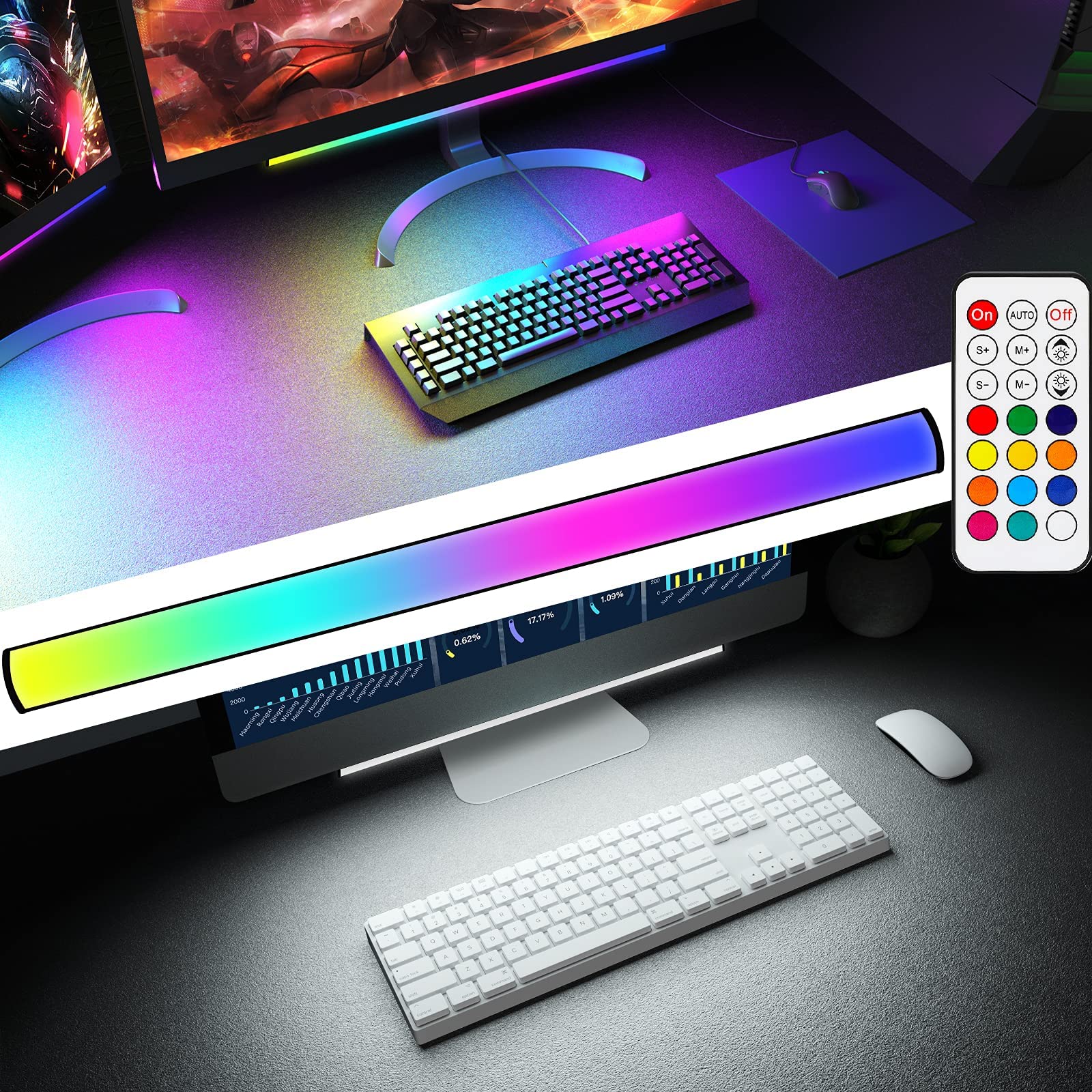
Lighting is rarely prioritized, yet it directly affects how long you can stay focused.
Harsh overhead lighting creates strong contrasts and visual fatigue. Dim lighting forces your eyes to work harder. Both lead to shorter, less productive sessions.
What proved most effective was creating a balanced lighting environment. Natural light during the day provided consistency and reduced strain. In the evening, softer, warmer light maintained comfort without overwhelming the eyes.
It’s not about brightness. It’s about stability. When your eyes are not constantly adjusting, your brain doesn’t have to either.
This is why well-lit workspaces feel easier to work in—they reduce invisible effort.
🔇 Controlling Noise Means Controlling Attention

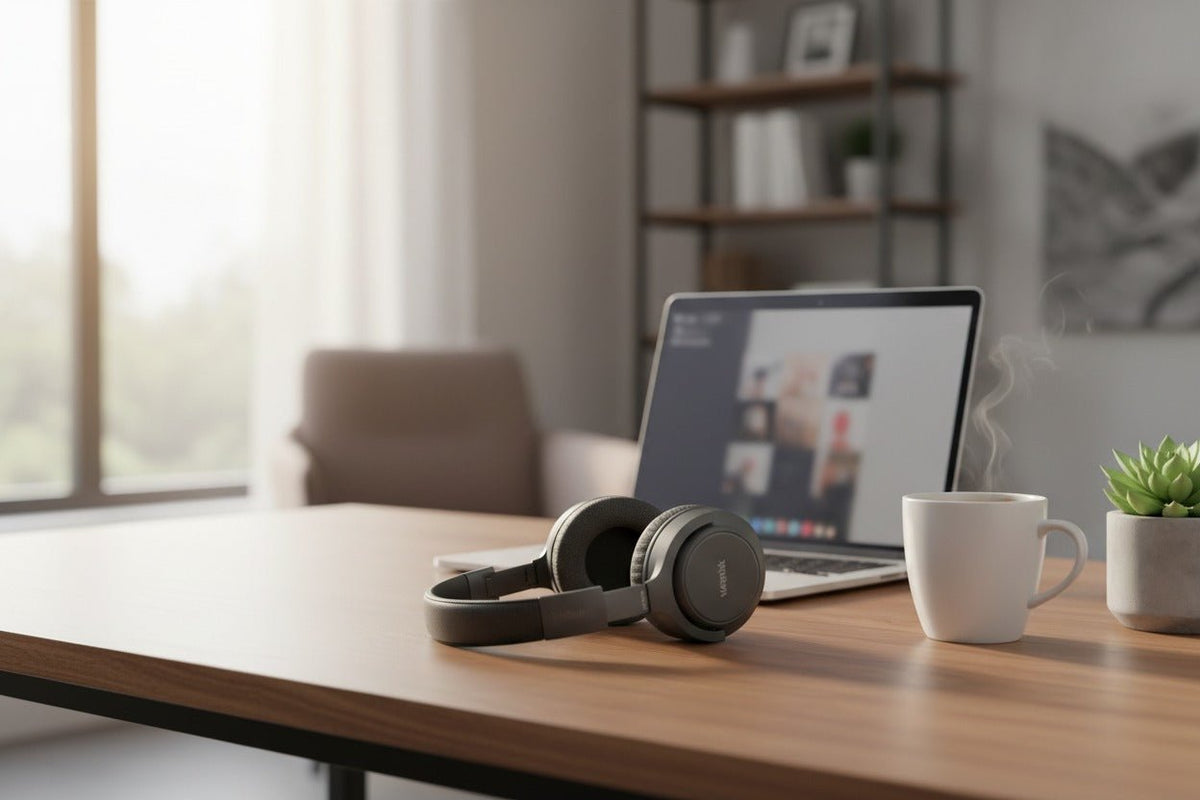
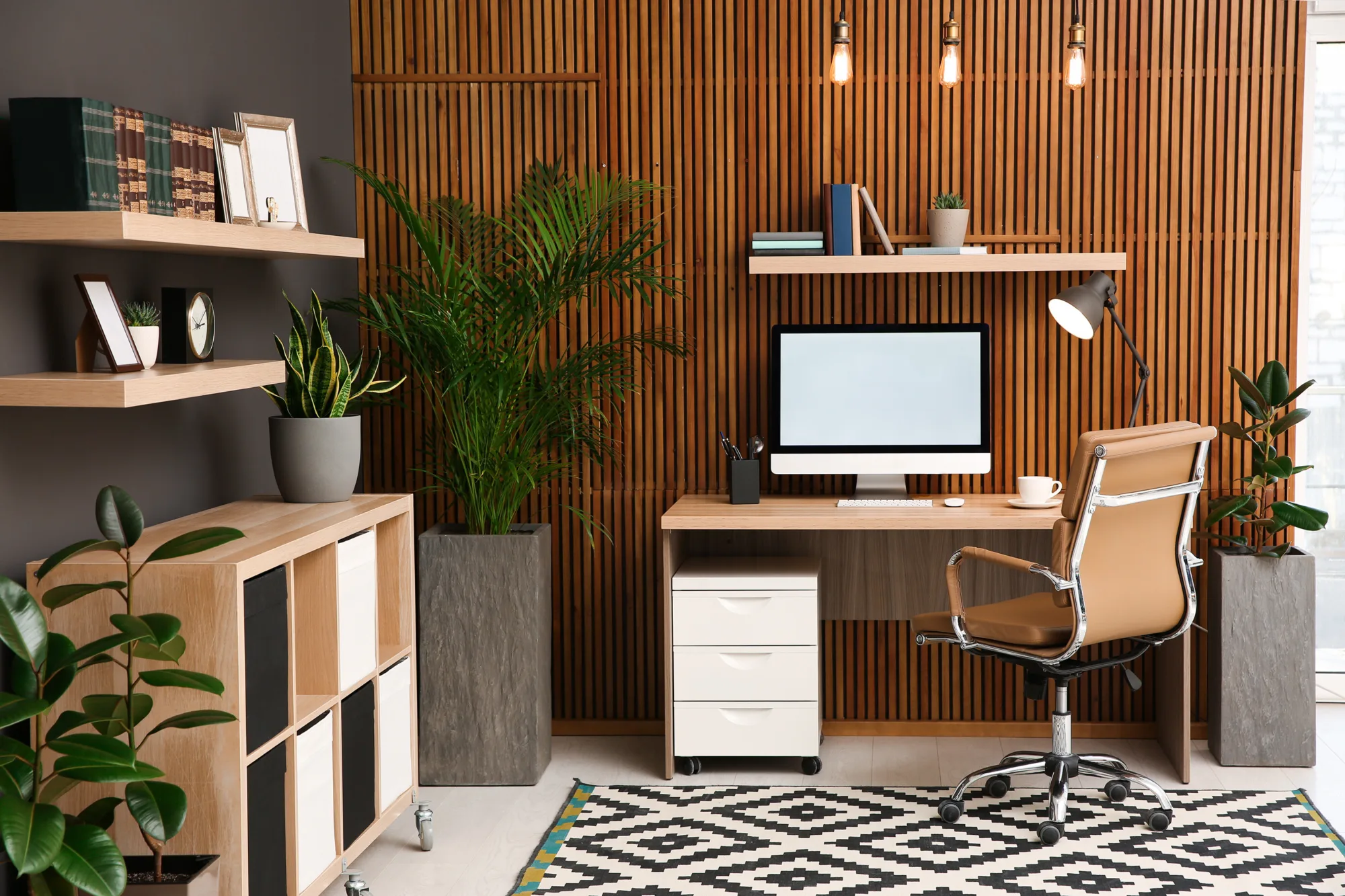
Noise doesn’t have to be loud to be disruptive. The real issue is unpredictability.
A sudden sound—no matter how small—forces your brain to shift attention. Even if you return to your task quickly, that interruption has already broken your focus. Multiply that by dozens of small disturbances, and your ability to concentrate deeply disappears.
A controlled workspace reduces these interruptions.
Soft materials absorb sound. A quieter setup reduces mechanical noise. In some cases, consistent background audio or headphones can create a stable auditory environment.
The goal is not silence. It is consistency. When your environment stops changing unexpectedly, your focus becomes more stable.
🧼 Visual Simplicity Creates Mental Space

A cluttered desk does more than look messy—it competes for your attention.
Every visible object is a potential distraction. Even if you don’t consciously focus on it, your brain is still processing it. Over time, this reduces your ability to stay engaged with your actual work.
When I simplified my setup—hiding cables, removing non-essential items, keeping surfaces clear—the difference was immediate. The space felt quieter, even though nothing about the actual noise had changed.
Visual simplicity creates mental space. And mental space allows for deeper thinking.
🧠 Your Workspace Should Shape Your Behavior
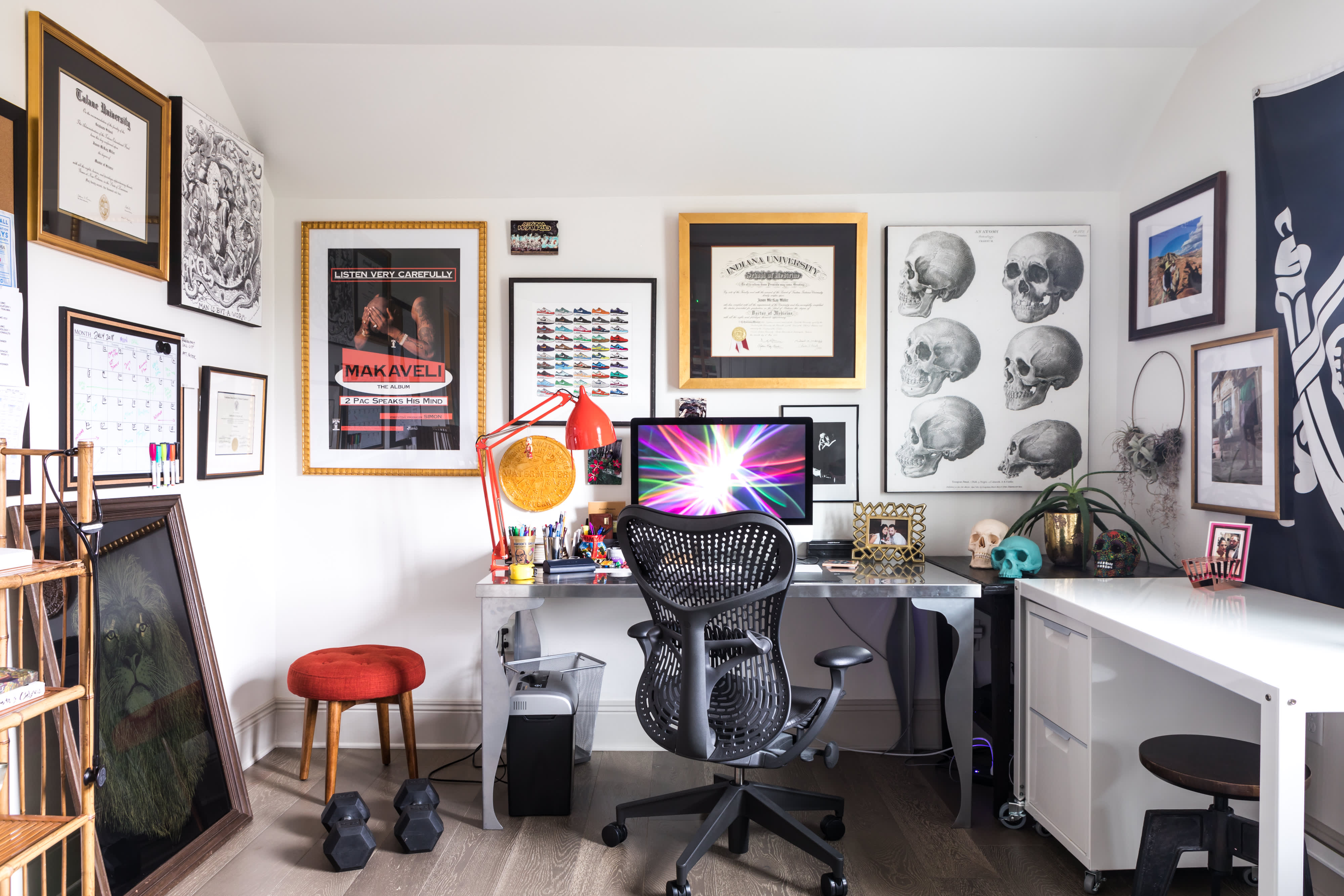

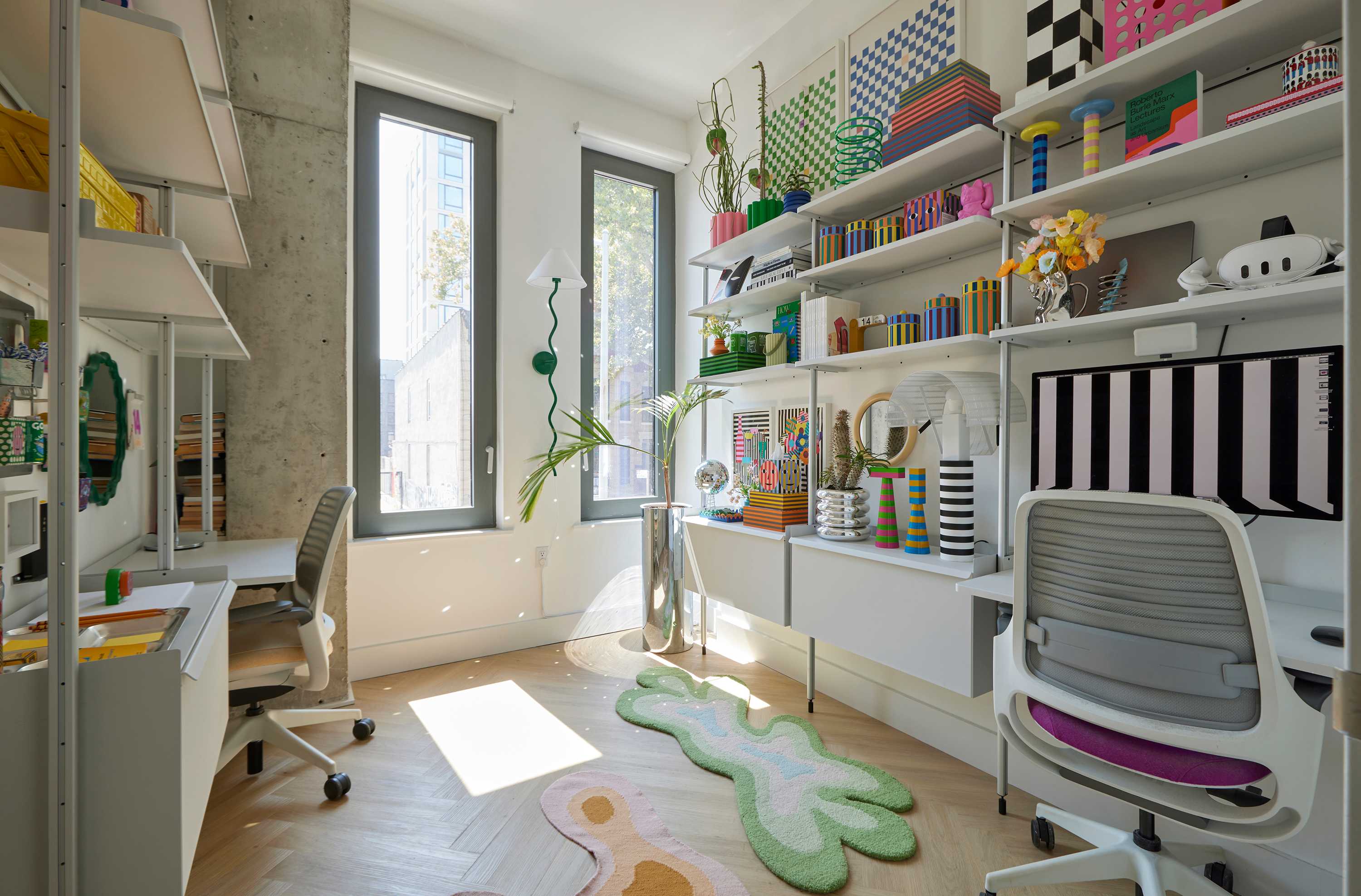
A workspace is not just a place where work happens. It is a signal.
If the same space is used for work, entertainment, and distraction, your brain receives mixed signals. Focus becomes inconsistent because the environment does not clearly define what should happen there.
Separating functions—even slightly—can make a significant difference. A dedicated work area trains your brain to associate that space with focus. Over time, entering that space becomes enough to trigger a working mindset.
At the same time, reducing the steps required to begin working is essential. The easier it is to start, the more often you will.
Efficiency is not about working faster. It is about removing the resistance that prevents you from starting.
🏁 Final Thoughts
A productive workspace is not built in a day, and it is not defined by how it looks.
It is refined over time, based on how you actually work.
When your environment is aligned with your behavior, something shifts. You stop relying on motivation. You stop forcing focus. Instead, you simply begin—and continue—without friction.
The best workspace is not the one that impresses others.
It is the one that quietly makes your best work easier to do.