



























The Shift Away from Traditional Desk Environments
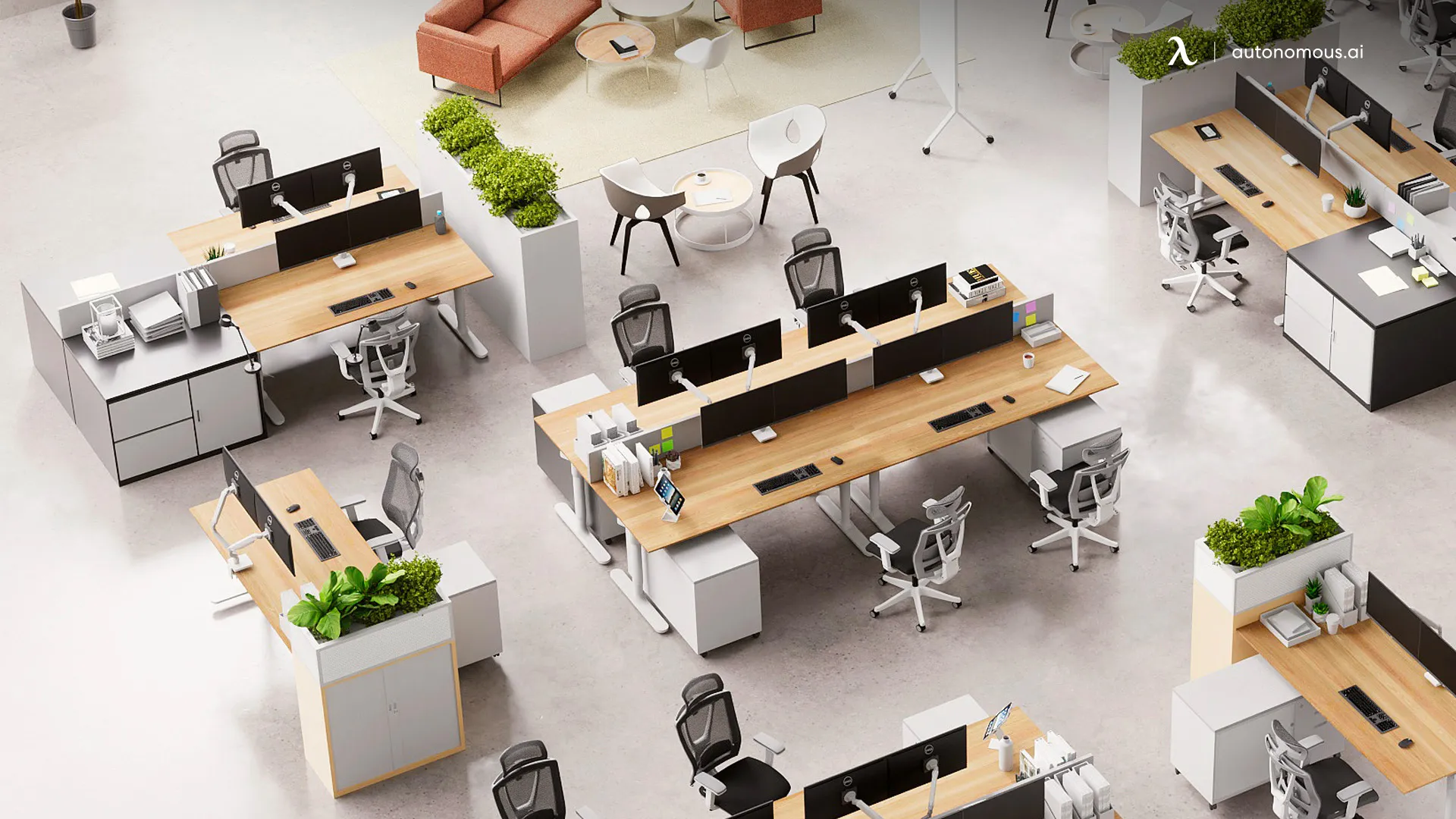
Conventional workspace design has long been centered around a fixed structure: a desk, a chair, and a screen positioned at eye level. This model prioritizes stability and familiarity, which are effective for repetitive tasks and standardized workflows. However, as digital work increasingly demands creativity, adaptability, and sustained focus, this traditional setup begins to reveal its limitations.
A static environment tends to produce static behavior. When the workspace remains unchanged, cognitive patterns also become predictable. This often leads to reduced engagement, slower idea generation, and a gradual decline in deep focus. As a result, unconventional workspace configurations have gained attention not as aesthetic alternatives, but as functional tools capable of reshaping how individuals think and work.
Spatial Variation as a Cognitive Trigge

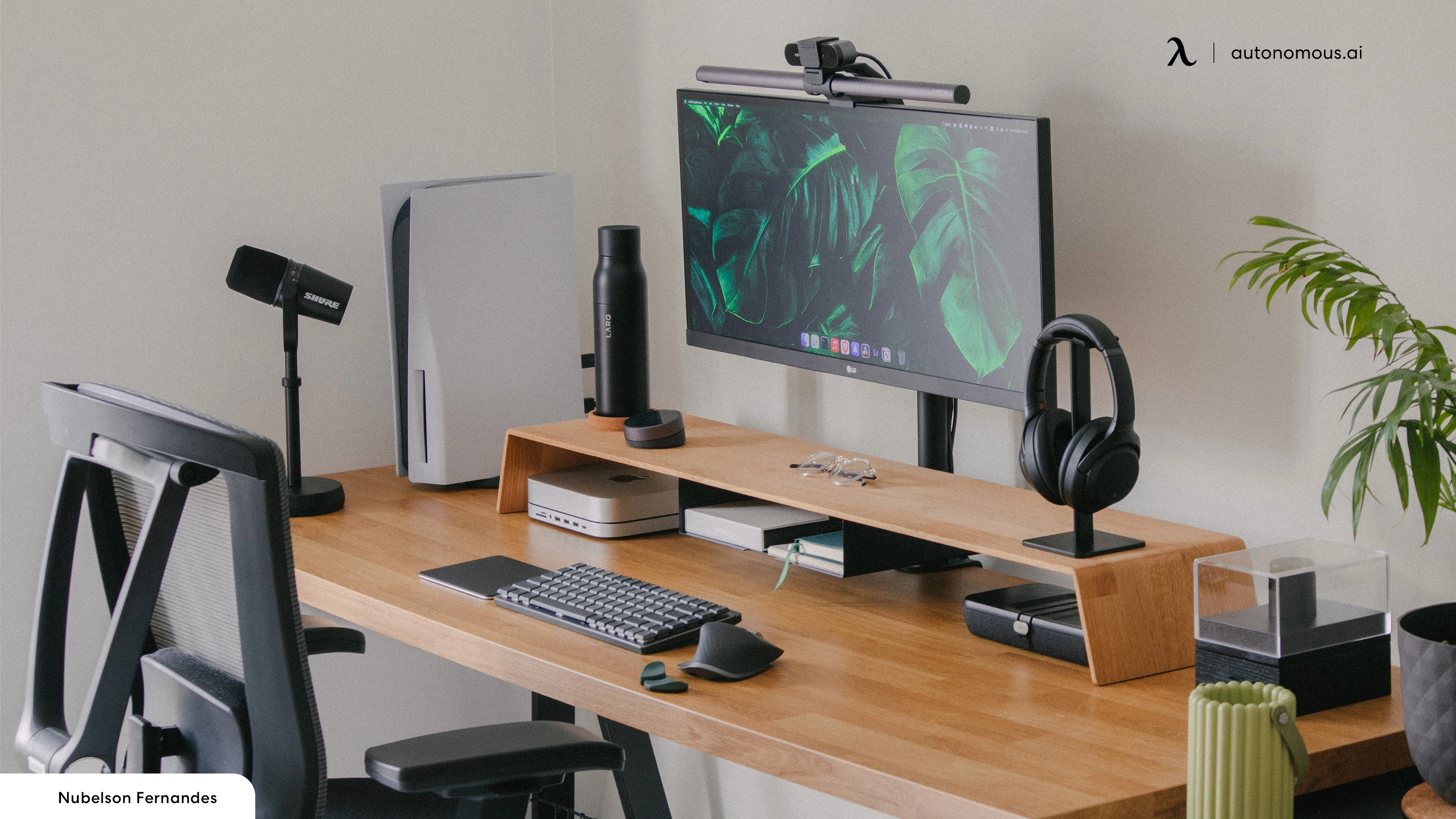
Altering the physical structure of a workspace introduces variation into the working process. This variation acts as a cognitive trigger, interrupting habitual patterns and forcing the brain to adapt. Unlike traditional setups that emphasize comfort and consistency, unconventional environments create subtle friction that increases awareness and intentionality.
For instance, a low desk or floor-based setup changes posture and movement, which in turn influences pacing and decision-making. A standing workspace reduces physical comfort, leading to shorter but more decisive work sessions. These structural differences do not directly improve productivity in a linear sense, but they modify the conditions under which focus and execution occur.
The effectiveness of such setups lies in their ability to shift mental states rather than optimize a single workflow.
Environmental Control and Sensory Influence

Beyond physical structure, unconventional workspaces often manipulate sensory input—particularly light, color, and visual complexity. These elements play a critical role in shaping attention and cognitive load.
Low-light environments, for example, reduce visual stimulation and can narrow attentional focus. This makes them particularly effective for tasks requiring sustained concentration, such as writing or editing. Conversely, highly minimal environments eliminate unnecessary visual inputs, reducing cognitive overhead and allowing for clearer thinking.
The key factor is not intensity, but control. By intentionally limiting or adjusting sensory input, the workspace becomes a tool for regulating mental states rather than merely accommodating tasks.
Functional Zoning and Context Separation
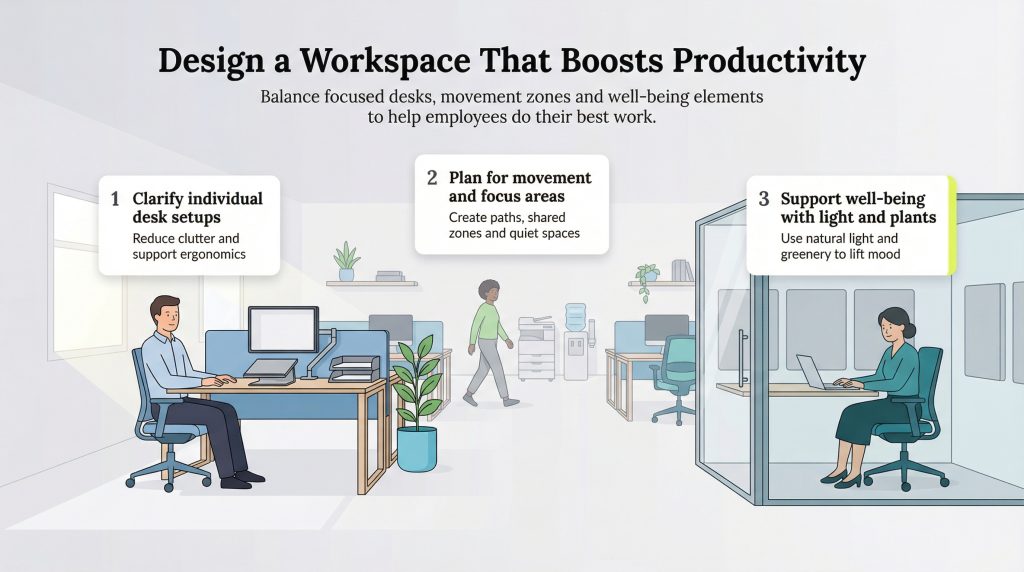
Another defining characteristic of unconventional workspace design is the separation of functions across different physical zones. Instead of relying on a single desk to support all activities, multiple environments are created, each associated with a specific type of work.
This spatial differentiation reduces cognitive switching costs. When each area is consistently linked to a particular activity, the brain adapts more quickly upon entering that space. Focus becomes easier to initiate because the environment itself provides contextual cues.
Such zoning strategies are particularly effective in workflows that involve multiple modes of thinking, including analysis, creation, and execution. By aligning physical space with cognitive function, overall efficiency improves without requiring additional effort.
The Role of Constraint in Enhancing Output
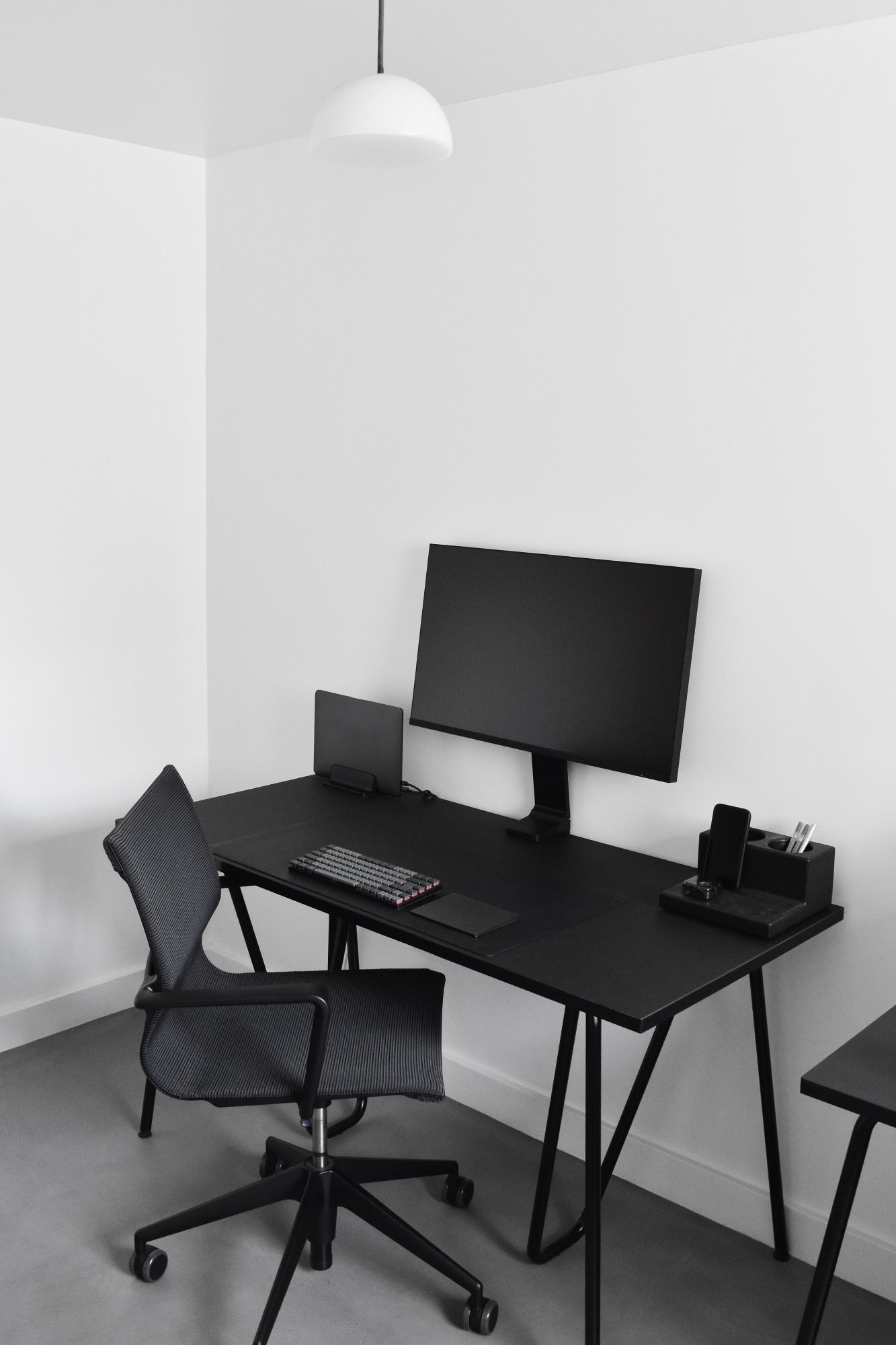
A notable advantage of unconventional setups is the introduction of constraint. While traditional workspaces often aim to maximize flexibility and capability, constrained environments intentionally limit available options.
This limitation can be beneficial. With fewer tools, less space, or reduced comfort, decision-making becomes faster and more focused. Distractions are minimized not by discipline, but by design.
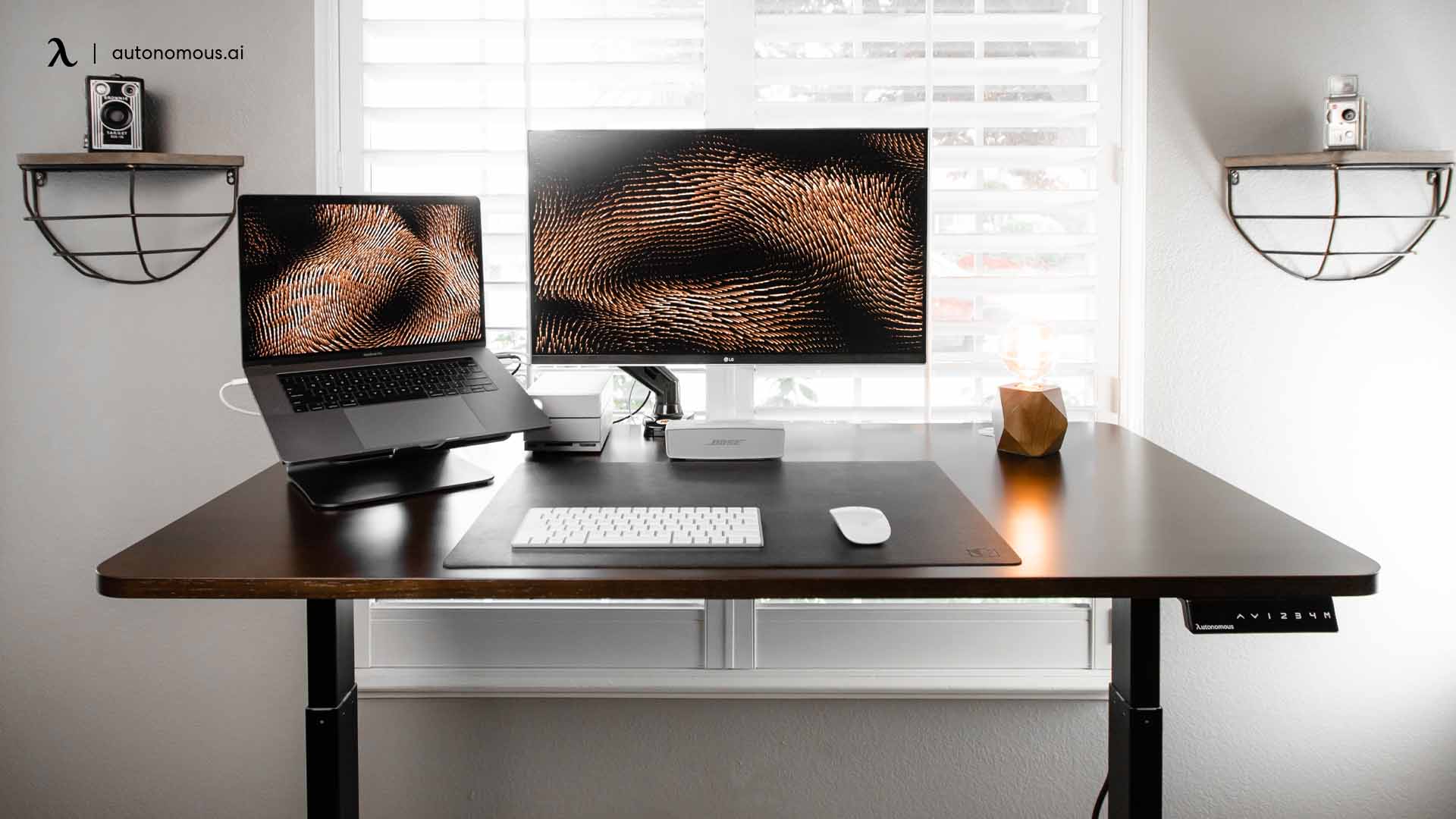
For example, a minimal setup with a single screen and no additional accessories restricts multitasking. This forces attention toward a single task, improving depth and consistency. In this context, constraint is not a limitation—it is a mechanism for clarity.
Rethinking the Purpose of a Workspace

The exploration of unconventional workspaces ultimately leads to a broader shift in perspective. A workspace is no longer defined as a fixed location optimized for all tasks. Instead, it becomes a dynamic system composed of multiple environments, each designed to support a specific mental state.
This approach challenges the idea of a single “perfect setup.” Instead, effectiveness is achieved through variation, adaptability, and intentional design. Different environments are used strategically, depending on the nature of the work being performed.
Conclusion
Unconventional workspace design is not about novelty or aesthetic experimentation. It is a functional approach to improving cognitive performance through environmental variation.
By altering physical structure, controlling sensory input, and introducing constraints, these setups influence how individuals think, focus, and execute tasks. Rather than optimizing a single environment, the goal is to create a system of spaces that support different modes of work.
In this context, productivity is no longer driven solely by tools or habits. It is shaped by the environment itself—quietly guiding behavior, attention, and output.