















Beauty Tech That Replaces Expensive Spa Treatments
The beauty industry is undergoing a quiet revolution. Instead of booking costly spa appointments, more people are investing in at-home beauty tech — devices designed to deliver professional-level results right from your bedroom.
But the real question is: Do these gadgets actually work, or are they just clever marketing? Let’s break it down with a practical, experience-driven perspective.
✨ Can At-Home Beauty Tech Replace Spa Treatments?

The short answer: partially — and in some cases, surprisingly well.
Modern beauty devices use technologies that were once exclusive to dermatology clinics, such as LED light therapy, microcurrent stimulation, and radiofrequency tightening. While at-home versions are less powerful than professional machines, they are designed for safe, consistent use over time.
What they can replace:
- Maintenance facials
- Light anti-aging treatments
- Acne management support
What they can’t fully replace:
- Deep chemical peels
- Professional extractions
- Intensive laser procedures
👉 The key difference isn’t just power — it’s consistency vs intensity. Spa treatments deliver fast, dramatic results. Beauty tech delivers gradual but sustainable improvements.
🔁 A Realistic Beauty Tech Routine (That Actually Works)

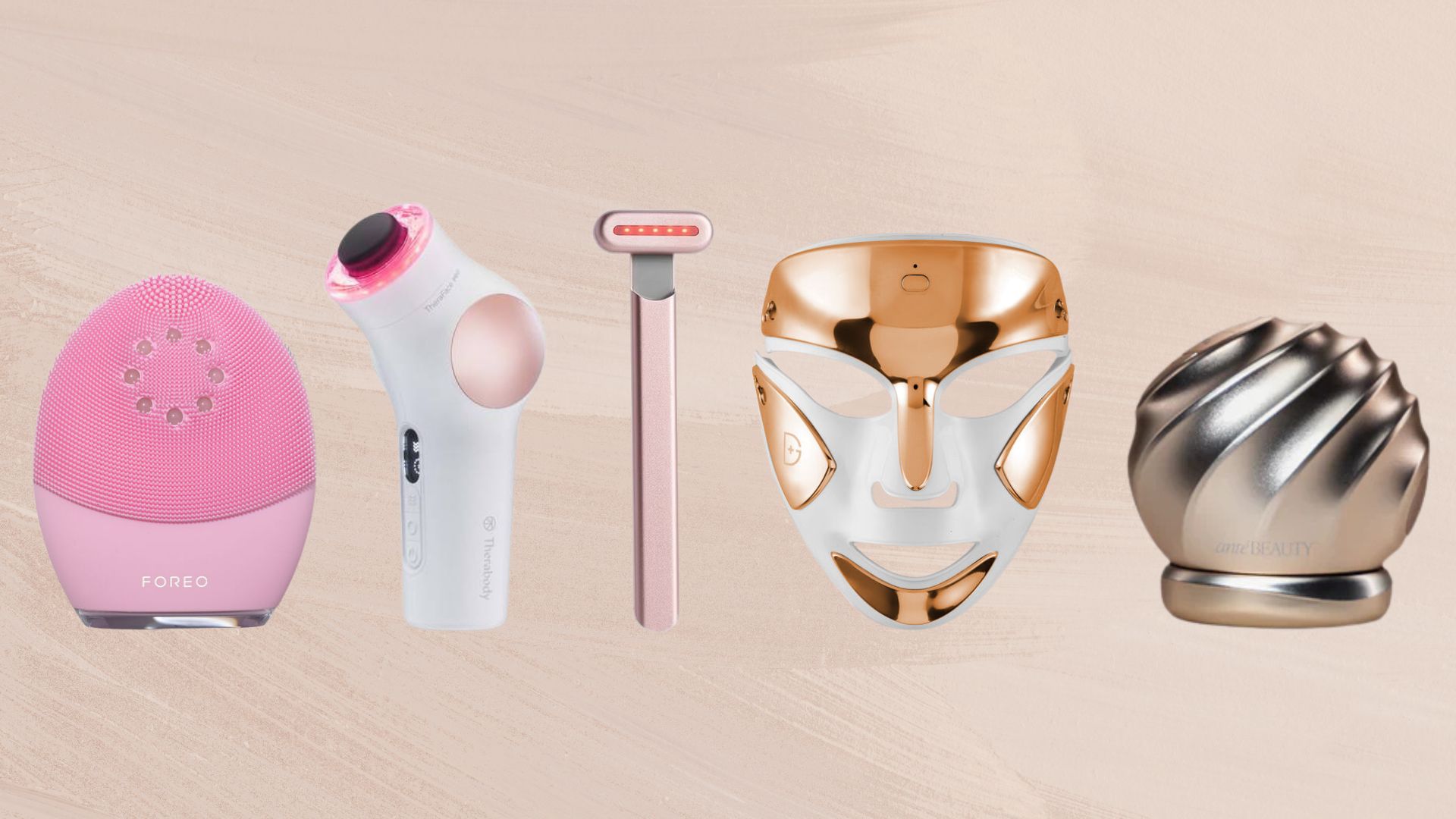
To get real results, devices need to be part of a structured routine — not used randomly.
Here’s a simple but effective weekly routine:
Daily (AM/PM):
- Cleanser + basic skincare
- Optional: facial cleansing brush (deep clean boost)
3–5 times/week:
- LED light therapy (10–20 minutes)
- Blue light: acne
- Red light: anti-aging & repair
2–3 times/week:
- Microcurrent device
- Helps lift and tone facial muscles
1–2 times/week:
- Ultrasonic skin scrubber or exfoliation tool
- Removes dead skin and improves product absorption
👉 Consistency matters more than intensity. Skipping sessions = losing results.
🔍 Honest Review: Effective or Just Marketing?
Let’s be real — not every trending device is worth your money.
✅ What Actually Works:
- LED masks: Backed by science, especially for acne and inflammation
- Microcurrent devices: Noticeable lifting effect with regular use
- Cleansing brushes: Improve skin cleanliness and texture
⚠️ Overhyped (in many cases):
- “Instant facelift” devices
- Cheap radiofrequency tools with no temperature control
- Viral gadgets with no clinical backing
👉 If a product promises overnight transformation, it’s likely marketing.
💡 How to Choose the Right Beauty Tech

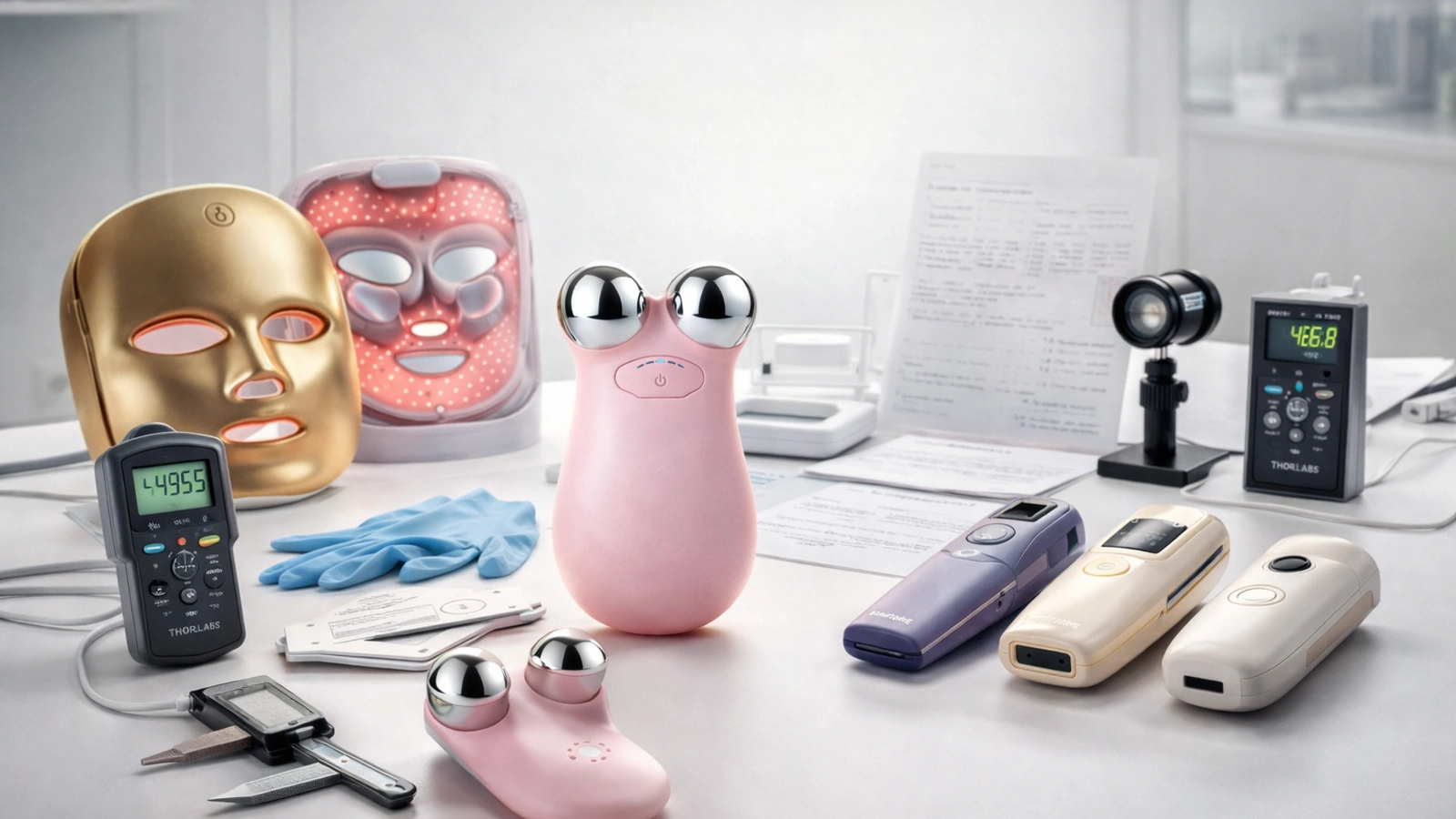
Before buying, focus on function over hype:
1. Look for proven technology
LED, microcurrent, and ultrasonic are safer bets than “new mysterious tech.”
2. Check consistency requirements
If you won’t use it regularly, it won’t work — no matter how good it is.
3. Avoid ultra-cheap devices
Low-quality tools can be ineffective — or worse, unsafe.
4. Match it to your skin goal
- Acne → LED blue light
- Anti-aging → red light + microcurrent
- Texture → exfoliation tools
🌿 Final Thoughts: Smart Beauty, Not More Beauty
At-home beauty tech isn’t about replacing professionals entirely — it’s about reducing dependency on expensive treatments while maintaining results in between visits.
The biggest shift isn’t just technological — it’s behavioral. You’re moving from occasional treatments to daily self-care powered by smart tools.
And in the long run, that consistency is what truly transforms your skin.