











In today’s always-on world, stress isn’t just occasional — it’s constant. Notifications, deadlines, and digital overload have blurred the line between work and rest. As a result, a new category of technology has emerged: mental health gadgets designed to help you slow down, reset, and regain control.
But here’s the real question: Do these devices genuinely reduce stress — or are they just another trend?
Let’s break it down with a practical, no-hype approach.
🧠 Can Gadgets Really Reduce Stress?

The answer is yes — but with conditions.
Stress is both psychological and physiological. The most effective gadgets don’t just “relax” you mentally — they help regulate your body through measurable signals like breathing patterns, heart rate, and nervous system responses.
What actually works:
- Devices that guide breathing rhythms
- Wearables that track stress indicators (HRV, heart rate)
- Tools that reduce sensory overload (sound, light, distractions)
What doesn’t work well:
- Passive gadgets with no interaction
- “Relaxation” tools with no scientific basis
- Products that promise instant calm without habit-building
👉 The key idea: Tech doesn’t remove stress — it trains your body to handle it better.
⚡ Stress Relief Tech for High-Pressure Lifestyles
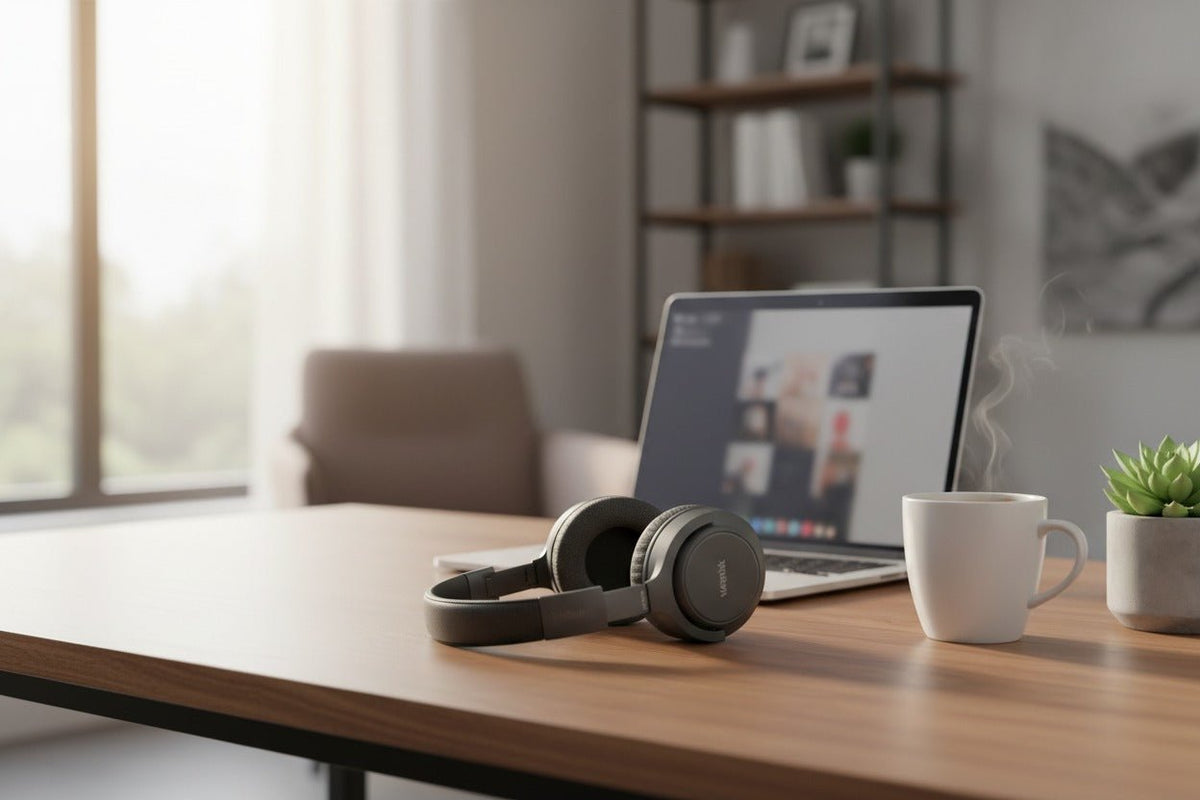
If you’re constantly working under pressure, you don’t need more motivation — you need micro-recovery tools.
Here are some of the most effective categories:
🎧 Noise Control Devices
Noise-canceling headphones or white noise machines create a controlled environment, helping your brain stay focused and less reactive.
🌬️ Guided Breathing Gadgets
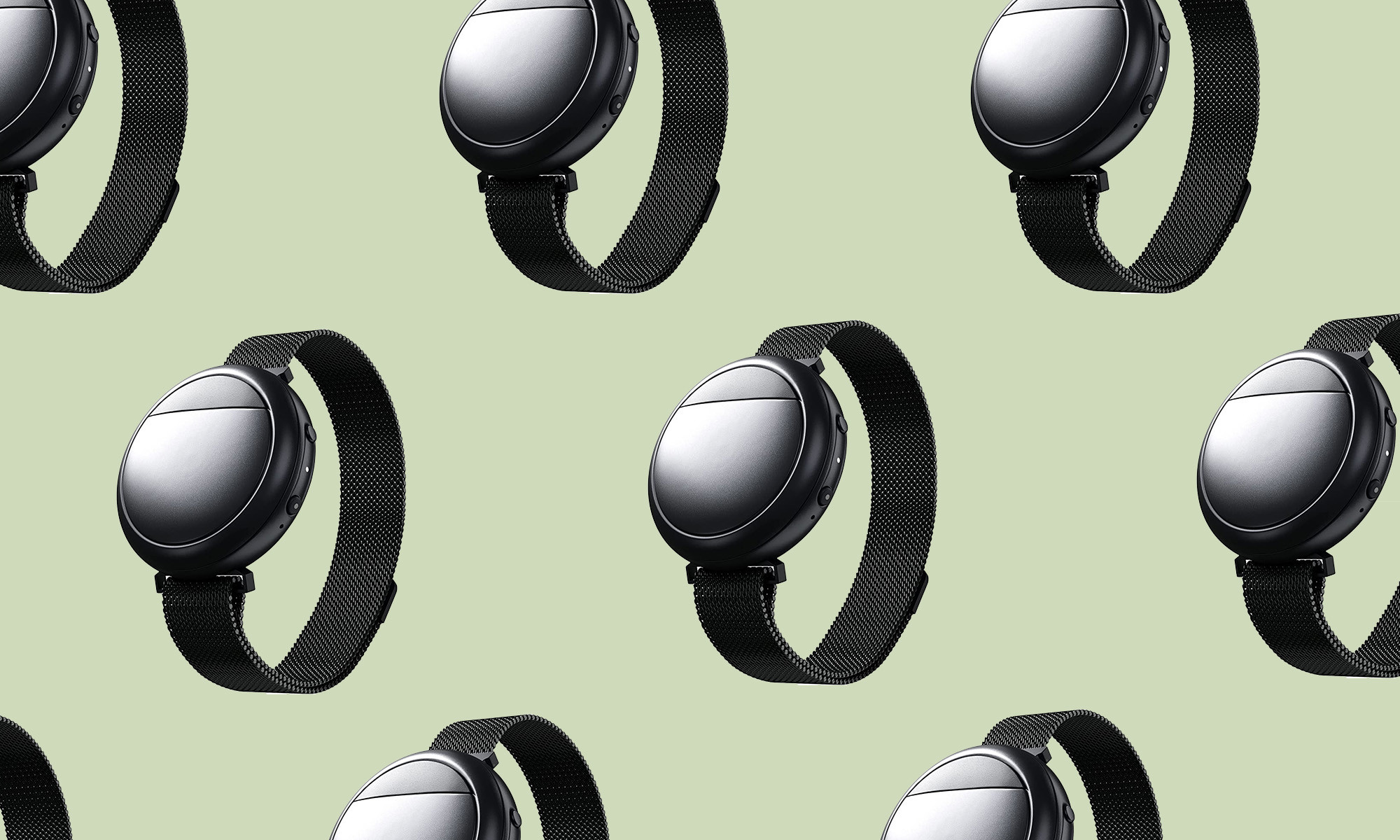
Small handheld devices that vibrate or pulse to guide your breathing rhythm — incredibly effective during anxiety spikes.
⏱️ Focus Timers & Deep Work Tools
Simple devices that structure your work into intervals, reducing overwhelm and decision fatigue.
👉 These tools don’t interrupt your workflow — they stabilize it.
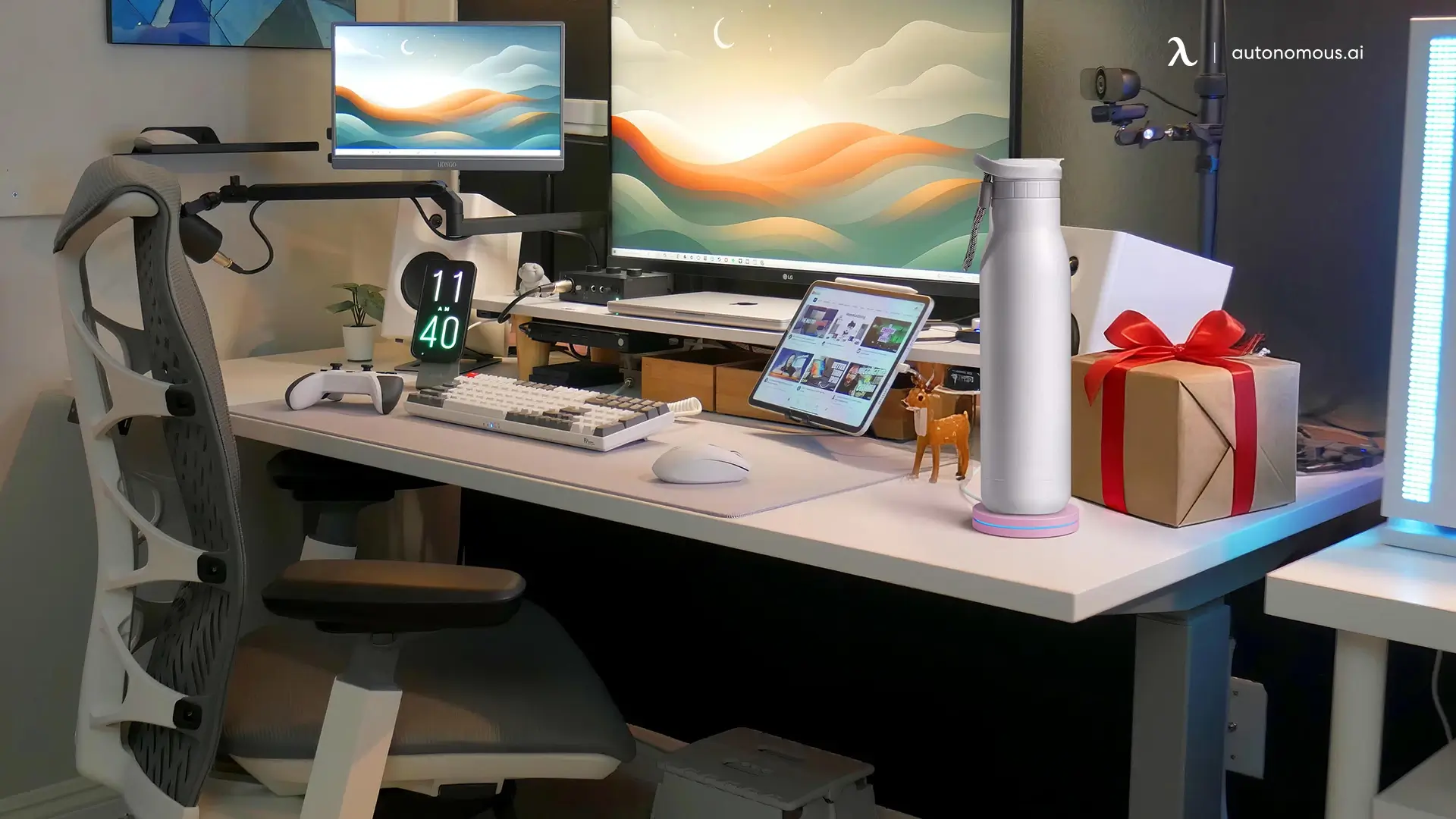
🎥 Mental Wellness Tech for Creators & Digital Worker
Creators face a unique kind of stress: constant output pressure + mental fatigue + screen overload.
Here’s where tech can make a real difference:
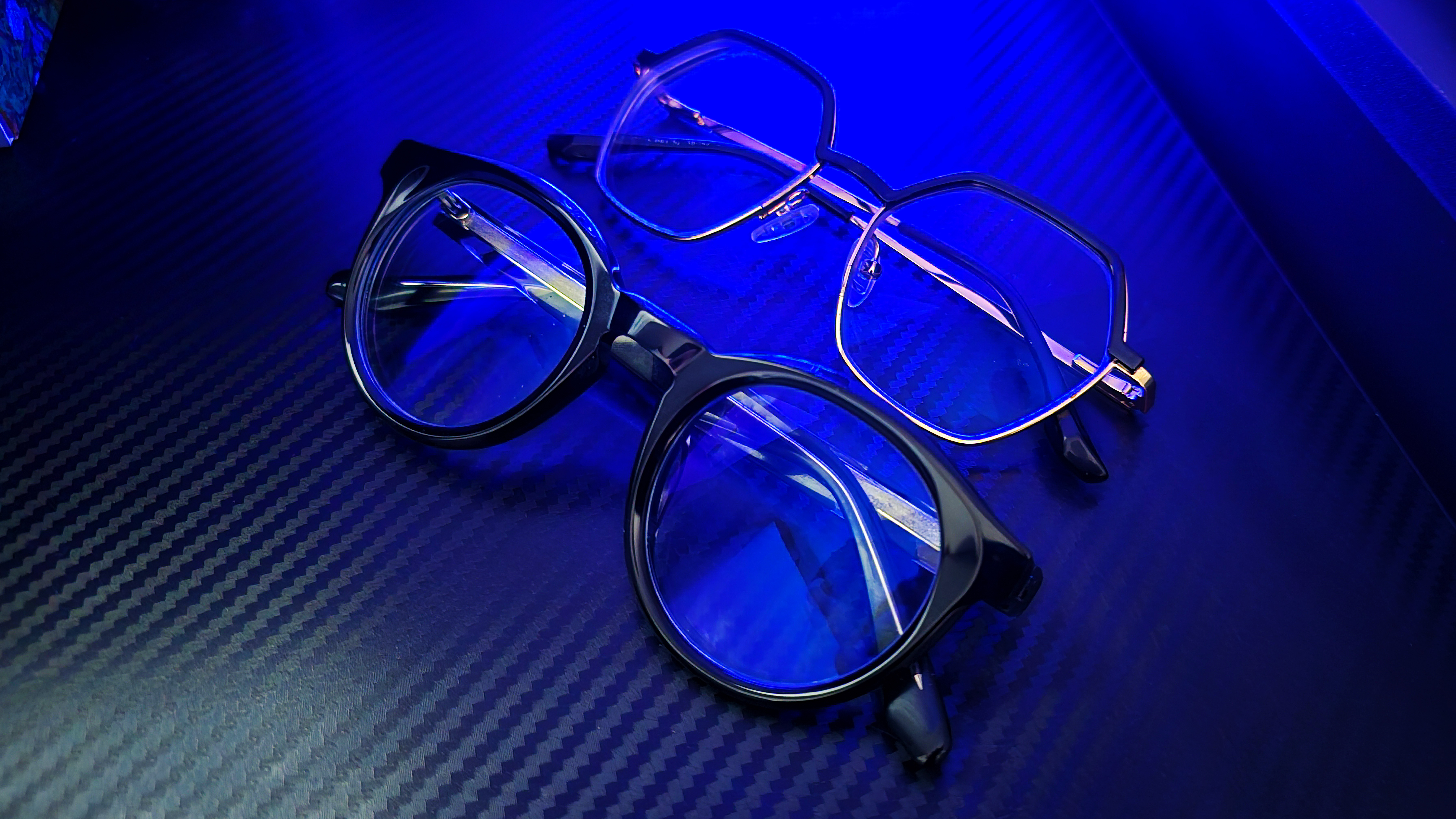
1. Blue Light Reduction Tools
Glasses or screen filters reduce eye strain and improve sleep quality after long editing sessions.
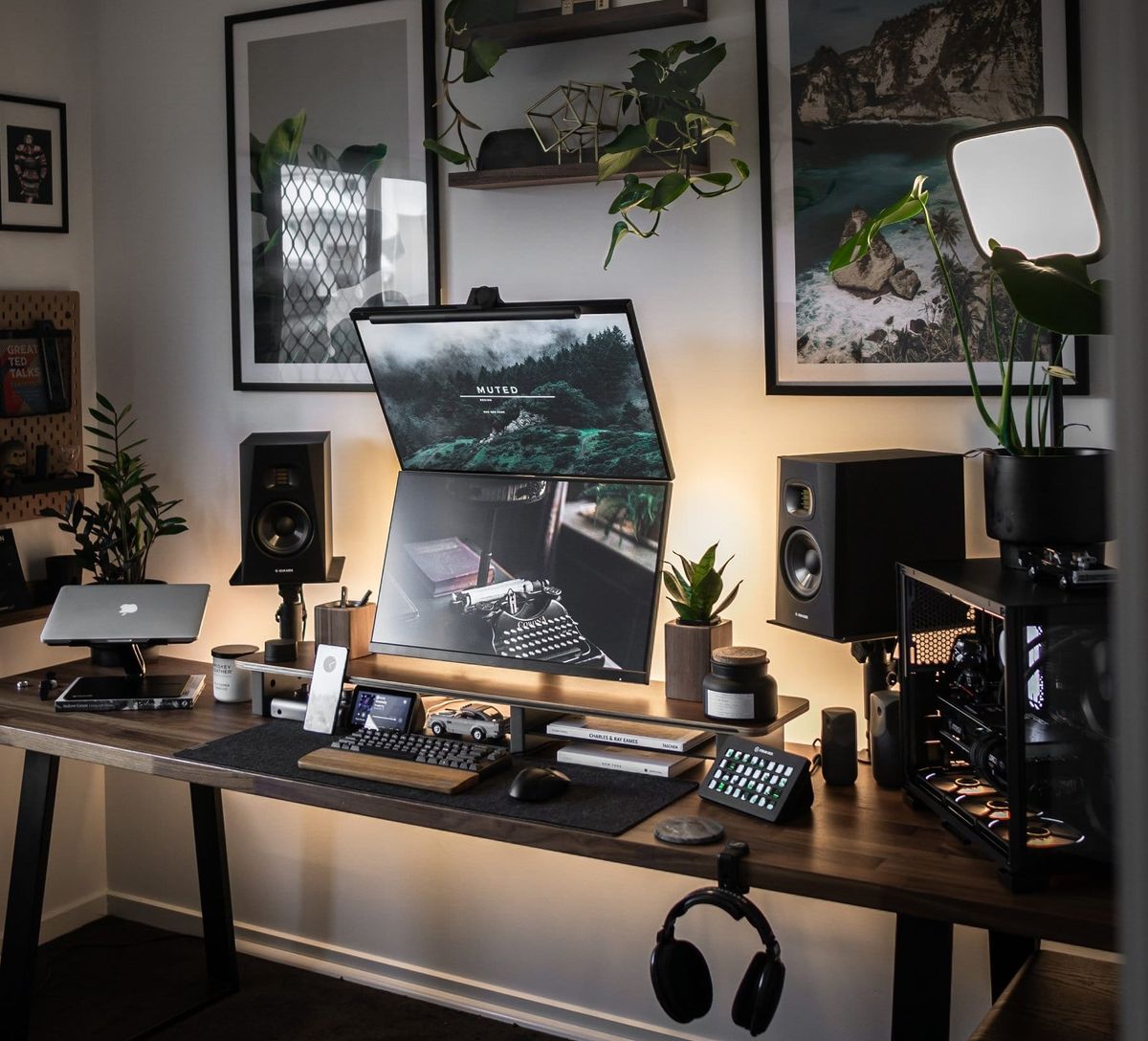
2. Ambient Lighting Systems
Soft, warm lighting setups can dramatically shift your mood and reduce cognitive fatigue.
3. Digital Detox Helpers
Apps or devices that limit screen time or block distractions help you regain control over your attention.
👉 For creators, mental health isn’t just personal — it directly affects creative output and consistency.
🔍 Honest Take: What’s Worth It (and What’s Not)

Let’s cut through the noise.
✅ Worth Investing In:
- Breathing guides with physical feedback
- Wearables with real stress data tracking
- Noise control tools (headphones, sound devices)
⚠️ Often Overhyped:
- “Instant calm” gadgets with no interaction
- Expensive meditation devices that duplicate free apps
- Trendy products with no long-term usability
👉 If a device doesn’t fit naturally into your daily routine, you won’t use it — and it won’t work.
🌿 Final Thoughts: Calm Is a Skill, Not a Shortcut
Stress relief isn’t about escaping pressure — it’s about building resilience within it.
The best mental health tech doesn’t magically fix your life. Instead, it gives you small, consistent advantages:
- A calmer nervous system
- Better focus
- Faster recovery from stress
And over time, those small advantages compound into something powerful: control over how you feel, even in high-pressure situations.