












Sleep is no longer just about “getting enough hours.” For people working long hours, what truly matters is sleep quality — how deeply you rest, how fast you recover, and how ready you feel the next day.
In recent years, sleep technology has quietly become one of the most effective ways to optimize recovery without changing your entire lifestyle.
😴 Optimizing Sleep for High-Workload Lifestyles

If you work long hours, your biggest problem isn’t just lack of sleep — it’s inconsistent, low-quality sleep. Stress, screen exposure, and irregular schedules all disrupt your natural rhythm.
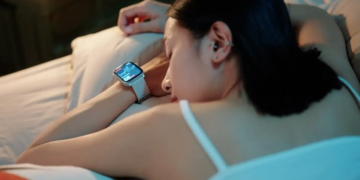
This is where sleep tech becomes useful. Devices like sleep trackers, smart alarms, and ambient sound machines help regulate your body without requiring extreme discipline. Instead of forcing perfect habits, they guide your body back into rhythm.
A smart alarm, for example, wakes you during your lightest sleep phase — meaning you feel less groggy even if you slept fewer hours. Meanwhile, sleep tracking apps reveal patterns you normally wouldn’t notice, like how late-night screen time affects your deep sleep.
The goal isn’t perfection — it’s incremental improvement that fits a busy life.
⚖️ Sleep Tech vs Natural Habits

There’s always a debate: should you rely on technology, or just fix your habits?
The truth is — both matter, but they solve different problems.
Natural habits like reducing screen time, sleeping at consistent hours, and getting sunlight are still the foundation of good sleep. No gadget can replace these completely.
However, real life isn’t always ideal. Late work, stress, and unpredictable schedules make perfect habits hard to maintain. That’s where technology fills the gap.
Sleep tech doesn’t replace discipline — it supports it when life gets messy.
⚡ “Sleep Less, But Better” — Is It Real?

The idea of “sleeping less but feeling better” sounds like a myth — but there’s some truth to it.
Sleep isn’t just about duration. It’s about cycles: light sleep, deep sleep, and REM. If your sleep is fragmented or shallow, even 8 hours can leave you exhausted. On the other hand, 6–7 hours of high-quality sleep can feel significantly better.
Sleep tech helps optimize this by:
- Reducing disturbances (noise, light)
- Tracking sleep cycles
- Helping you wake at the right moment
But let’s be clear: this is optimization, not a shortcut. Consistently cutting sleep too short will still harm your health.
The real goal is simple:
maximize recovery within the time you have — not cheat sleep entirely.
🌙 Final Thoughts: Smarter Sleep, Not Perfect Sleep
You don’t need a perfect routine to sleep better. You need a smarter system.
Sleep tech works best when it quietly supports your lifestyle — not when it tries to control it. For busy people, that’s the difference between something you try for a week… and something that actually sticks.
In the long run, better sleep isn’t about doing more — it’s about removing friction from rest. And sometimes, the smallest upgrades make the biggest difference.