





















Healthcare has always suffered from one persistent problem: fragmentation. Data lives in different places, advice gets lost between appointments, and patients often leave clinics with more confusion than clarity. What happens between visits is largely invisible, and that gap has long limited how effective modern healthcare can truly be.
Samsung now appears ready to tackle that gap head-on.
The company is developing a new “Health Hub,” a platform designed to bring together personal health data, wearable insights, and medical guidance into a single, unified system. Instead of juggling multiple apps, devices, and disconnected reports, users would be able to access a continuous stream of health insights—one that doesn’t stop the moment they walk out of a doctor’s office.
At its core, the idea is simple: make healthcare feel less episodic and more continuous.
From Scattered Data to a Unified Health View
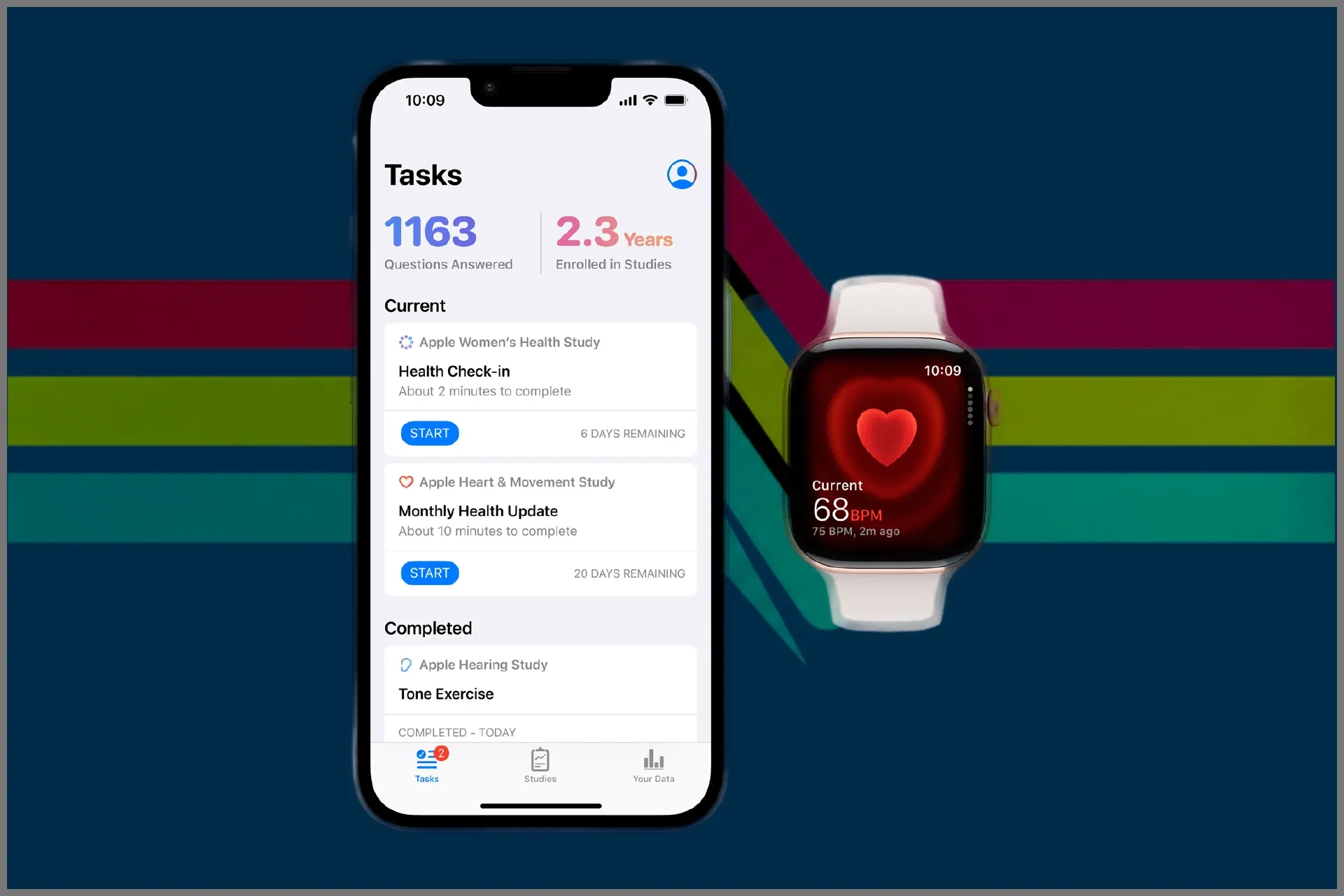
Today’s health technology landscape is filled with innovation, but most of it exists in isolation. Fitness trackers, medical apps, and clinical systems rarely communicate in meaningful ways. The result is a fragmented experience where users are forced to piece together their own health story.
Samsung’s approach aims to change that by creating a centralized hub that aggregates data from its Galaxy ecosystem. Information collected from devices like smartwatches and smartphones would be combined into a single interface, giving both patients and doctors a more complete picture of ongoing health conditions.
Instead of switching between multiple tools, users could rely on one system that connects everything—from sleep patterns and cardiovascular indicators to activity levels and long-term trends.
Turning Data Into Daily Guidance
Collecting data is only part of the equation. What matters more is what you do with it.
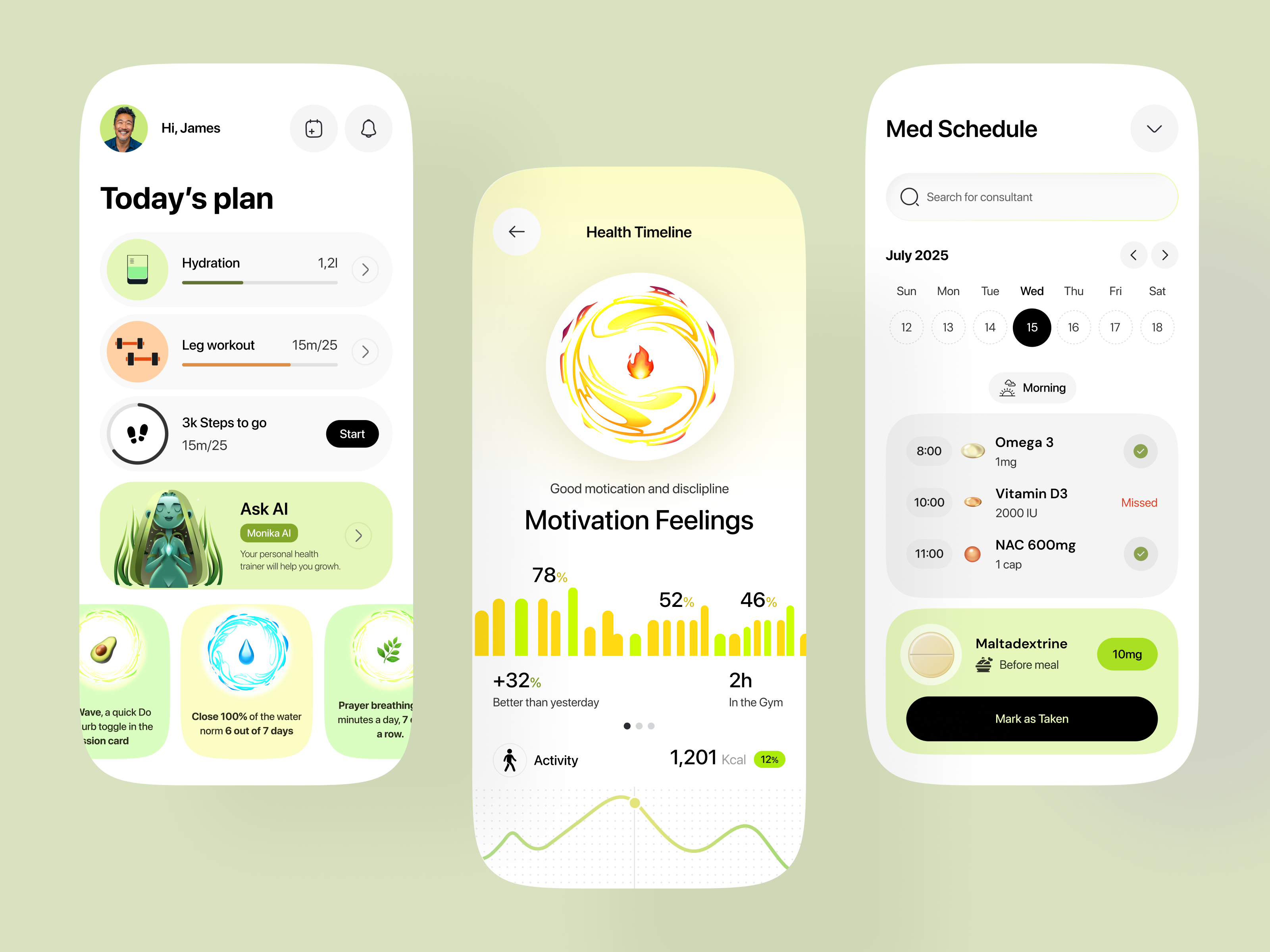
Samsung’s broader vision goes beyond tracking—it focuses on turning raw data into actionable insights. New features powered by Galaxy AI are designed to guide users toward better habits over time. Sleep recommendations, cardiovascular monitoring, personalized training plans, and even emerging metrics related to long-term wellness all contribute to a system that actively supports daily decision-making.
This shift changes the role of health technology. It moves from passive observation to active participation. Instead of simply recording what happens, it helps shape what happens next.
And importantly, it keeps users engaged between doctor visits—when most real-world health decisions actually occur.
A New Level of Patient Autonom
One of the most significant implications of a system like this is the shift in control. When patients have access to their own data in a meaningful way, they are no longer passive participants in their care.
They become active decision-makers.
With clearer insights and continuous feedback, individuals can better understand their conditions, track progress, and make informed choices about their health. This level of transparency has the potential to strengthen the relationship between patients and healthcare providers—turning it into a more collaborative process.
Of course, this also raises new questions. More information does not always lead to better decisions. The accuracy of algorithms, the interpretation of data, and the potential misuse of information all become critical concerns.
The Challenges Behind the Vision
Building a unified health platform is not just a technical challenge—it’s a regulatory and ethical one.
Healthcare systems vary widely across countries, each with its own standards, rules, and infrastructure. Creating a solution that works seamlessly across these environments is extremely complex. On top of that, issues around data privacy, security, and compliance cannot be overlooked.
There are also deeper concerns about how such data might be used. Could insurance companies leverage it? Could flawed algorithms lead to misleading recommendations? Could incentives unintentionally influence medical advice?
These are not hypothetical risks—they are real considerations that will shape how platforms like this evolve.
The Bigger Picture: Wearables Driving the Future of Health
Despite the challenges, the direction is clear. Wearable devices and connected health technologies are becoming central to how people monitor and manage their well-being.
From smartwatches and rings to home-based monitoring systems, the ecosystem is expanding rapidly. These devices are no longer just fitness tools—they are evolving into essential components of modern healthcare.
At the same time, we are beginning to see a convergence between smart homes and health systems. Devices that once focused on convenience are now playing a role in monitoring, prevention, and long-term care.
Samsung’s Health Hub fits directly into this broader shift. It’s not just about adding new features—it’s about redefining how health data is collected, shared, and used.
Final Thought
Healthcare has long been reactive, fragmented, and difficult to navigate. What Samsung is attempting to build is something fundamentally different—a system that is continuous, connected, and centered around the individual.
Whether it succeeds will depend on execution, trust, and how well it balances innovation with responsibility.
But one thing is clear: the future of healthcare won’t be defined by a single device or app.
It will be defined by how well everything works together.