





















The Illusion of Choice in the Streaming Era
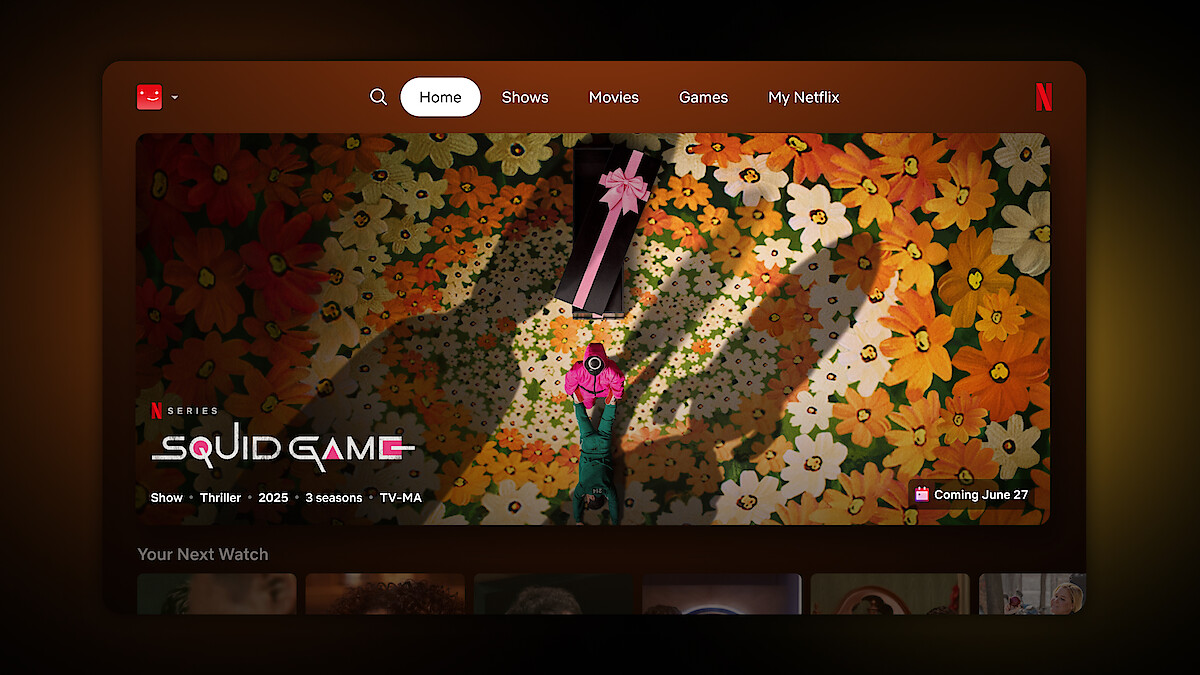
Open Netflix and it feels like freedom, a digital universe filled with thousands of movies, shows, documentaries, and categories that stretch endlessly across your screen, giving the impression that you are in full control of what you watch and when you watch it, but this perception is carefully engineered, because what you are actually seeing is not the full Netflix library but a filtered, calculated, and highly personalized version of it that has been designed specifically for you based on your past behavior, your clicks, your watch time, your pauses, and even the moments when you hesitate before choosing something, and while it appears that you are browsing freely, the reality is that Netflix has already done most of the decision-making before you even touch the screen, shaping your experience in ways that are subtle yet incredibly powerful, creating an illusion of choice while quietly guiding your attention toward specific content that aligns with its own objectives rather than purely your curiosity or taste.
The Algorithm Is the Real Director

At the core of Netflix lies a sophisticated recommendation system powered by machine learning models that continuously analyze massive amounts of user data in real time, and this system does far more than simply suggest content you might like, it actively determines what you are most likely to click on next and prioritizes those options above everything else, effectively turning the algorithm into the true director of your viewing experience, because every row, every thumbnail, every ranking is dynamically generated and rearranged to maximize engagement, meaning that two users sitting next to each other can open Netflix and see completely different worlds tailored to their individual behavioral profiles, and this level of personalization extends even to the artwork itself, where Netflix tests multiple thumbnail variations for the same show and selects the one you are statistically most likely to click, transforming what appears to be a neutral interface into a highly optimized persuasion system that continuously learns from your actions and refines its predictions with every interaction.
Personalization vs Manipulation
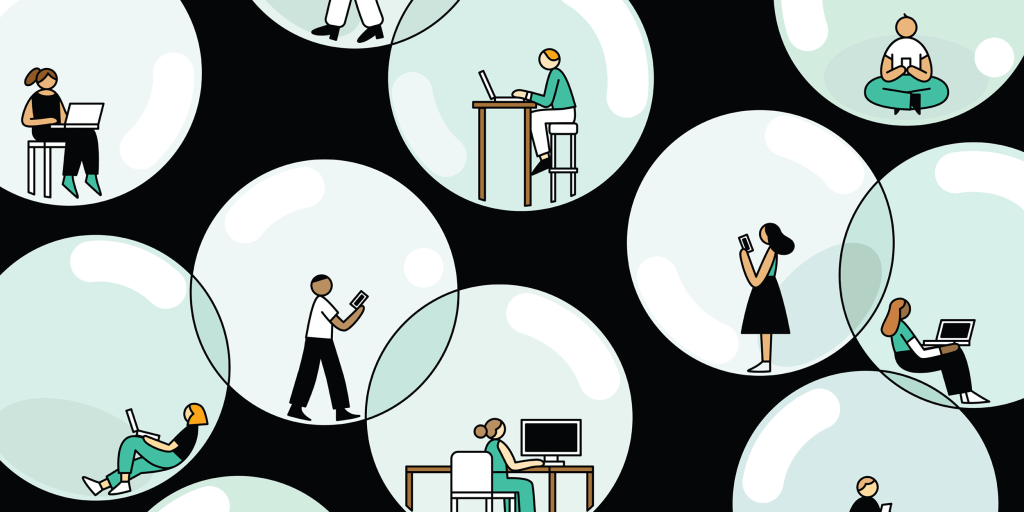
While Netflix presents this system as personalization designed to enhance user experience and reduce decision fatigue, the distinction between helpful recommendation and subtle manipulation becomes increasingly blurred when the algorithm begins to limit exposure rather than expand it, because instead of showing you a diverse range of content that could broaden your interests, the system often prioritizes what it believes will keep you engaged immediately, which results in a narrowing of your viewing habits over time, where you are repeatedly exposed to similar genres, tones, and storytelling patterns, creating a feedback loop in which your past behavior defines your future options, and anything that falls outside this predictive model becomes less visible or disappears entirely from your interface, effectively creating a controlled environment where discovery is constrained and exploration is replaced by optimization.
The Psychology of Endless Watching

Netflix is not just a content platform but a carefully designed behavioral ecosystem that leverages psychological principles to maximize user retention, incorporating features such as auto-play previews, seamless episode transitions, and infinite scrolling that eliminate natural stopping points and reduce friction between one piece of content and the next, encouraging continuous consumption without conscious decision-making, and this design creates a powerful engagement loop in which the algorithm predicts your next action, presents it at the optimal moment, and reinforces the behavior once you follow through, gradually conditioning your viewing habits so that what feels like spontaneous choice is actually the result of repeated exposure to algorithmically selected options, making it increasingly difficult to distinguish between what you genuinely want to watch and what you have been subtly guided toward.
Content Is Now Built for the Algorithm

The influence of the algorithm extends beyond what you watch into what gets created in the first place, as Netflix relies heavily on data-driven insights to determine which projects are worth investing in, analyzing metrics such as completion rates, viewer retention curves, audience segmentation, and regional preferences to guide production decisions, which means that content is increasingly designed not just for storytelling or artistic expression but for performance within the algorithmic system, leading to a noticeable pattern where many shows share similar pacing, structure, and hooks optimized to capture attention quickly and maintain engagement throughout, because in a platform where success is measured by how long viewers stay and how consistently they return, creativity is often shaped by data constraints, resulting in a new form of entertainment that is engineered as much as it is created.
Are You Still in Control?
This does not mean that Netflix forces you to watch anything against your will, but it does mean that your choices are being framed, filtered, and influenced in ways that are largely invisible, raising an important question about the nature of control in a digital environment where options are curated rather than presented in full, because when the system decides what you see first, what stands out visually, and what remains hidden, it effectively shapes your perception of what is available, and in doing so, it guides your decisions without ever needing to impose them directly, which makes the experience feel natural even though it is deeply structured.
Breaking the Algorithm Loop
4
Regaining control over your viewing experience requires intentional effort, because the algorithm thrives on predictability and passive behavior, so breaking the loop means actively disrupting those patterns by searching for content manually instead of relying on the homepage, exploring genres you would not عادة choose, turning off auto-play features to reintroduce decision points, and using external sources such as film blogs, online communities, or critic recommendations to discover content beyond the platform’s curated environment, allowing you to expand your exposure and challenge the algorithm’s assumptions about your preferences.
Final Thought

Netflix does not need to control you explicitly to influence your behavior, because in a world of overwhelming content abundance, the real power lies in determining what you see, what you notice, and what you never encounter, and by subtly guiding your attention, shaping your habits, and optimizing every interaction for engagement, the platform transforms entertainment into a system of controlled discovery where freedom exists within boundaries that are constantly being defined and refined by data, making it essential to question not just what you are watching, but how you arrived there in the first place.