






















When Games Stopped Being Products
There was a time when you could buy a game, install it, and own the experience completely, with no internet connection required, no updates waiting in the background, and no external systems controlling how or when you played, but that model is quietly disappearing as modern games shift from standalone products into connected services, where access, content, and functionality are increasingly tied to online infrastructure, meaning that what you once owned is now something you temporarily access, and the idea of an “offline game” is becoming less relevant in an industry that prioritizes continuous engagement, real-time updates, and long-term monetization over fixed, self-contained experiences.
Always Online, Even When You Play Alone
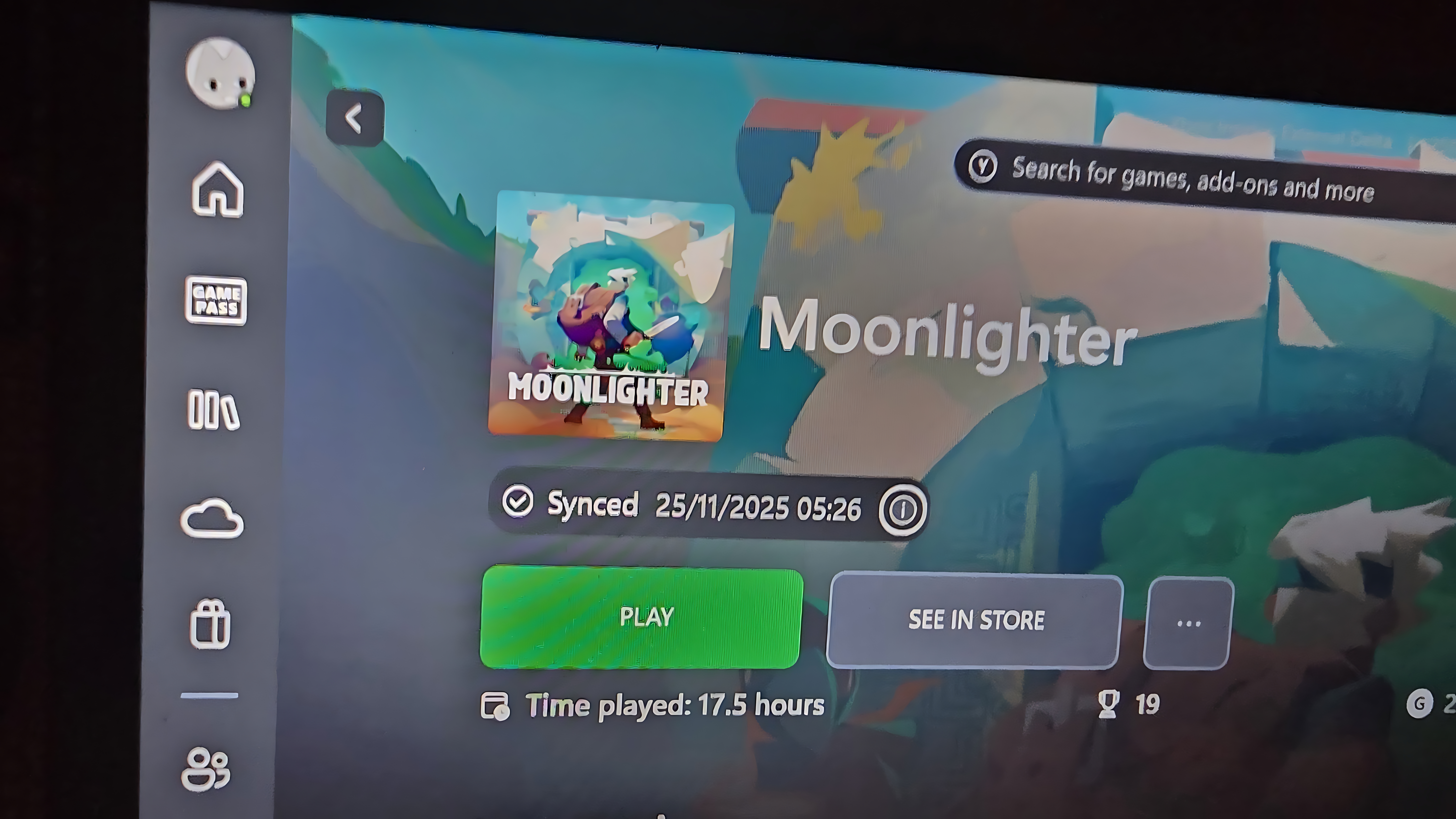
Even single-player games are increasingly requiring a constant internet connection, not because the gameplay itself depends on other players, but because the systems surrounding it do, including digital rights management, cloud saves, telemetry tracking, and live content delivery, and this creates a situation where your ability to play is no longer entirely under your control, because access can be restricted by server issues, authentication failures, or even decisions made by publishers, turning what should be a personal, offline experience into one that is dependent on external systems that you cannot influence.
The Rise of Live-Service Design
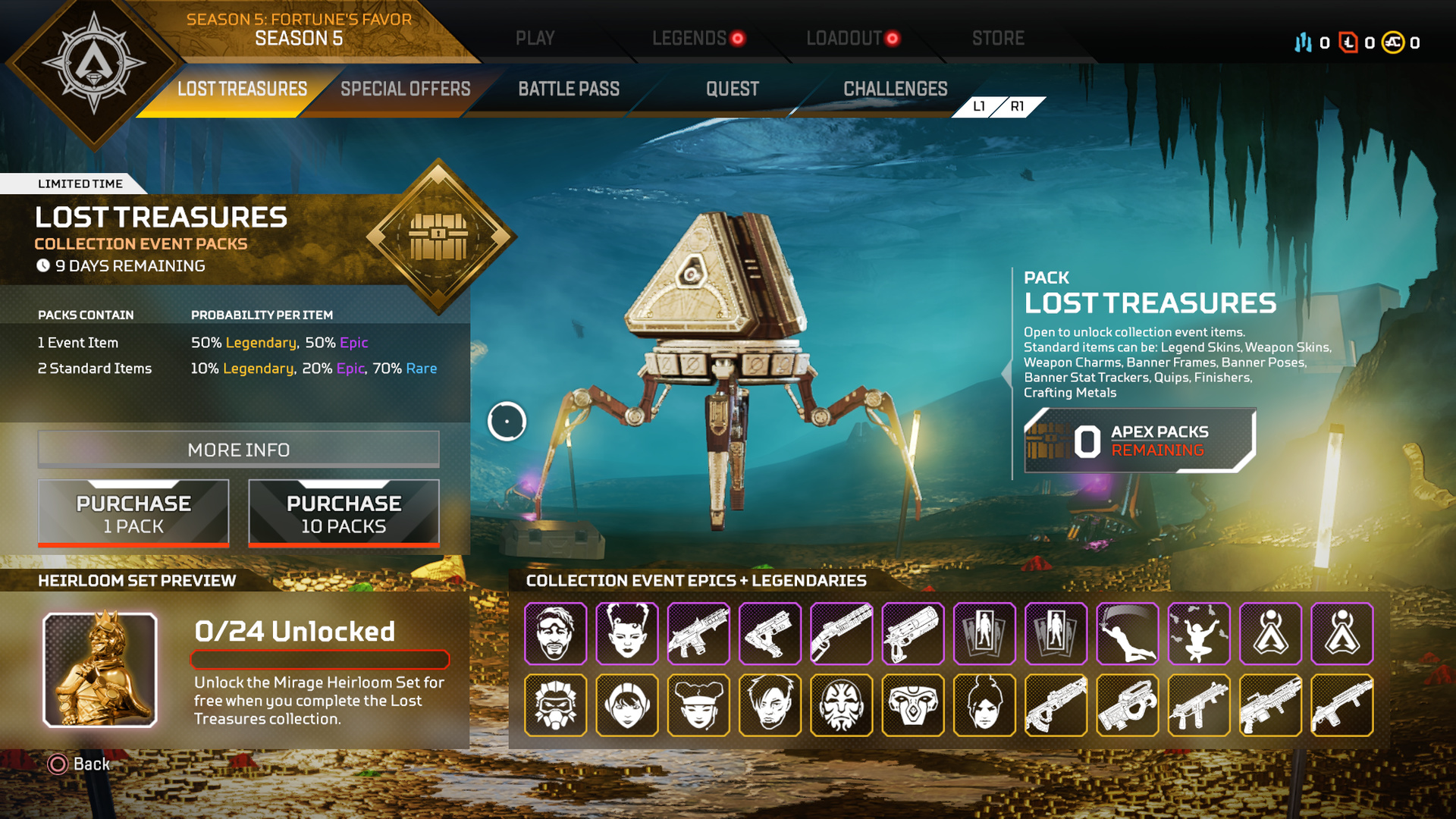
The growth of live-service games has accelerated this shift, introducing models where content is continuously updated through seasons, events, and expansions that keep players engaged over long periods of time, and while this approach can create dynamic and evolving experiences, it also fundamentally changes how games are structured, because they are no longer designed to be completed but to be maintained, encouraging players to return regularly to avoid missing limited-time rewards, and transforming gameplay into an ongoing relationship rather than a finite journey with a clear beginning and end.
Ownership Is Becoming Access
As subscription services and cloud gaming platforms continue to grow, the concept of ownership is being replaced by access, where players pay for entry into a rotating library of content rather than purchasing individual titles outright, and while this model offers convenience and variety, it also means that games can disappear without notice, licenses can expire, and access can be revoked, reinforcing the idea that players no longer truly own the games they engage with, but instead participate in a system where availability is controlled by platform providers and publishers.
Games That Evolve — and Expire
Unlike traditional offline games that remain playable indefinitely, many modern titles are tied to servers that can eventually be shut down, rendering them partially or completely inaccessible, and this introduces a new kind of impermanence into gaming where experiences are not preserved but phased out, replaced, or updated beyond recognition, meaning that the version of a game you once played may no longer exist in its original form, and in some cases may not exist at all, highlighting a fundamental shift from games as lasting artifacts to games as evolving, and sometimes temporary, digital services.
Convenience vs Control
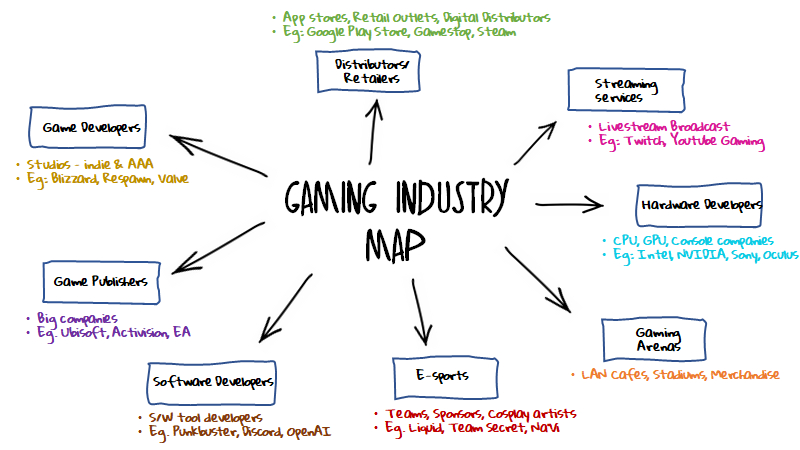
This transformation is not entirely negative, because always-online systems enable features that were previously impossible, including seamless updates, cross-platform play, social integration, and dynamic content delivery, but these benefits come at the cost of control, as players trade ownership and independence for convenience and connectivity, and while many accept this trade-off without question, it raises important considerations about long-term access, preservation, and the ability to engage with games on your own terms rather than within the constraints of a managed ecosystem.
The Future: No Such Thing as Offline
Looking ahead, the trajectory is clear, as advancements in cloud computing, artificial intelligence, and network infrastructure continue to push gaming toward fully connected environments where offline modes become increasingly rare or even obsolete, and in this future, games are not files you install but services you access, not experiences you own but systems you participate in, and while this evolution opens the door to richer and more dynamic forms of entertainment, it also marks the quiet end of an era where games belonged entirely to the player.
Final Thought
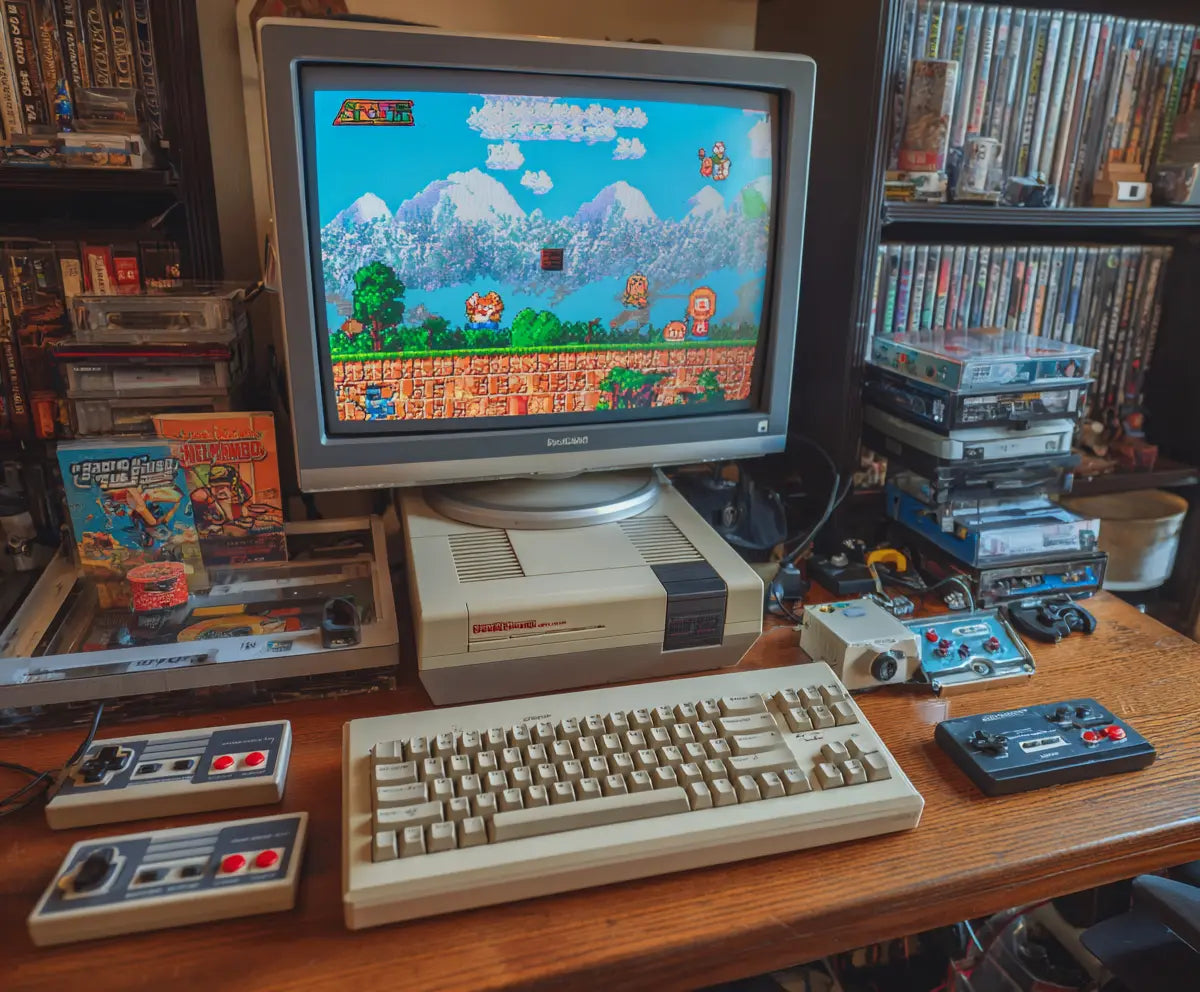
Offline games are not disappearing overnight, but they are becoming increasingly rare in a landscape dominated by connectivity, data, and ongoing engagement, and as the industry continues to evolve, the question is not whether offline gaming will survive, but whether players will continue to value the kind of independence and permanence it represents in a world that is steadily moving toward always-on, always-connected experiences where control is shared, and sometimes surrendered, to the systems that power them.