
























For more than a decade, the creative software industry has largely been dominated by Adobe and its Creative Cloud ecosystem. But a new challenger is emerging from within the hardware giant Apple.
With the launch of Apple Creator Studio and recent acquisitions such as MotionVFX, Apple is increasingly positioning its software ecosystem as a direct alternative to Adobe’s creative tools. The battle between these two technology giants could reshape how millions of creators produce videos, design graphics, edit photos, and make music.
Apple’s Creator Studio Challenges Adobe’s Ecosystem
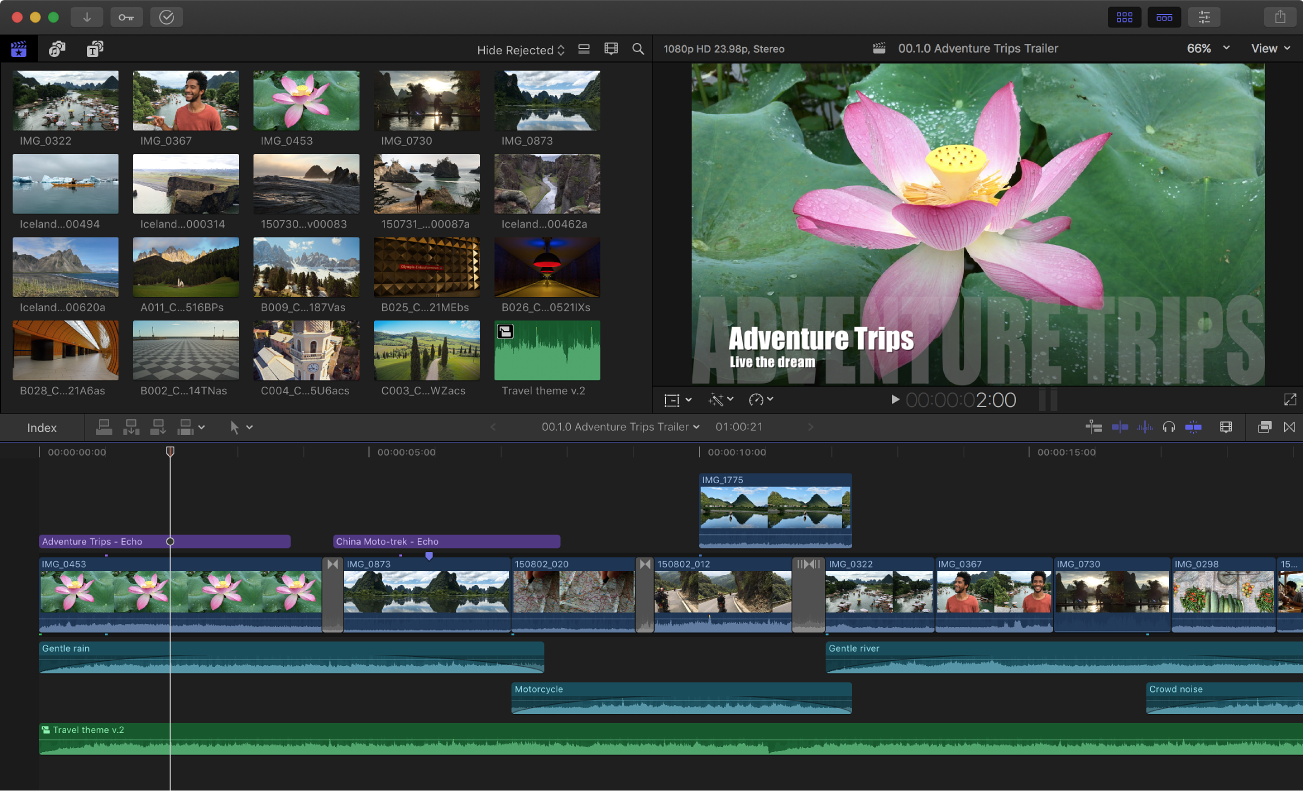
In early 2026, Apple introduced Creator Studio, a subscription bundle that combines several professional creative applications into one platform. The bundle includes:
- Final Cut Pro (video editing)
- Logic Pro (music production)
- Pixelmator Pro (image editing)
- Motion (motion graphics)
- Compressor (video exporting)
- MainStage (live music performance tools)
The subscription costs $12.99 per month or $129 per year, giving creators access to a complete creative workflow across video, audio, and visual production tools.
The strategy clearly mirrors Adobe’s Creative Cloud model, which bundles applications such as Premiere Pro, Photoshop, After Effects, and Illustrator under a subscription platform.
However, Apple’s pricing is significantly lower, potentially making it attractive for independent creators and small production teams.
Adobe Still Dominates Professional Creative Workflows
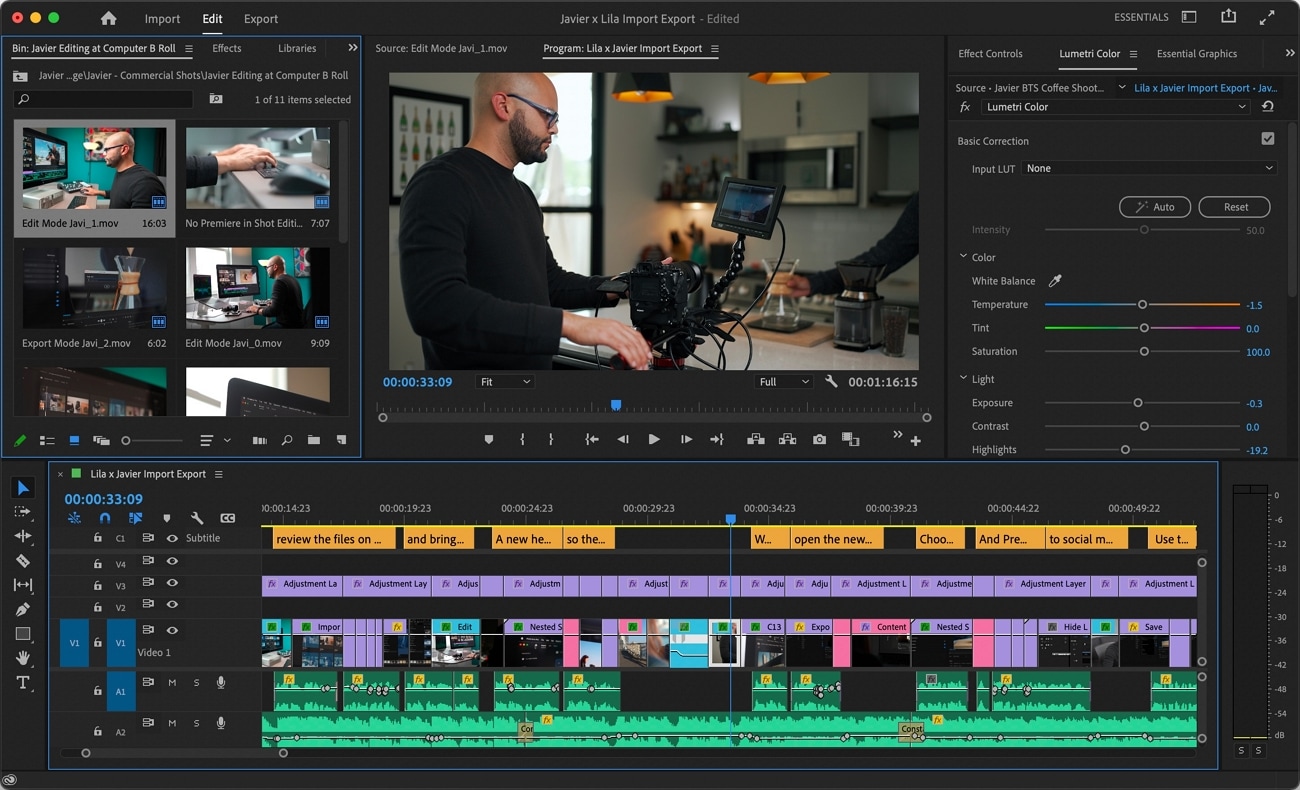
Despite Apple’s growing ambitions, Adobe remains the industry standard for many creative professionals.
Applications such as Premiere Pro, Photoshop, After Effects, and Illustrator have become deeply embedded in professional workflows, especially in film production, advertising, and graphic design.
Premiere Pro alone holds around 35% of the video editing software market, compared with roughly 25% for Final Cut Pro, Apple’s flagship editing software.
Adobe also benefits from a tightly integrated ecosystem. Tools like After Effects, Audition, and Frame.io connect seamlessly with Premiere Pro, enabling complex production pipelines used by studios, agencies, and broadcasters.
Apple’s Advantage: Hardware + Software Integration

Where Apple could gain an edge is through its tightly integrated hardware and software ecosystem.
Apple controls the entire creative pipeline across its devices:
- Mac computers powered by Apple Silicon
- iPad with Apple Pencil for digital art
- iPhone cameras for professional video capture
- integrated creative apps optimized for Apple hardware
Because Apple designs both the hardware and the software, it can optimize creative applications to run more efficiently than cross-platform tools.
This approach allows creators to move projects seamlessly across devices while benefiting from performance improvements on Apple’s custom chips.
AI Is the Next Battleground for Creative Tools
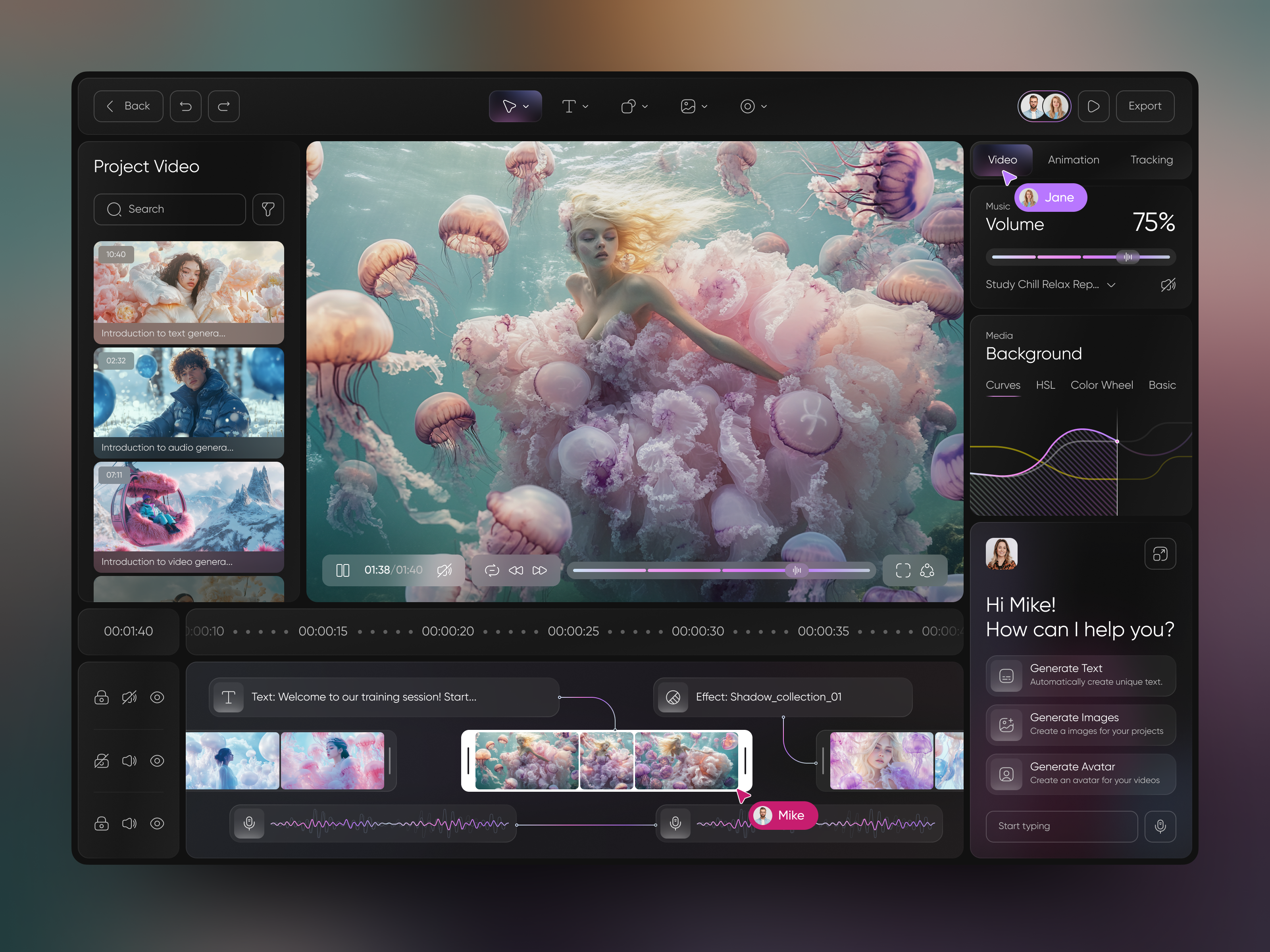
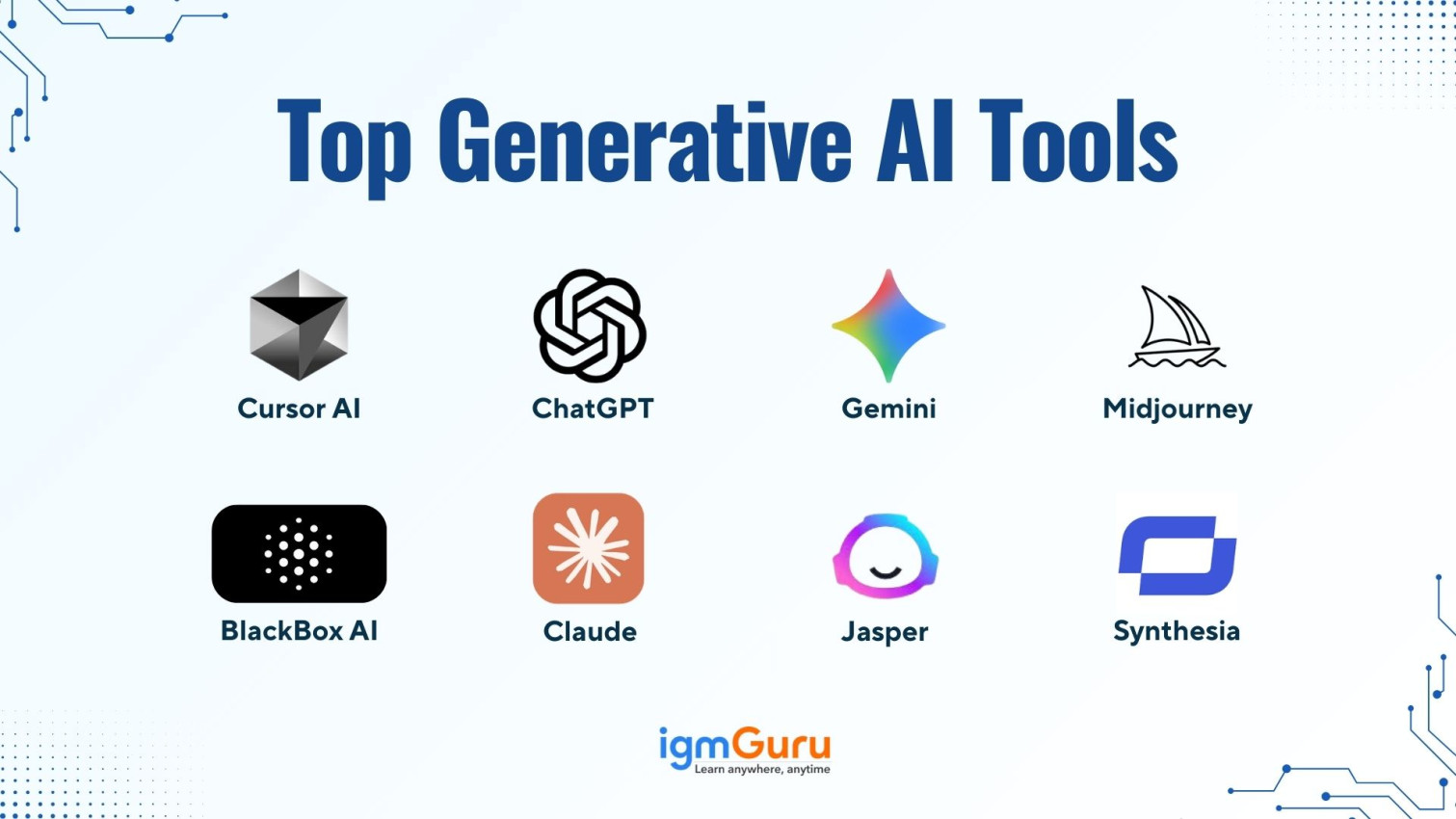
Artificial intelligence is rapidly becoming the most important innovation in creative software.
Both Apple and Adobe are racing to integrate AI-powered tools that can assist creators with tasks such as:
- automatic video editing
- generative graphics
- music composition
- content tagging and search
- automated color grading
Apple has begun adding AI-assisted features across Creator Studio apps, including automated video editing tools and intelligent search capabilities in Final Cut Pro.
Meanwhile, Adobe has been aggressively expanding its Firefly generative AI platform, integrating AI image generation and editing into Photoshop and other Creative Cloud apps.
The Future of the Creator Software Industry
The competition between Apple and Adobe reflects a broader shift in the creative industry.
As content creation becomes central to digital media, social platforms, marketing, and entertainment, software tools for creators are becoming one of the most valuable segments of the technology market.
Apple’s strategy focuses on tight integration, lower pricing, and hardware optimization, while Adobe continues to dominate with its deep professional ecosystem and industry-standard tools.
For creators, the growing competition may ultimately deliver something even more valuable: faster innovation, better AI tools, and more affordable creative software.