




























Artificial intelligence has spent the past few years evolving from a novelty into an essential productivity tool. From generating text and images to assisting with coding and research, AI systems have become deeply embedded in everyday digital workflows.
But in 2026, the technology is entering a new phase—Agentic AI. Unlike traditional AI tools that simply respond to prompts, AI agents can plan tasks, execute actions, and complete workflows autonomously.
This shift marks the beginning of what many experts call the era of digital workers powered by AI.
From Chatbots to Autonomous Agents

Most people first experienced artificial intelligence through chatbots and generative tools. These systems respond to prompts and generate outputs such as text, code, or images.
However, they still rely heavily on human instructions.
Agentic AI represents a fundamental shift.
Instead of waiting for commands, AI agents can:
- Understand a goal
- Break it into smaller tasks
- Execute actions across tools
- Monitor progress
- Adjust strategies automatically
For example, a user could simply ask an AI agent to research a market trend and create a report, and the system would handle the entire process—from collecting data to writing the summary.
Why 2026 Is Becoming the Year of AI Agents
While early AI agents appeared several years ago, the technology lacked reliability and practical applications.
In 2026, several major breakthroughs are accelerating adoption.
More powerful AI models
Modern AI models are significantly better at reasoning and planning. This allows them to manage multi-step workflows rather than single commands.
Integration with external tools
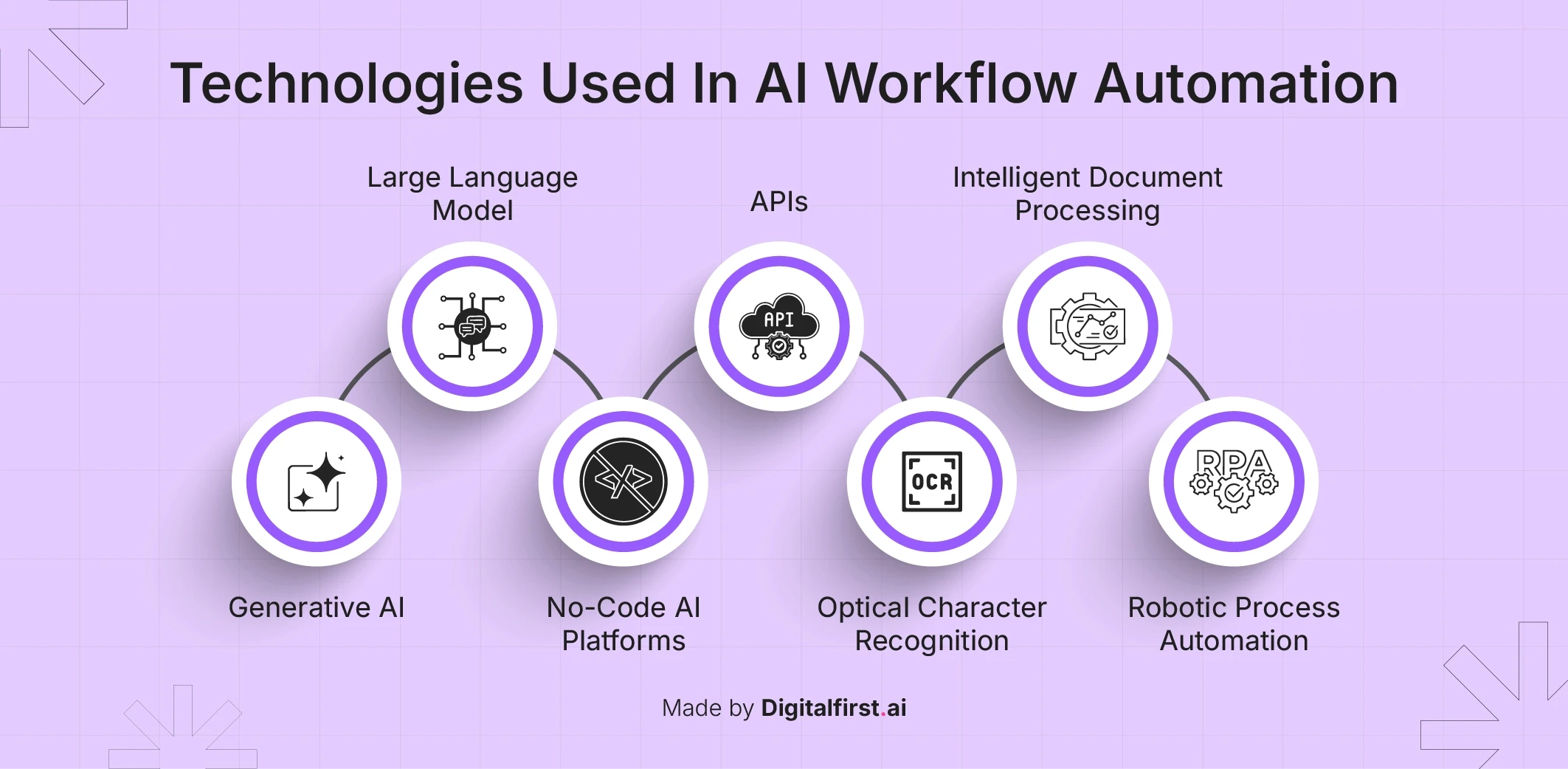
AI systems can now interact with software tools, APIs, and databases. This allows agents to perform actions such as:
- Searching the internet
- Accessing documents
- Running code
- Managing productivity software
Demand for automation
Businesses are constantly looking for ways to increase productivity while reducing operational costs. AI agents can automate repetitive tasks that traditionally require hours of manual work.
Real-World Applications Emerging Today

AI agents are already being tested across multiple industries.
Software Development
Developers are experimenting with AI systems that can analyze codebases, detect bugs, and generate new features automatically.
Research and Data Analysis
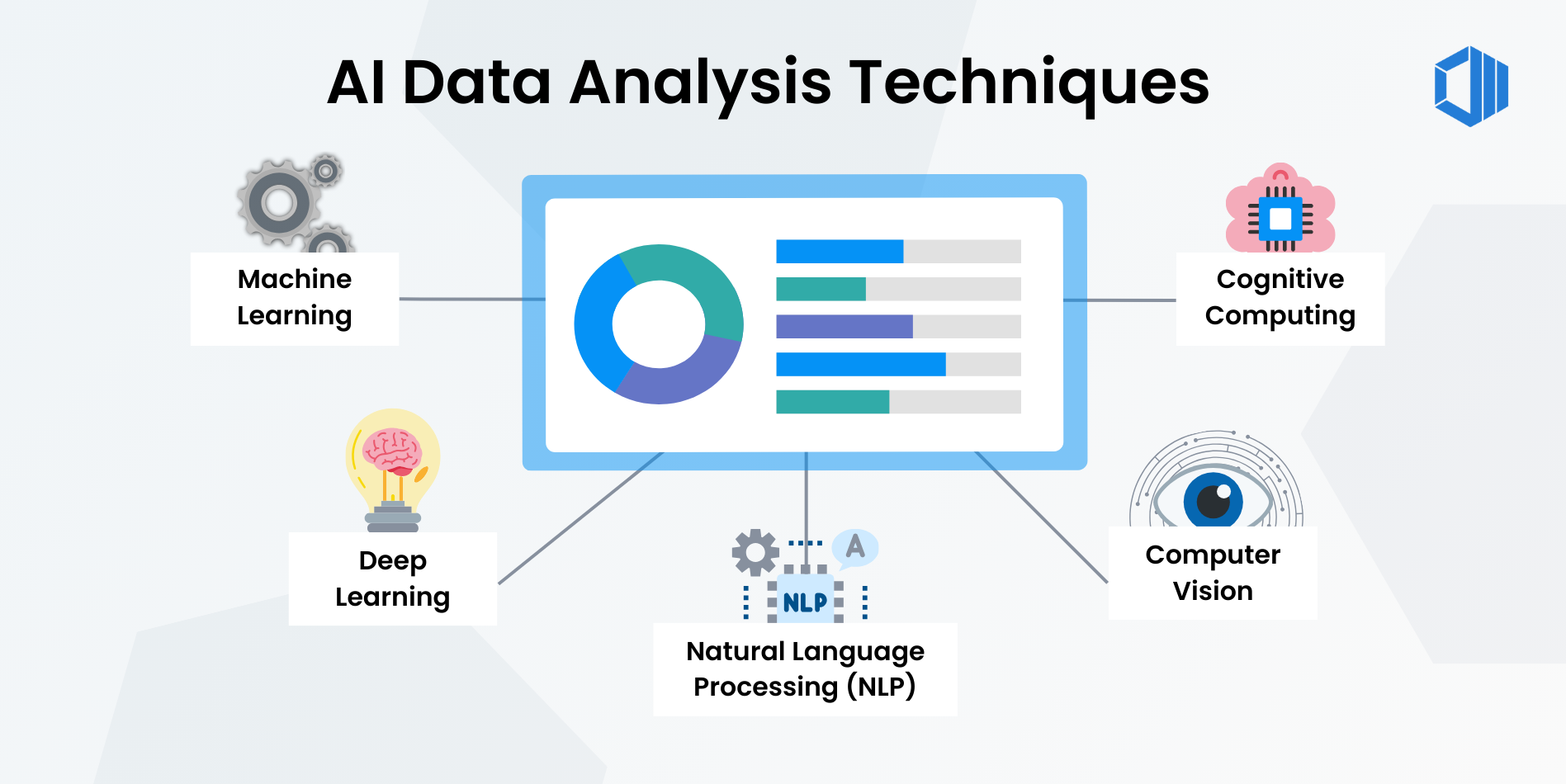
AI agents can collect information from multiple sources, organize it, and summarize key insights.
Content Creation
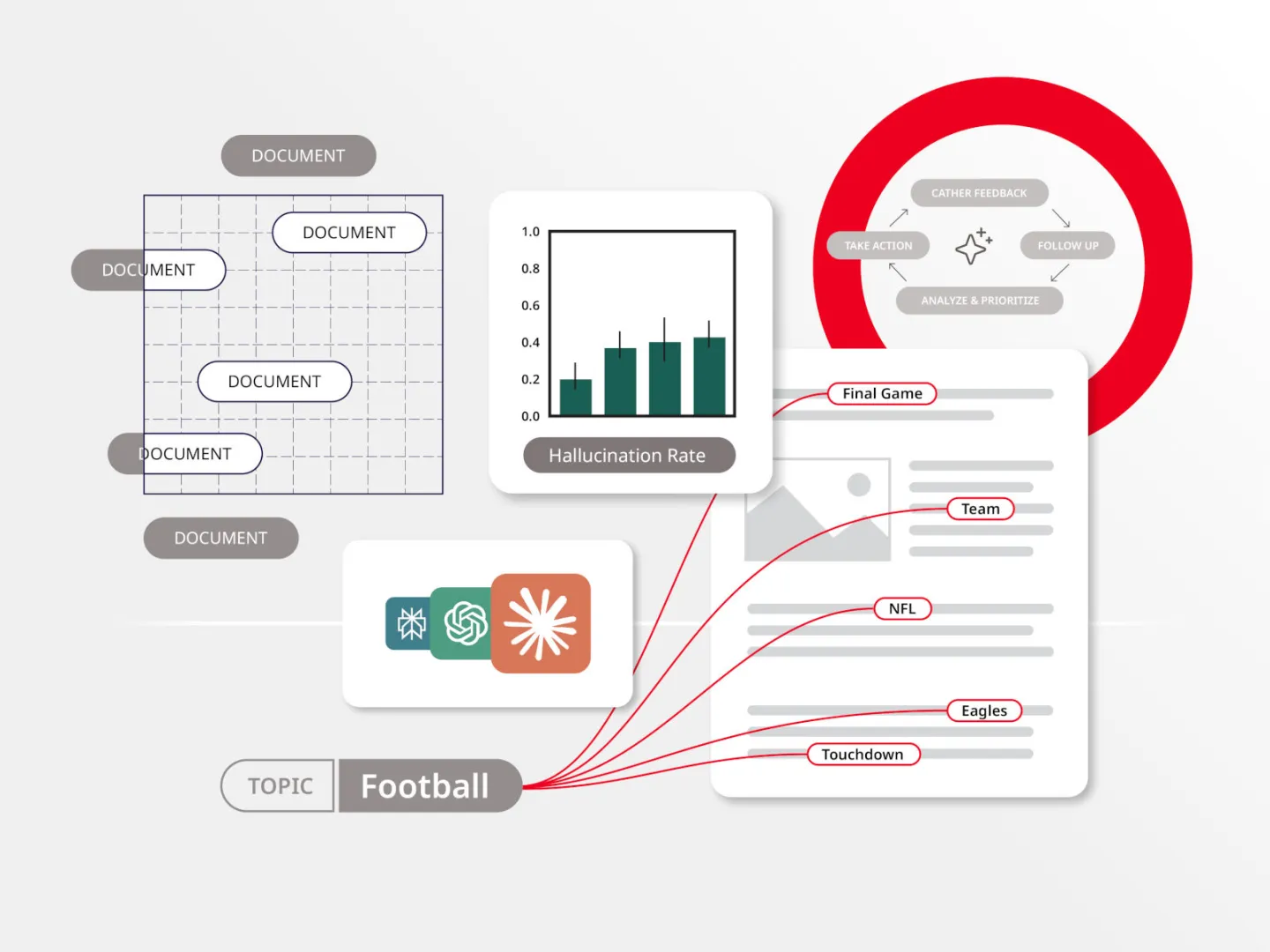
In digital media, AI agents can assist writers by researching topics, generating outlines, and drafting articles.
Customer Support
Companies are also exploring AI systems that can handle customer support tickets from start to finish.
Opportunities for Businesses and Creators

The emergence of agentic AI creates several opportunities.
Increased productivity
AI agents can complete repetitive digital tasks quickly, allowing humans to focus on strategic work.
Cost efficiency
Automation can significantly reduce operational costs for companies.
Scalable operations
Organizations can deploy multiple AI agents simultaneously, enabling teams to scale their output without hiring additional staff.
For creators and independent professionals, AI agents may function as a virtual team of assistants.
The Future of Digital Work

The rise of agentic AI marks a major turning point in the evolution of artificial intelligence.
Instead of acting purely as tools, AI systems are beginning to function more like collaborators capable of executing complex assignments.
In the coming years, professionals may work alongside networks of AI agents that assist with research, planning, and execution.
The age of autonomous digital workers has officially begun—and its impact on the future of work is only starting to unfold.