























For years, eating healthy has been framed as a discipline problem. Count your calories, follow a strict plan, stay consistent. But for most people, the real issue isn’t discipline—it’s clarity.
We don’t always know what we’re eating.
Portion sizes are misleading. Ingredients are hidden. Nutrition labels are confusing. And even when we try to “eat better,” the process often feels like guesswork.
That’s exactly where AI is starting to change the equation.
In 2026, nutrition is no longer just about willpower. It’s about information—delivered instantly, personalized continuously, and integrated into your daily life without friction.
From Guessing to Knowing
Traditionally, tracking what you eat has been tedious. Logging meals manually, estimating portions, searching databases—it’s a process most people abandon after a few days.
AI removes that friction.
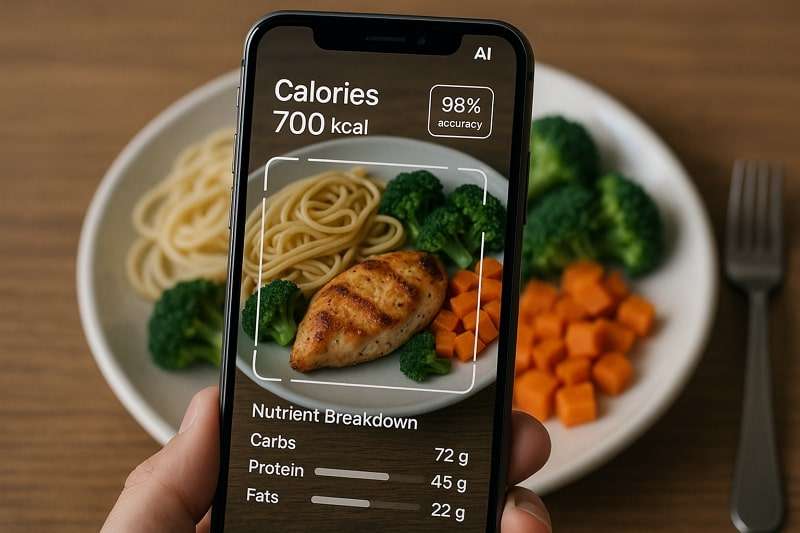
With camera-based recognition, you can point your phone at a meal and instantly receive a breakdown of calories, macronutrients, and even ingredient-level insights. No typing, no guessing, no manual tracking.
It turns nutrition from something you manage into something that simply happens in the background.
And that changes how consistent you can actually be.
Personalization Over Generic Diets
Most diets fail for one simple reason—they’re not built for you.
They’re generic. One-size-fits-all plans that don’t consider your lifestyle, your preferences, or your habits. What works for one person often doesn’t work for another.
AI changes that by learning from your behavior.
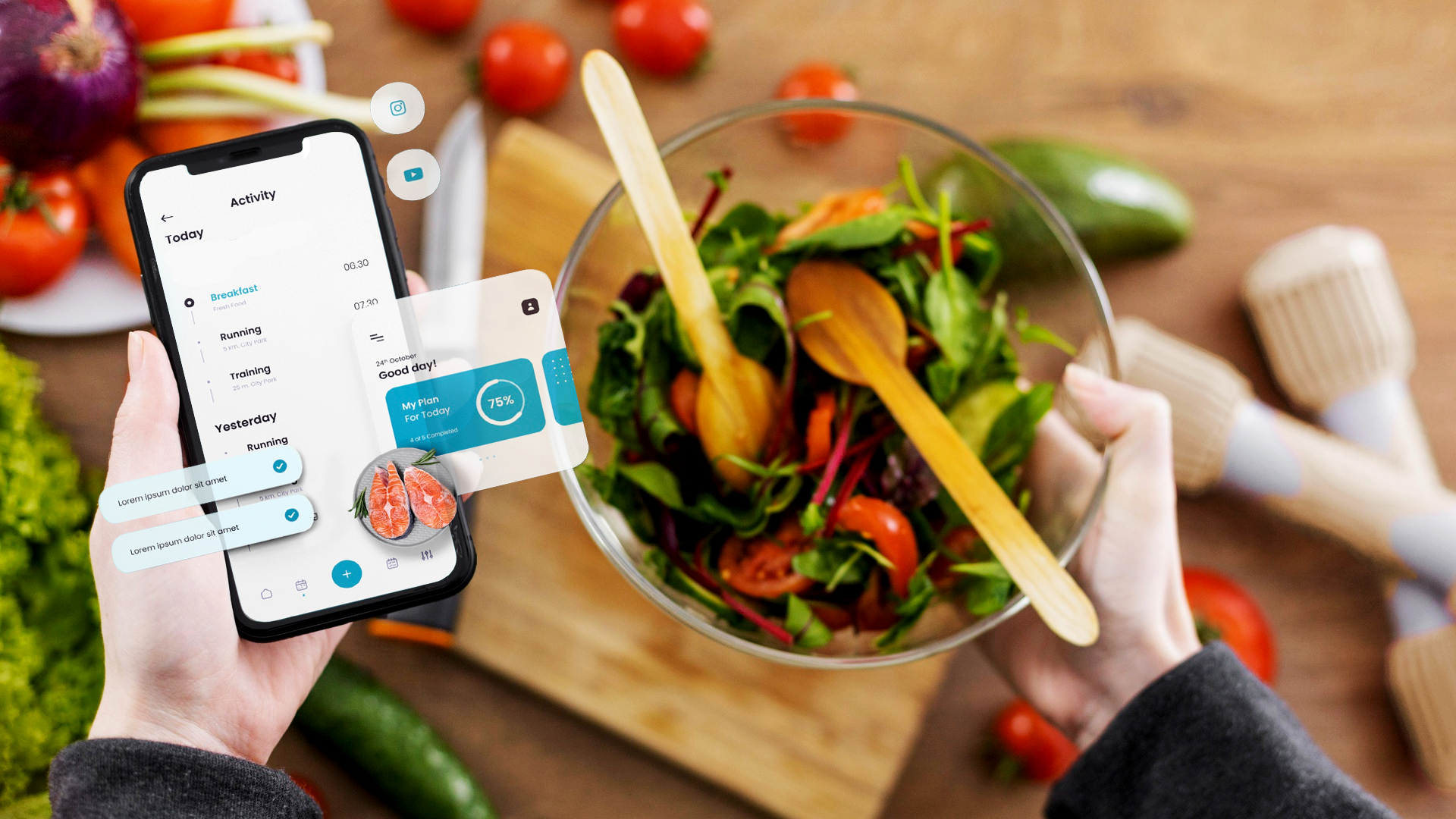
It tracks what you eat, when you eat, how your body responds, and what your goals are. Over time, it builds a model that can recommend meals, adjust portion sizes, and suggest changes that actually fit your life.
Instead of forcing you to follow a plan, the plan adapts to you.
Eating in Real Time
Perhaps the biggest shift is when decisions happen.
Traditional nutrition planning is often done in advance—meal prep, weekly plans, structured diets. But real life doesn’t always follow a schedule. You eat out, grab something quickly, or make decisions in the moment.
AI brings nutrition into those moments.
It can suggest healthier alternatives while you’re ordering, adjust your daily intake based on what you’ve already eaten, and help you stay on track without requiring perfect planning.
Nutrition becomes flexible, not rigid.
Beyond Calories: A Smarter Understanding of Food
Calories are only part of the story.
AI is beginning to go deeper—analyzing micronutrients, patterns, and even how your body responds to specific foods. Some systems integrate with health data, tracking things like energy levels, sleep quality, or blood sugar response.
This creates a more complete picture of nutrition.
Food is no longer just fuel. It becomes data—something that can be understood, optimized, and improved over time.
The Shift From Control to Awareness

What’s interesting is that AI doesn’t necessarily make nutrition stricter.
In many cases, it makes it more relaxed.
When you have better awareness, you don’t need to control everything. You can make informed decisions without obsessing over every detail. You understand patterns instead of reacting to individual meals.
The result is not just better eating—but a healthier relationship with food.
Final Thought
Nutrition has always been personal. But until now, we haven’t had tools that could truly reflect that.
AI is changing how we understand what we eat, how we choose it, and how it affects us over time. It removes guesswork, reduces friction, and replaces rigid rules with adaptive guidance.
Because in the end, eating better isn’t about being perfect.
It’s about making better decisions—consistently, and without overthinking it. 🥗