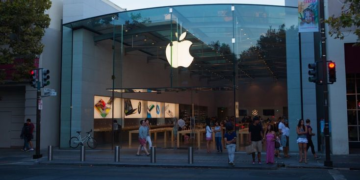

























Apple Inc. marks its 50th anniversary as one of the most influential companies in modern history. What began in 1976 as a small project between Steve Jobs and Steve Wozniak has evolved into a global powerhouse that reshaped personal computing, mobile technology, and digital ecosystems.
From the Apple I to the iPhone, Apple has consistently defined how consumers interact with technology — blending hardware, software, and services into a tightly integrated experience.
Humble Beginnings: The Birth of Apple

In 1976, Wozniak designed a simple computer circuit board intended for hobbyists. Jobs recognized its commercial potential, leading to the creation of the Apple I.
This moment marked the foundation of a company that would later:
- Pioneer the personal computer revolution
- Make technology accessible to everyday users
- Establish Silicon Valley’s startup culture blueprint
Reinventing Industries: From Mac to iPhone

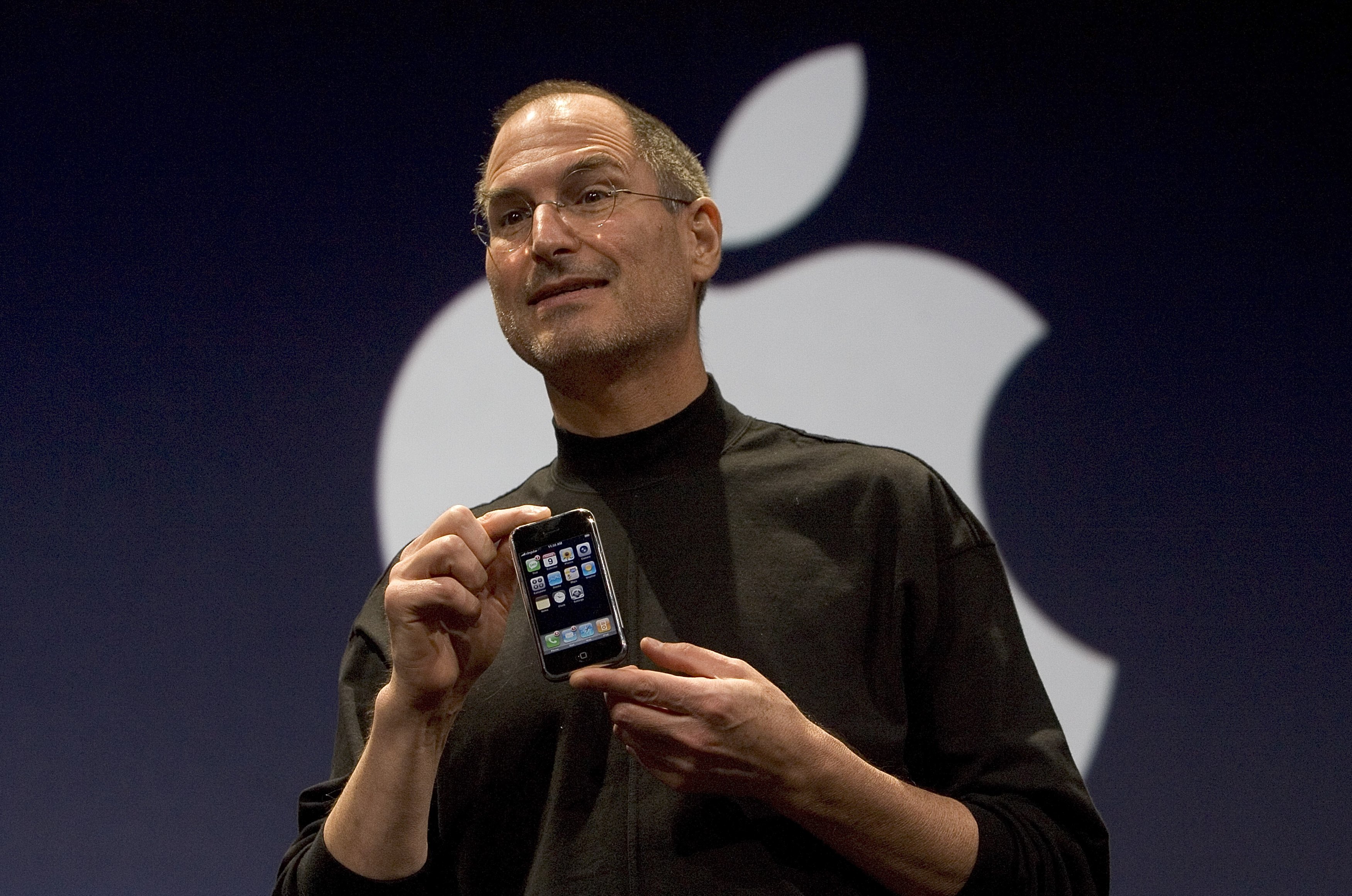
Apple’s journey is defined by category-defining products:
- Macintosh (1984): Brought graphical user interfaces to the mainstream
- iPod (2001): Revolutionized digital music consumption
- iPhone (2007): Redefined smartphones and mobile computing
- Vision Pro (2023): Signals Apple’s ambition in spatial computing
Each product did more than succeed commercially — it reshaped entire industries.
The Power of Integration
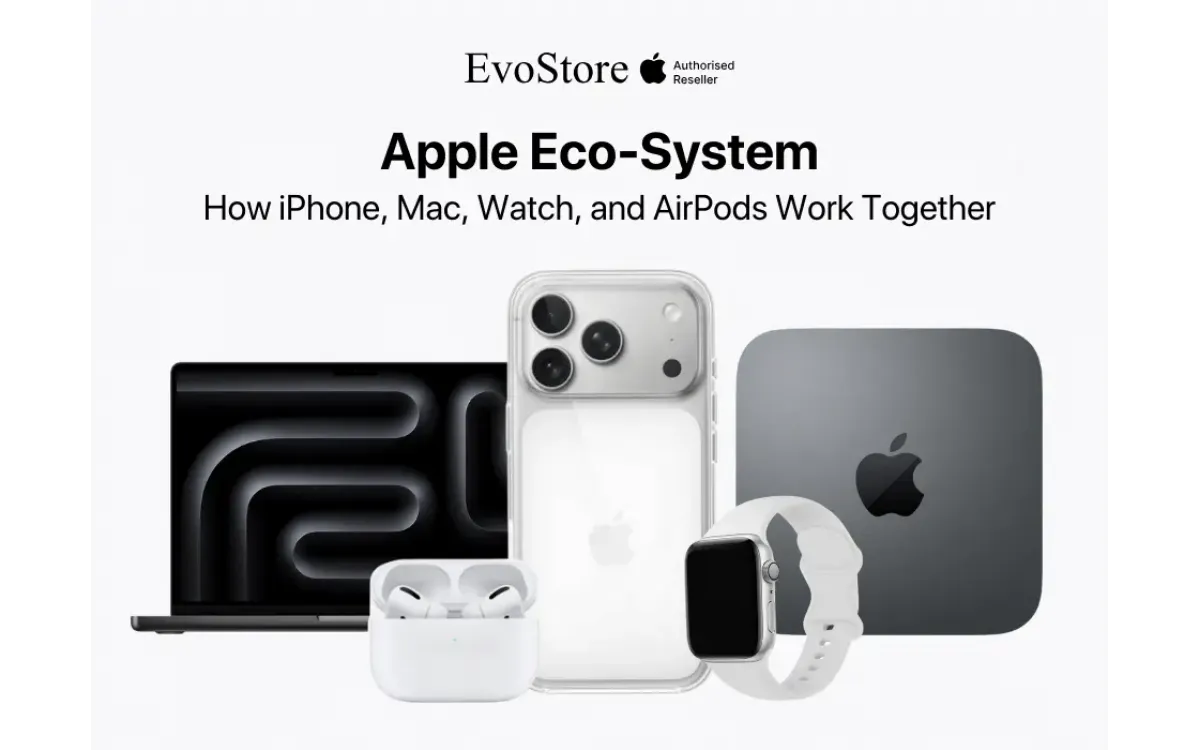
One of Apple’s greatest strengths lies in its integrated ecosystem.
Unlike many competitors, Apple controls:
- Hardware design
- Operating systems
- Chips (Apple Silicon)
- Services and distribution
This vertical integration allows Apple to deliver:
- Seamless user experiences
- Strong performance optimization
- High customer loyalty
It is also a key reason why Apple has faced limited direct competition for decades.
Financial Growth and Market Dominance
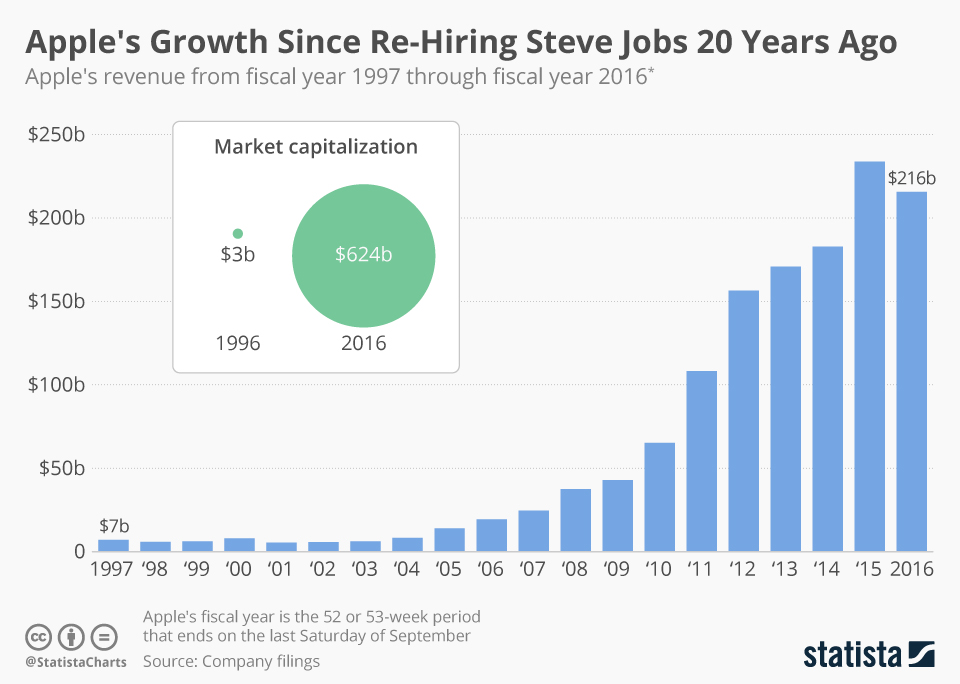

Apple’s financial trajectory reflects its strategic success.
- Went public in 1980
- Stock surged significantly after the iPhone era
- Expected annual revenue approaching $465 billion
Its growth has been driven by:
- Strong iPhone demand
- Expansion of Mac powered by M-series chips
- A rapidly growing services segment
Today, Apple stands among the most valuable companies globally.
Services: The New Growth Engine
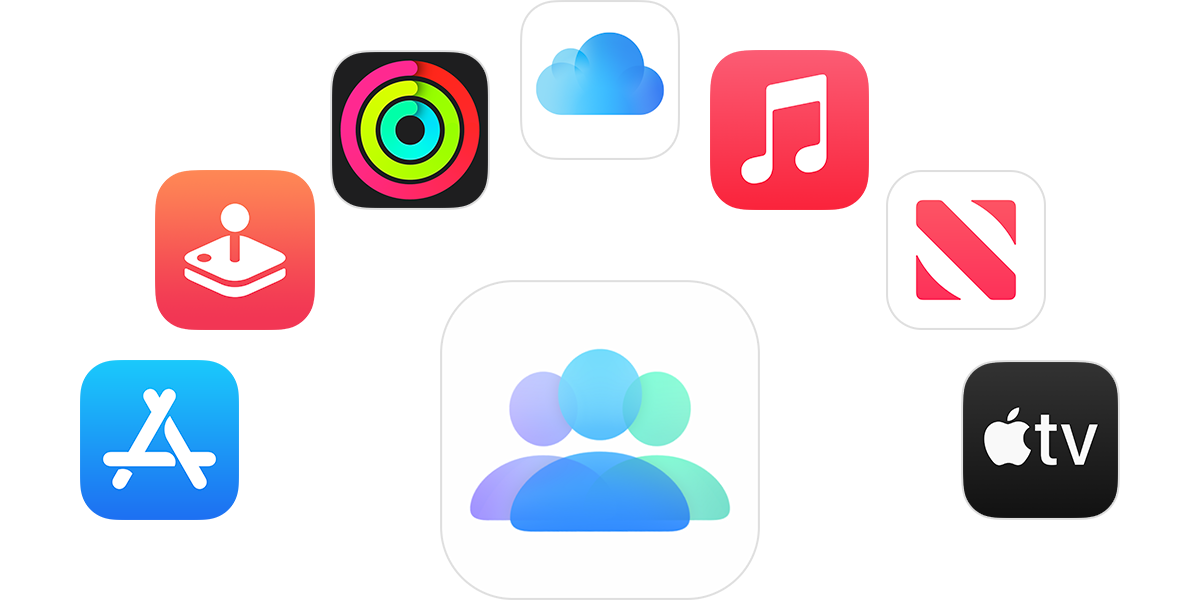
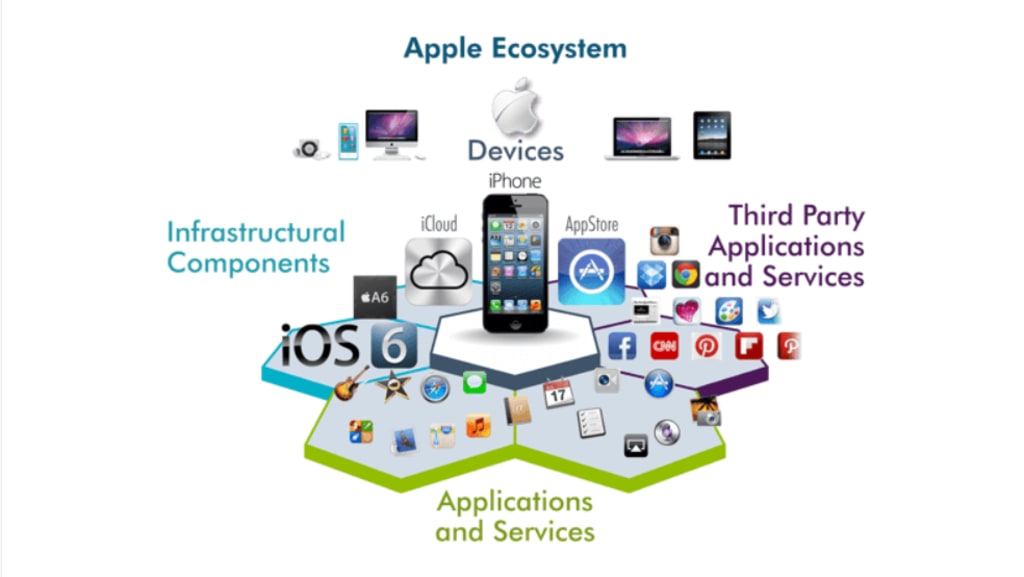
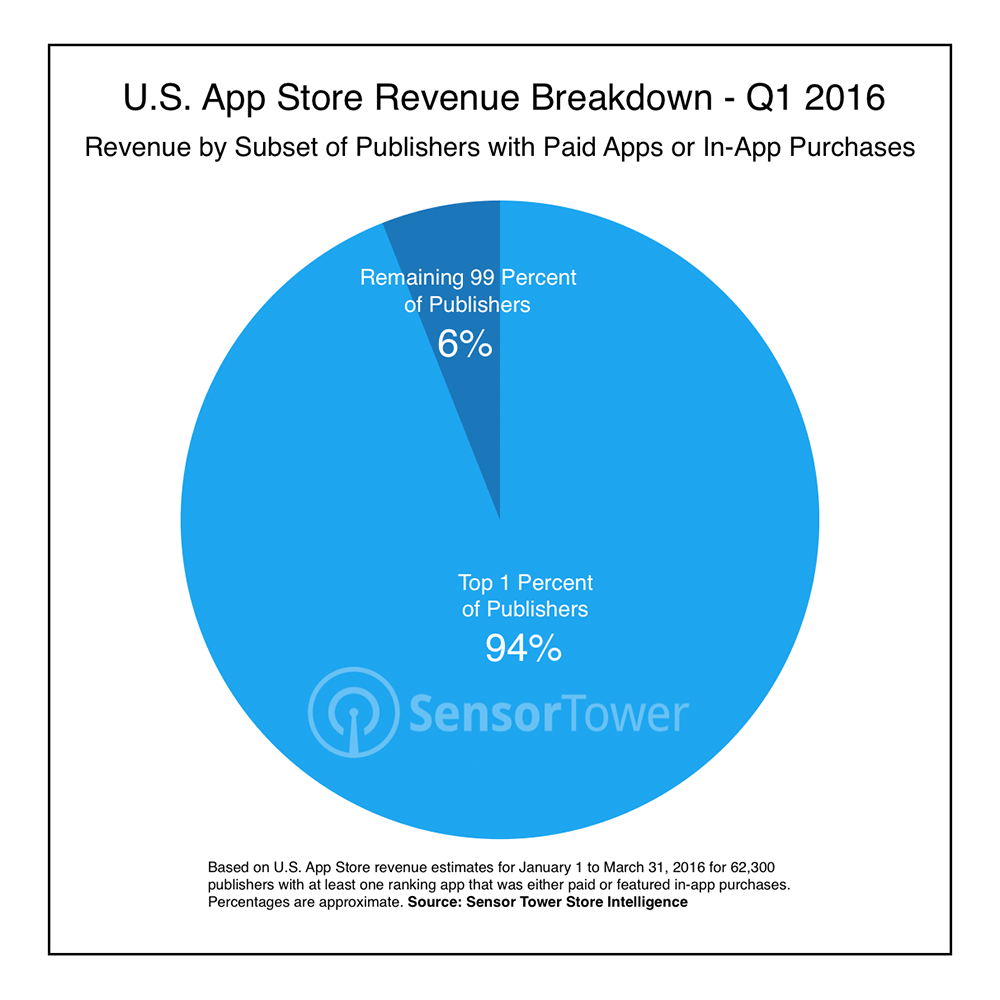
Beyond hardware, Apple has built a powerful services ecosystem, including:
- App Store
- Apple Music
- Apple TV+
This segment generates recurring revenue through:
- Subscriptions
- App commissions
- Digital content
It has become a critical pillar of Apple’s long-term growth strategy, while also sparking industry debates around platform control and competition.
Global Expansion: China and Emerging Markets
4
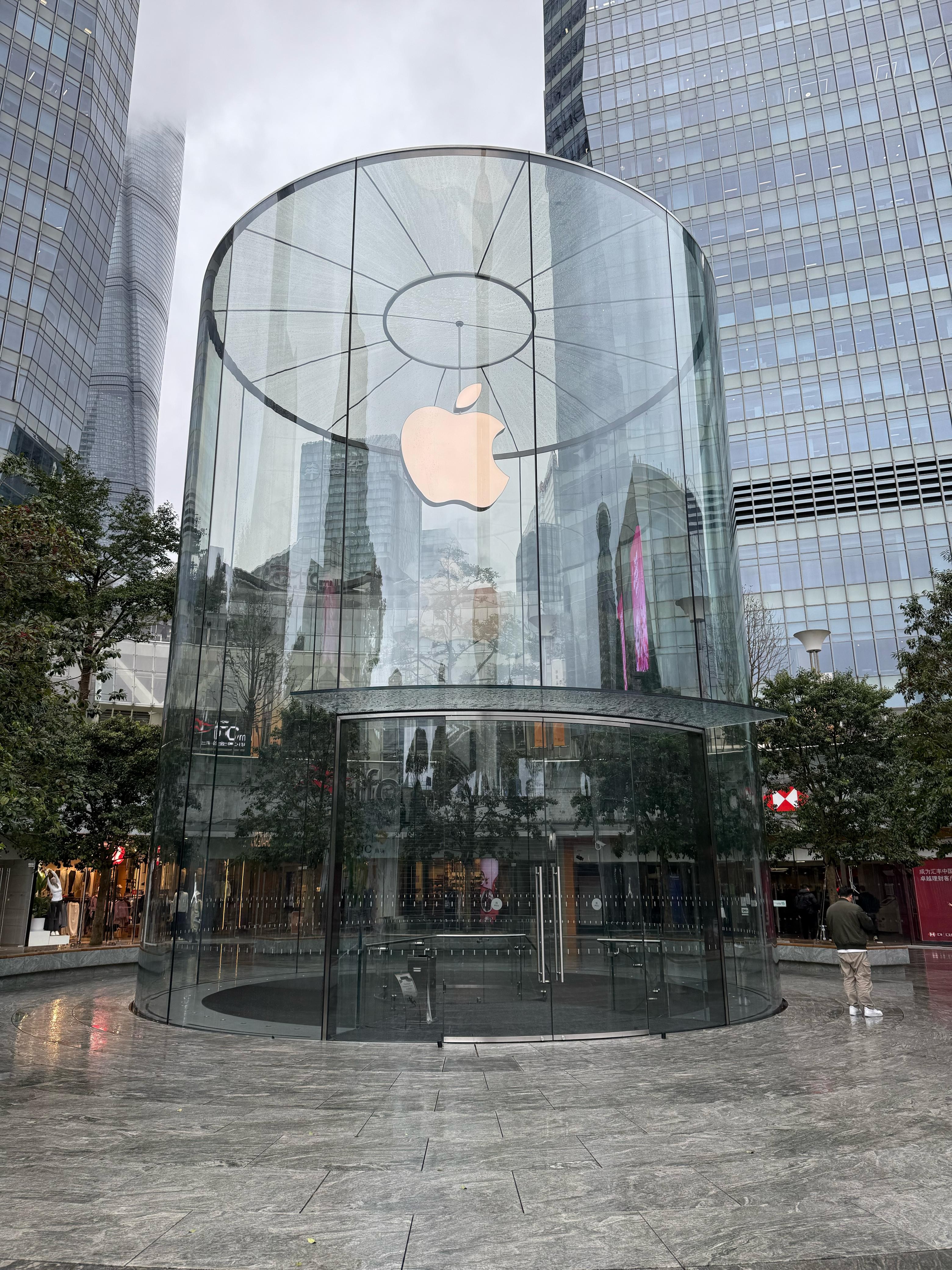
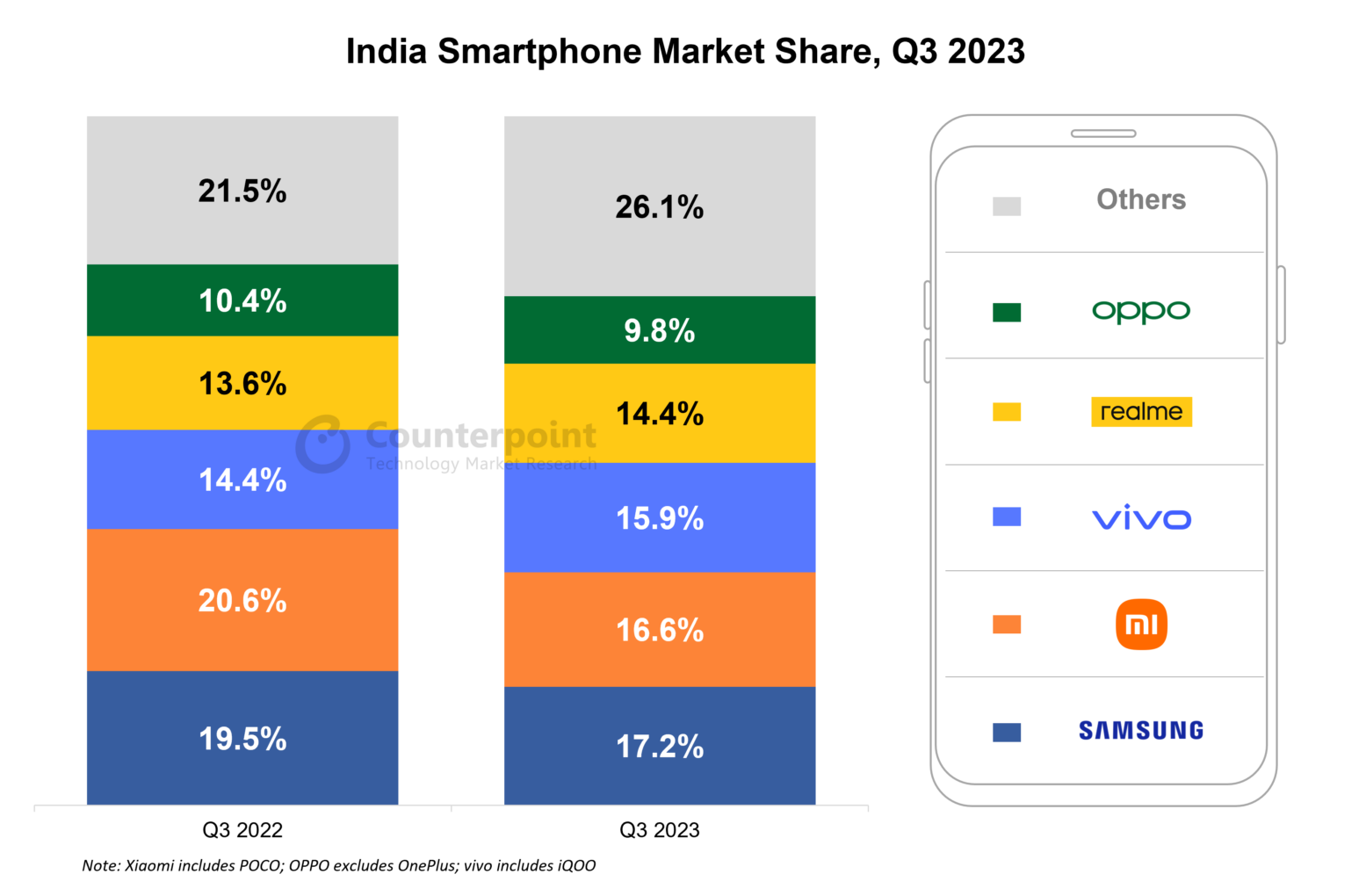
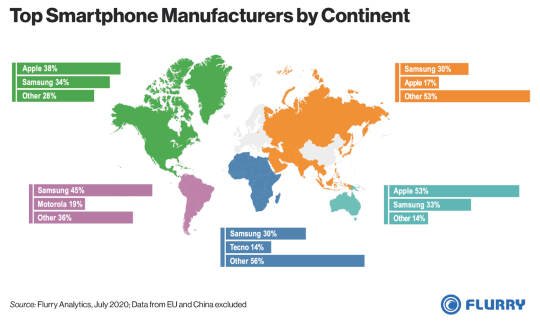
As smartphone markets mature in the United States, Apple is increasingly relying on:
- China
- India
- Other emerging markets
These regions are becoming key drivers of revenue growth, helping Apple diversify its global footprint.
The AI Challenge: A Defining Moment

Despite its dominance, Apple now faces a critical challenge: artificial intelligence.
Competitors such as:
- Alphabet
- Microsoft
- OpenAI
are investing heavily in AI and rapidly advancing their capabilities.
While Apple has integrated machine learning into its chips since 2017, analysts point to:
- Delays in AI feature rollouts
- A slower evolution of Siri
- Uncertainty around its AI strategy
At the same time, new AI-native devices could challenge the dominance of smartphones — Apple’s core business.
Conclusion: The Next 50 Years
Apple’s first 50 years were defined by innovation, design, and ecosystem control.
The next 50 may depend on a single question:
Can Apple reinvent itself once again in the age of AI?
Its history suggests resilience and reinvention. However, the competitive landscape is more intense than ever.
Whether Apple leads or follows in the AI era will shape not only its future — but the future of consumer technology as a whole.