




























Scrolling through social media feels effortless.
One video becomes another. One swipe turns into dozens. Minutes quietly turn into hours.
But in 2026, this everyday behavior is being questioned in court. A landmark case in the United States is examining whether platforms like Meta and Google are simply engaging users — or intentionally designing systems that keep them hooked.
A Landmark Trial in the Tech Industry
The recent trial in Los Angeles focused on how social media platforms are built, not just what they show.
Lawyers argued that certain features may be contributing to harmful usage patterns, especially among younger users. The claim is not about content — but about design decisions that influence behavior.
Tech companies, including Meta, have strongly denied these accusations, stating that their goal is to create safe and positive user experiences.
The outcome of this case could redefine how responsibility is assigned in the digital world.
Infinite Scroll: The Endless Loop

There was a time when content feeds had an end. Today, they don’t.
Infinite scroll removes the natural stopping point. As users continue swiping, new content appears instantly, creating a seamless and uninterrupted experience.
This design encourages users to keep going — not because they planned to, but because there is always something new waiting just below.
Over time, this creates a habit loop that is difficult to break.
Autoplay: Watching Without Choosing
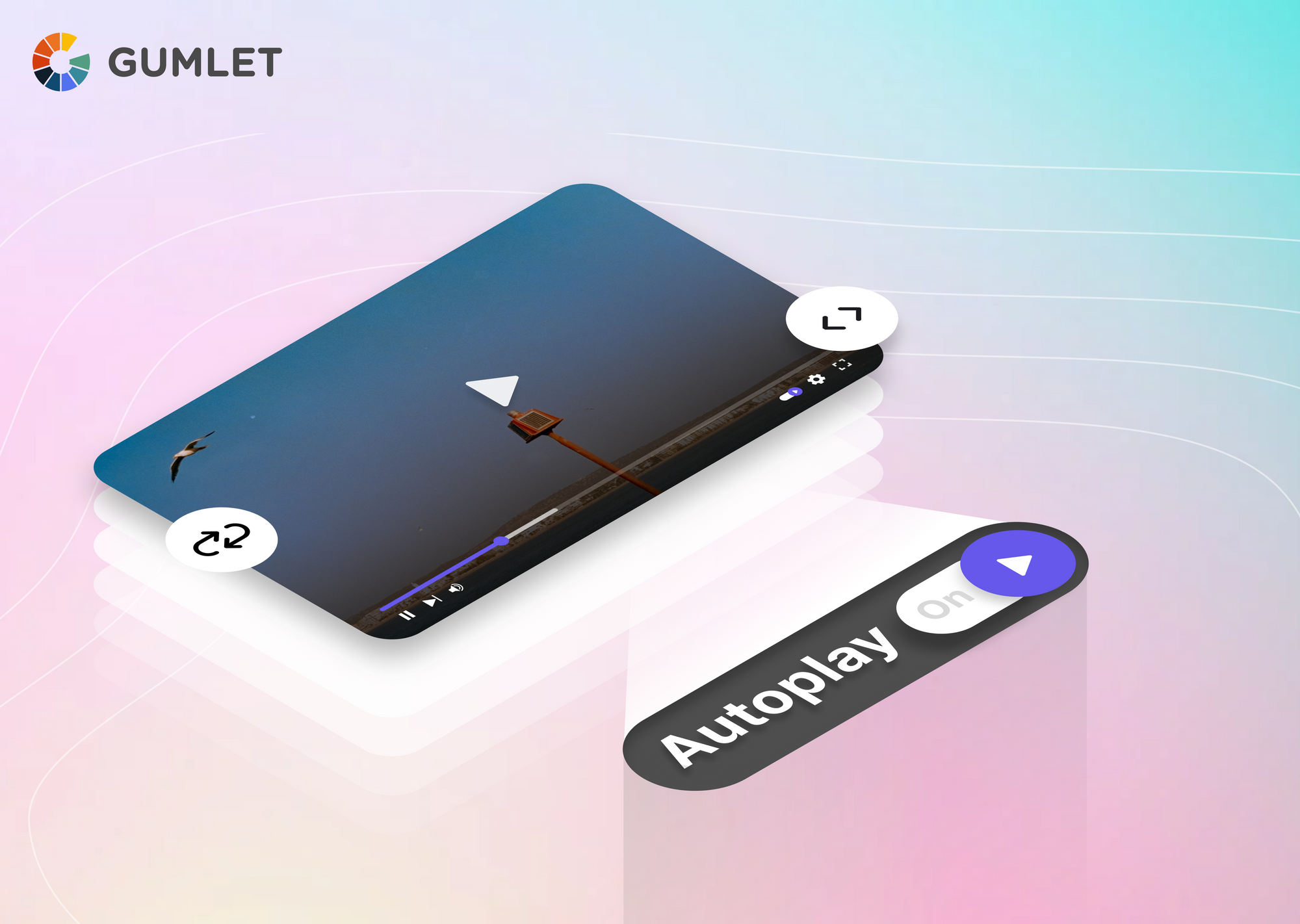
Autoplay is another key feature under scrutiny.
Videos start automatically, removing the need for users to actively choose what to watch next. This reduces friction — and with less friction, users are more likely to continue watching.
Even when users intend to stop, the next video begins instantly, making it easier to stay than to leave.
Notifications and the Fear of Missing Out

Notifications play a powerful role in keeping users engaged.
Likes, comments, and alerts create a sense of urgency — a feeling that something important might be happening at any moment.
This triggers what is commonly known as fear of missing out (FOMO), encouraging users to check their devices repeatedly throughout the day.
Each notification acts as a small reward, reinforcing the habit of returning.
The Psychology Behind the Design


At the core of these platforms is human psychology.
When users encounter engaging content, the brain releases dopamine — a chemical associated with pleasure and reward. This reinforces the behavior and encourages repetition.
Over time, this can lead to habitual usage patterns.
However, experts note that this is not always equivalent to clinical addiction. In many cases, it falls into a spectrum between normal use and problematic behavior.
The Business Model: Attention as a Product
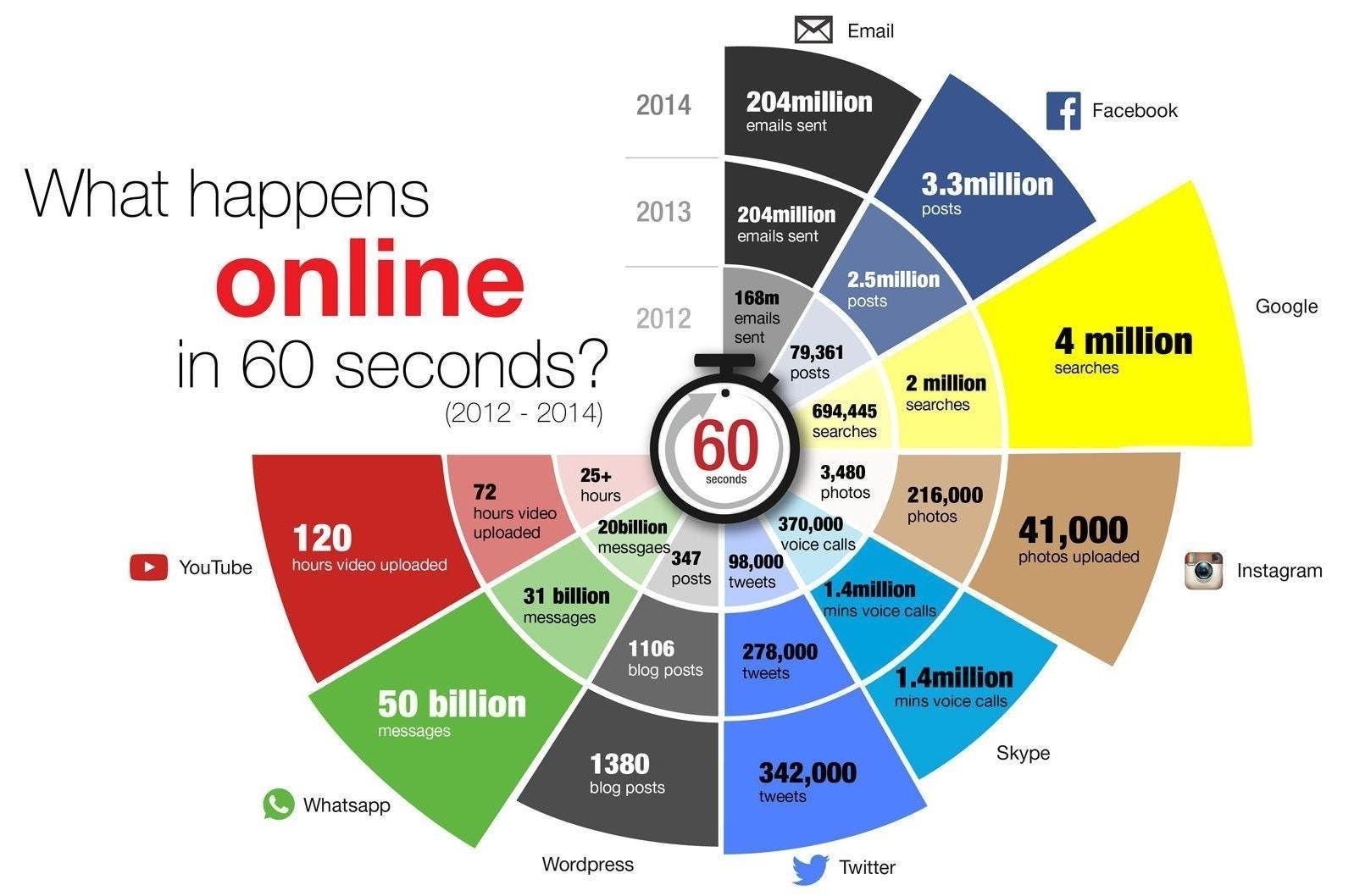
To understand why these features exist, it is important to look at the business model.
Social media platforms rely heavily on advertising. The more time users spend on the platform:
- The more ads they see
- The more data is collected
- The more revenue is generated
In this system, attention becomes the most valuable asset.
Design choices are therefore optimized to maximize engagement.
A Debate That Will Shape the Future
The legal debate is still ongoing.
Tech companies argue that users have control over their behavior and that their platforms are designed to be engaging, not harmful.
Critics, however, believe that design plays a powerful role in shaping user habits — often in ways that are not immediately visible.
The final verdict of this case could influence how digital platforms are designed for years to come.
Conclusion
Social media has transformed how we consume content and connect with the world.
But as legal scrutiny increases, one question is becoming impossible to ignore:
Are we choosing to stay — or are we being designed to stay?
The answer may redefine the future of technology, user experience, and digital responsibility.
SEO Meta
Meta Title:
Are Social Media Apps Designed to Be Addictive?
Meta Description:
Explore the lawsuit against Meta and Google over addictive design, infinite scroll, autoplay, and how social media platforms influence user behavior.