




























Entertainment has always competed for attention, but never with the level of precision, scale, and intensity seen today. What was once a battle for audience ratings or box office revenue has evolved into a far more granular contest: seconds of focus, scroll depth, watch time, and emotional engagement. In a digital ecosystem dominated by algorithmic feeds, attention is no longer a byproduct of entertainment—it is the product.
This shift has fundamentally restructured how content is created, distributed, and monetized. Platforms are no longer neutral pipelines delivering entertainment; they are active participants shaping it. From short-form video loops to personalized streaming recommendations, every layer of modern entertainment is optimized to capture and retain attention. The result is an industry increasingly defined not by storytelling alone, but by behavioral engineering.
The Algorithm as Creative Director

The rise of algorithm-driven platforms has quietly repositioned the role of creative authority. Where directors, producers, and writers once shaped the trajectory of entertainment, algorithms now exert significant influence over what gets seen—and, by extension, what gets made. Platforms like TikTok, YouTube, and Netflix rely on complex recommendation systems that reward content capable of sustaining user engagement at scale.
This creates a feedback loop where creators adapt to algorithmic preferences. Hooks are front-loaded within seconds, pacing becomes tighter, and narratives are often structured to maximize retention rather than artistic coherence. In many cases, the algorithm effectively becomes a silent creative director, shaping not only distribution but also the form and tone of content itself.
The implications are profound. Content diversity may appear to increase due to sheer volume, but underlying patterns often converge toward what performs best under algorithmic scrutiny. As creators chase visibility, originality risks being filtered through the lens of optimization, subtly narrowing the creative landscape.
Infinite Content and the Collapse of Endpoints

Traditional entertainment had built-in endpoints: the end of a film, the final episode of a season, the closing credits. These moments created natural pauses, allowing audiences to disengage. In contrast, modern platforms are designed to eliminate friction and extend engagement indefinitely through autoplay, infinite scroll, and continuous recommendation.
This structural shift changes how audiences consume content. Instead of discrete experiences, entertainment becomes a continuous stream. The concept of “finishing” something loses meaning when the next piece of content is instantly queued, tailored, and ready. Time spent is no longer bounded by narrative arcs but by the platform’s ability to sustain attention.
The collapse of endpoints also alters creative pacing. Cliffhangers are no longer reserved for episode endings—they appear within seconds. Content is engineered to prevent drop-off at any moment, leading to a more aggressive form of engagement design. In this environment, attention is not just captured; it is continuously defended.
Data-Driven Storytelling and Predictive Content

Behind every piece of successful digital content lies a vast infrastructure of data collection and analysis. Platforms track granular metrics—watch time, pause frequency, replays, drop-off points—and feed these insights back into both recommendation systems and content development strategies.
This has given rise to a new paradigm: predictive storytelling. Instead of relying solely on creative intuition, studios and creators increasingly use data to anticipate audience preferences. Script elements, casting decisions, and even visual styles can be influenced by patterns identified across millions of user interactions.
While this approach can increase the likelihood of success, it also introduces a subtle tension. Data tends to favor the familiar—formats and narratives that have already proven effective. As a result, innovation may become riskier, as deviations from established patterns carry measurable downside. The industry begins to optimize for probability rather than possibility.
The Economics of Engagement
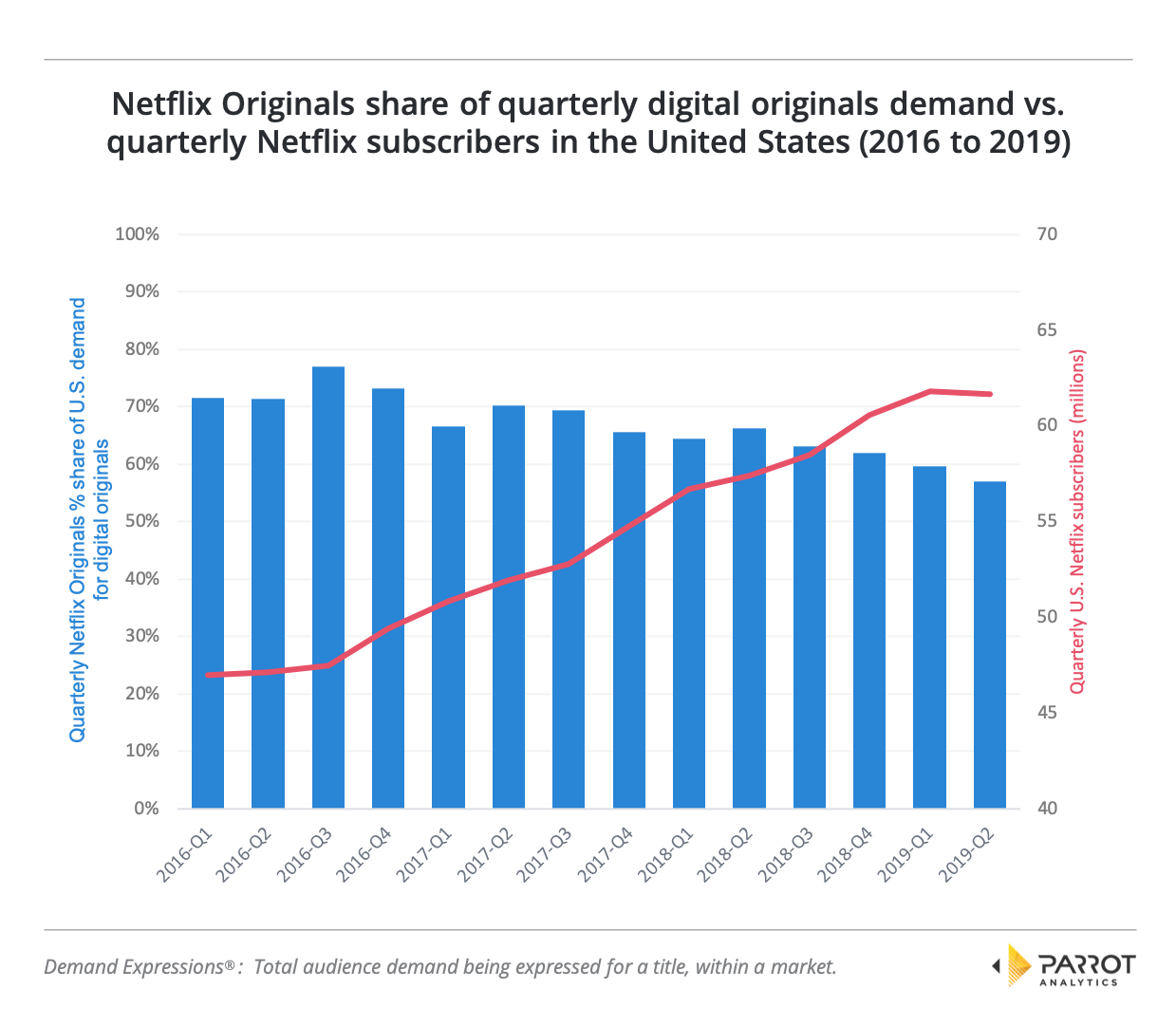
At the core of this transformation is a fundamental economic shift. In traditional media, revenue was often tied to discrete transactions—ticket sales, subscriptions, or advertising slots. Today, monetization is increasingly linked to sustained engagement. The longer a user stays, the more valuable they become.
Advertising models have evolved accordingly. Rather than broad demographic targeting, platforms now offer precision targeting based on behavioral data. Every second of attention can be monetized, whether through ads, sponsored content, or algorithmically surfaced promotions. Even subscription-based platforms incorporate engagement metrics to reduce churn and maximize lifetime value.
For creators, this creates both opportunity and pressure. Success is no longer solely defined by reach but by retention and interaction. Metrics such as watch time and engagement rate become critical indicators of viability. The result is a system where economic incentives are tightly coupled with attention optimization, reinforcing the cycle.
Cognitive Impact and the Fragmentation of Focus

As entertainment becomes increasingly optimized for attention, its impact on human cognition becomes harder to ignore. Constant exposure to high-frequency, short-form content can reshape how audiences process information, reducing tolerance for slower-paced narratives and deep engagement.
This fragmentation of focus has broader implications beyond entertainment. It influences how people consume news, learn new skills, and interact with digital environments. The same mechanisms that make content addictive—instant gratification, variable rewards, continuous novelty—can also erode sustained attention over time.
At the same time, audiences are not passive participants. There is a growing awareness of digital fatigue, leading to counter-movements such as “slow media,” curated content experiences, and intentional consumption habits. The tension between optimization and well-being is likely to define the next phase of the attention economy.
Conclusion
The transformation of attention into the primary currency of entertainment marks a pivotal shift in the industry’s evolution. Algorithms, data, and engagement metrics have redefined not only how content is distributed but how it is conceived and experienced. What emerges is an ecosystem where creative decisions are increasingly intertwined with behavioral insights and economic incentives.
Looking ahead, the challenge will be balancing efficiency with meaning. As platforms continue to refine their ability to capture attention, the question becomes whether they can also sustain depth, originality, and long-term value. In a landscape driven by metrics, the future of entertainment may ultimately depend on how well it can reconcile the demands of the algorithm with the complexities of human experience.