




























Autonomous drones are rapidly transforming the landscape of modern military technology. Over the past decade, unmanned aerial systems have evolved from simple remotely piloted aircraft into increasingly sophisticated platforms capable of operating with significant levels of autonomy.
Powered by artificial intelligence, advanced sensors, and high-speed data processing systems, the newest generation of combat drones is designed to analyze environments, identify targets, and coordinate with other systems in real time.
These capabilities are pushing military drone technology toward a future where aircraft may operate with minimal human intervention. For defense analysts and technology experts alike, autonomous drones represent one of the most important developments in modern warfare.
From Remote-Controlled Aircraft to Autonomous Systems


Early generations of military drones relied heavily on human operators. Pilots located thousands of kilometers away would control the aircraft through satellite communication systems, guiding surveillance missions and operating onboard cameras.
While these remotely piloted systems remain widely used, modern drone platforms are increasingly incorporating artificial intelligence that allows them to perform complex tasks independently.
Autonomous capabilities may include:
- Automated navigation and obstacle avoidance
- Real-time target recognition using computer vision
- Dynamic mission planning
- Cooperative communication with other drones or aircraft
By integrating AI-based systems, drones can process massive amounts of sensor data faster than human operators, enabling quicker decision-making in complex environments.
Drone Swarms and Networked Warfare


One of the most significant emerging concepts in drone technology is the development of drone swarms. Rather than deploying a single large aircraft, swarm systems involve dozens—or even hundreds—of smaller drones operating together as a coordinated network.
Each drone in the swarm communicates with the others, sharing data and adjusting behavior in response to changing conditions. This decentralized approach offers several advantages:
- Increased resilience if individual drones fail
- Expanded surveillance coverage
- Greater operational flexibility
- The ability to overwhelm traditional defense systems
Researchers are developing advanced algorithms that allow swarm drones to adapt their formations and missions dynamically, similar to how flocks of birds move collectively in nature.
Artificial Intelligence Is Driving the Next Generation of Drones
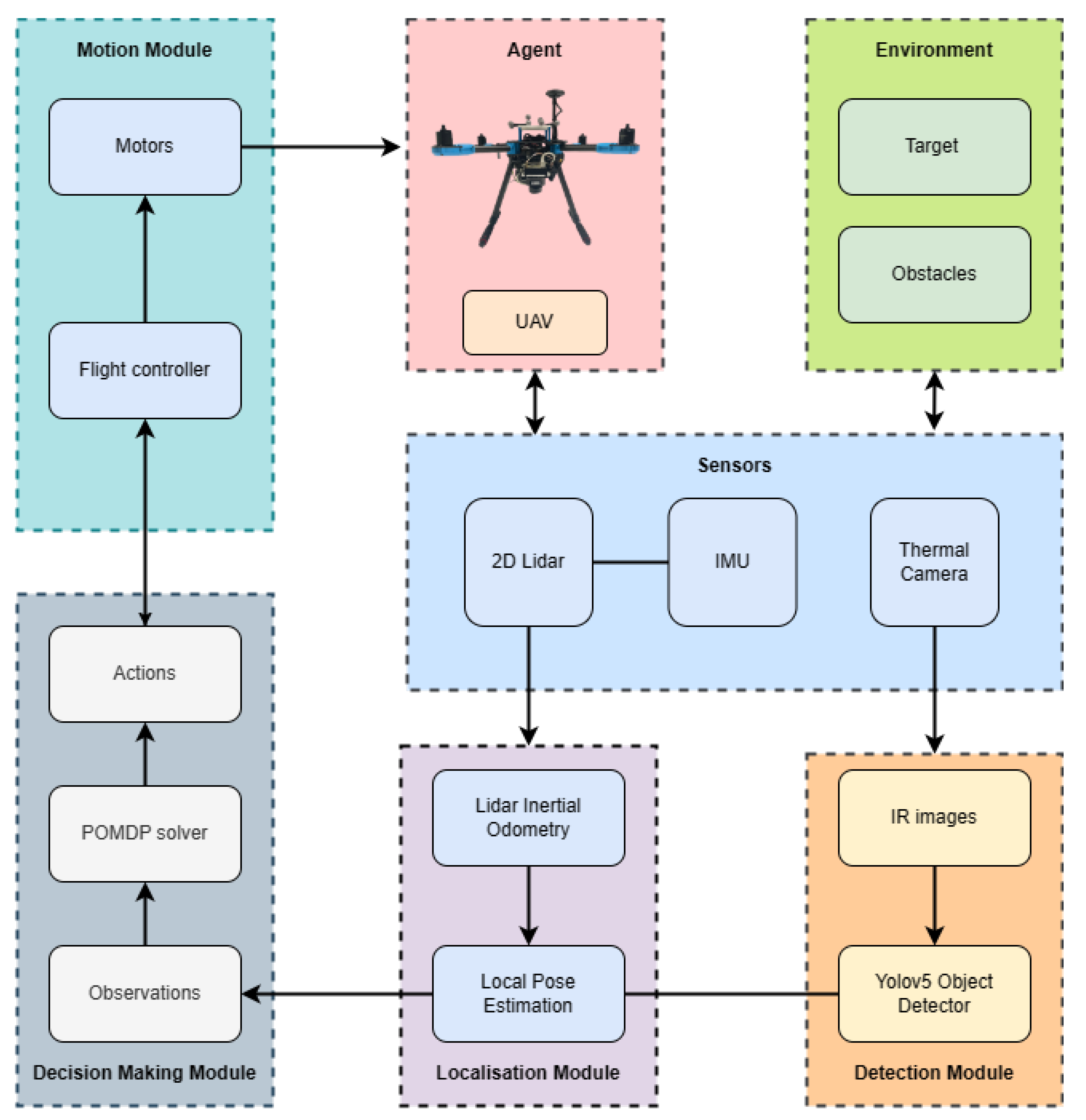

Artificial intelligence plays a central role in enabling autonomous drone operations. Machine learning algorithms allow drones to interpret sensor data from cameras, radar systems, and infrared detectors.
These AI systems can recognize objects, identify terrain features, and track moving targets. In some experimental systems, drones can even adapt their behavior based on previous mission experiences.
Key AI technologies used in drone systems include:
- Computer vision for object recognition
- Autonomous navigation algorithms
- Real-time data fusion from multiple sensors
- Adaptive decision-making models
As computing hardware becomes more powerful and energy efficient, these AI capabilities can be integrated directly into drones rather than relying entirely on remote processing systems.
Civilian Applications for Autonomous Drone Technology


Although much of the research in autonomous drone systems originates in defense programs, the technology has significant civilian applications as well.
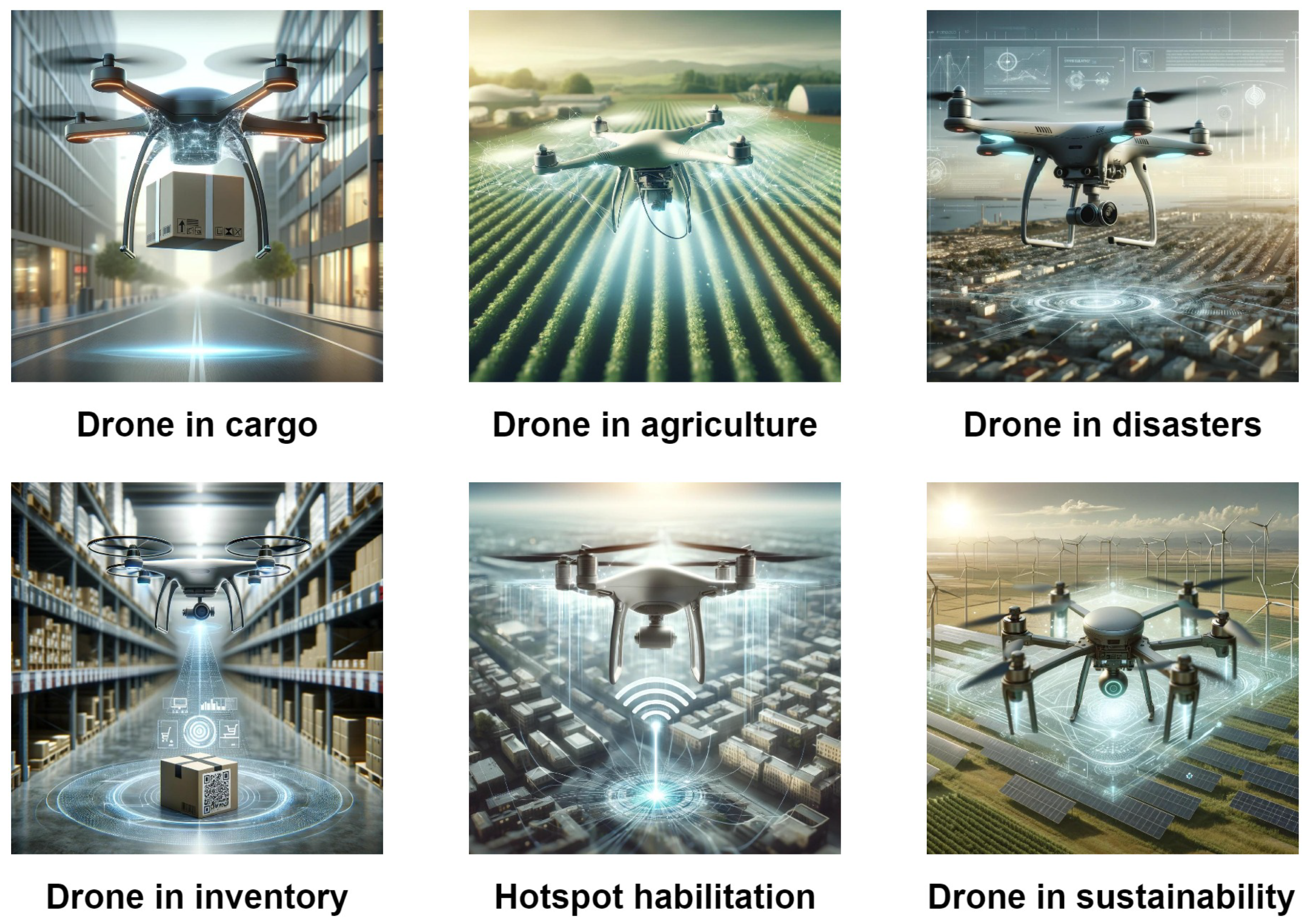
Autonomous drones are already being used for tasks such as:
- Infrastructure inspection
- Agricultural monitoring and crop spraying
- Disaster response and search-and-rescue operations
- Environmental mapping and research
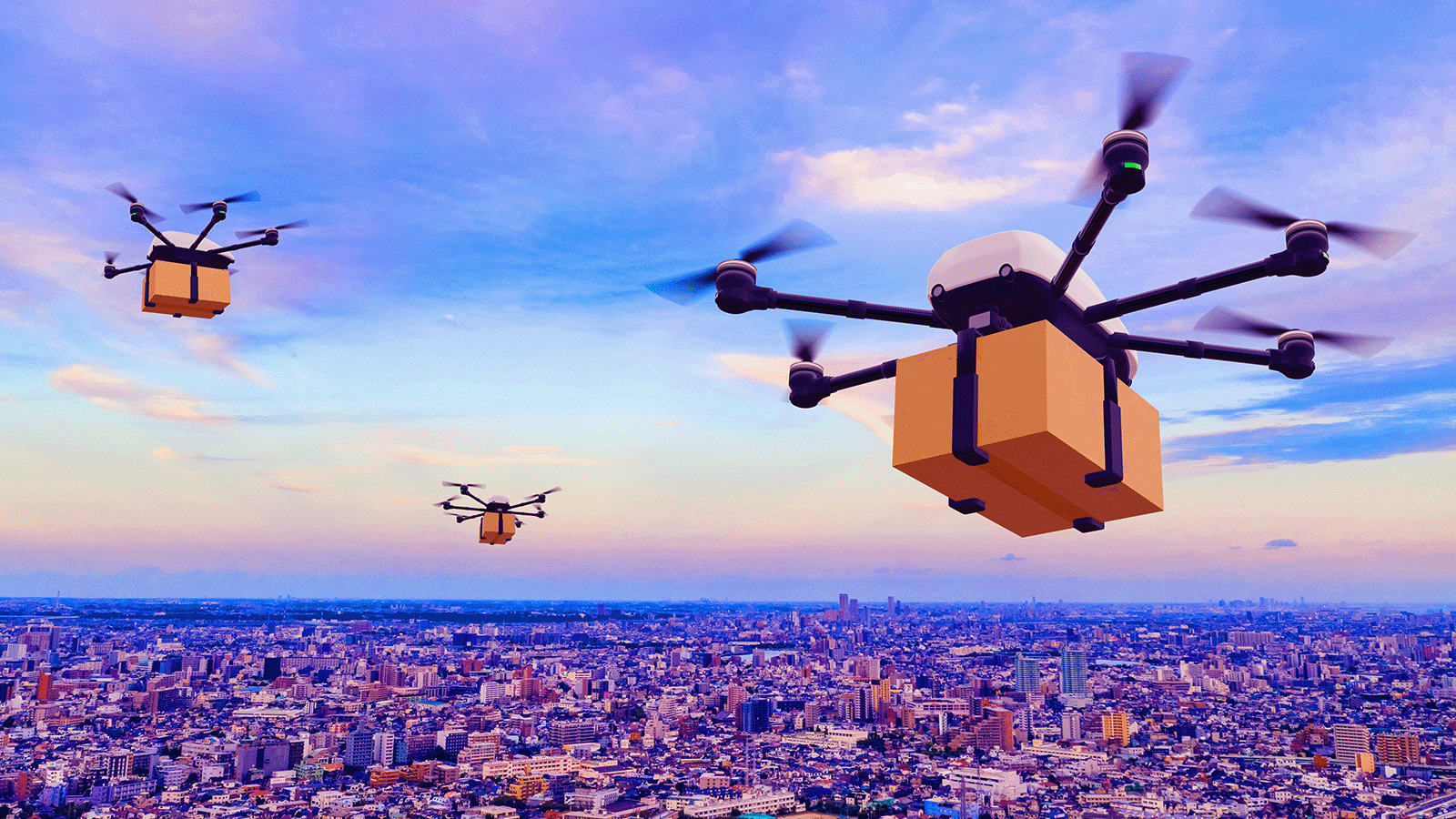
- Package delivery experiments
As autonomous navigation systems improve, drones may become an essential part of logistics networks and urban infrastructure in the future.
The Future of Autonomous Aerial Systems
Autonomous drone technology is still evolving, but its impact on both military strategy and civilian industries is expected to grow rapidly in the coming years.
Advances in artificial intelligence, sensor technology, and communications networks are enabling drones to operate with increasing levels of independence. At the same time, engineers continue to develop new designs that improve endurance, stealth capabilities, and payload capacity.
In the future, autonomous aerial systems may work alongside human-operated aircraft, satellites, and ground systems as part of highly interconnected defense and infrastructure networks.
For the global technology industry, drone autonomy represents not only a major engineering challenge but also a powerful example of how artificial intelligence is reshaping the machines that operate in the physical world.