



























Medical technology is evolving at an unprecedented pace. Advances in artificial intelligence, robotics, biotechnology, and digital health systems are reshaping how diseases are diagnosed, treated, and monitored. Hospitals and research institutions around the world are increasingly adopting cutting-edge technologies designed to improve patient outcomes while reducing the burden on healthcare systems.
From AI-powered diagnostic tools to robotic surgery and personalized medicine, the next generation of healthcare technology promises to transform the medical landscape in ways that were once considered science fiction.
As populations grow and global healthcare challenges become more complex, technological innovation is becoming one of the most important drivers of modern medicine.
Artificial Intelligence Is Revolutionizing Medical Diagnosis
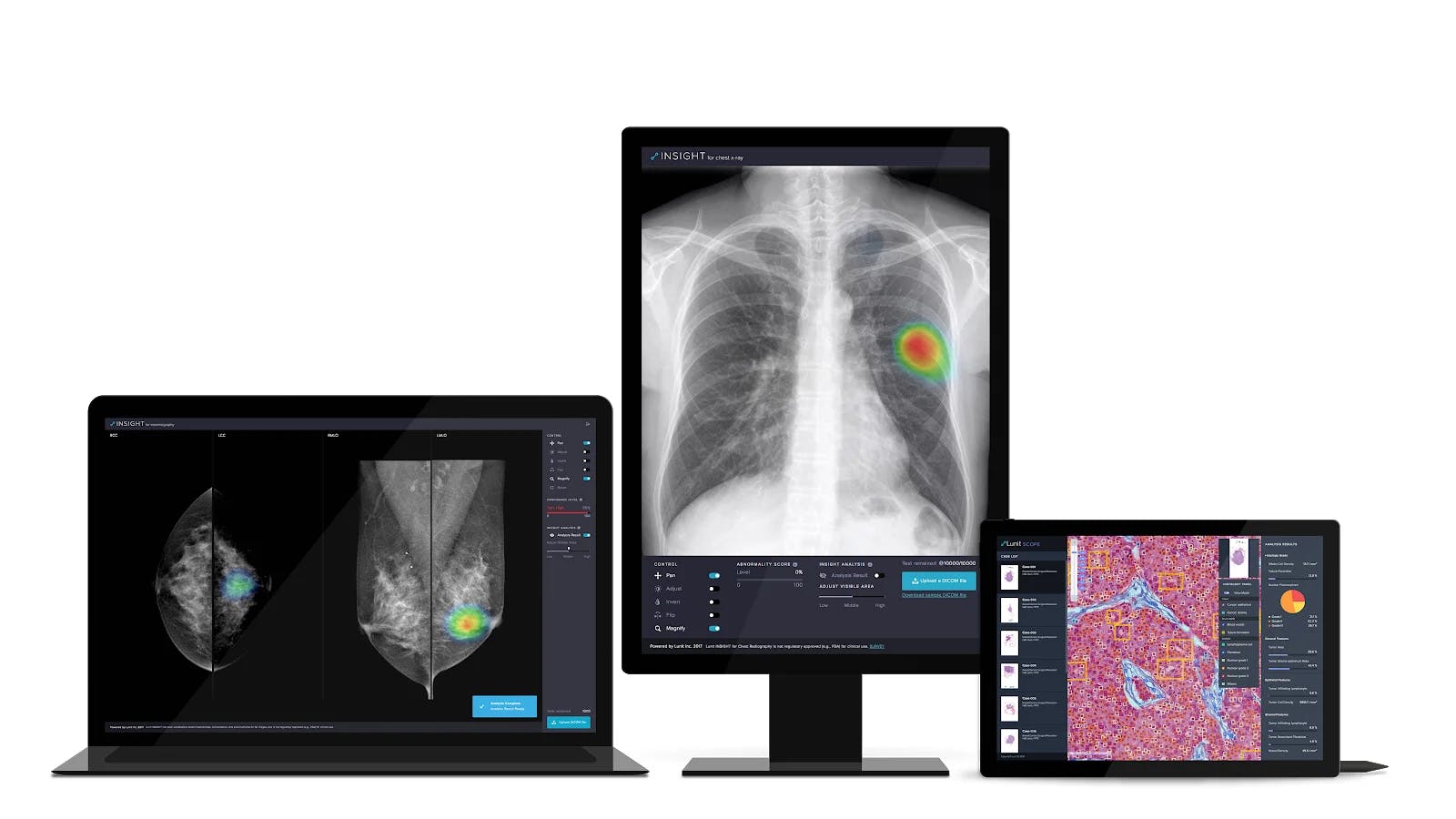

Artificial intelligence is rapidly becoming one of the most powerful tools in modern healthcare. AI algorithms are capable of analyzing massive amounts of medical data, including imaging scans, laboratory results, and patient histories.
In radiology, AI systems can examine X-rays, CT scans, and MRIs to detect abnormalities that may be difficult for the human eye to identify. These tools can assist doctors in diagnosing conditions such as cancer, neurological disorders, and cardiovascular diseases at much earlier stages.
AI-based diagnostic platforms also help reduce the workload on healthcare professionals by automating routine tasks and prioritizing urgent cases that require immediate attention.
Although AI is not intended to replace doctors, it is increasingly being used as a powerful decision-support system that enhances clinical accuracy and efficiency.
Robotic Surgery Is Increasing Precision in the Operating Room


Robotic-assisted surgery represents another major technological breakthrough in healthcare. These advanced systems allow surgeons to perform highly precise procedures using robotic arms controlled through specialized consoles.
Robotic surgery offers several advantages compared to traditional techniques:
- Smaller surgical incisions
- Reduced blood loss during operations
- Increased precision and control
- Faster recovery times for patients
- Lower risk of complications
Surgeons can manipulate robotic instruments with extremely fine movements, allowing them to perform delicate procedures that might otherwise be difficult using conventional tools.
Robotic systems are now used in a wide range of medical specialties, including cardiology, urology, orthopedics, and neurosurgery.
Wearable Health Technology and Remote Monitoring

The rise of wearable health technology is also transforming how doctors monitor patients outside of hospitals.
Devices such as smartwatches and health trackers can continuously collect biometric data including heart rate, oxygen levels, sleep patterns, and physical activity. This information can be transmitted to healthcare providers in real time, allowing doctors to detect potential health problems earlier.
Remote monitoring systems are particularly valuable for managing chronic conditions such as diabetes, cardiovascular disease, and respiratory disorders.
By enabling continuous health monitoring, wearable technology may help shift healthcare from a reactive model—treating illness after it appears—to a more proactive system focused on prevention and early intervention.
Personalized Medicine and Genomic Technology

Another emerging frontier in healthcare is personalized medicine, an approach that tailors treatments to the unique genetic characteristics of individual patients.
Advances in genomic sequencing technology have dramatically reduced the cost and time required to analyze human DNA. Researchers can now study genetic variations that influence how patients respond to medications or develop certain diseases.
This knowledge allows doctors to design treatment plans that are more targeted and effective.
For example, cancer therapies can be customized based on the genetic profile of a tumor, improving the chances of successful treatment while minimizing harmful side effects.
Personalized medicine has the potential to fundamentally change how many diseases are treated in the future.
The Future of Medical Technology


Looking ahead, medical technology is expected to continue evolving rapidly as research institutions, technology companies, and healthcare providers collaborate to develop new solutions.
Future innovations may include:
- AI-driven drug discovery systems
- Advanced prosthetics controlled by neural interfaces
- Nanotechnology-based medical treatments
- Fully automated diagnostic laboratories
- Smart hospitals powered by integrated digital systems
As these technologies mature, they could dramatically improve the accessibility, efficiency, and quality of healthcare worldwide.
The integration of advanced technology into medicine is not only changing how doctors treat patients—it is redefining the entire healthcare ecosystem for the 21st century.