













There was a time when eye strain was something you felt after a long day.
Now, it’s something many people live with constantly.
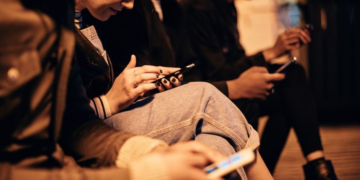
From the moment we wake up to the moment we fall asleep, our eyes are fixed on screens—phones, laptops, tablets, monitors. Work, communication, entertainment, even relaxation all happen through the same interface. And while this shift has made life more efficient, it has also introduced a quiet, growing problem: digital eye fatigue.
What’s changing in 2026 is not the amount of screen time—but how we manage its impact.
A new wave of digital eye care technology is emerging, designed not to eliminate screens, but to make living with them sustainable.
The Invisible Cost of Screen Time

Eye strain doesn’t arrive all at once. It builds slowly.
Dry eyes. Blurred vision. Headaches. Difficulty focusing. These symptoms are often subtle enough to ignore, until they become part of your daily routine. The problem isn’t just the screen itself—it’s how long we look at it, how close we sit, and how rarely we take breaks.
In a screen-heavy lifestyle, your eyes are constantly adjusting to artificial light, fixed distances, and reduced blinking. Over time, that creates fatigue that doesn’t go away with rest alone.
And that’s where technology is beginning to step in—not as the cause, but as part of the solution.
When Your Devices Start Protecting You
One of the simplest but most effective changes is happening at the display level.
Modern devices are becoming more aware of how they affect your eyes. Blue light filters, night modes, and adaptive brightness are no longer optional features—they are built into the system. Screens can now adjust color temperature based on the time of day, reducing harsh light at night and easing the strain on your eyes.
It’s a subtle shift, but an important one. Instead of forcing you to adapt to the screen, the screen begins to adapt to you.
The Rise of Smart Eye Habits
Technology is also changing behavior.
Apps and built-in systems now track how long you’ve been staring at a screen and remind you to take breaks. The well-known “20-20-20 rule”—looking away every 20 minutes at something 20 feet away for 20 seconds—is no longer something you have to remember. Your device reminds you.
Over time, these small interruptions create healthier habits without requiring conscious effort.
It’s not about reducing productivity. It’s about sustaining it.
Wearables and the Future of Eye Awareness
The next step goes beyond screens and into what you wear.
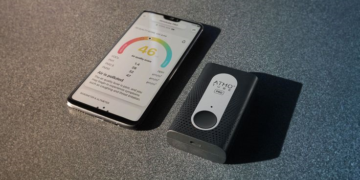
Smart glasses and wearable devices are beginning to play a role in eye health. Some are designed to filter harmful light, while others explore tracking how long you focus, how often you blink, or how close you sit to a screen.
This kind of awareness opens the door to a more proactive approach. Instead of reacting to discomfort, technology can identify patterns and intervene early—before fatigue turns into a bigger issue.
Designing a Healthier Digital Environment


Ultimately, eye care isn’t about a single device. It’s about the entire environment.
Lighting, screen position, contrast, and even the distance between your eyes and your display all play a role. A well-designed workspace reduces strain without you noticing. Natural light, proper monitor height, and balanced brightness create conditions where your eyes don’t have to work as hard.
Technology helps guide these adjustments—but the goal is simple: make comfort the default.
Final Thought
We are not going to use screens less.
If anything, we will use them more.
The real shift is learning how to live with them without sacrificing our well-being. Digital eye care technology is not about limiting usage—it’s about making that usage sustainable.
Because in a world where everything happens on a screen, protecting your eyes isn’t optional anymore.
It’s part of how you work, how you live, and how you stay sharp every day. 👁️✨