























Aging changes everything — not just physically, but emotionally. Independence becomes fragile, health needs increase, and families begin to worry about things that once felt simple: Is everything okay when no one is around?
Elderly care technology isn’t about replacing human care. It’s about creating a layer of quiet support — tools that watch, remind, and assist without making life feel restricted or overly medical.
🏠 Living Independently, Without Being Alone


One of the biggest concerns for families is allowing older adults to live independently while still ensuring their safety. This balance is where technology becomes incredibly valuable.
Devices like fall detection sensors and emergency alert buttons act as a silent safety net. If something happens — a fall, sudden weakness, or unusual inactivity — alerts can be sent instantly to family members or caregivers. There is no need for constant supervision, yet support is always within reach.
At the same time, simple communication tools like video calling devices help reduce isolation. Staying connected becomes effortless, even for those who are not comfortable with complex technology.
💊 Medication & Health Monitoring Made Simple
Managing health is one of the most challenging parts of aging. Multiple medications, different schedules, and frequent monitoring can quickly become overwhelming.
Smart medication dispensers solve a surprisingly common problem: forgetting or mixing up doses. These devices provide clear reminders and only release the correct medication at the right time, reducing the risk of errors.
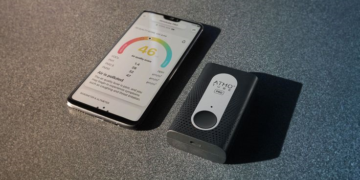
Wearable health trackers and home monitoring devices add another layer of support. They track vital signs such as heart rate, activity levels, and even sleep patterns, helping both users and caregivers detect issues early — often before they become serious.
🚶 Mobility, Safety, and Daily Assistance
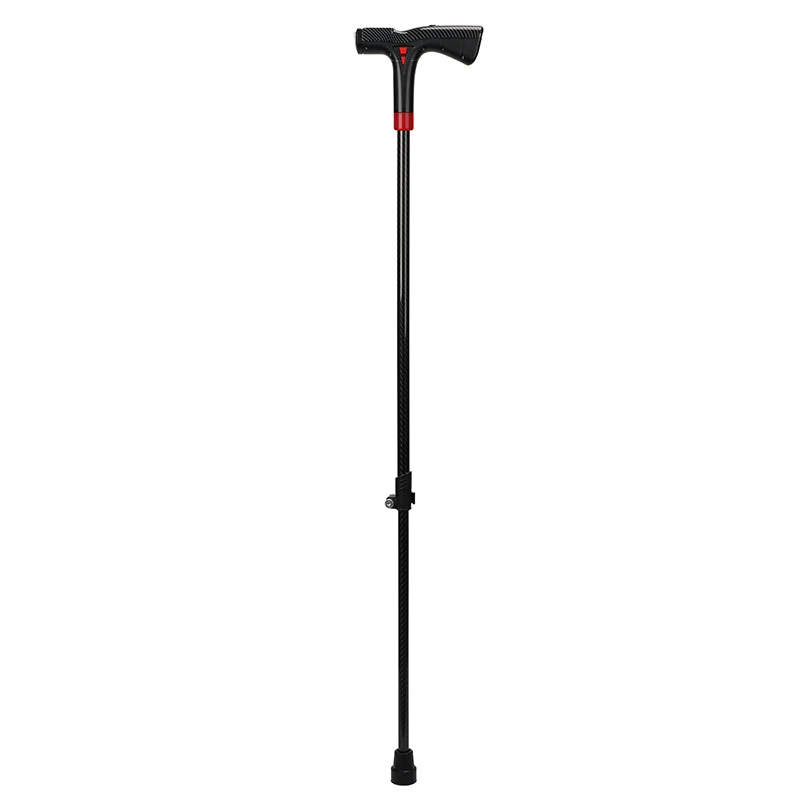

As mobility decreases, everyday activities can become risky. Simple movements like walking, bathing, or using stairs may lead to accidents if not supported properly.
Technology-enhanced mobility aids — such as smart canes, fall-detection wearables, and sensor-based lighting — help reduce these risks without making the environment feel clinical. They are designed to blend into daily life while quietly improving safety.
The goal is not to limit movement, but to restore confidence. When older adults feel secure, they remain more active — and that directly impacts both physical and mental health.
⚖️ The Balance Between Care and Independence

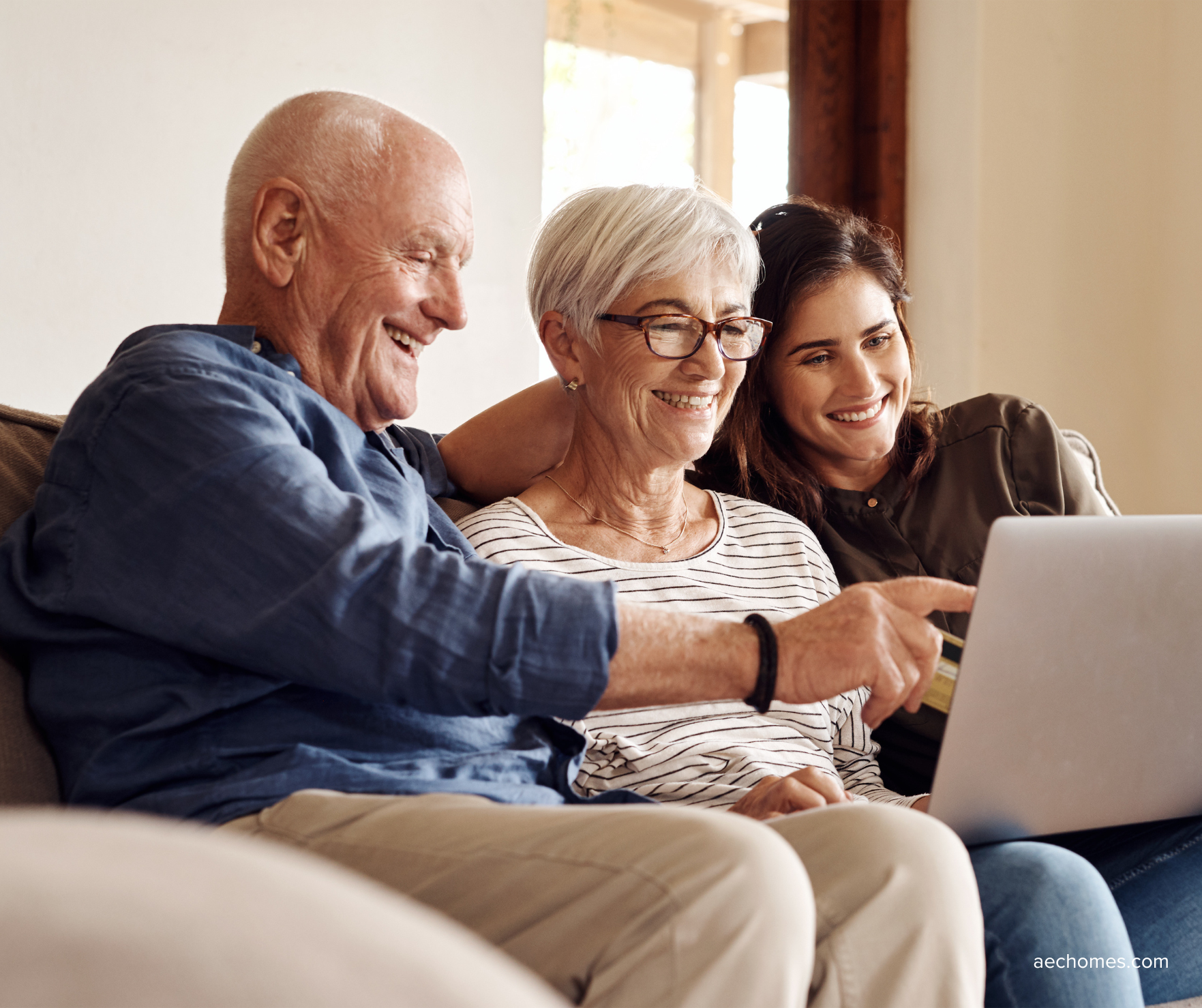
There is an important balance to maintain. Too little support creates risk. Too much monitoring can feel intrusive.
Technology should never make someone feel watched — it should make them feel supported.
The best elderly care tech is simple, intuitive, and non-invasive. It works in the background, stepping in only when needed. It respects independence while quietly reducing risk.
🌿 Final Thoughts: Care That Feels Human
At its core, elderly care is not about devices — it’s about dignity.
Technology cannot replace family, attention, or emotional connection. But it can remove uncertainty, reduce stress, and provide reassurance for both older adults and their loved ones.
When used thoughtfully, elderly care tech does something powerful:
it allows people to age not just safely — but comfortably, confidently, and with dignity.