
























For years, the subscription model was framed as liberation. It promised an escape from piracy, a cleaner alternative to cable bundles, and a frictionless way to access everything—from films and music to games and live sports—with a single click. What began as a user-first revolution has quietly reshaped into something far more complex: a system optimized not for access, but for retention.
Today, the average digital consumer is entangled in a web of recurring payments, fragmented libraries, and algorithmically curated experiences designed to keep them subscribed rather than satisfied. The shift is subtle but significant. Entertainment is no longer something you buy or even choose—it is something you remain inside.
The core thesis is simple: subscription-based entertainment has evolved from a convenience into a containment strategy. And as competition intensifies, platforms are no longer just fighting for attention—they are engineering dependency.
The Fragmentation of Content Is Forcing Subscription Stacking
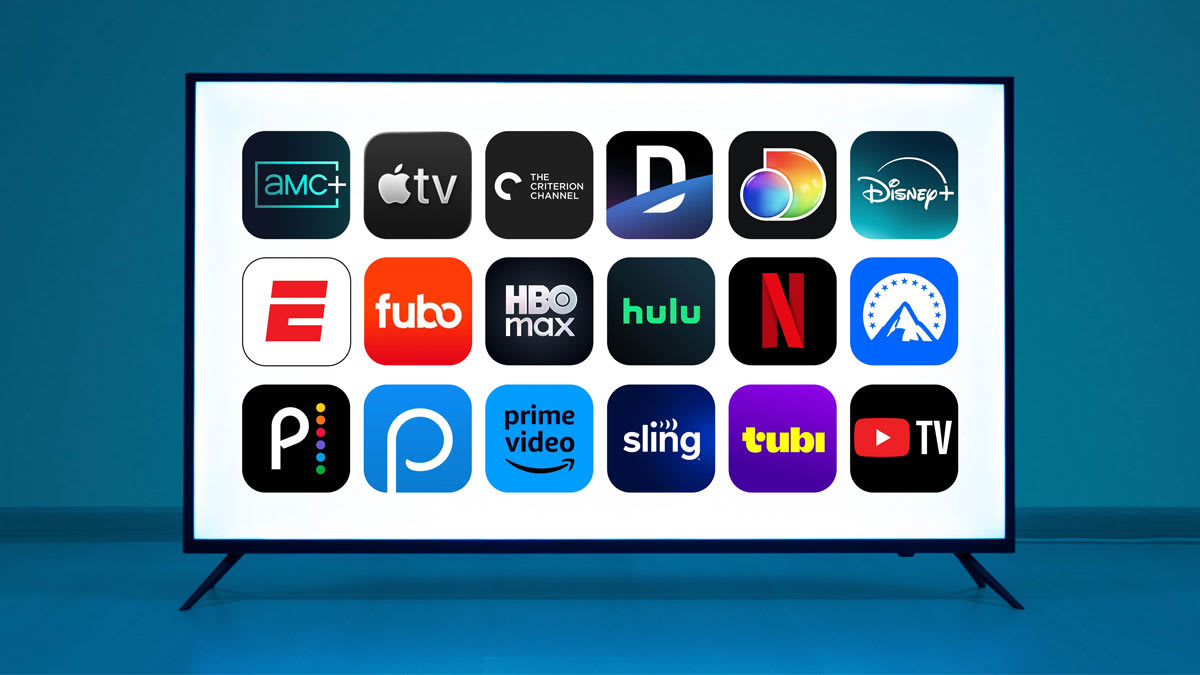
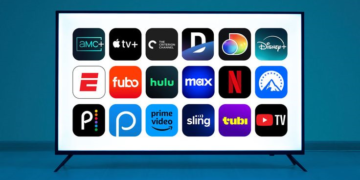
The early promise of streaming was aggregation. Platforms positioned themselves as centralized hubs where users could access vast libraries without the friction of traditional media distribution. That promise has not just eroded—it has inverted. Content is now aggressively fragmented across platforms, each holding exclusive rights as a competitive moat.
This fragmentation is not accidental; it is strategic. Studios that once licensed content broadly are now pulling it back into proprietary ecosystems. The result is a landscape where no single subscription offers completeness. To follow a handful of popular shows or franchises, users must maintain multiple active subscriptions simultaneously.
This stacking effect fundamentally alters consumer behavior. Instead of subscribing based on interest, users subscribe out of necessity—keeping services active not because they are currently valuable, but because they might be. The fear of missing out replaces intentional consumption, and cancellation becomes psychologically harder, even when usage drops.
What emerges is a system where fragmentation drives accumulation, and accumulation normalizes overpayment.
Algorithms Are Optimizing Retention, Not Satisfaction

At the heart of modern entertainment platforms lies a powerful engine: recommendation algorithms. These systems are often marketed as tools for personalization, helping users discover content they genuinely enjoy. In practice, their primary objective is more pragmatic—maximize time spent and reduce churn.
The distinction matters. A system optimized for satisfaction would prioritize quality, diversity, and user agency. A system optimized for retention prioritizes continuity. It favors content that keeps users watching, even if it is not particularly memorable or meaningful. Autoplay features, infinite scroll interfaces, and aggressive recommendation loops are not conveniences; they are behavioral nudges.
This shift changes how content is produced as well. Platforms increasingly favor formats that are “bingeable,” serialized, and easily digestible. Narrative risk decreases. Familiarity increases. The goal is not to create a standout piece of art, but a steady stream of engagement.
Over time, this creates a feedback loop. Users consume what is recommended, algorithms learn from that consumption, and the ecosystem becomes narrower. Choice appears abundant, but in reality, it is being continuously filtered toward what sustains the subscription cycle.
Bundling Is Quietly Recreating the Cable Model

Ironically, the very system streaming sought to replace—cable bundling—is re-emerging in a new form. As subscription fatigue grows, companies are responding not by simplifying the ecosystem, but by repackaging it.
We are now seeing the rise of bundled streaming deals, often tied to telecom providers, device ecosystems, or platform partnerships. These bundles offer marginal savings, but they also obscure the true cost of access. Instead of consciously choosing individual services, users are nudged into pre-packaged combinations that mirror the rigidity of cable subscriptions.
The difference is psychological rather than structural. Streaming bundles feel flexible because they are digitally managed and easily adjustable. But in practice, they create similar lock-in effects. Once integrated into a broader ecosystem—whether through billing, hardware, or content exclusivity—switching becomes inconvenient.
This is not regression; it is evolution. The industry has learned from cable’s limitations and refined its mechanics. The new bundle is less visible, more personalized, and far more data-driven.
Ownership Is Disappearing—and With It, Control
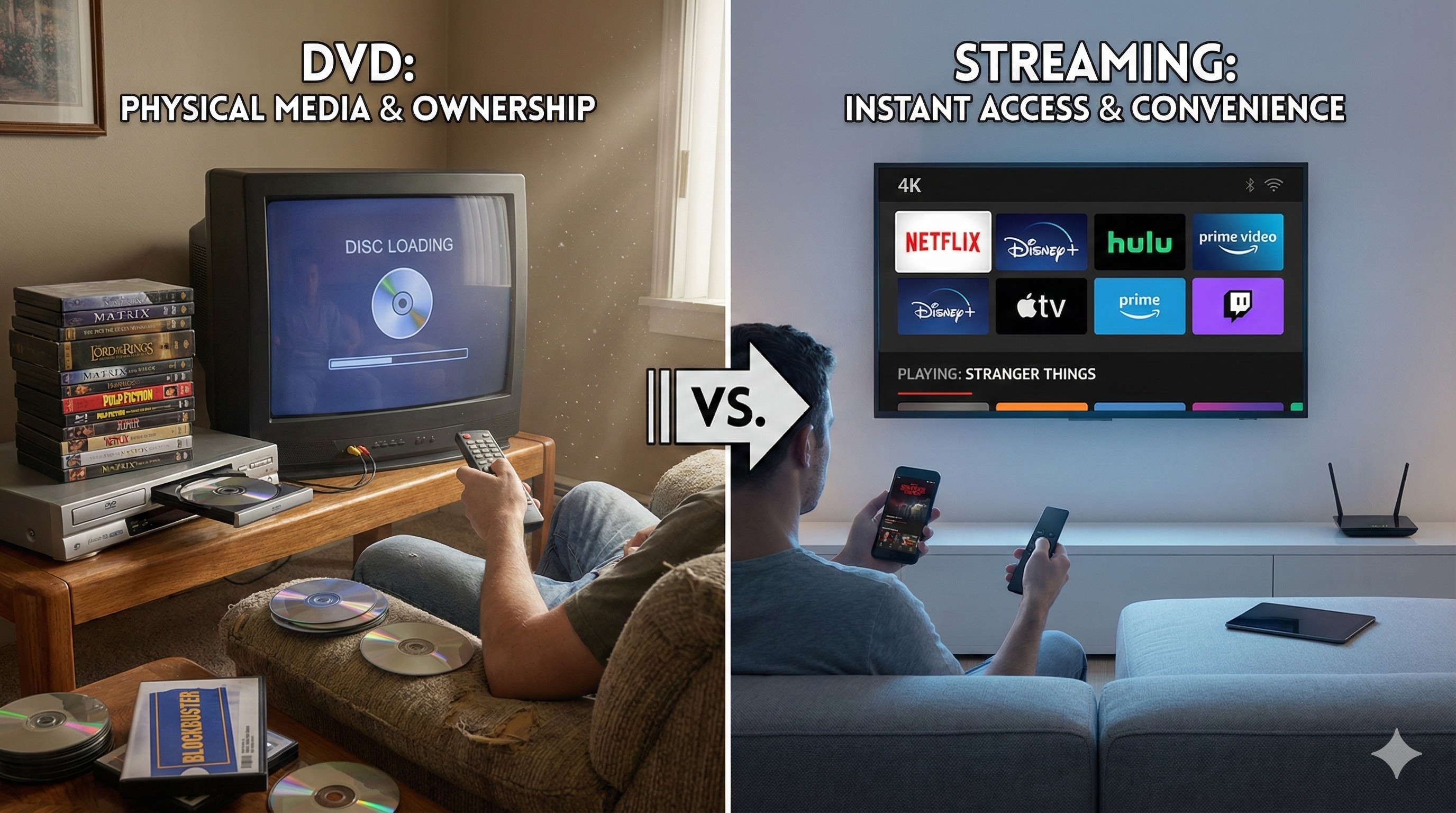
Perhaps the most underappreciated shift in the subscription economy is the erosion of ownership. In a subscription-first world, users no longer buy content—they license access to it, temporarily and conditionally.
This distinction becomes critical when content disappears. Licensing agreements expire. Platforms rotate catalogs. Entire libraries can vanish overnight, even for users who believed they had “purchased” access. The permanence associated with media ownership—once guaranteed by physical formats—is now replaced by a dynamic, platform-controlled inventory.
The implications extend beyond inconvenience. Without ownership, users lose control over how, when, and even if they can revisit content. Cultural artifacts become transient, subject to corporate strategy rather than public availability.
This also reshapes value perception. When everything is accessible but nothing is owned, content becomes disposable. The emotional and economic relationship between audience and media weakens, replaced by a continuous cycle of consumption and replacement.
The Economics of “Cheap” Are No Longer Cheap
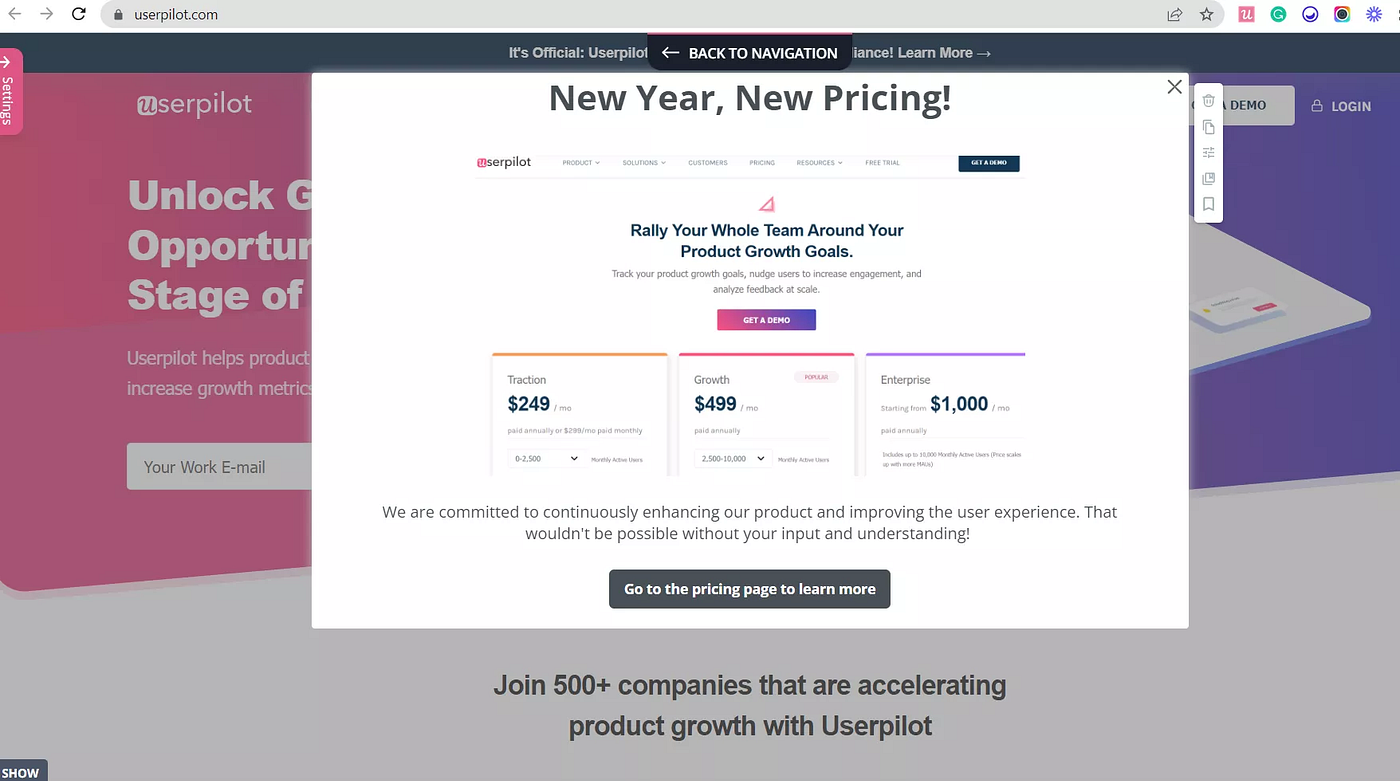
Subscription models thrive on a simple psychological principle: small, recurring costs feel less significant than large, one-time payments. This perception fueled the rapid adoption of streaming services in their early years.
But the economics are shifting. Prices are rising across platforms, often incrementally and without significant user pushback. Ad-supported tiers are being introduced, effectively monetizing users twice—through both subscription fees and advertising exposure. Password-sharing crackdowns are converting previously shared access into individual revenue streams.
When aggregated, these changes reveal a different reality. What once seemed like an affordable alternative to traditional media is now approaching, and in some cases exceeding, the cost of the systems it replaced.
More importantly, the value equation has changed. Users are no longer paying for access to a broad, stable library. They are paying for fragmented, rotating access across multiple services—each competing for attention, but collectively demanding more money.
CONCLUSION
The subscription model is not inherently flawed. It enabled a wave of innovation that reshaped how entertainment is distributed and consumed. But as the market matures, its incentives are becoming clearer—and less aligned with user interests.
What we are witnessing is a transition from access economy to retention economy. The goal is no longer to provide the best content experience, but to ensure users remain within the system for as long as possible.
The next phase of entertainment will likely be defined by how this tension resolves. Whether through regulation, consumer pushback, or new distribution models, the current trajectory is unlikely to remain unchallenged. For now, however, the trap is not obvious because it does not feel like one. It feels like convenience—until you try to leave.