



























For many gym-goers, progress used to be simple. Lift heavier, run longer, train harder. Results were measured in mirrors, numbers on plates, and how exhausted you felt after a session.
But that mindset is changing.
In 2026, fitness is no longer just about effort—it’s about intelligence. Technology is quietly becoming a training partner, helping gymmers understand their bodies, optimize performance, and avoid the mistakes that slow progress down.
Because the difference between working hard and progressing fast is no longer strength.
It’s data.
Training With Data, Not Guesswork
One of the biggest shifts in modern fitness is visibility.
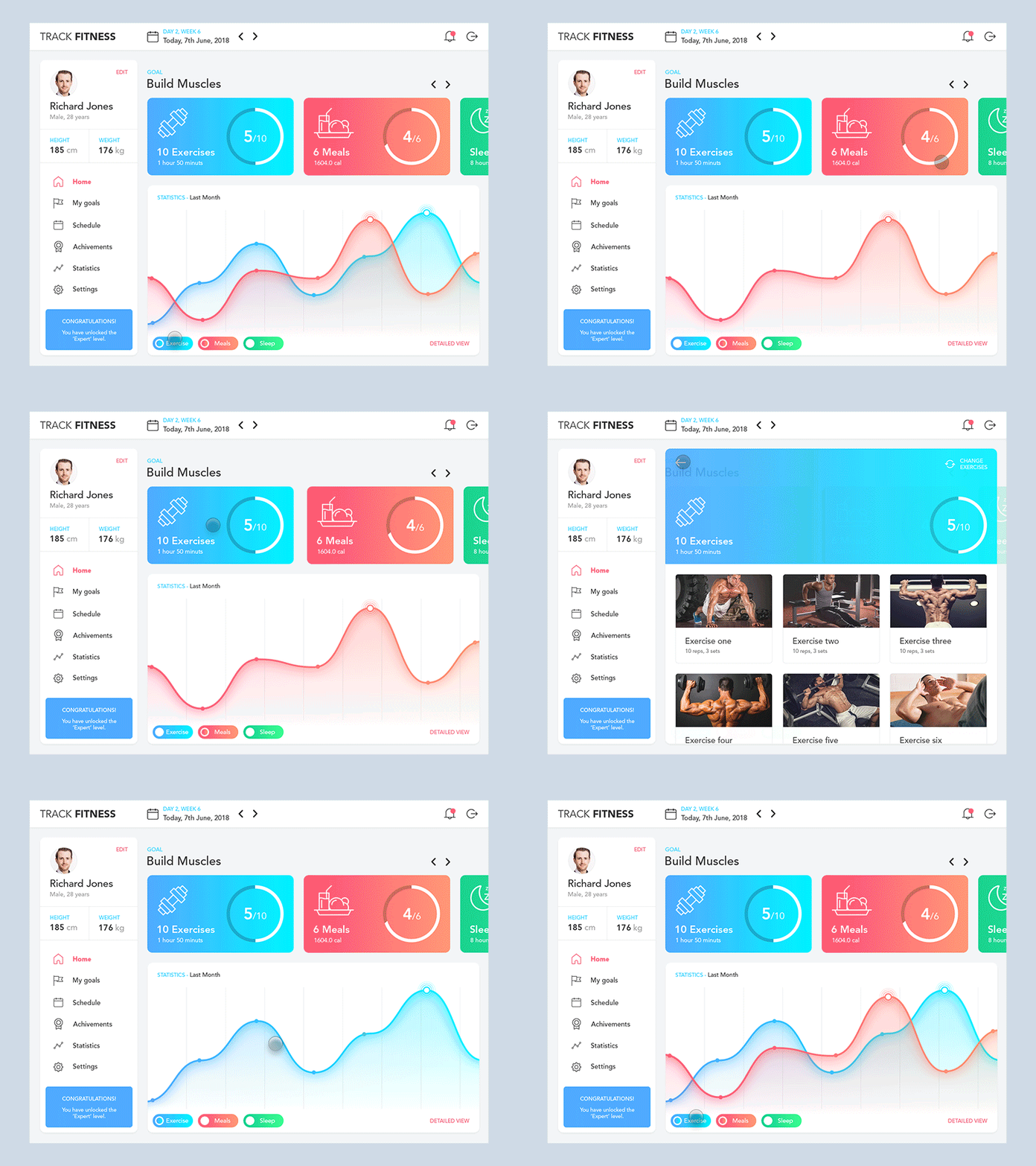
Wearables and fitness apps now track everything—heart rate, calories burned, training intensity, rest time, even recovery status. What used to rely on feeling is now supported by measurable data.
Instead of asking, “Did I train hard enough?” you can see exactly how your body responded.
This allows gymmers to train smarter. You know when to push harder, when to slow down, and when your body is not ready for another intense session. Over time, this leads to more consistent progress and fewer setbacks.
Form Correction and Injury Prevention

One of the biggest risks in the gym isn’t lack of effort—it’s poor form.
Technology is now stepping in to fix that.
AI-powered systems, smart mirrors, and camera-based apps can analyze your movement in real time. Whether it’s a squat, deadlift, or press, these tools provide immediate feedback on posture, alignment, and execution.
This is especially valuable for beginners, but even experienced gymmers benefit. Small corrections can prevent injuries and improve efficiency—turning the same workout into better results.
Recovery Becomes Part of the Plan

Training breaks your body down. Recovery builds it back up.
And yet, recovery is often ignored.
Modern fitness tech is changing that by making recovery visible and actionable. Devices track sleep quality, muscle fatigue, and readiness levels. Tools like massage guns, compression systems, and cold therapy are becoming part of everyday routines—not just for athletes, but for regular gym-goers.
The result is simple: less soreness, fewer injuries, and faster progress.
Nutrition and Performance Go Hand in Hand

No matter how hard you train, results depend on what you eat.
Technology is making nutrition easier to manage. Apps can track calories, protein intake, and meal timing, helping gymmers align their diet with their goals—whether it’s muscle gain, fat loss, or maintenance.
More advanced systems go further, offering personalized recommendations based on your activity level and progress.
This creates a complete loop: training, recovery, and nutrition all connected in one system.
The Shift From Effort to Optimization
What’s happening in fitness is not just an upgrade—it’s a shift in mindset.
It’s no longer about doing more. It’s about doing better.
Technology is helping gymmers remove guesswork, avoid wasted effort, and focus on what actually works. Progress becomes more predictable. Training becomes more efficient. And results become more sustainable.
Final Thought
You can still train the old way—and it will still work.
But the gap between traditional training and tech-supported training is growing.
Because in today’s fitness world, the people who progress the fastest are not just the ones who train the hardest.
They’re the ones who understand their bodies the best—and use technology to improve every part of the process. 💪