





























The government of Germany is preparing a major expansion of its artificial intelligence infrastructure, aiming to at least double the country’s data centre capacity and quadruple AI computing power by 2030.
The initiative is part of a broader effort by Europe’s largest economy to strengthen its technological independence and compete more effectively with global AI leaders such as the United States and China.
According to reporting by Reuters, the strategy includes new policies designed to attract large-scale investments in AI computing infrastructure.
A Strategic Push for AI Infrastructure
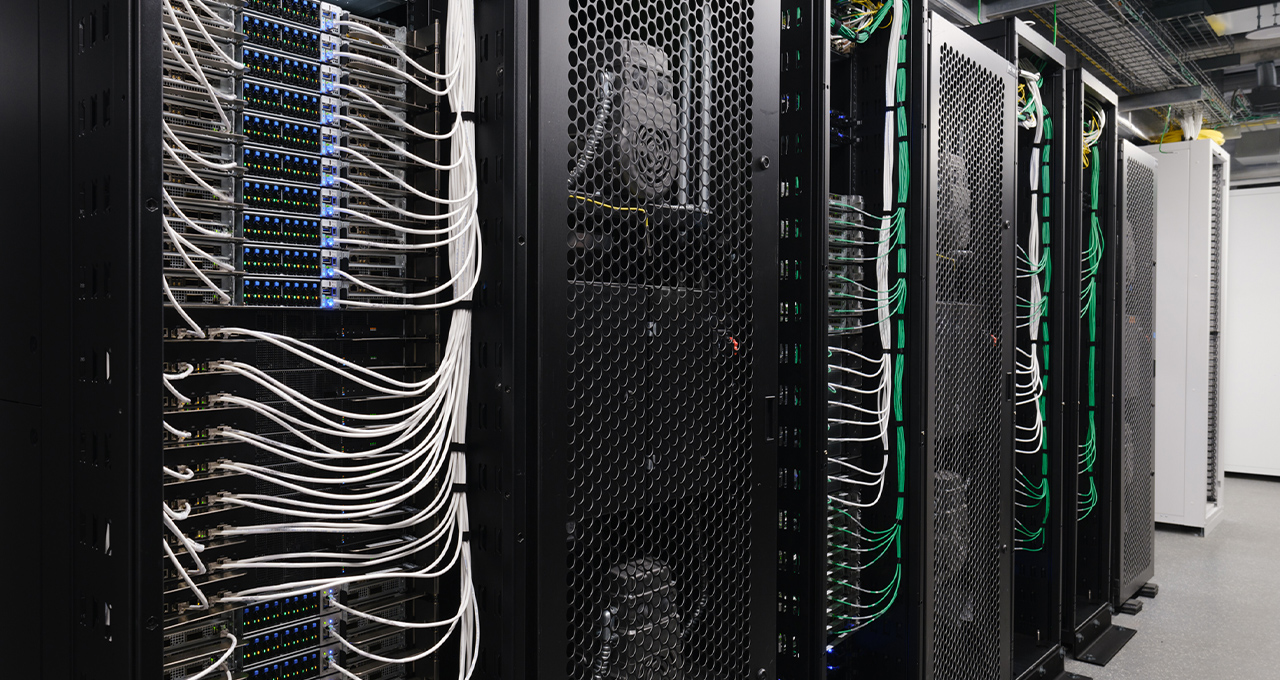
Germany’s plan focuses on rapidly expanding AI data processing capacity, which has become essential for training and running large-scale artificial intelligence models.
Under the proposed initiative:
- National data centre capacity will at least double by 2030
- AI data processing capabilities are expected to increase fourfold
- New infrastructure projects will receive government support
The plan is being led by Germany’s Digital Minister Karsten Wildberger, who has proposed several measures to accelerate development.
These include allocating land for new data centres, streamlining regulatory approvals, and encouraging cooperation between companies in the AI supply chain.
Tech Giants Already Investing in Germany

Major global technology companies have already been investing heavily in Germany’s digital infrastructure.
Among the largest investors are:
- Amazon Web Services
- Microsoft
These companies operate hyperscale data centres that support cloud services and AI computing workloads.
Germany also has several domestic players involved in the sector, including:
- Deutsche Telekom
- Schwarz Group
Despite these investments, much of Germany’s current AI infrastructure is still operated by foreign companies.
Europe’s Push for Digital Sovereignty

The expansion effort reflects a broader movement across Europe toward digital sovereignty—the ability to control key technology infrastructure within the region.
Several geopolitical factors are driving this push:
- rising global trade tensions
- increasing tariffs on technology products
- security concerns around digital infrastructure
- stricter regulation of online platforms
European governments want to ensure that critical AI infrastructure remains accessible and secure within their own borders.
Current Capacity and Future Growth
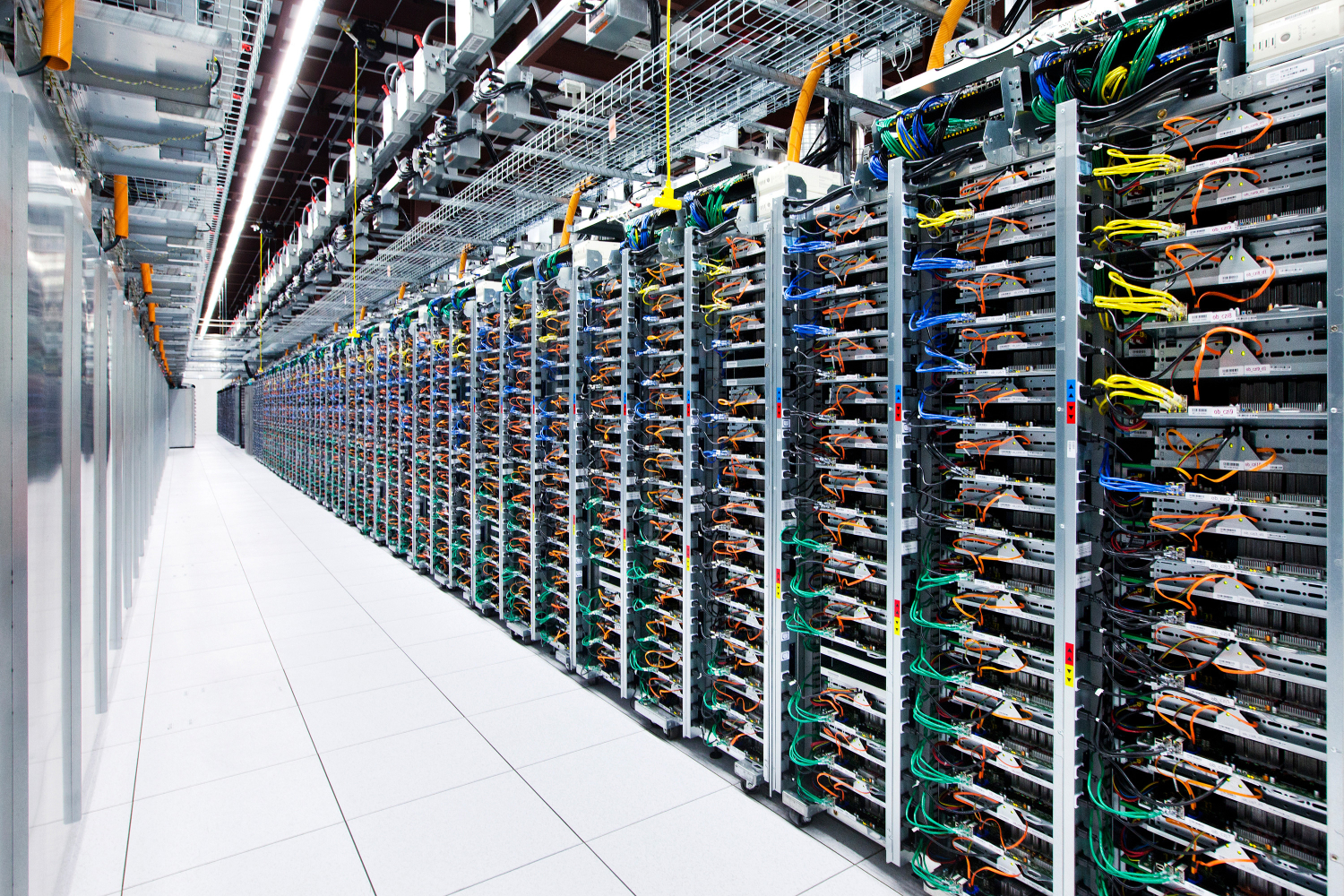

According to the German digital industry association Bitkom, AI-focused data centres in Germany had a total capacity of about 530 megawatts at the end of last year.
However, demand for AI computing power is growing extremely rapidly due to:
- generative AI models
- large-scale machine learning training
- cloud-based AI services
- data-intensive analytics
Expanding capacity will require not only new buildings but also massive upgrades to energy supply, cooling systems, and network infrastructure.
The Global AI Infrastructure Race
Germany’s initiative reflects a broader global race to build the infrastructure required for artificial intelligence.
Countries around the world are investing billions of dollars into:
- hyperscale data centres
- AI supercomputers
- semiconductor manufacturing
- cloud computing infrastructure
For Europe, expanding domestic AI computing power is seen as essential to maintaining competitiveness in the rapidly evolving digital economy.
If Germany successfully executes its strategy, the country could become one of the largest AI infrastructure hubs in Europe by the end of the decade.