





























In recent years, hypersonic weapons have emerged as one of the most important and controversial technological developments in modern military research. Capable of traveling at speeds greater than Mach 5—five times the speed of sound—these advanced systems represent a major shift in how future conflicts may be fought and defended.
Unlike traditional ballistic missiles, which follow predictable trajectories after launch, hypersonic weapons are designed to maneuver at extremely high speeds while flying within the atmosphere. This combination of speed, altitude, and maneuverability makes them significantly harder to detect and intercept using existing missile defense systems.
As a result, governments around the world are investing heavily in hypersonic research programs, viewing the technology as a strategic advantage in the evolving landscape of global defense and aerospace innovation.
What Exactly Are Hypersonic Weapons?
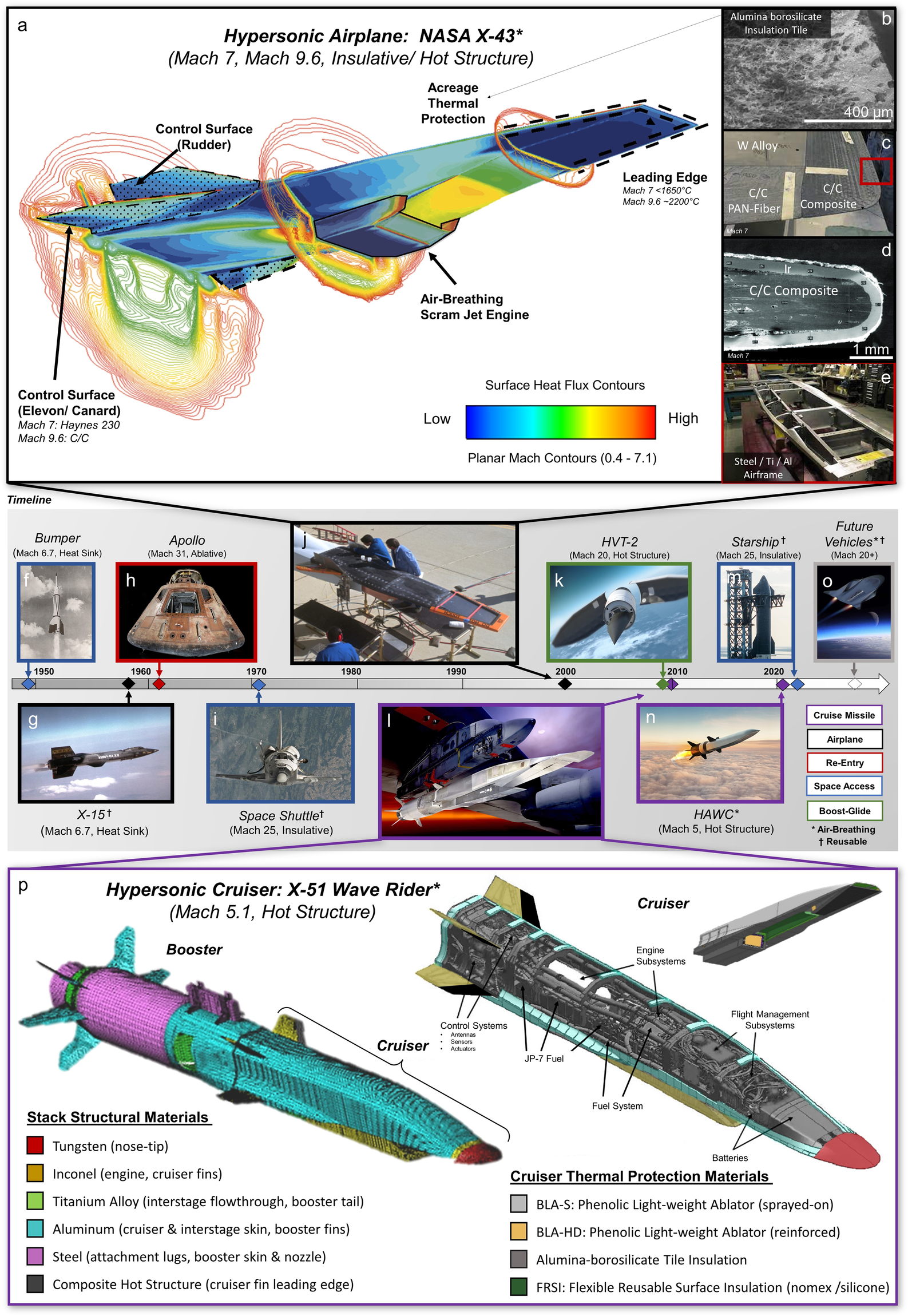
Hypersonic weapons refer to a class of vehicles or missiles that can travel at speeds exceeding Mach 5 while maintaining the ability to maneuver during flight. At these speeds, the physics of flight becomes extremely complex due to intense heat, aerodynamic pressure, and plasma formation around the vehicle.
There are generally two primary categories of hypersonic systems:
Hypersonic Glide Vehicles (HGVs)
These vehicles are launched into the upper atmosphere by rockets. After reaching high altitude, they detach and glide toward their targets at hypersonic speeds while maneuvering unpredictably.
Hypersonic Cruise Missiles (HCMs)
These weapons are powered by advanced air-breathing engines known as scramjets (supersonic combustion ramjets). Scramjets allow missiles to sustain hypersonic speeds while flying within the atmosphere.
Both systems offer a critical advantage: their flight paths can change during travel, making them difficult for traditional missile defense systems to track.
Why Hypersonic Weapons Are So Difficult to Defend Against
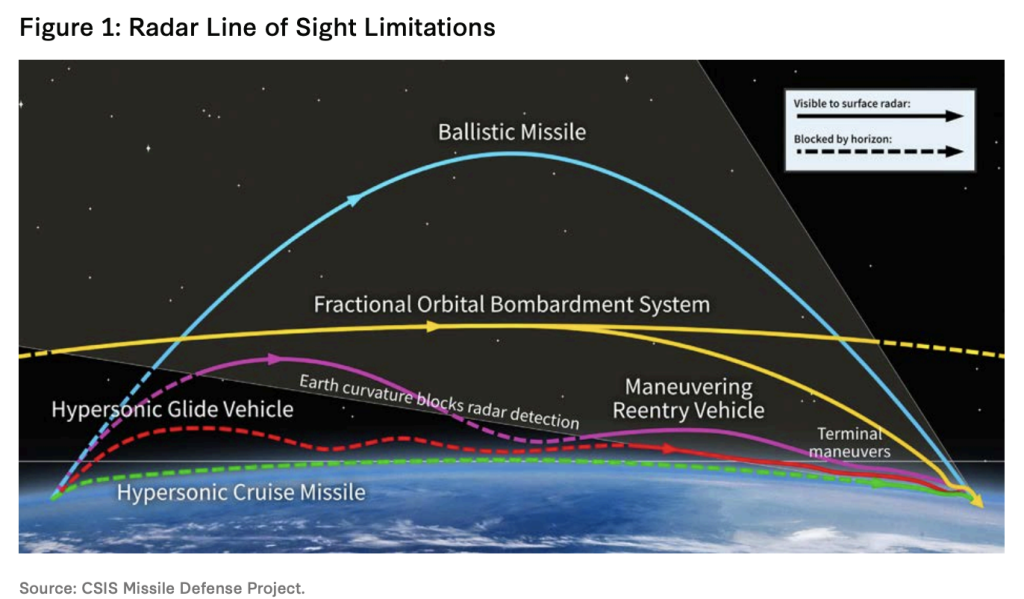
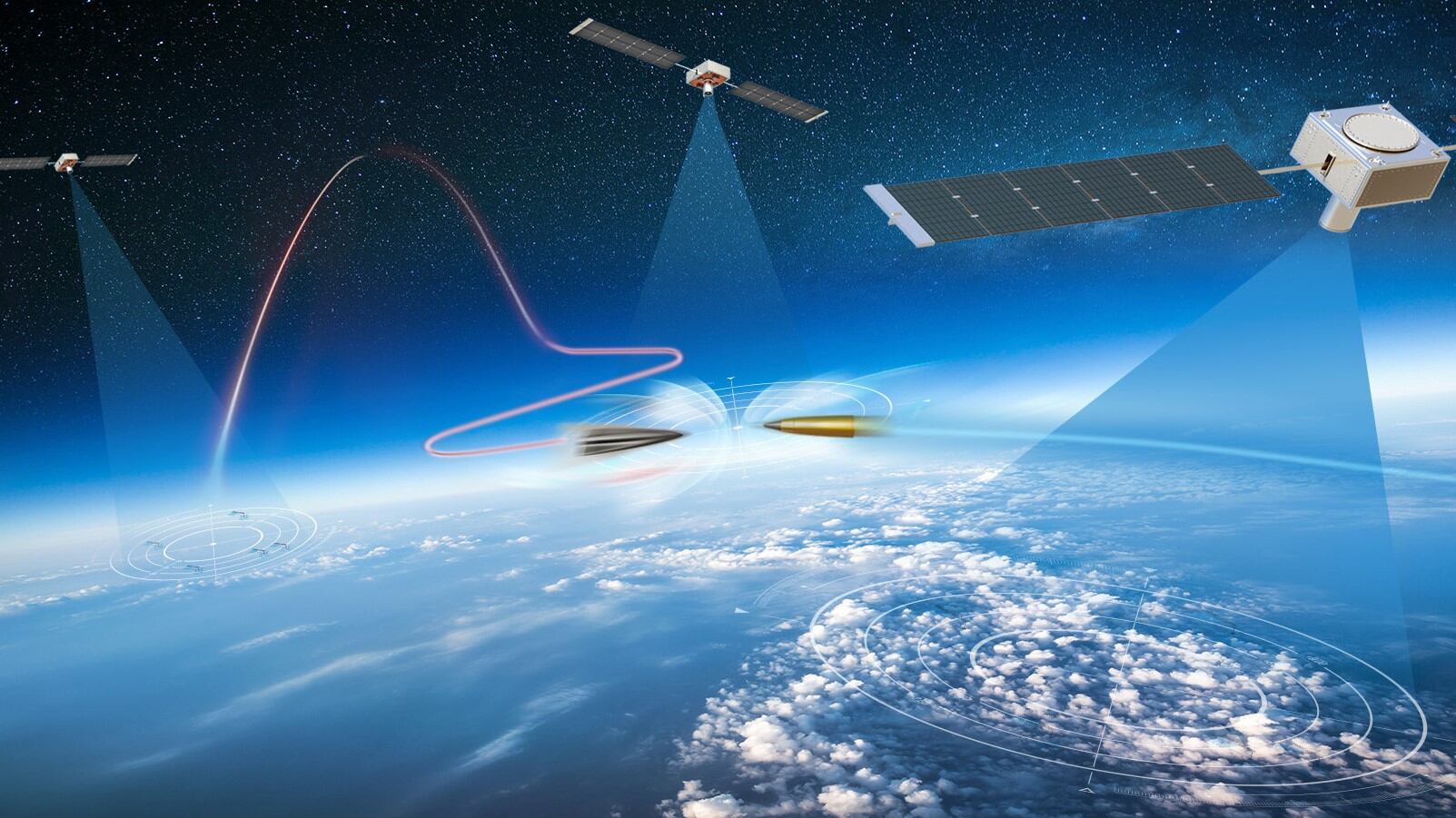
Traditional missile defense systems were largely designed to intercept ballistic missiles. These missiles typically travel along predictable arcs that can be calculated after launch, allowing defense systems to estimate their landing points and attempt interception.
Hypersonic weapons challenge this approach in several ways:
Extreme speed
At speeds exceeding Mach 5—and in some cases Mach 10 or higher—hypersonic weapons significantly reduce the reaction time available for detection and interception.
Maneuverability
Unlike ballistic missiles, hypersonic glide vehicles can change direction mid-flight, complicating tracking and targeting efforts.
Low flight altitude
Many hypersonic systems travel within the upper layers of the atmosphere rather than high above it, making them harder to detect with traditional radar systems.
Because of these characteristics, existing missile defense technologies may struggle to reliably intercept hypersonic threats.
The Global Race to Develop Hypersonic Technology
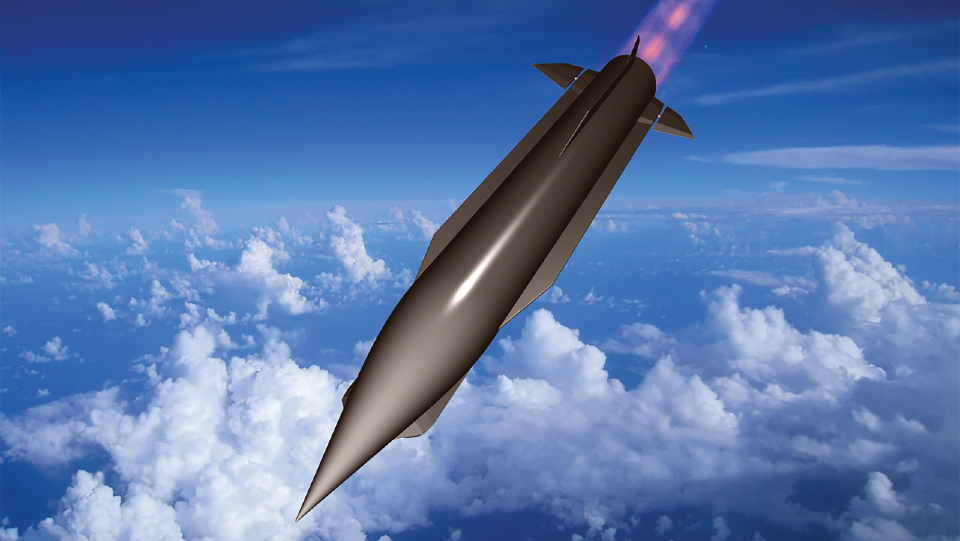
Several major world powers are actively investing in hypersonic research and testing programs. These initiatives aim to develop weapons capable of rapid strike capabilities, improved survivability, and strategic deterrence.
Research programs typically focus on several key technological challenges:
- Thermal protection systems capable of surviving extreme temperatures
- Advanced guidance and navigation systems
- High-speed propulsion technologies such as scramjet engines
- Materials capable of withstanding hypersonic aerodynamic forces
Testing these systems is extremely complex. Engineers often rely on specialized wind tunnels capable of simulating hypersonic airflow conditions, as well as experimental flight tests to validate designs.
Despite these challenges, significant progress has been made over the past decade, and several experimental systems have already demonstrated operational potential.
Engineering Challenges Behind Hypersonic Flight

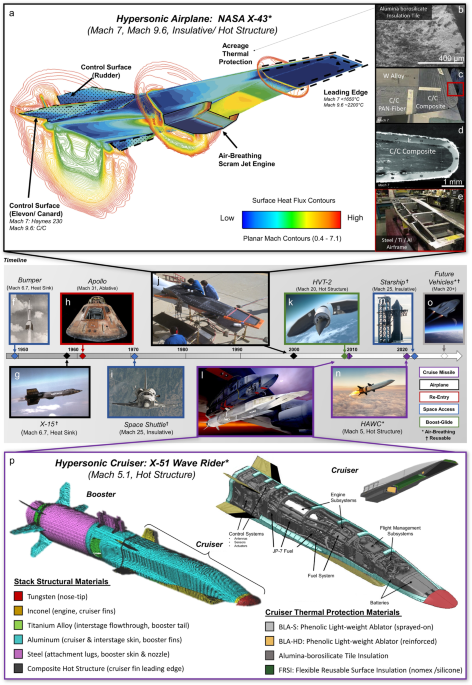
Operating at hypersonic speeds presents enormous engineering challenges. One of the most significant is the extreme heat generated by air friction at high velocities.
As vehicles travel through the atmosphere at hypersonic speeds, temperatures on their surfaces can reach thousands of degrees Celsius. This heat can damage structural materials, disrupt electronics, and affect flight stability.
To address these challenges, engineers are developing advanced materials and cooling systems capable of surviving such extreme conditions. Some research focuses on ceramic-based composites and specialized heat-resistant alloys similar to those used on spacecraft during atmospheric reentry.
Another major challenge involves propulsion. Scramjet engines must operate under conditions where air enters the engine at supersonic speeds, requiring extremely precise fuel injection and combustion control.
Hypersonic Technology Beyond Military Applications
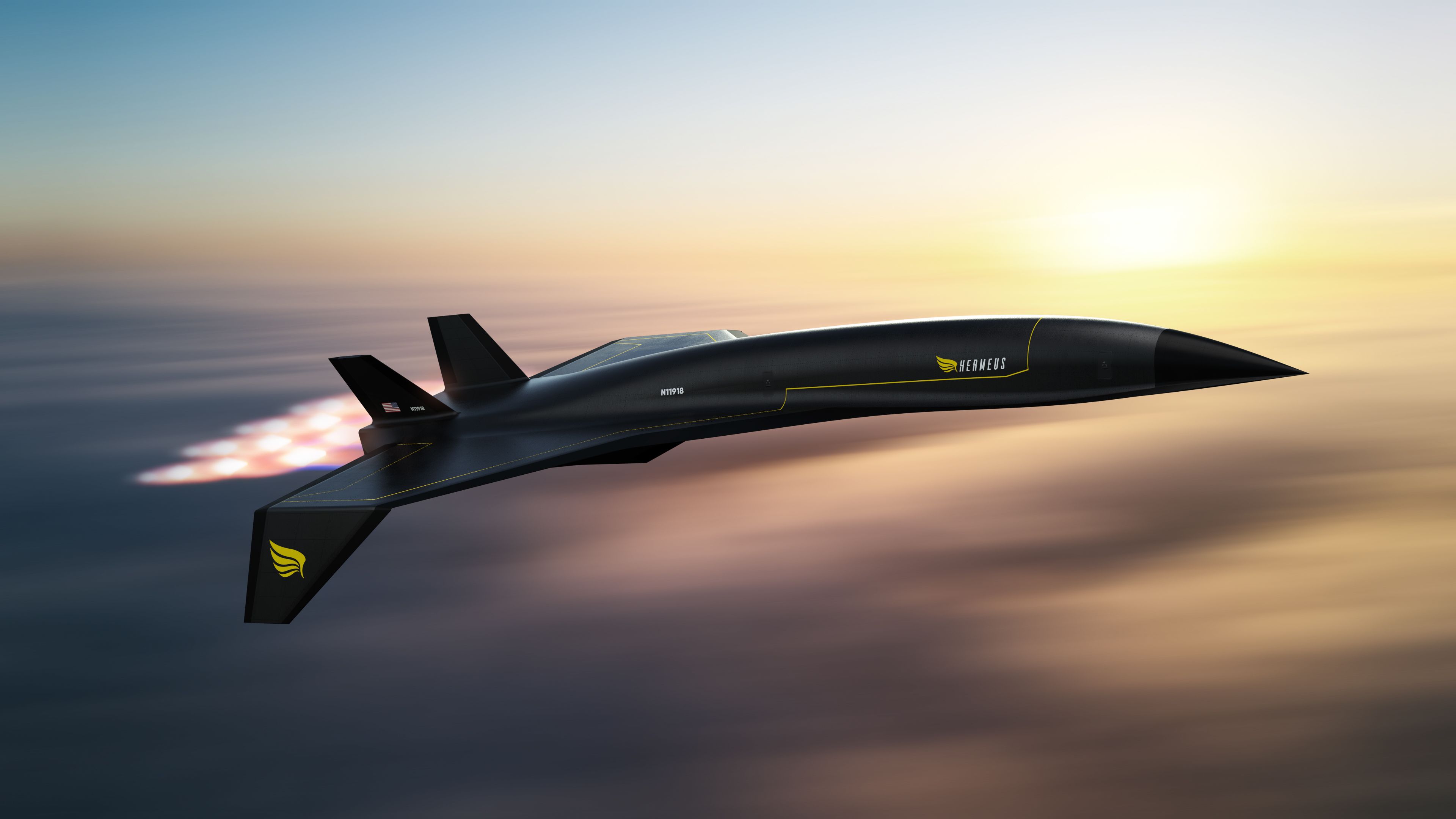
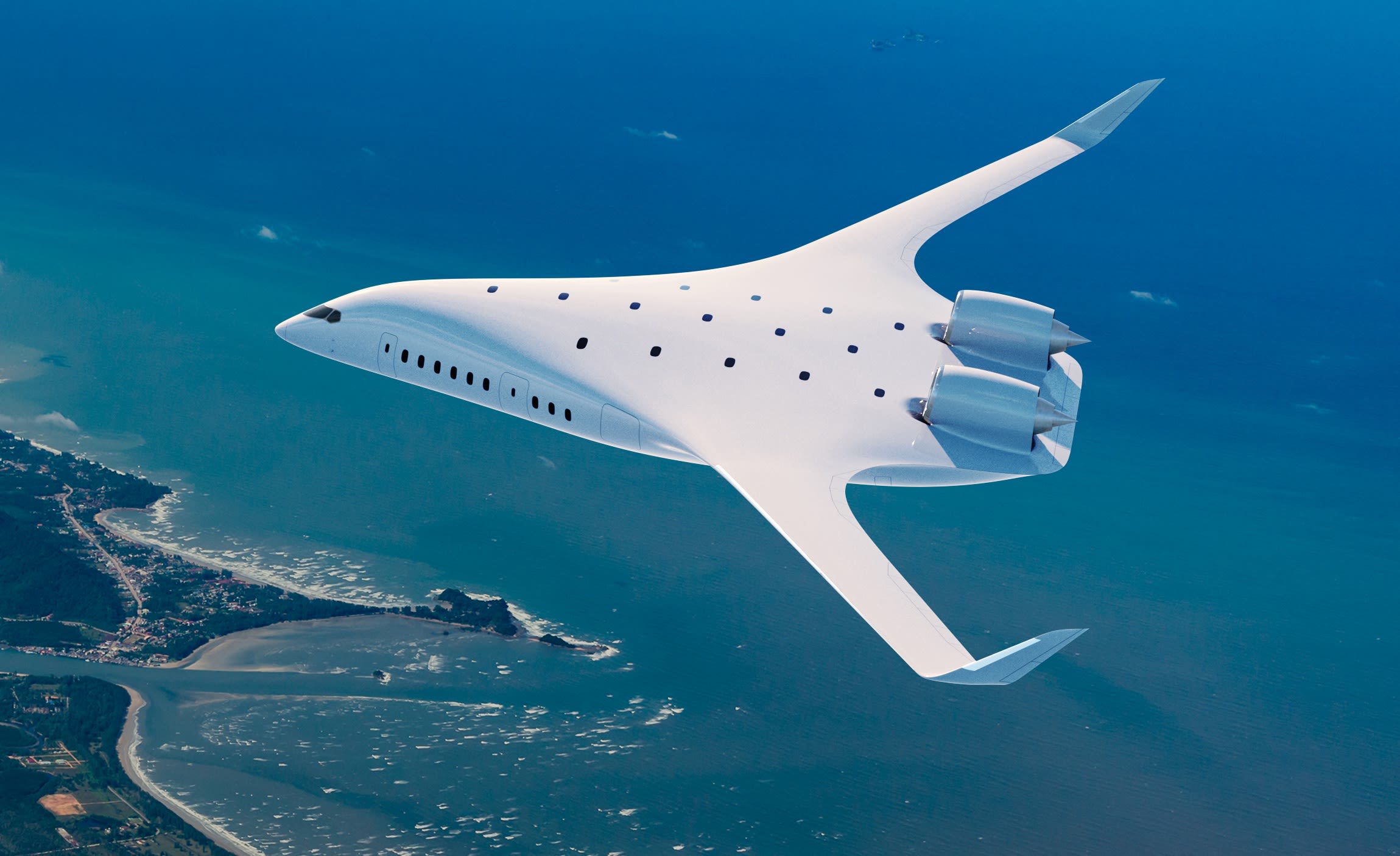
Although much of the current research is focused on defense applications, hypersonic technology may also influence future civilian aerospace innovations.
Researchers are exploring the possibility of hypersonic passenger aircraft capable of dramatically reducing travel times between major cities. A hypersonic aircraft could theoretically travel between continents in just a few hours.
Other potential applications include:
- Rapid global cargo delivery
- High-speed reconnaissance aircraft
- Advanced space launch systems
- Atmospheric research platforms
However, many technological hurdles remain before hypersonic flight becomes practical for commercial aviation.
The Future of Hypersonic Research
Hypersonic technology represents one of the most complex frontiers in modern aerospace engineering. Its development requires breakthroughs in materials science, propulsion systems, and high-speed aerodynamics.
While many programs remain in experimental stages, continued investment in research suggests that hypersonic systems will play an increasingly important role in both military strategy and advanced aerospace technologies.
As nations continue to compete in the development of these high-speed systems, hypersonic technology may shape the future of global security, aviation, and space exploration in ways that are only beginning to be understood.