



























The rapid rise of the creator economy has become one of the most influential forces shaping the modern technology industry. Over the past decade, digital platforms have enabled millions of individuals to transform hobbies such as video production, podcasting, gaming, and blogging into sustainable careers.
What once began as a niche community of online influencers has evolved into a massive global ecosystem supported by sophisticated technology infrastructure. Today, content creators rely on a wide range of tools—from cameras and editing software to cloud platforms and artificial intelligence—to produce and distribute content across multiple platforms.
As a result, technology companies are increasingly designing products and services specifically tailored to the needs of creators. The creator economy is no longer just a cultural phenomenon; it is now a major driver of innovation within the global tech industry.
Industry analysts estimate that the global creator economy is worth hundreds of billions of dollars, with millions of creators generating income through digital platforms. This rapidly expanding market has sparked intense competition among technology companies eager to develop the next generation of tools for creators.
The Rise of Creator-Focused Technology Platforms

One of the most visible changes in the technology industry is the emergence of software platforms built specifically for content creators. These platforms aim to simplify complex production processes and enable individuals to create professional-quality content without requiring large teams or expensive studio environments.
Modern creator platforms now integrate a wide range of capabilities into a single workflow. For example, many editing tools include artificial intelligence features that can automatically remove silent segments from videos, generate subtitles, and optimize content for social media platforms.
In addition to editing tools, creators increasingly rely on analytics platforms that provide detailed insights into audience behavior. These analytics systems help creators understand which types of content perform best, allowing them to refine their strategies and grow their audiences more effectively.
Cloud-based production tools are also becoming increasingly important. These systems allow creators to collaborate with editors, designers, and producers across different locations, enabling distributed production teams to work together seamlessly.
As competition among creator tools intensifies, software companies are focusing on building platforms that streamline the entire content production process—from idea generation and scripting to editing, publishing, and performance analysis.
Artificial Intelligence Is Transforming Content Production

Artificial intelligence has become one of the most transformative technologies within the creator ecosystem. AI-powered tools are increasingly integrated into content production workflows, helping creators automate tasks that previously required hours of manual work.
For example, AI video editing software can analyze raw footage and automatically identify key moments within recordings. These tools can remove pauses in speech, adjust audio levels, and even generate highlight clips optimized for short-form platforms.
AI is also transforming other aspects of content production. Some tools can generate thumbnail designs, suggest video titles, and recommend keywords to improve discoverability on search and social platforms.
Another emerging category involves AI-assisted scriptwriting. These systems can help creators generate outlines, brainstorm content ideas, and draft scripts based on trending topics and audience preferences.
While human creativity remains essential, AI technologies are significantly accelerating production workflows and enabling creators to publish content more consistently.
Hardware Manufacturers Are Adapting to Creator Needs
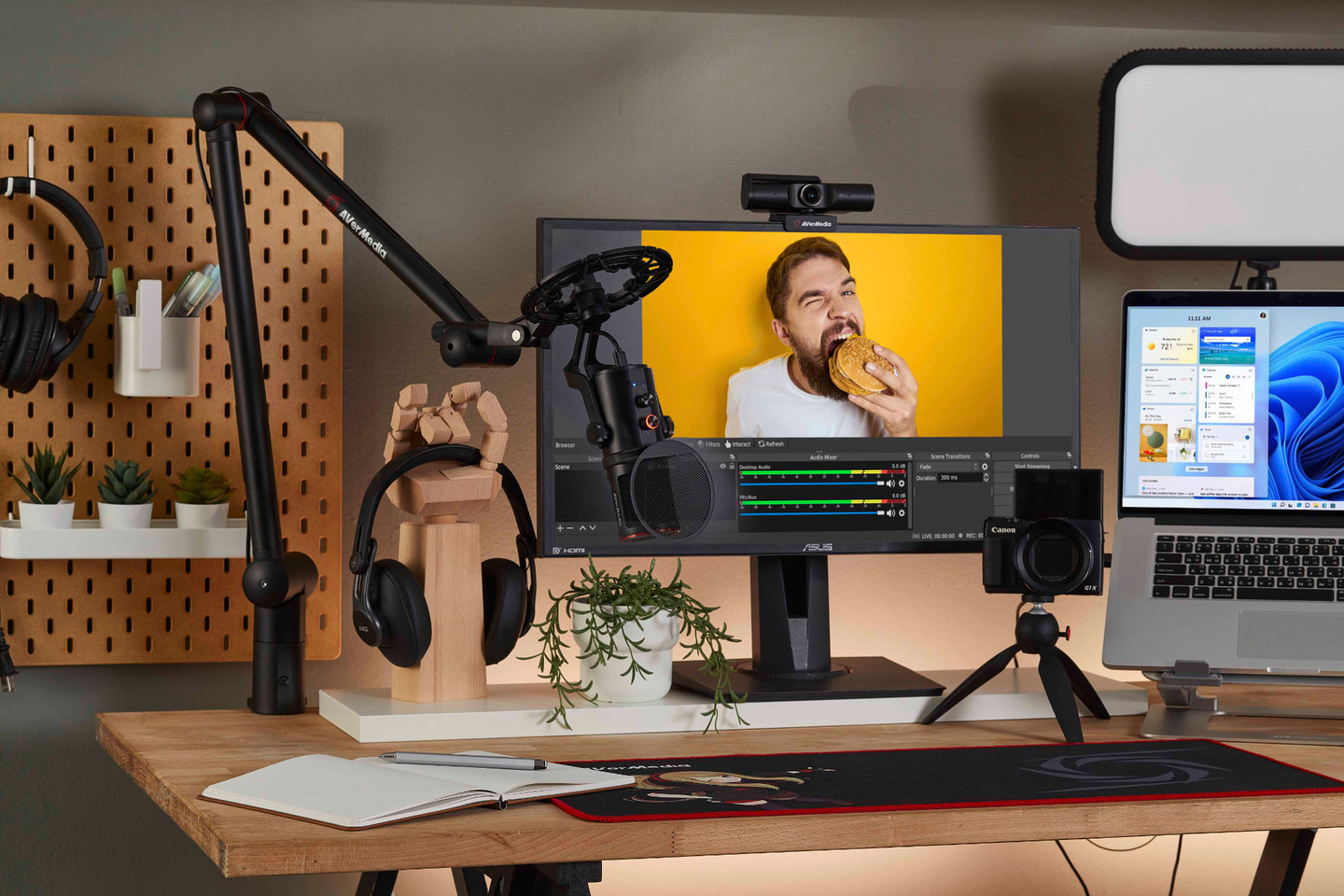

The growing influence of the creator economy is not limited to software platforms. Hardware manufacturers are also adapting their products to meet the demands of digital creators.
Camera companies are introducing mirrorless cameras designed specifically for video creators. These cameras often include features such as high-quality autofocus systems, flip screens for self-recording, and advanced video capabilities like 4K and slow-motion recording.
Audio equipment manufacturers are also releasing compact microphones optimized for podcasting, streaming, and home studio recording. USB microphones and portable audio interfaces have become particularly popular among creators who produce content from small studios or home environments.
Even computer manufacturers are responding to creator demands by developing high-performance laptops and desktop systems optimized for video editing, graphic design, and AI-assisted workflows.
This shift illustrates a broader transformation in the technology industry: creators have become an important consumer segment that influences the design of new hardware products.
Competition Among Platforms Is Intensifying

As the creator economy expands, technology platforms are competing more aggressively to attract content creators and retain their audiences.
Social media companies are introducing new monetization features that allow creators to earn revenue directly from their content. These features include advertising revenue sharing programs, subscription models, fan memberships, and digital tipping systems.
Some platforms are also developing creator funds that provide financial incentives to encourage creators to produce exclusive content.
At the same time, new platforms are emerging that focus specifically on supporting independent creators. These services often emphasize transparent revenue models and stronger relationships between creators and their audiences.
This competition is accelerating innovation across the industry, as companies seek to provide creators with better tools, analytics, and monetization opportunities.
The Future of the Creator Technology Industry

Looking ahead, the creator economy is expected to play an even larger role in shaping the future of the technology industry.
Advances in artificial intelligence, augmented reality, and cloud computing are likely to introduce entirely new ways for creators to produce and distribute content. Future production environments may include immersive virtual studios, AI-driven editing assistants, and collaborative platforms that allow creators to work together in real time from anywhere in the world.
The integration of emerging technologies such as augmented reality and spatial computing may also enable new forms of interactive content that blend digital media with physical environments.
As the boundaries between technology, entertainment, and media continue to blur, the creator economy will remain a powerful force driving innovation across the tech industry.
For technology companies, supporting digital creators is no longer optional—it has become a central part of the industry’s future.