



























For years, screen time has been seen as the enemy of learning. Parents worry about distraction, addiction, and the loss of real-world interaction. But the reality today is more nuanced. Technology is no longer just a source of entertainment — it has quietly evolved into a powerful learning environment. The real question is no longer whether kids should use technology, but how they use it.
⚡ From Passive Consumption to Active Thinking
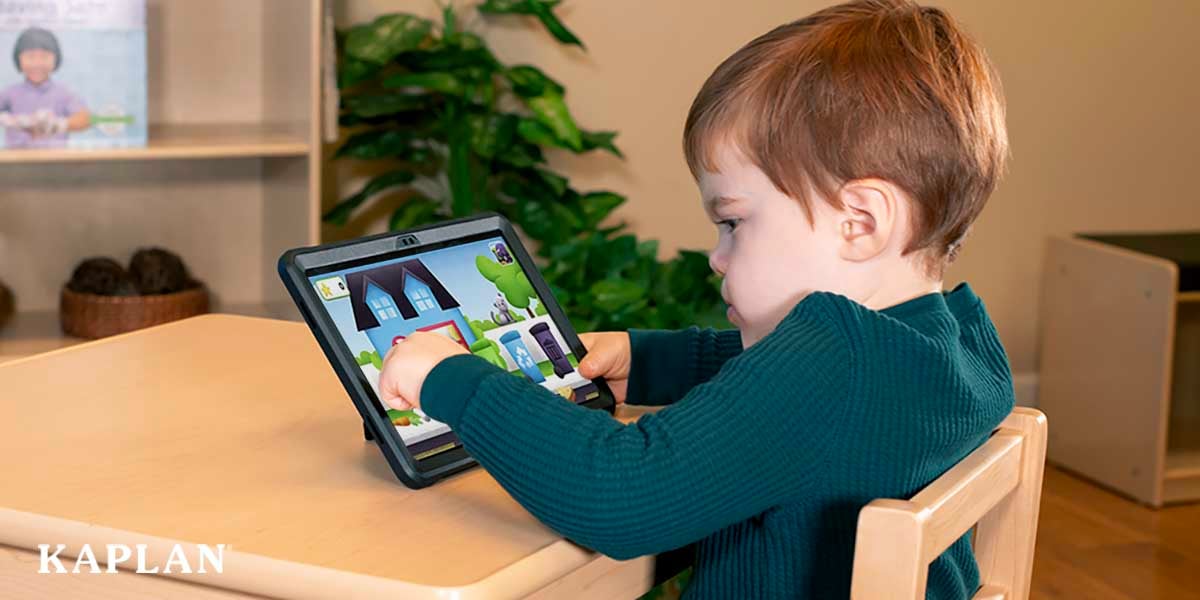
The biggest difference between harmful and beneficial screen time lies in one simple factor: interaction. When children passively watch videos, their brains operate in a low-engagement mode, absorbing content without processing it deeply. In contrast, modern learning apps and devices are designed to require participation. Children are asked to solve problems, make decisions, and respond to feedback in real time.
This shift transforms the experience completely. Instead of being entertained, children are actively thinking. They begin to associate screens not just with fun, but with exploration and discovery. Over time, this builds cognitive habits that traditional passive media simply cannot provide.
🧠 Personalized Learning That Adapts in Real Time
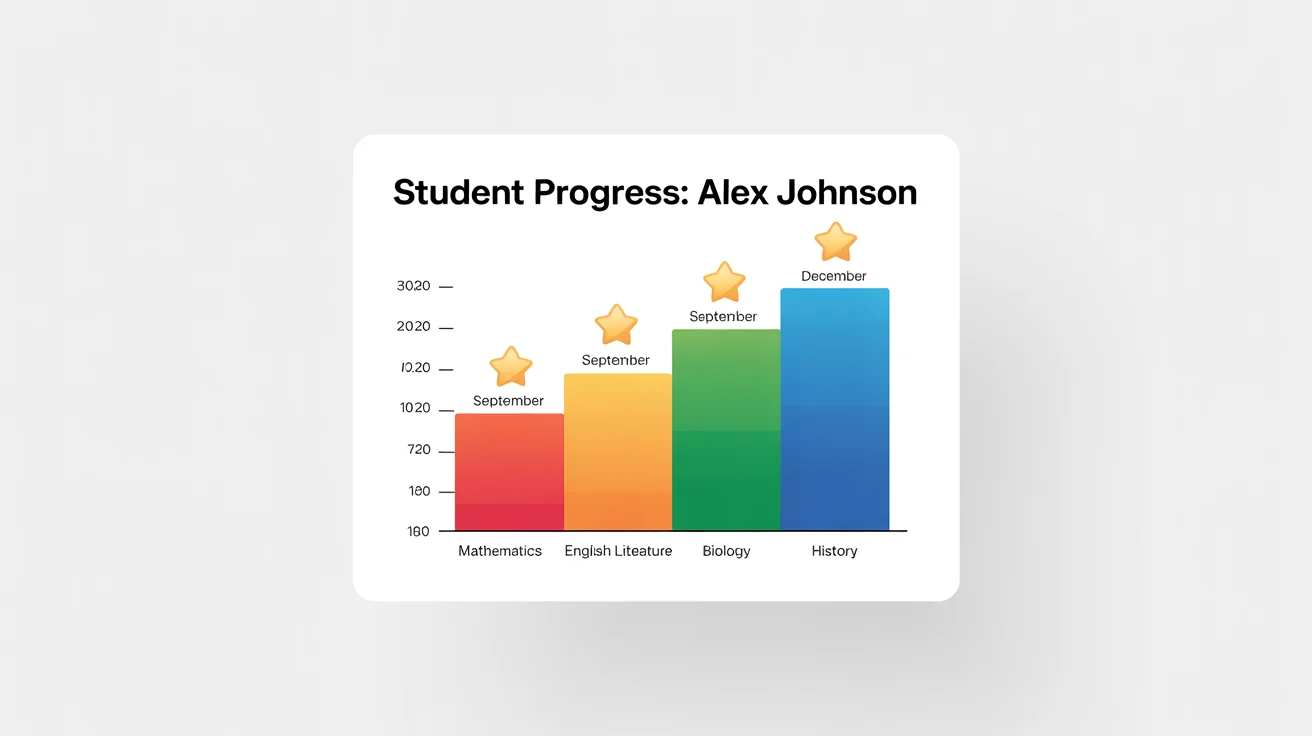

One of the most powerful advantages of learning technology is its ability to adapt. In a traditional classroom, every child follows the same pace, regardless of their individual ability. This often leads to frustration for those who struggle and boredom for those who learn quickly.
With adaptive learning systems, that limitation disappears. The technology observes how a child responds — how quickly they answer, where they make mistakes, what they understand — and adjusts the difficulty accordingly. If a concept is too challenging, the system slows down and provides more guidance. If it becomes too easy, it introduces more complex problems.
This creates a learning environment that feels natural. The child is neither overwhelmed nor disengaged. Instead, they stay in a state of continuous progress, where learning feels achievable and rewarding.
🎮 Learning Through Play — The Natural Advantage


Children are naturally wired to learn through play. Long before technology existed, play was already the most effective learning method. What modern tech does is amplify that instinct.
Educational games, coding platforms, and interactive tools turn abstract concepts into tangible experiences. A math problem becomes a challenge to unlock the next level. Basic programming becomes a puzzle to control a character. Science becomes something to build, test, and experiment with.
This changes the emotional relationship with learning. Instead of resistance, there is curiosity. Instead of pressure, there is engagement. Children don’t feel like they are being taught — they feel like they are exploring.
⚖️ The Hidden Problem Behind “Educational” Apps


However, not all learning technology delivers on its promise. The label “educational” has become easy to claim, but difficult to verify. Many apps are designed more for engagement metrics than actual learning outcomes. They rely heavily on bright visuals, constant rewards, and rapid stimulation to keep children hooked.
The result is a subtle but important problem. Children may appear focused, but in reality, they are simply reacting rather than thinking. They tap, swipe, and chase rewards without truly understanding the content.
Over time, this can reduce attention span and weaken deep thinking skills. Instead of learning how to solve problems, children learn how to navigate systems designed to keep them engaged.
🌱 Rethinking the Role of Technology in Learning
Technology should not replace traditional learning, nor should it dominate a child’s daily life. Its real value lies in supporting and enhancing the learning process, especially in ways that are difficult to achieve otherwise.
When used intentionally, learning tech can provide structure, feedback, and engagement that complement real-world experiences. It can fill gaps, reinforce knowledge, and spark curiosity. But it still needs guidance. Children benefit most when technology is part of a balanced environment — one that includes conversation, physical activity, and human interaction.
In the end, the goal is not to raise children who depend on technology to learn. It is to raise children who develop the ability to learn effectively in any environment.
And when used correctly, technology doesn’t replace that ability —
it strengthens it. 🚀