






















For more than a decade, smartphones have dominated the way people interact with technology. But a new generation of wearable devices—augmented reality (AR) glasses—could eventually change that.
Technology companies and research labs around the world are developing smart glasses capable of projecting digital information directly into the user’s field of vision. These devices blend the physical world with digital interfaces, creating what many experts believe could become the next major computing platform.
Instead of constantly looking down at a phone screen, users wearing AR glasses can see notifications, navigation directions, messages, and digital content layered directly onto the real world around them.
If the technology continues to evolve, AR glasses may one day replace many of the functions currently performed by smartphones.
How AR Glasses Work
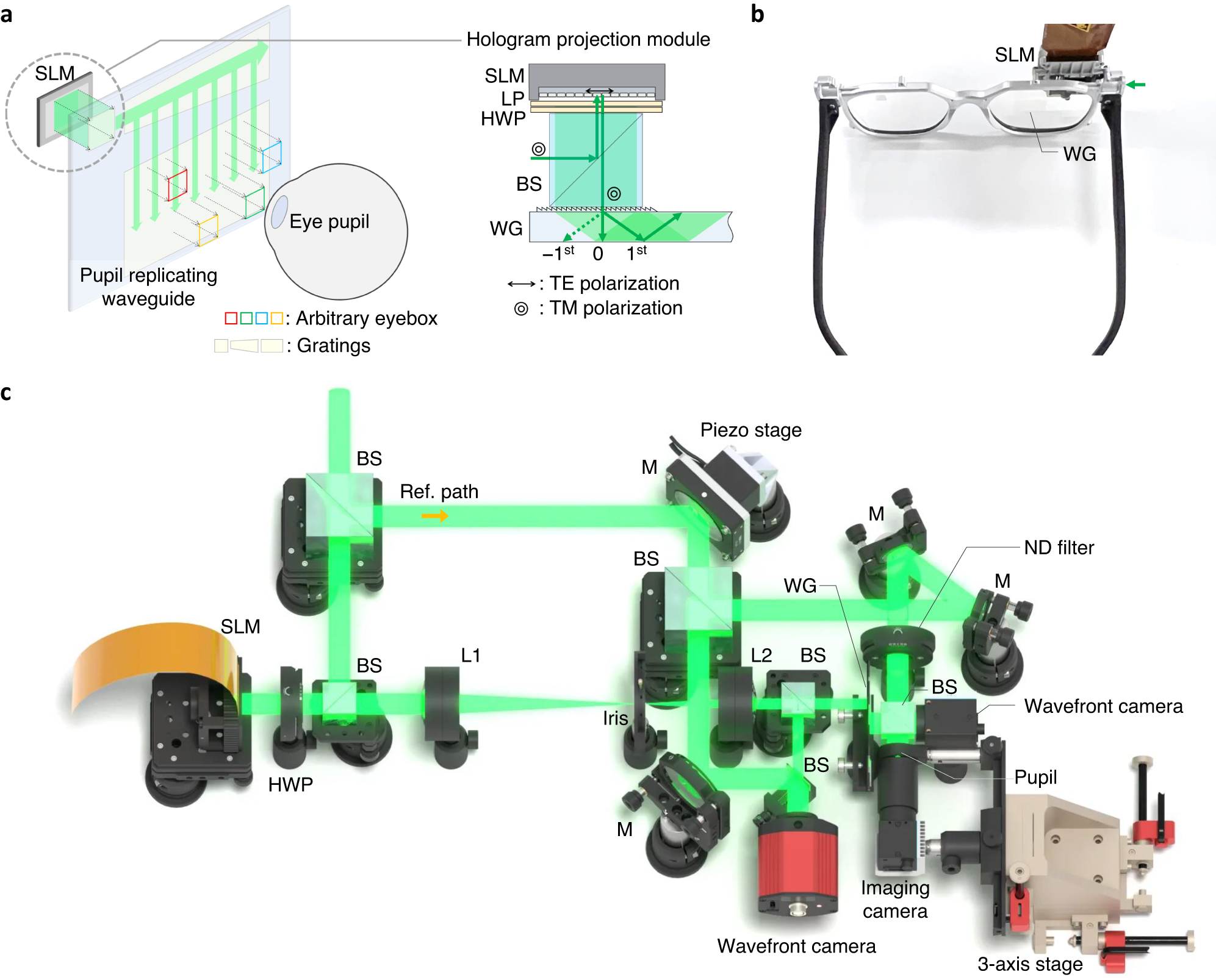
At the core of AR glasses is a sophisticated optical system designed to project digital images onto transparent lenses. These images appear to float in the user’s environment while still allowing them to see the real world.
Several key technologies make this possible:
Micro-projectors
Tiny projectors embedded in the frame generate digital visuals.
Waveguide optics
Specialized lenses guide light across the surface of the glass, projecting images into the user’s field of view.
Environmental sensors
Cameras and sensors help the device understand the surrounding environment so digital objects can be positioned accurately.
On-device processors
Powerful chips process visual data, manage applications, and run AR software in real time.
Together, these components allow AR glasses to overlay navigation maps, messages, or virtual objects onto the real world.
Potential Everyday Uses


Although AR glasses are still in early development, the potential applications are vast. Many experts believe these devices could eventually become everyday productivity tools.
Some possible uses include:
Navigation assistance
Directions could appear directly in front of users while walking or driving.
Real-time translation
Foreign language text or speech could be translated instantly through the display.
Hands-free communication
Messages, calls, and notifications could appear in the user’s vision without needing a phone.
Workplace productivity
Technicians could see repair instructions while working on complex machinery.
These capabilities could make AR glasses especially useful in fields such as manufacturing, engineering, healthcare, and logistics.
Major Challenges Facing AR Devices
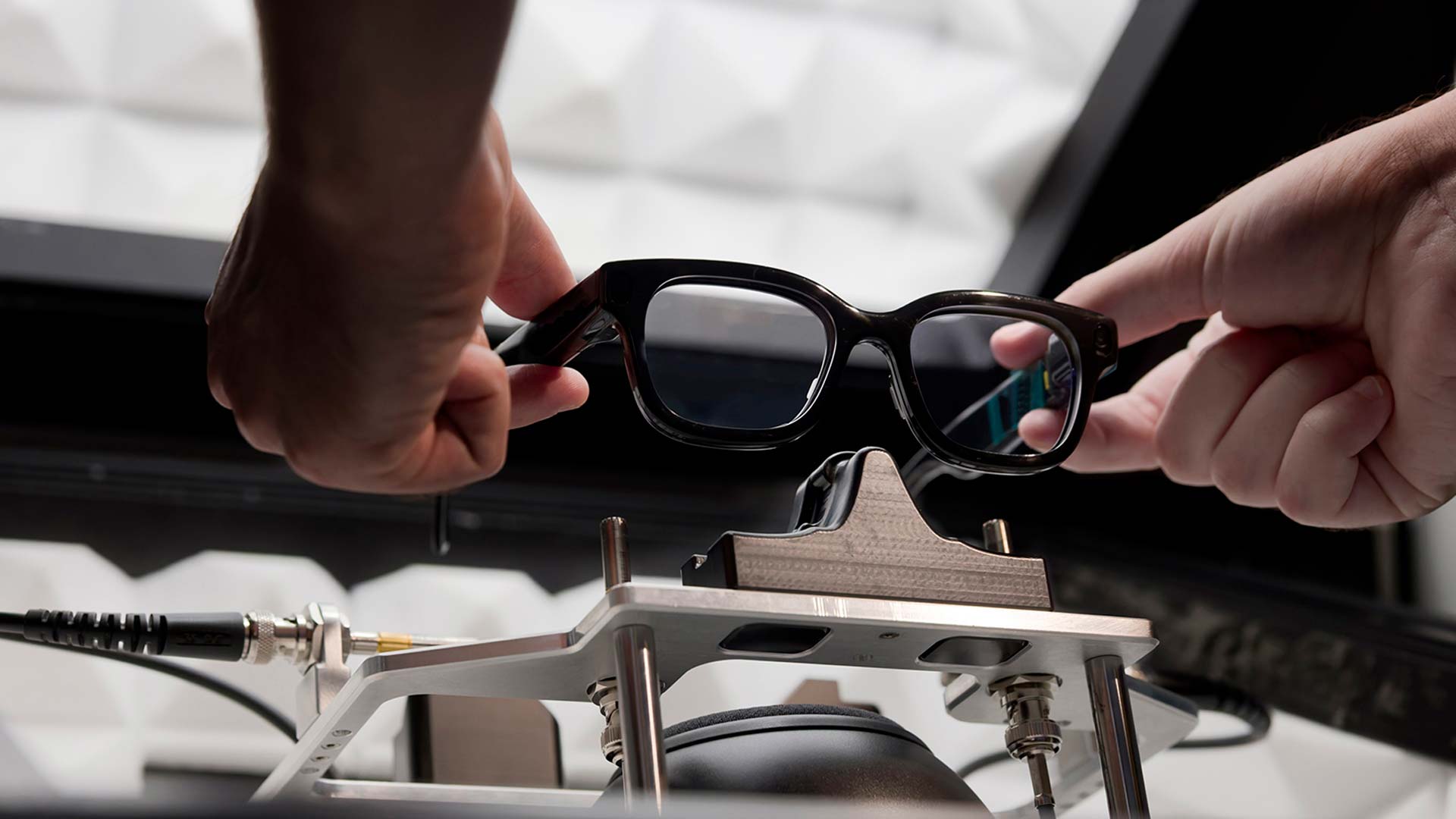
Despite the excitement surrounding augmented reality technology, significant challenges remain before AR glasses can become mainstream consumer devices.
One of the biggest obstacles is miniaturization. Engineers must fit powerful processors, batteries, cameras, and display systems into frames that remain lightweight and comfortable.
Battery life is another critical challenge. AR applications require substantial processing power, which can quickly drain small wearable batteries.
Privacy concerns are also an important issue. Because AR glasses often include cameras and sensors, developers must ensure that these devices are designed with clear safeguards to protect user privacy.
Solving these challenges will be essential before AR glasses can achieve widespread adoption.
The Future of Wearable Computing


The development of AR glasses represents a broader shift toward wearable computing—technology that integrates seamlessly into everyday life.
Future devices may combine augmented reality displays with artificial intelligence assistants, advanced sensors, and cloud connectivity. Users could access digital information instantly without needing to interact with traditional screens.
Some analysts believe that within the next decade, wearable computing devices such as AR glasses could begin replacing smartphones as the primary way people access digital information.
While that transition may still take time, the rapid pace of innovation suggests that augmented reality glasses could become one of the most important consumer technologies of the future.