














It’s a bargain at $499.
Nothing takes a different approach with its smartphone lineup. For the second year in a row, its midrange A-series phones have launched ahead of its next flagship. The company has already confirmed that the Nothing Phone 4 won’t arrive until next year.
In the meantime, the Nothing Phone 4a Pro steps in to carry the brand forward — and it does so with a more refined design, a less intrusive camera bump, and upgraded internals that even surpass last year’s Nothing Phone 3, all while maintaining a competitive $499 price.
In 2026, Nothing is clearly aiming to challenge devices like the Google Pixel 10a.
Score: 84 / 100
The Phone 4a Pro continues Nothing’s strong performance in the midrange segment, offering a more polished design with fewer compromises.
Pros and Cons
| Pros | Cons |
|---|---|
| Premium aluminum unibody design | Glyph Matrix has reduced utility |
| Improved battery life | Video performance is disappointing |
| More powerful processor | Limited Android update support |
| Excellent value for the price |
Hardware

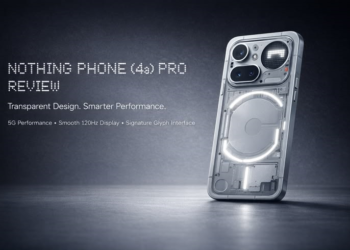
It’s a new look — which is typical for Nothing. The company has consistently reimagined what users can see through its transparent back panels. This year, however, the changes go further: the Phone 4a Pro is Nothing’s first device to feature a metal (aluminum) unibody design.
The redesign also introduces a new periscope telephoto camera layout, eliminating the overly thick camera bump seen on the Phone 3a Pro. The result is a device that feels and looks more refined — even more premium than Nothing’s previous flagship, the Phone 3.
However, compared to earlier models, the design feels slightly more restrained and less playful. The signature Nothing aesthetic — including bold accents, visible internal elements, and circular motifs — is now more contained within a structured camera module.
This module houses three cameras, a “Now Recording” red indicator, and an updated Glyph Matrix system.
The new Glyph Matrix is larger and brighter but uses only 137 mini-LEDs, compared to 489 on the Phone 3. While brightness has increased significantly (up to 100% brighter), the reduction in LED count results in lower resolution.
Another notable change is the removal of the rear button used to cycle through Glyph features. Instead, users must navigate menus within the settings app, which makes switching functions less intuitive. Additionally, the number of available Glyph “toys” at launch is limited — even fewer than on the Phone 3 — though this may improve with future updates.
The Phone 4a Pro features a 6.83-inch AMOLED display with 1.5K resolution. It also offers a higher refresh rate than the Phone 3 and reaches a peak brightness of 5,000 nits, making it the brightest display Nothing has ever produced.
In real-world use, the difference is noticeable, particularly outdoors. As sunlight becomes stronger during warmer months, improved visibility is a significant advantage.
The device also includes IP65 water and dust resistance and is said to be 42% more bend-resistant than the Phone 3a Pro. It is also slightly thinner — about 0.5mm — and even slimmer when accounting for the redesigned camera module.
Overall, the hardware represents a clear step forward in refinement.
Cameras
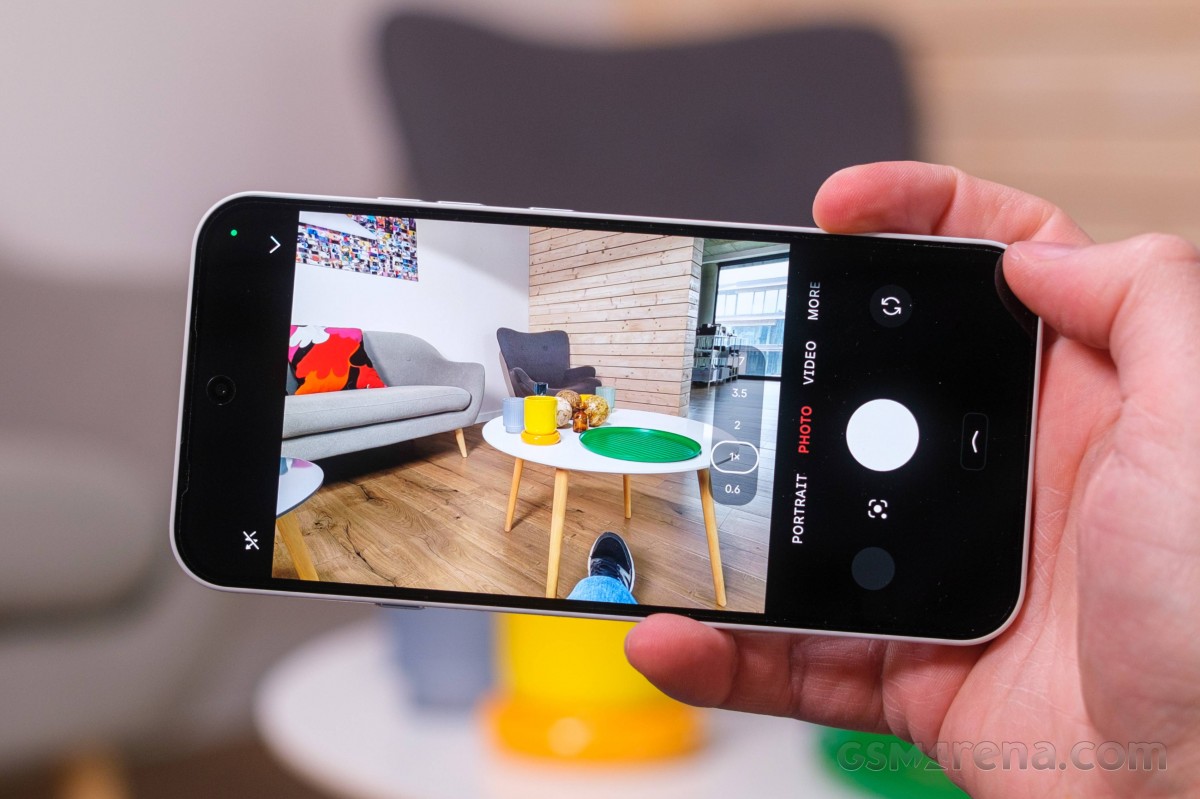
Alongside the redesigned camera module, the Phone 4a Pro introduces improved imaging capabilities across most areas.
The standout addition is a 50MP periscope telephoto lens with 3.5x optical zoom, designed to take up less internal space while also consuming less power. With computational photography enhancements, the phone can achieve up to 140x hybrid zoom, though results at that range are largely impractical.
The main 50MP sensor features a larger sensor size, improving low-light performance. However, with an f/1.88 aperture, it doesn’t quite match the f/1.68 lens found on the Phone 3 — both on paper and in real-world performance.
The setup is completed by an 8MP ultrawide camera, which is functional but not particularly impressive, and a 32MP front-facing camera, which is actually a downgrade from the 50MP selfie camera on the previous model.
A notable new feature is Ultra XDR, developed in collaboration with Google. This system captures up to 13 RAW images at different exposures and combines them to enhance dynamic range and detail. However, as a newer format, Ultra XDR images are not yet universally supported across all platforms, though they do work with Google Photos and Instagram.
Despite these improvements, video recording remains a weak point. Switching between zoom levels can disrupt exposure, and even fixed focal length recordings show inconsistent brightness. Low-light video performance is also underwhelming.
In good lighting conditions, video quality is acceptable, but it degrades beyond the 3.5x optical zoom range.
That said, for still photography, the Phone 4a Pro delivers some of the best results available at this price point — outperforming most competitors, including the Google Pixel 10a in terms of versatility.
Performance and Software
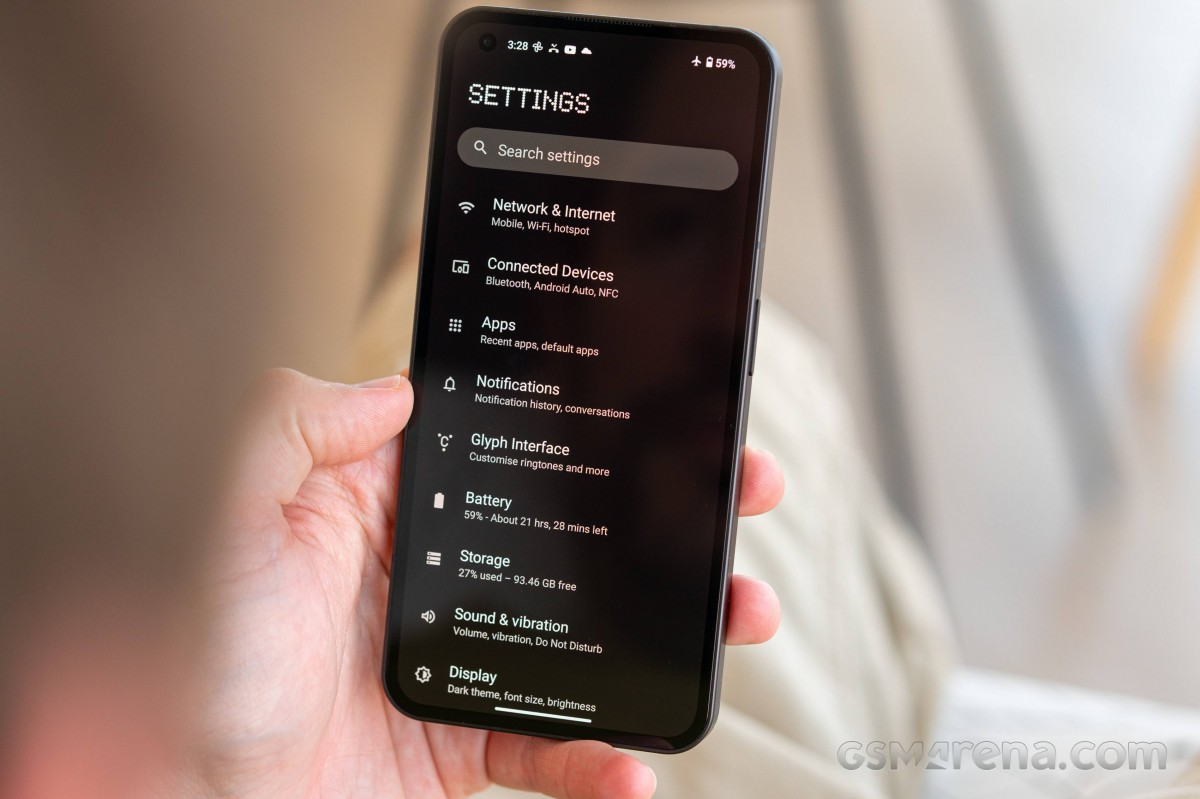
The Phone 4a Pro is powered by Qualcomm’s Snapdragon 7 Gen 4, delivering substantial performance gains:
- 27% improvement in CPU performance
- 30% improvement in GPU performance
- 65% improvement in AI capabilities
In real-world use, the difference is clear — particularly in gaming. Titles such as Diablo Immortal run smoothly at 60fps with only minor frame drops, even during more demanding scenes.
The device is equipped with a 5,080mAh battery, similar in capacity to its predecessor, but with improved efficiency. In testing, it lasted up to 24 hours, approximately five hours longer than the previous model.
It supports 50W fast charging, though it lacks wireless charging — a reminder that this is still a midrange device.
On the software side, Nothing includes features such as:
- Essential Search (system-wide search functionality)
- Essential Memory and Space (AI-driven organization and cloud backup)
- New widgets like “Breathing Break”
The Essential Key has also been repositioned to the left side of the device, reducing accidental presses and aligning better with user habits.
However, software support remains limited:
- 3 years of Android updates
- 3 years of security patches
This falls short compared to competitors offering significantly longer support cycles.
Wrap-up
The Nothing Phone 4a Pro delivers exceptional value for its $499 price tag. With a refined aluminum design, improved camera system, longer battery life, and stronger performance, it stands out as one of the most capable midrange smartphones of 2026.
While some of Nothing’s signature design elements have been toned down, and certain features — such as video performance and software support — leave room for improvement, the overall package is highly compelling.
For users seeking a balance between price and performance, the Phone 4a Pro is a strong contender — and a genuine rival to the Google Pixel 10a.