






















For most people, fitness is defined by effort. How hard you train, how long you push, how consistent you are. Workouts are tracked, calories are counted, and progress is measured in reps, weight, and time.
But there’s a part of the equation that often gets ignored.
Recovery.
In 2026, that’s starting to change. A growing wave of recovery technology is shifting the focus away from just training harder—and toward recovering smarter. Because the real gains don’t happen during the workout.
They happen after.
The Problem With “More Training”


The traditional mindset is simple: push harder, train more, repeat.
But the human body doesn’t work that way.
Without proper recovery, muscles don’t rebuild efficiently. Fatigue accumulates. Performance plateaus. In some cases, the risk of injury increases. What feels like dedication can quietly turn into diminishing returns.
The challenge is that recovery is harder to measure. It doesn’t feel as productive as a workout. It’s less visible, less immediate, and often overlooked.
That’s exactly where technology is beginning to step in.
Turning Recovery Into Something Measurable
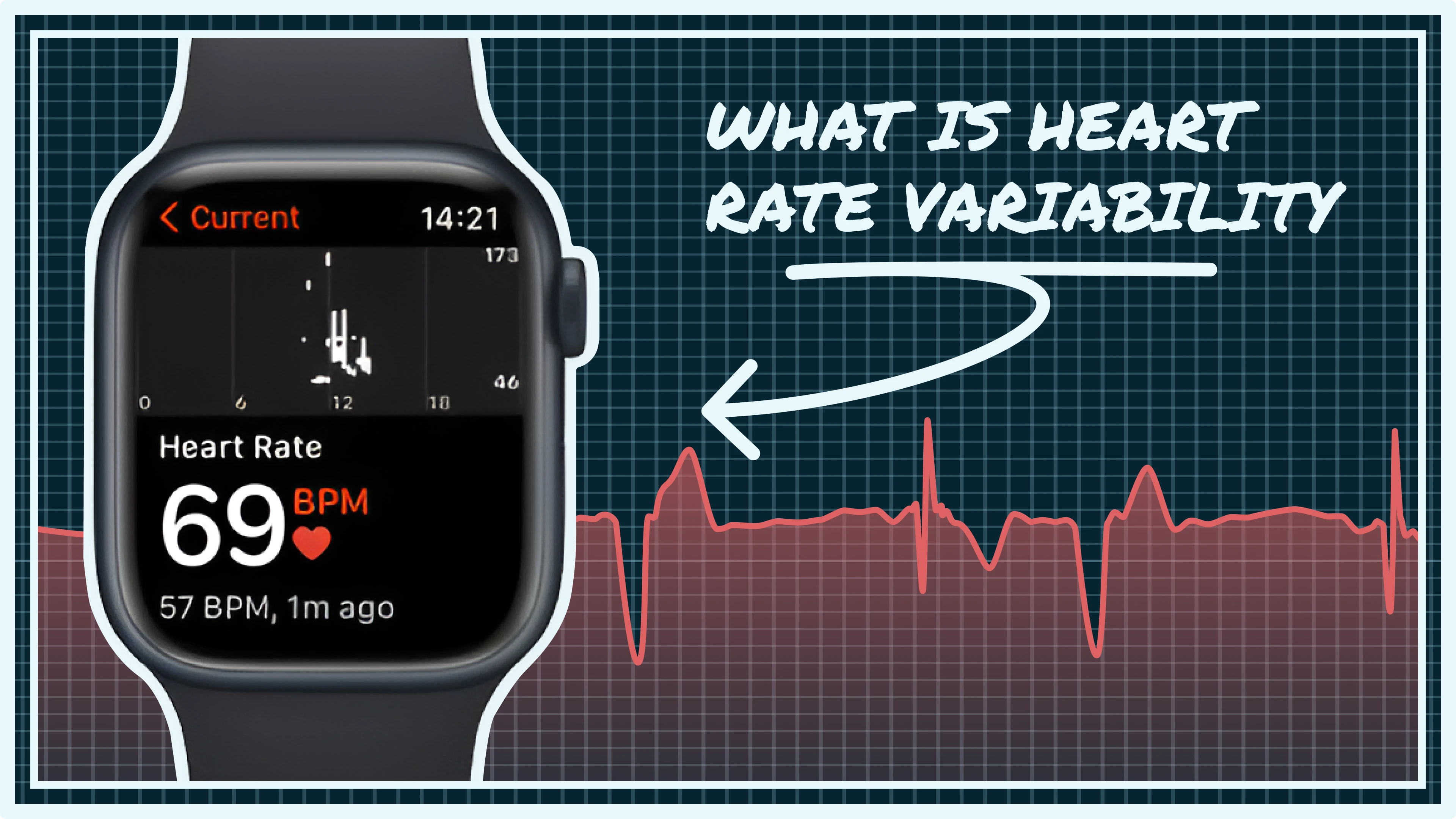
One of the biggest shifts in modern fitness is data.
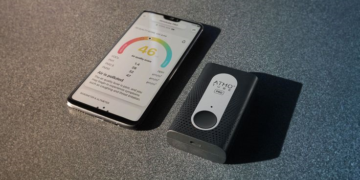
Wearables are no longer just tracking steps or calories. They are measuring recovery through metrics like heart rate variability (HRV), sleep quality, and overall readiness. Instead of guessing whether you should train hard or take it easy, you can now make that decision based on real signals from your body.
This changes the relationship between effort and progress.
You’re no longer training based on habit. You’re training based on condition.
And that makes every session more effective.
Tools That Help Your Body Reset
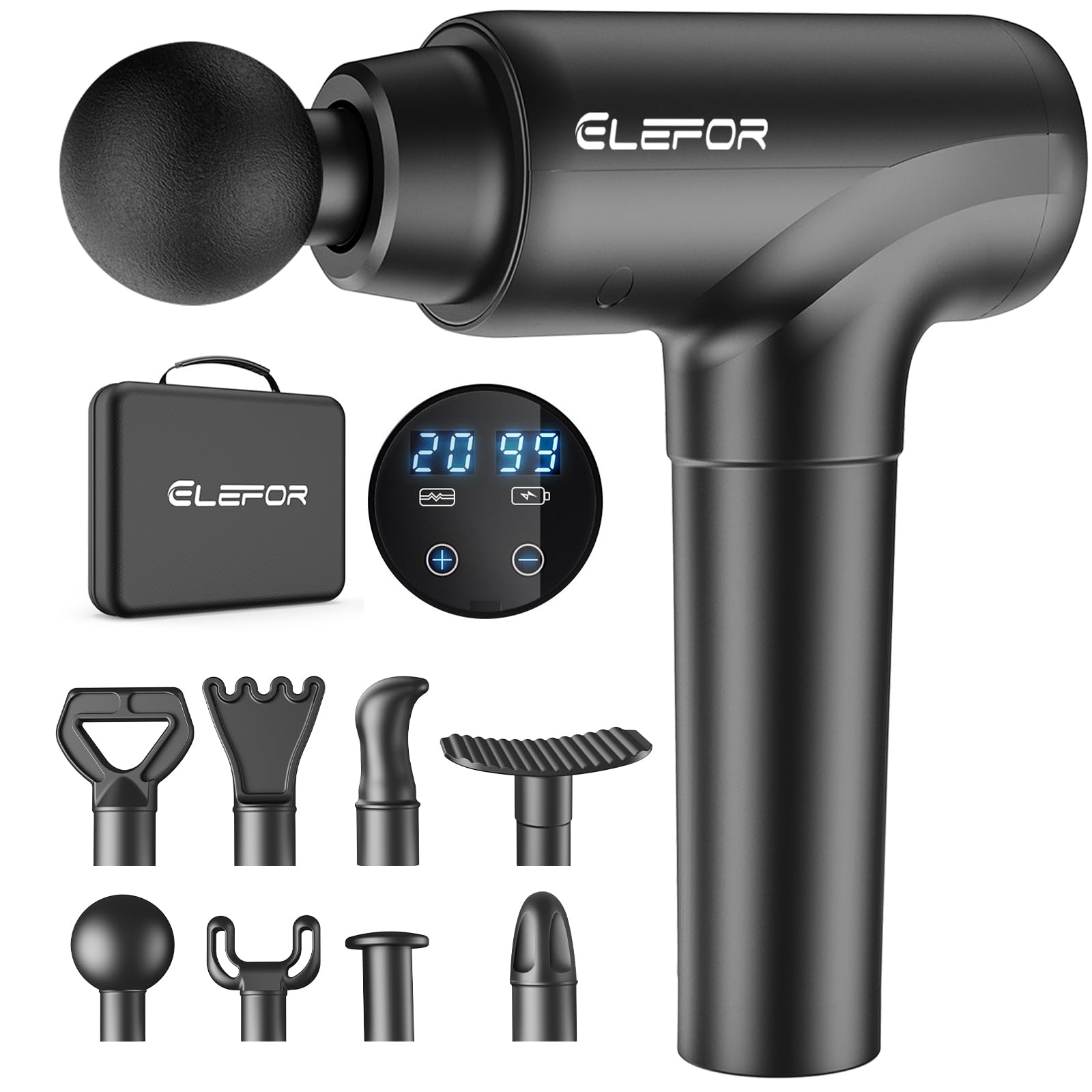
Beyond data, recovery tech is becoming increasingly physical.
Devices like massage guns help relieve muscle tension and improve blood flow after intense workouts. Compression boots use controlled pressure to support circulation and reduce soreness. Cold therapy, including ice baths and cold plunges, is gaining popularity for its ability to reduce inflammation and accelerate recovery.
These tools were once limited to professional athletes. Now, they are becoming part of everyday fitness routines.
The goal is not luxury—it’s efficiency.
Recovery as a Daily Habit
Perhaps the most important shift is how recovery is integrated into daily life.
It’s no longer something you do occasionally—it becomes part of your routine. A short stretching session. A few minutes of muscle release. A focus on sleep quality. Small actions, repeated consistently, create long-term impact.
Technology supports this by making recovery easier to access and easier to maintain. Reminders, guided routines, and data insights all contribute to building habits that stick.
Because consistency in recovery matters just as much as consistency in training.
The New Definition of Fitness

Fitness is no longer just about how much you can do.
It’s about how well your body adapts.
Recovery tech is redefining what progress looks like. It’s shifting the focus from constant effort to intelligent balance—knowing when to push, when to rest, and how to optimize both.
Final Thought
The missing piece of fitness was never more intensity.
It was understanding what happens after the effort ends.
As recovery becomes more visible, more measurable, and more accessible, it is changing how people approach performance entirely.
Because in the end, the strongest bodies aren’t the ones that train the hardest.
They’re the ones that recover the smartest. 💪