





















For most people, luggage has always been a passive object. You pack it, carry it, check it in, and hope it arrives where you do. It doesn’t think, it doesn’t adapt, and when something goes wrong—like lost baggage—you’re left reacting instead of staying in control.
But that relationship is starting to change.
In 2026, luggage is no longer just something you carry. It’s becoming something that works with you. Powered by connectivity, sensors, and intelligent features, a new generation of smart luggage is quietly redefining what it means to travel prepared.
And once you experience it, a regular suitcase starts to feel surprisingly outdated.
From Passive Storage to Connected Device
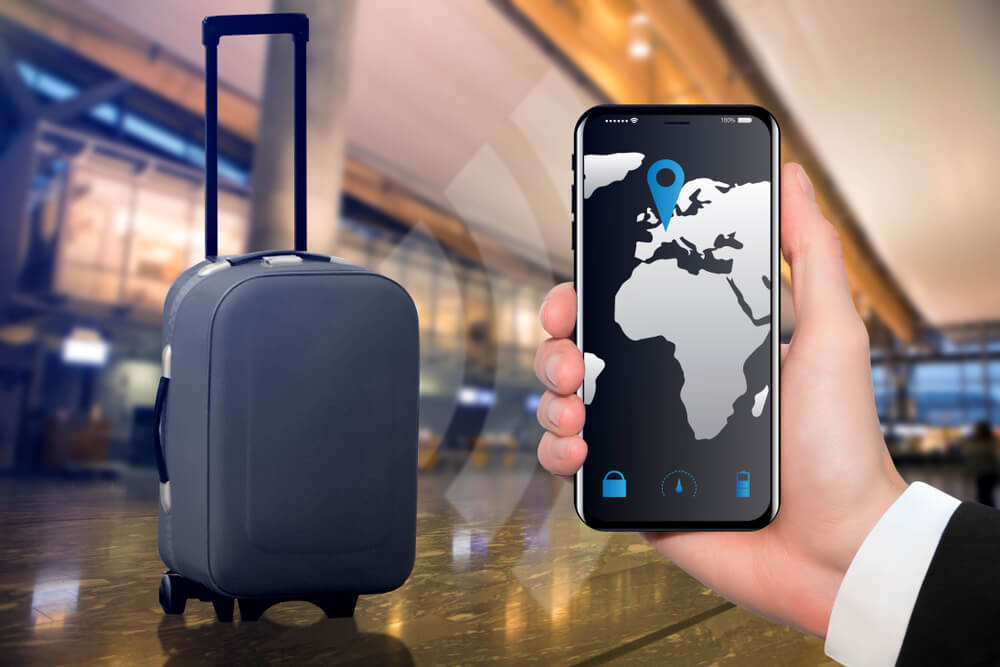
The biggest shift is simple but powerful: your suitcase is now connected.
Instead of guessing where your luggage might be, you can track it in real time through a mobile app. Whether it’s still on the plane, already at baggage claim, or accidentally routed elsewhere, you have visibility at every step.
Security has also evolved. Digital locks controlled via smartphone—or even biometric access—replace traditional combinations. You can lock, unlock, and monitor your luggage remotely, adding a layer of control that didn’t exist before.
Even small details, like built-in charging ports, start to matter more when you’re moving through airports all day. Your luggage becomes part of your tech ecosystem, not just something you drag behind you.
Designed for How People Actually Travel

What makes smart luggage interesting isn’t just the technology—it’s how it fits into real travel behavior.
Airports are chaotic. Long walks, tight connections, crowded terminals. In that environment, even small improvements in convenience make a noticeable difference. Some advanced models are experimenting with features like “follow-me” movement, where luggage can track and move alongside you, reducing the need to constantly pull or carry.
Even without that level of automation, improvements in design—smoother wheels, better weight distribution, integrated handles—combine with smart features to create a more seamless experience.
It’s not about making luggage flashy. It’s about removing friction.
Solving One of Travel’s Biggest Frustrations

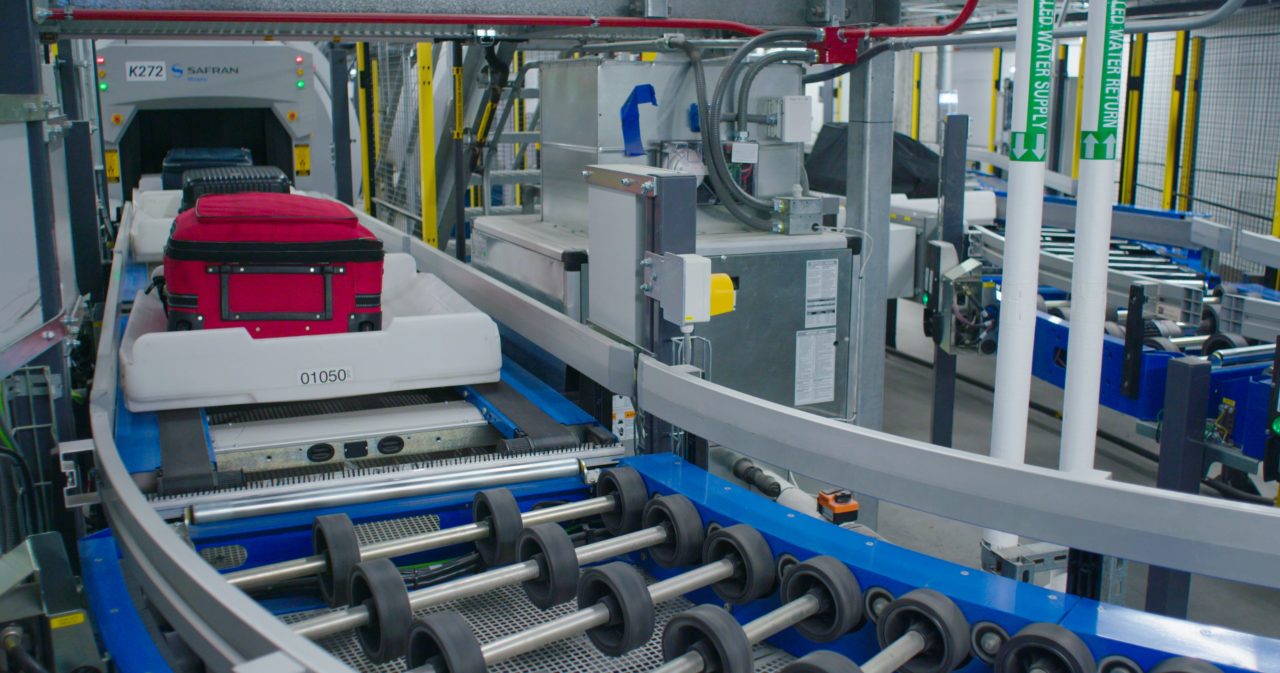
Few travel experiences are as frustrating as lost luggage.
Standing at baggage claim, watching the carousel go around, realizing your suitcase isn’t coming—it’s a situation almost every traveler has faced. Traditional systems offer little transparency, leaving you dependent on airline updates and support desks.
Smart luggage changes that dynamic.
With built-in tracking, you’re no longer waiting for information—you already have it. You know where your bag is, when it’s moving, and whether there’s a problem before it becomes a crisis.
That shift—from uncertainty to visibility—may be one of the most valuable upgrades smart luggage offers.
More Than a Gadget

At first glance, smart luggage might seem like just another travel gadget. But its real value isn’t in individual features—it’s in how those features come together.
It becomes part of a broader travel system. Your phone manages your itinerary, your boarding pass, your navigation—and now, your luggage. Everything is connected, coordinated, and accessible in one place.
This integration reflects a larger trend in travel technology: moving from isolated tools to unified experiences.
Final Thought
Travel is becoming more digital, more connected, and more personalized. From booking to boarding, every part of the journey is evolving—and luggage is no exception.
What used to be the simplest part of travel is now becoming one of the smartest.
And while you can still travel perfectly fine with a traditional suitcase, the difference is becoming harder to ignore.
Because once your luggage starts working with you, instead of just following you, the entire travel experience feels just a little bit easier.