



























Cybersecurity has always been a race between attackers and defenders. But that race is changing—and accelerating—in ways that many organizations are struggling to keep up with.
Artificial intelligence is no longer just a defensive tool. It has become a weapon. And as it spreads across industries and digital systems, it is fundamentally reshaping how cyberattacks are launched, scaled, and executed.
What used to take time, expertise, and coordination can now happen faster, cheaper, and with far less skill. That shift is forcing IT leaders to confront a new reality: the threat landscape is no longer evolving gradually. It’s accelerating.
When Sophisticated Attacks Become Accessible
For years, advanced cyberattacks were the domain of highly skilled actors—nation-states, organized groups, and elite hackers with deep technical knowledge. That barrier is rapidly disappearing.
AI is lowering the threshold for entry. Tools powered by machine learning can now automate tasks that once required expertise: identifying vulnerabilities, crafting exploits, and adapting attacks in real time. What used to be a slow, manual process has become dynamic and self-adjusting.
This doesn’t just increase the number of attacks. It changes their nature.
Instead of relying on pre-built scripts that may or may not work, attackers can now deploy systems that analyze a target environment, adjust strategies on the fly, and continue probing until they succeed. The gap between amateur and expert is shrinking—and in some cases, disappearing entirely.
Speed Is the New Battlefield
If sophistication is one side of the problem, speed is the other.
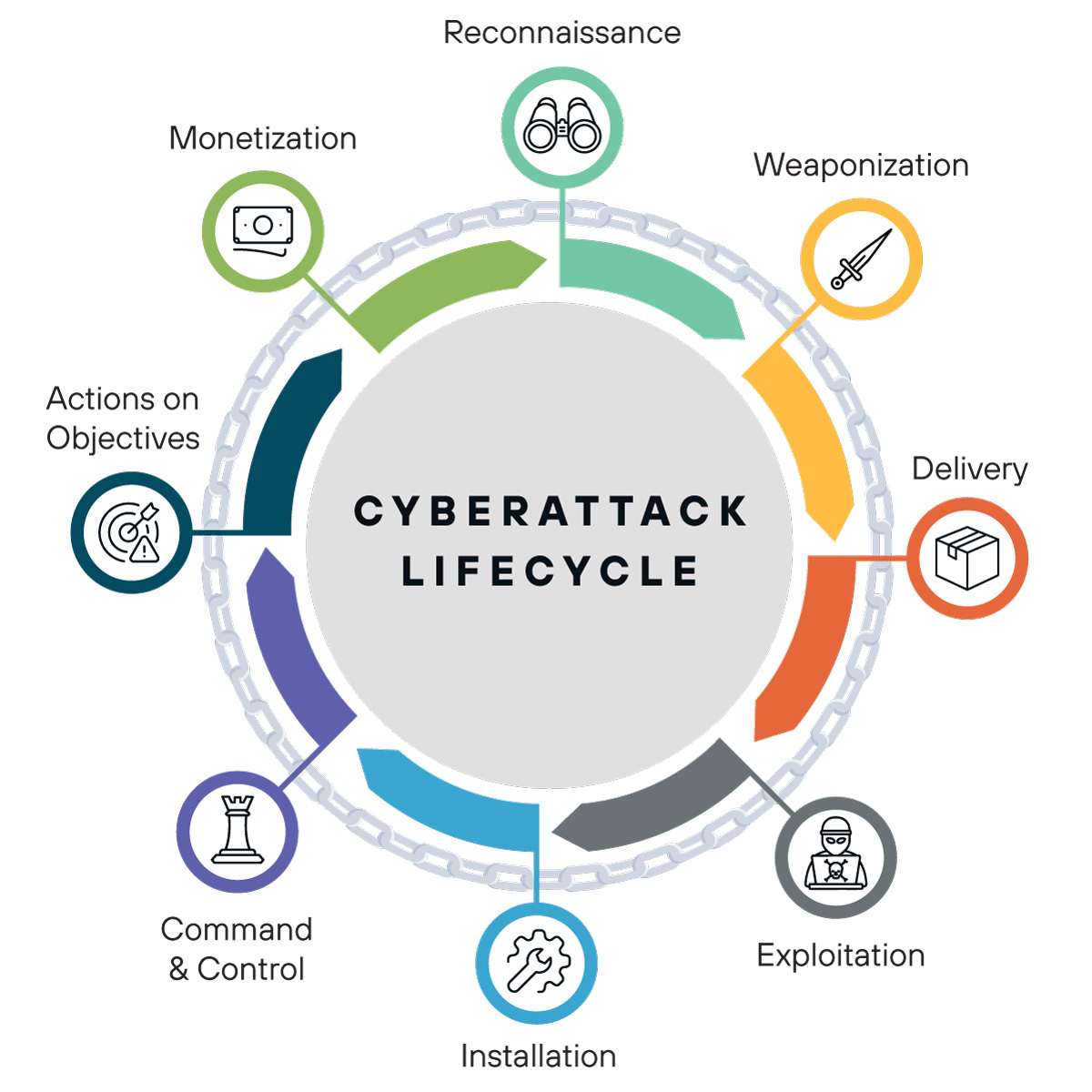
AI doesn’t just make attacks smarter—it makes them faster. Entire phases of an attack, from reconnaissance to exploitation, can now be automated. Processes that once took hours or days can unfold in minutes.
This creates a dangerous imbalance.
Most security operations are still built around human response cycles. Analysts investigate alerts, escalate issues, and take action step by step. But when an AI-driven attack is already moving through a system before a human can even respond, that model begins to break down.
The window between discovering a vulnerability and exploiting it is shrinking. And for many organizations, that window is already too small.
The Illusion of Preparedness

Despite growing awareness, many organizations still believe they are prepared. But confidence does not always reflect reality.
There is a widening gap between compliance and true resilience. Passing audits, meeting standards, and checking boxes can create the illusion of security, but they do not necessarily prepare organizations for fast-moving, adaptive threats.
AI-powered attacks expose that gap.
They don’t wait for scheduled reviews or predictable patterns. They exploit weaknesses in real time, often before teams even realize those weaknesses exist. And when defenses rely too heavily on manual processes or outdated assumptions, the results can be immediate and severe.
Blurring the Lines of Cyberwarfare
As AI accelerates cyber threats, it also complicates how those threats are understood.
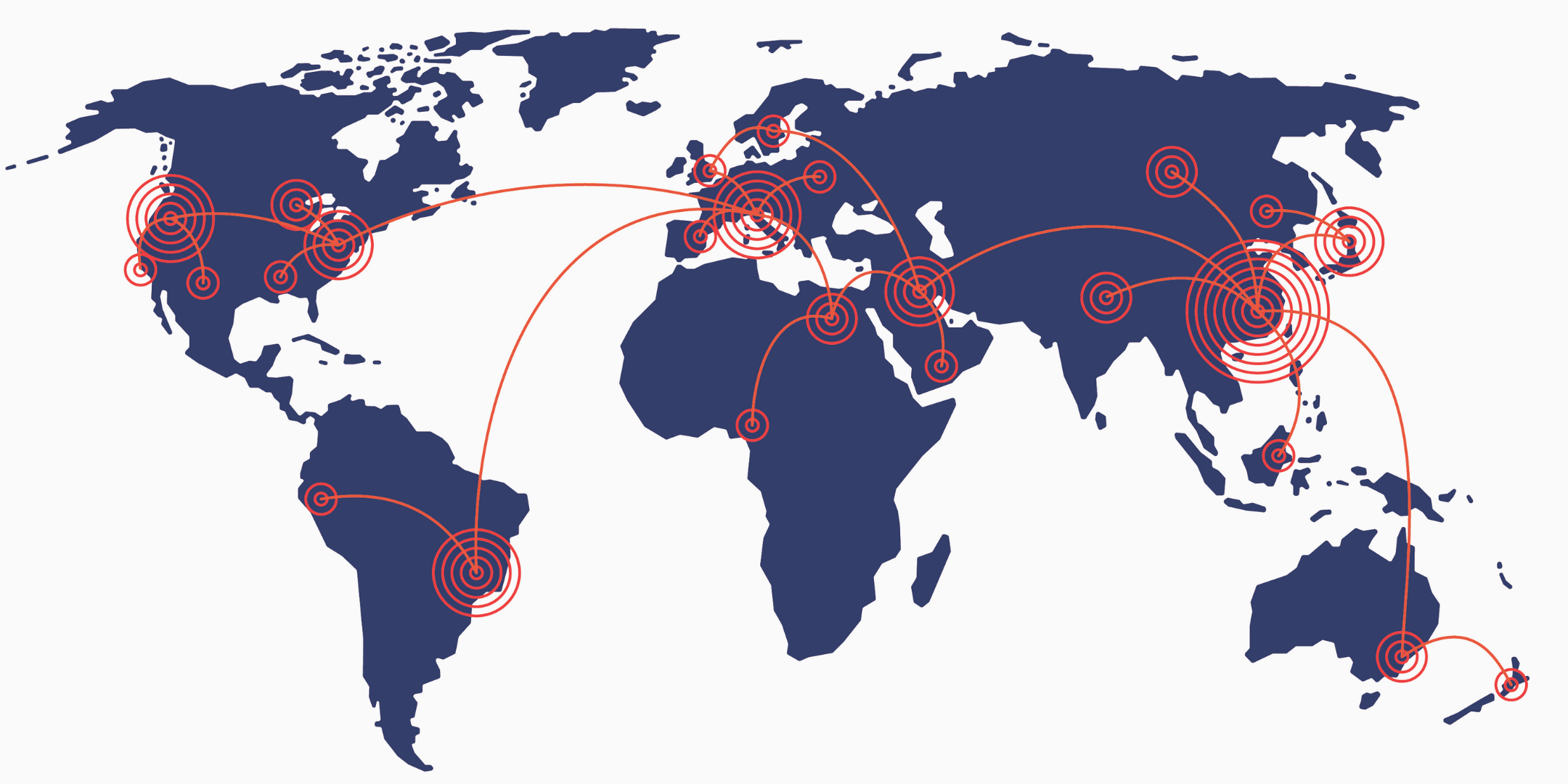
The line between cybercrime, espionage, and acts of war is becoming increasingly blurred. Attacks can originate from state actors, independent groups, or loosely affiliated networks that are difficult to trace. Attribution becomes harder, and response becomes more uncertain.
This ambiguity carries real-world consequences.
Respond too aggressively, and you risk escalation. Respond too slowly, and you invite further attacks. In a world where cyber operations can target critical infrastructure—energy systems, transportation networks, communications—the stakes extend far beyond data breaches.
Cybersecurity is no longer just an IT issue. It’s a strategic one.
Final Thought
The rise of AI-powered cyberattacks is not just another step in the evolution of digital threats. It is a shift in how those threats are created, deployed, and scaled.
Attackers are becoming faster, more adaptive, and more accessible than ever before. Meanwhile, many organizations are still operating with tools and processes designed for a slower, more predictable era.
That mismatch is where the real risk lies.
Because in this new landscape, it’s not just about whether you can defend your systems.
It’s about whether you can defend them fast enough.