


























The digital content industry has entered a transformative era. Over the past decade, the rapid expansion of social media platforms, streaming services, and creator tools has reshaped how content is produced and distributed. In 2026, the industry is undergoing another profound shift driven by artificial intelligence, new platform economics, and the rapid maturation of the creator economy.
Digital creators today operate in an ecosystem where technology companies, media organizations, and independent creators are increasingly intertwined. Innovations in AI-powered production tools, new monetization models, and evolving content distribution systems are redefining what it means to build and sustain a digital audience.
This article explores the most important technology industry trends shaping digital content in 2026, offering a deeper look at the forces transforming the creator landscape.
AI-Powered Content Production Is Redefining Creative Workflows
Artificial intelligence has rapidly evolved from a supporting technology into the core infrastructure of digital content production.
Modern generative AI models can now assist creators at nearly every stage of the production pipeline. Tasks that once required multiple specialists—scriptwriting, editing, visual design, voice narration, and even animation—can increasingly be handled by AI-assisted tools.
Key areas where AI is transforming production include:
Automated video editing
AI editing systems can now analyze raw footage, identify key moments, and automatically assemble highlight clips optimized for different platforms such as vertical video or long-form streaming.
AI-generated visuals and graphics
Generative image models allow creators to produce high-quality artwork, thumbnails, concept visuals, and promotional graphics within minutes.
Synthetic voice and narration
AI voice models have reached a level of realism that enables creators to produce narration in multiple languages without traditional voice recording.
Script and idea generation
Large language models are increasingly used by creators to generate outlines, scripts, titles, and content concepts.
For digital creators, the impact is enormous. What previously required a full production team can now be executed by individual creators or small studios, dramatically reducing production costs while accelerating creative experimentation.
The Creator Economy Is Becoming a Global Media Industry

The creator economy has matured from a niche internet phenomenon into a major segment of the global media industry.
Digital creators today function more like independent media companies rather than social media influencers. Many operate complex businesses involving multiple revenue streams and cross-platform audiences.
Common revenue models include:
- advertising revenue from video platforms
- brand sponsorships and partnerships
- paid subscriptions and memberships
- digital products such as courses or templates
- merchandise and branded products
Technology platforms are increasingly competing to attract creators by offering improved monetization tools, analytics systems, and distribution algorithms.
This shift has led to a new competitive landscape in which platforms are not just social networks but creator ecosystems designed to support long-term content businesses.
As a result, the boundary between professional media companies and independent creators is becoming increasingly blurred.
Short-Form Video Continues to Reshape Digital Media

Short-form video has become the dominant format for digital media consumption.
The explosive growth of vertical video platforms has fundamentally changed audience behavior. Instead of consuming long-form content through traditional channels, audiences increasingly engage with short, algorithm-driven content streams.
This shift has influenced both creators and media companies.
Creators now design content with specific platform dynamics in mind:
- attention-grabbing first seconds
- fast-paced storytelling
- mobile-optimized visuals
- frequent publishing schedules
Meanwhile, even traditional streaming services are experimenting with shorter and more mobile-friendly formats.
Short-form video is also influencing advertising strategies, as brands increasingly prioritize content that can perform well within social media algorithms.
For creators, mastering short-form storytelling has become essential for audience growth and discoverability.
Platform Competition Is Reshaping Content Distribution

The digital media landscape is increasingly defined by competition between major platforms for creator content and audience attention.
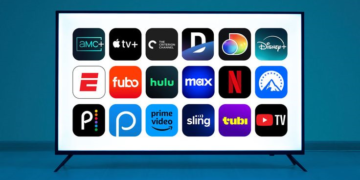
Streaming services, social media platforms, and video hosting networks are all competing to attract creators and exclusive content.
Key factors driving this competition include:
Creator monetization tools
Platforms are offering revenue-sharing programs, tipping systems, and subscription models to attract high-quality creators.
Algorithmic discovery systems
Advanced recommendation algorithms help creators reach new audiences while keeping viewers engaged.
Exclusive creator partnerships
Some platforms are signing exclusive deals with creators to produce original series or premium content.
This competition is accelerating innovation across the industry while giving creators more opportunities to build sustainable careers.
AI-Driven Personalization Is Transforming Audience Discovery

One of the most significant technological shifts in digital media is the rise of AI-powered recommendation systems.
Modern content platforms rely heavily on machine learning algorithms to analyze user behavior and determine which content should appear in individual feeds.
These systems evaluate factors such as:
- watch time
- engagement patterns
- content similarity
- user interests and preferences
The result is an increasingly personalized digital environment where each user experiences a different version of the content ecosystem.
For creators, this means success is increasingly influenced by algorithmic visibility rather than traditional marketing or distribution strategies.
Understanding platform algorithms has therefore become a critical skill for digital creators.
The Future of Digital Content Creation
The digital content industry in 2026 is defined by the convergence of technology innovation, creator entrepreneurship, and platform competition.
Artificial intelligence is lowering the barriers to professional-quality production, while new monetization systems are enabling creators to build sustainable businesses around their audiences.
At the same time, the rapid evolution of distribution platforms and recommendation algorithms is reshaping how audiences discover and consume content.
Looking ahead, the creators who succeed will likely be those who can combine technical adaptability, creative storytelling, and strong audience relationships in an increasingly competitive digital landscape.
The future of digital media will not be defined solely by technology—but by how creators use that technology to build new forms of storytelling, entertainment, and community.