




























Introduction
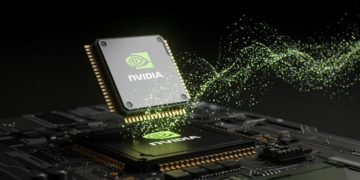
Semiconductors have become the backbone of the modern technology industry. From smartphones and laptops to data centers and electric vehicles, nearly every digital device relies on advanced microchips to function.
Over the past decade, demand for semiconductor components has surged dramatically as the global economy becomes increasingly digital. This rapid growth has triggered a new industrial competition among governments and technology companies seeking to secure reliable chip supply chains.
As a result, semiconductor manufacturing is no longer just a specialized segment of the electronics industry—it has become a strategic priority shaping the future of global technology.
Why Semiconductors Are Critical to Modern Technology

At the heart of every digital device lies a semiconductor chip responsible for processing information and managing system operations.
These components power a wide range of technologies including:
• personal computers and laptops
• smartphones and mobile devices
• cloud computing infrastructure
• automotive electronics
• industrial automation systems
As devices become more powerful and energy-efficient, semiconductor manufacturers must continually improve chip design and production techniques. Smaller transistors, higher performance, and lower power consumption remain the core objectives of modern chip engineering.
Global Investments in Chip Manufacturing
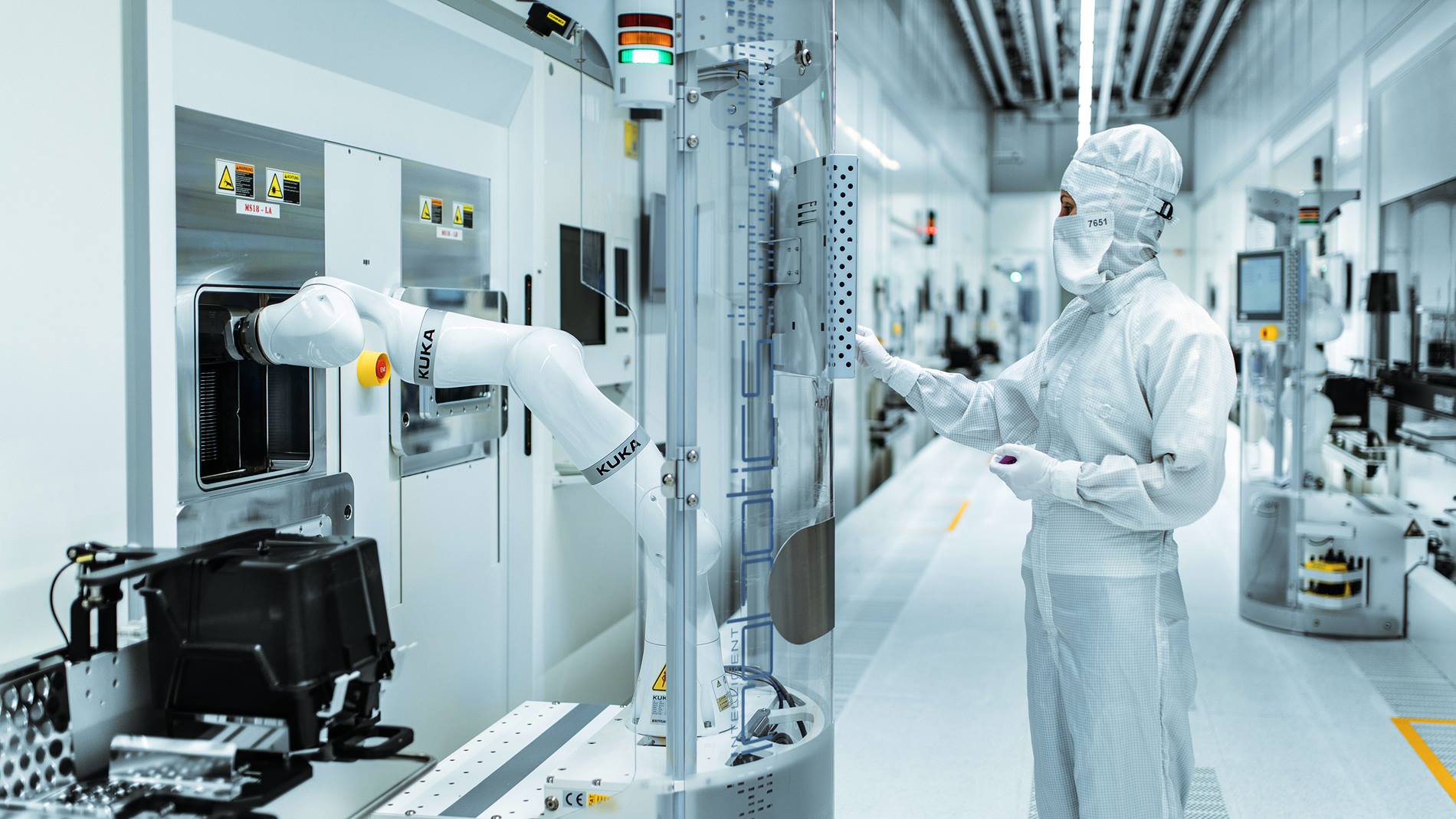
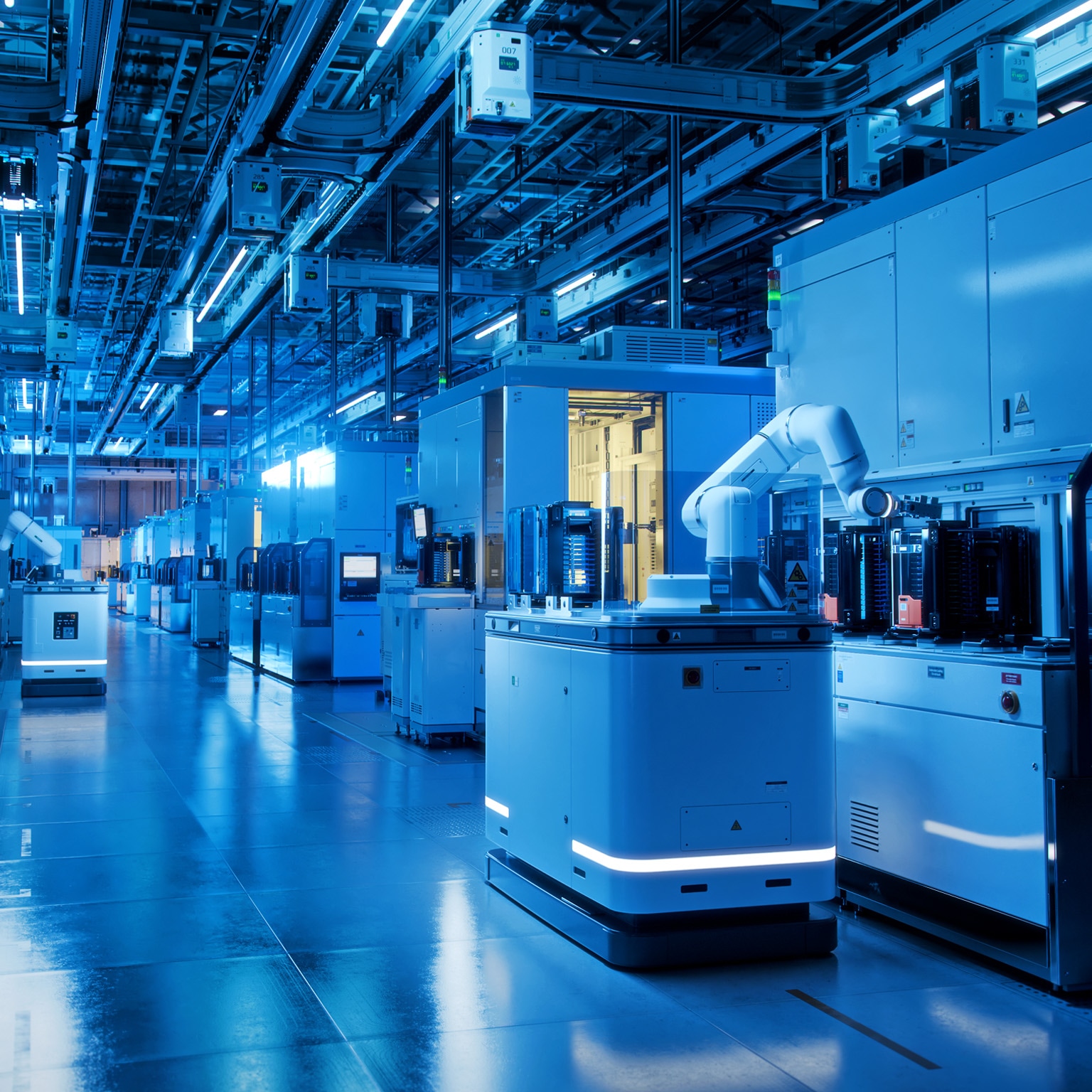
In response to rising demand and supply chain disruptions in recent years, governments and technology companies around the world have begun investing heavily in semiconductor manufacturing capacity.
New fabrication facilities are being constructed across North America, Europe, and Asia in an effort to reduce dependence on limited production hubs.
Building a semiconductor fabrication plant requires enormous capital investment, often exceeding tens of billions of dollars. These facilities also require highly specialized equipment and skilled engineering teams to operate efficiently.
The expansion of chip manufacturing infrastructure is expected to play a critical role in stabilizing global technology supply chains in the coming decade.
Supply Chains and Industry Challenges

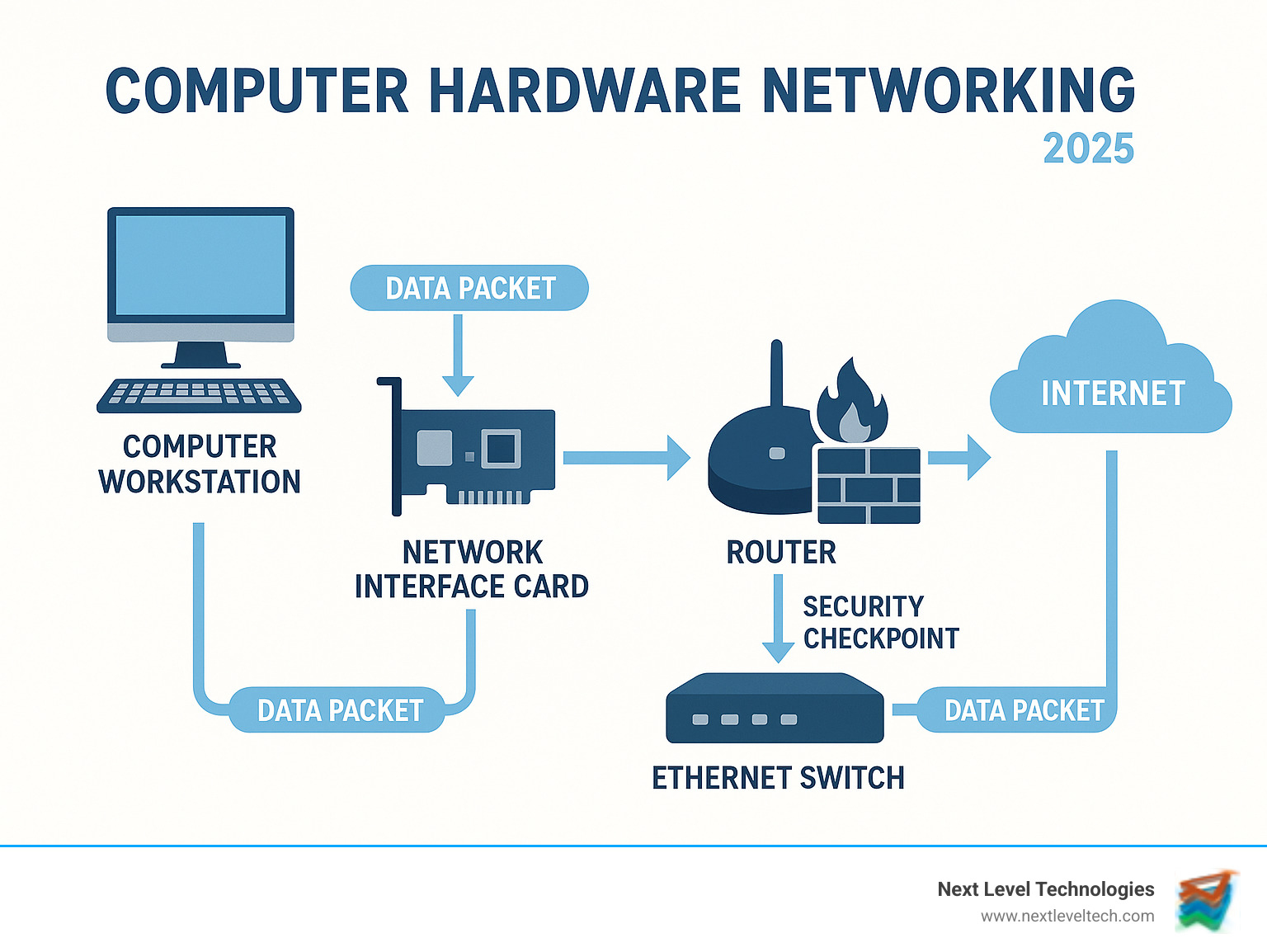
Despite increased investment, the semiconductor industry continues to face significant challenges related to supply chain complexity and production scalability.
Chip manufacturing involves a highly interconnected network of suppliers providing raw materials, manufacturing equipment, packaging services, and advanced design software.
Disruptions at any stage of the process can delay production for entire industries. In recent years, shortages of certain components have affected sectors ranging from automotive manufacturing to consumer electronics.
As global demand continues to grow, ensuring resilient supply chains has become a major priority for technology companies and policymakers alike.
The Future of the Semiconductor Industry

Looking ahead, the semiconductor industry is expected to remain one of the most strategically important sectors within the global technology ecosystem.
Advances in chip manufacturing will enable faster computing devices, more powerful mobile hardware, and increasingly sophisticated digital infrastructure.
At the same time, ongoing investments in fabrication facilities and supply chain resilience may reshape the geographic distribution of semiconductor production worldwide.
For technology companies, securing access to advanced semiconductor technology will remain essential for maintaining competitiveness in an increasingly digital global economy.