
























Introduction
There was a time when entertainment had edges. A film ended. A season wrapped. Even games, no matter how expansive, eventually reached a conclusion that signaled closure—not just for the narrative, but for the audience’s emotional investment. Today, those edges are dissolving. In their place, a new paradigm is emerging: infinite content—media experiences designed not to conclude, but to persist.
From algorithmically generated TikTok feeds to live-service games that never truly “finish,” and AI systems capable of producing endless variations of music, video, and story, the entertainment industry is undergoing a structural shift. This is not just about more content. It is about content that is architected to never stop.
This article argues that infinite content is not merely a technological evolution—it is a philosophical and economic redefinition of entertainment itself. As platforms move from delivering finite works to maintaining perpetual engagement loops, the very meaning of storytelling, authorship, and audience satisfaction is being rewritten.
The Death of the Ending: How Platforms Rewired Narrative Expectations
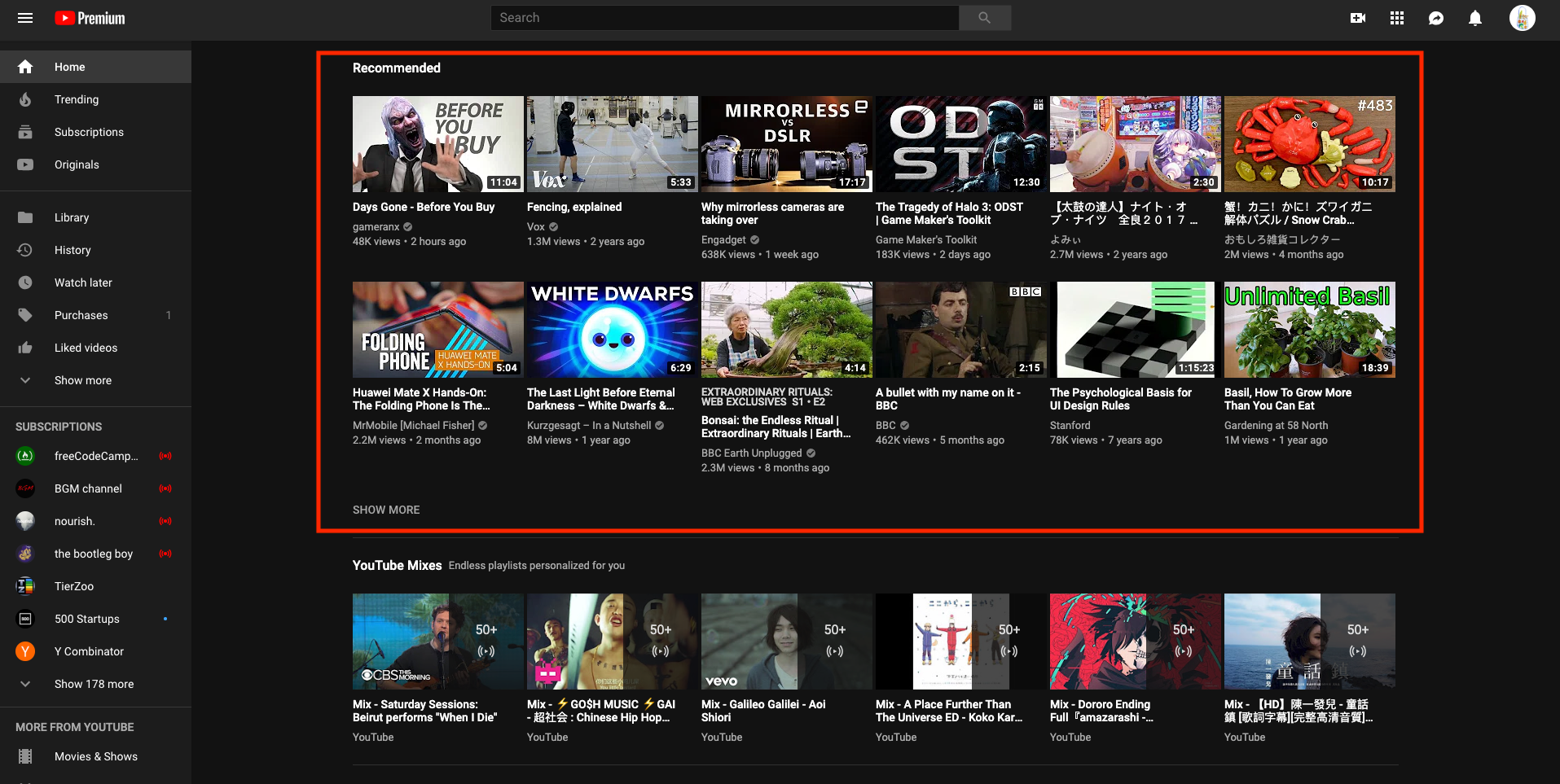
The transition toward infinite content did not begin with artificial intelligence. It began with interface design. The seemingly innocuous introduction of autoplay, infinite scroll, and algorithmic recommendation systems quietly dismantled one of the oldest structures in storytelling: the ending.
When Netflix removed the friction between episodes, it wasn’t simply optimizing for convenience. It was reshaping user behavior. The “next episode” button—counting down in seconds—transformed narrative arcs into continuous streams. The viewer was no longer making an active choice to continue; they were defaulting into it.
This shift had profound consequences. Traditional storytelling relies on tension and release. A story builds toward a climax, resolves, and then allows the audience to reflect. Infinite content interrupts this cycle. Instead of resolution, it offers continuation. Instead of reflection, it encourages consumption.
TikTok pushed this model further. There is no “end” to a TikTok session in any meaningful sense. The feed is not a sequence; it is a loop. Each swipe is both a conclusion and a beginning, but never a final one. The result is a new kind of narrative experience—fragmented, continuous, and endlessly renewable.
What emerges is a subtle but powerful reconditioning of audience expectation. Endings begin to feel optional, even undesirable. Closure becomes friction. And in a system optimized for retention, friction is the enemy.
From Content Libraries to Content Engines: The Industrialization of Endless Media
As user behavior shifted, so did the production model behind entertainment. The industry is no longer focused on building content libraries—finite collections of discrete works. Instead, it is constructing content engines: systems designed to generate, adapt, and extend media indefinitely.
Live-service games are perhaps the clearest example. Titles like Fortnite or Genshin Impact are not products in the traditional sense; they are platforms. Their value lies not in a completed narrative, but in their ability to continuously produce new experiences—events, skins, story updates—without ever reaching a terminal state.
This model has now spread far beyond gaming. Streaming platforms are experimenting with dynamic content recommendations that evolve in real time. Music platforms use AI to generate infinite playlists tailored to mood, time of day, and behavioral patterns. Even narrative media is beginning to adopt procedural techniques, where story elements can be recombined or extended algorithmically.
Artificial intelligence accelerates this transformation. Generative models can produce text, images, and video at scale, reducing the cost of content creation while increasing its volume exponentially. But more importantly, they enable personalization at a level previously impossible. Content is no longer just infinite in quantity—it is infinite in variation.
The implication is profound: entertainment is shifting from a product-based economy to a service-based one. You are no longer consuming a piece of content. You are subscribing to a system that continuously generates content for you.
When Stories Become Systems: The Collapse of Authorship
4
As content becomes infinite, the role of the creator begins to change—and in some cases, to disappear.
Traditional storytelling is rooted in authorship. A writer, director, or creator imposes structure, intent, and meaning onto a work. The audience engages with that work as a finished expression of someone else’s vision. Infinite content disrupts this relationship.
In systems driven by algorithms and AI, the “story” is no longer authored in a singular sense. It is assembled. Generated. Iterated. The creator becomes less of an author and more of a system designer—someone who builds the rules by which content is produced, rather than the content itself.
This shift raises uncomfortable questions. If a narrative is continuously evolving, who is responsible for its meaning? If an AI generates a story tailored specifically to you, is it still a shared cultural artifact, or does it become something entirely private?
Personalization vs. Cultural Cohesion
The more content is personalized, the less it is shared. In a world of infinite content, two people may never experience the same “story” in the same way—or at all. This erodes one of the core functions of entertainment: its ability to create common cultural touchpoints.
Blockbuster films, hit TV shows, viral videos—these were once collective experiences. Infinite content fragments that collectivity. It replaces the shared narrative with individualized streams, optimized for engagement rather than cultural resonance.
The result is a paradox. We are consuming more content than ever before, yet we may be sharing less of it.
The Psychology of Endless Consumption: Engagement Without Satisfaction
If infinite content is the supply-side transformation of entertainment, its demand-side counterpart is psychological. These systems are not just designed to produce endless media—they are designed to keep us consuming it.
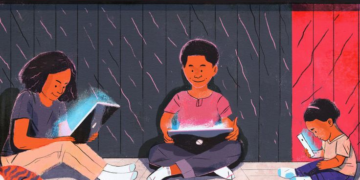
At the core of this design is the concept of variable reward. Each piece of content carries the possibility of satisfaction, but no guarantee. This unpredictability keeps users engaged, encouraging them to continue scrolling, watching, or playing in search of the next rewarding experience.
However, there is a critical distinction between engagement and satisfaction. Infinite content excels at the former but often undermines the latter. Without clear endpoints, the brain struggles to register completion. Without completion, it struggles to derive meaning.
This is why a night spent endlessly scrolling can feel both full and empty at the same time. You have consumed hours of content, yet it leaves little lasting impression. The experience lacks narrative closure, emotional resolution, and cognitive integration.
Over time, this can reshape not just how we consume content, but how we value it. Depth is replaced by immediacy. Reflection is replaced by continuation. The goal is no longer to experience something meaningful, but to avoid the absence of stimulation.
The Economics of Never-Ending Entertainment
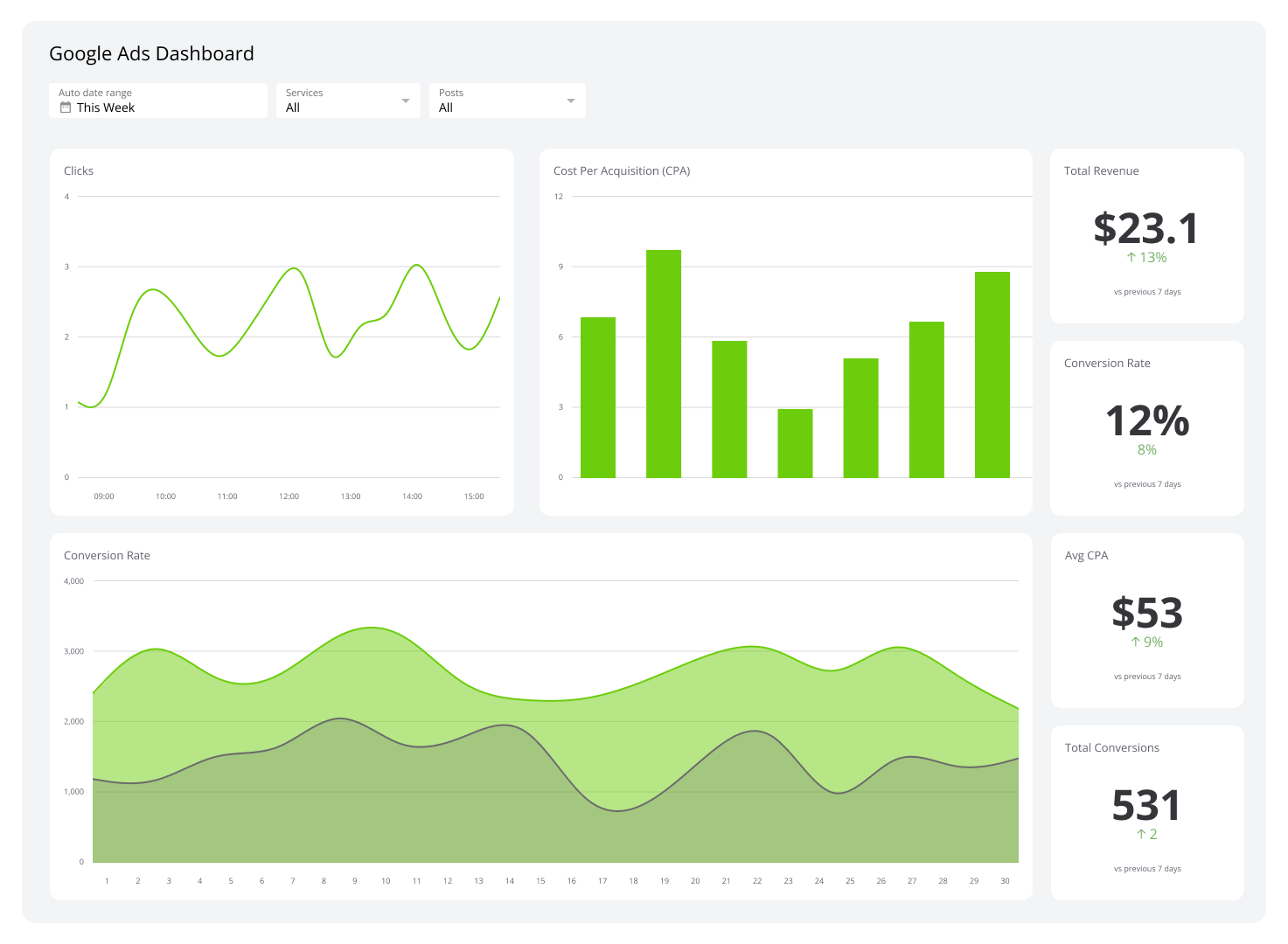
Behind the rise of infinite content lies a powerful economic incentive: retention.
In traditional media models, value was tied to discrete transactions. You bought a ticket, a DVD, a game. Revenue was generated at the moment of purchase. In the infinite content model, value is tied to time. The longer you stay, the more valuable you are—whether through subscriptions, advertising, or microtransactions.
This fundamentally changes how content is designed. The objective is no longer to deliver a satisfying experience that concludes. It is to create a system that sustains engagement indefinitely.
Live-service games monetize through continuous updates and in-game purchases. Streaming platforms rely on subscriptions that depend on ongoing usage. Social media platforms monetize attention directly through advertising. In each case, the incentive is aligned toward keeping the user inside the system for as long as possible.
This creates a feedback loop. The more effective a platform is at generating infinite content, the longer users stay. The longer users stay, the more data the platform collects. The more data it collects, the better it becomes at generating content that keeps users engaged.
Infinite content is not just a creative shift—it is an economic machine.
Conclusion: Can Meaning Survive in an Endless Feed?
The rise of infinite content represents one of the most significant transformations in the history of entertainment. It challenges the very notion of what a story is, what a creator does, and what an audience seeks.
On one hand, it unlocks unprecedented possibilities. Content can be personalized, adaptive, and continuously evolving. Entertainment becomes more accessible, more responsive, and more abundant than ever before.
On the other hand, it risks eroding the structures that give content meaning. Endings, authorship, shared experience—these are not just aesthetic choices; they are the foundations of how we understand and value stories.
The question is not whether infinite content will dominate—it already is. The question is whether we can design systems that preserve meaning within infinity. Whether we can create experiences that engage without exhausting, that continue without dissolving, and that, even in an endless stream, still know when—and how—to end.