






















A New Era of Personal Technology
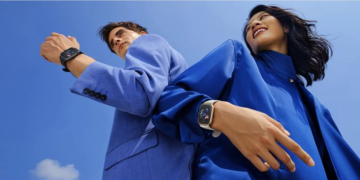
Over the past decade, personal technology has evolved rapidly—from smartphones and laptops to an emerging generation of wearable devices that integrate seamlessly into everyday life. What once began as simple fitness trackers has expanded into a diverse ecosystem of intelligent devices designed to monitor health, enhance productivity, and create new forms of digital interaction.
Smart wearable technology is increasingly becoming a central component of modern computing. Instead of interacting with screens alone, users are now engaging with technology that is embedded directly into clothing, accessories, and personal items. These devices are designed to collect real-time data, deliver contextual information, and respond to users in more natural ways.
As hardware continues to shrink and processing power improves, wearable technology is moving beyond niche gadgets and toward becoming a mainstream computing platform.
From Fitness Trackers to Intelligent Wearables

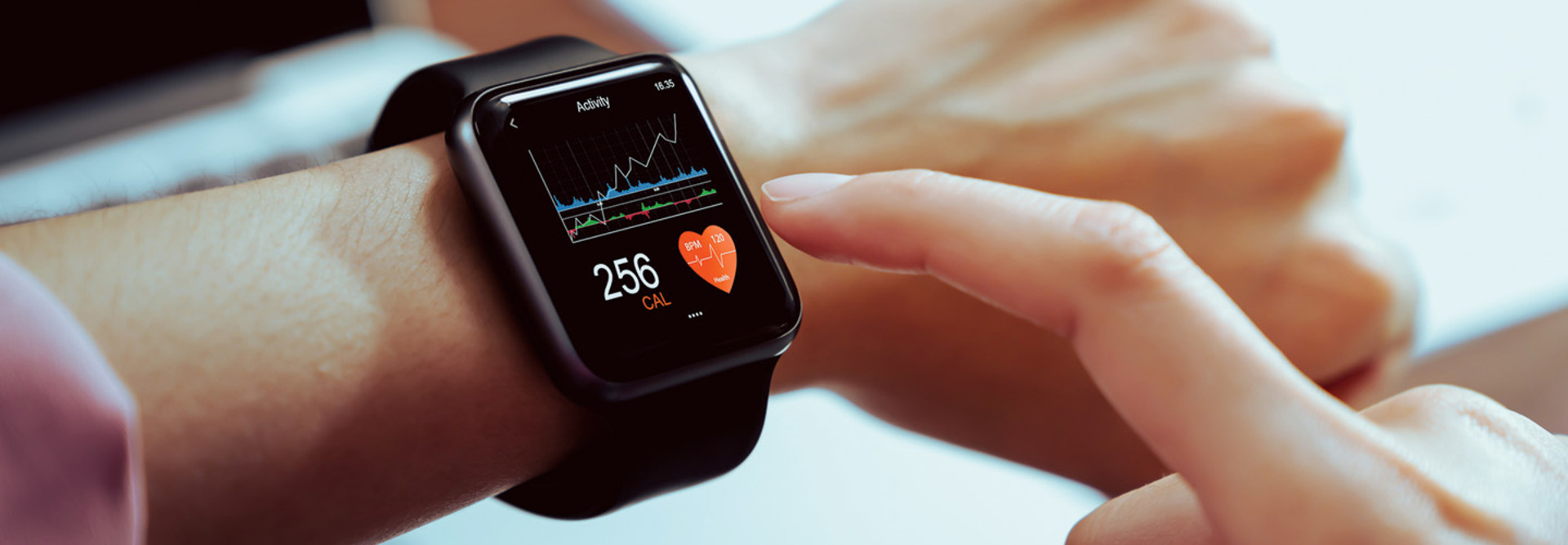
Early wearable devices primarily focused on fitness tracking. Step counters, heart-rate monitors, and sleep trackers became widely popular as consumers began paying more attention to personal health metrics.
However, the capabilities of wearable devices have expanded dramatically in recent years. Modern wearables can now monitor a wide range of biometric signals, including:
- heart rate variability
- blood oxygen levels
- sleep quality patterns
- physical activity intensity
- stress indicators
These insights allow users to gain a deeper understanding of their health and daily habits. In some cases, wearable devices can even detect early warning signs of potential health issues, encouraging preventative care and lifestyle adjustments.
As sensors become more advanced, wearable devices are increasingly positioned as tools for long-term health management rather than simple fitness accessories.
Smart Glasses and the Future of Spatial Interfaces
Another rapidly evolving category within wearable technology is smart glasses. These devices aim to combine digital information with the user’s physical environment through augmented reality interfaces.
Instead of checking a smartphone screen, users can receive notifications, navigation directions, or contextual data directly within their field of view. For professionals in fields such as engineering, design, and logistics, these systems may enable entirely new workflows that merge digital tools with real-world tasks.
In industrial environments, for example, technicians wearing smart glasses can access repair instructions, schematics, or diagnostics while working on complex machinery. In creative industries, designers can visualize 3D models or architectural layouts within physical spaces.
Although the technology is still evolving, many experts believe that spatial computing through wearable devices could eventually reshape how people interact with digital information.
Wearables as Everyday Digital Assistants
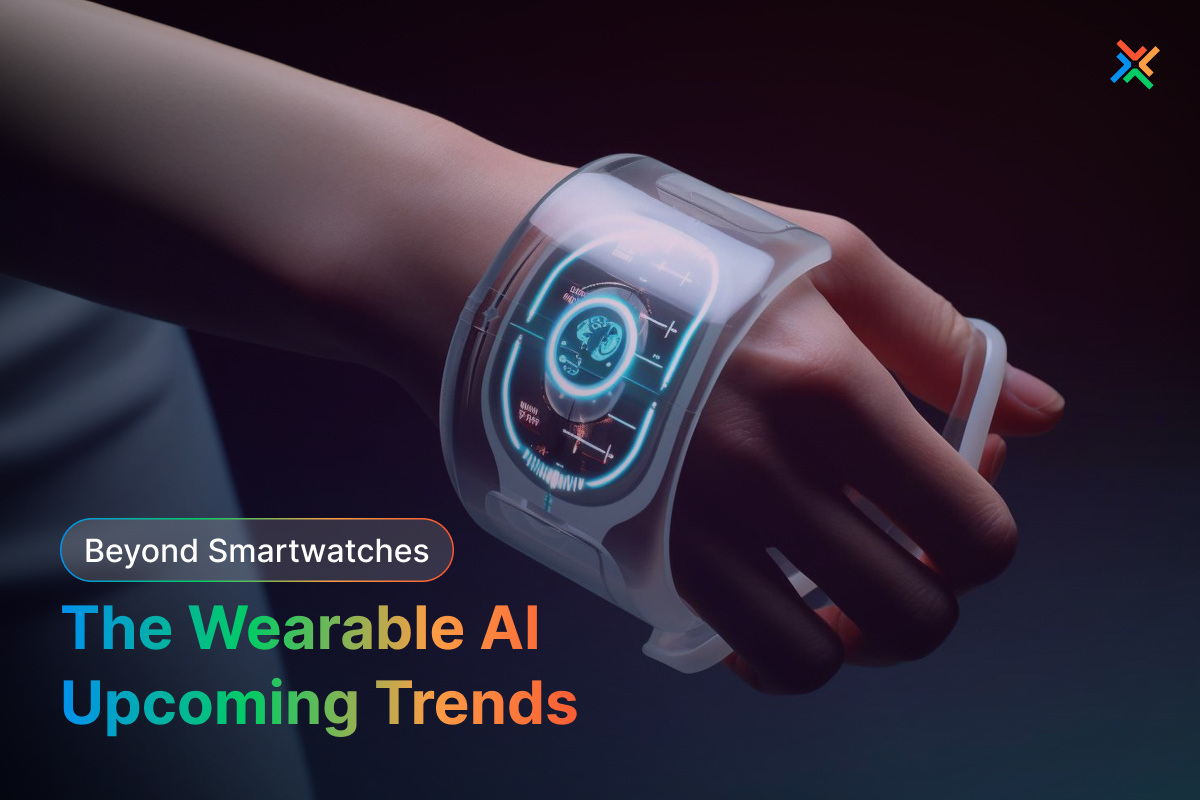
As wearable devices become more sophisticated, they are also beginning to function as personal digital assistants. Integrated sensors, voice interfaces, and intelligent software allow wearables to respond to user needs in real time.
For example, wearable devices can now:
- provide reminders based on location or schedule
- track activity levels throughout the day
- deliver notifications without requiring a phone
- support contactless payments and digital identification
Because these devices are constantly worn, they can interact with users in a more continuous and intuitive way than traditional computing devices.
This concept—often referred to as ambient computing—suggests a future where technology operates quietly in the background, assisting users without requiring constant attention.
Challenges and Opportunities Ahead
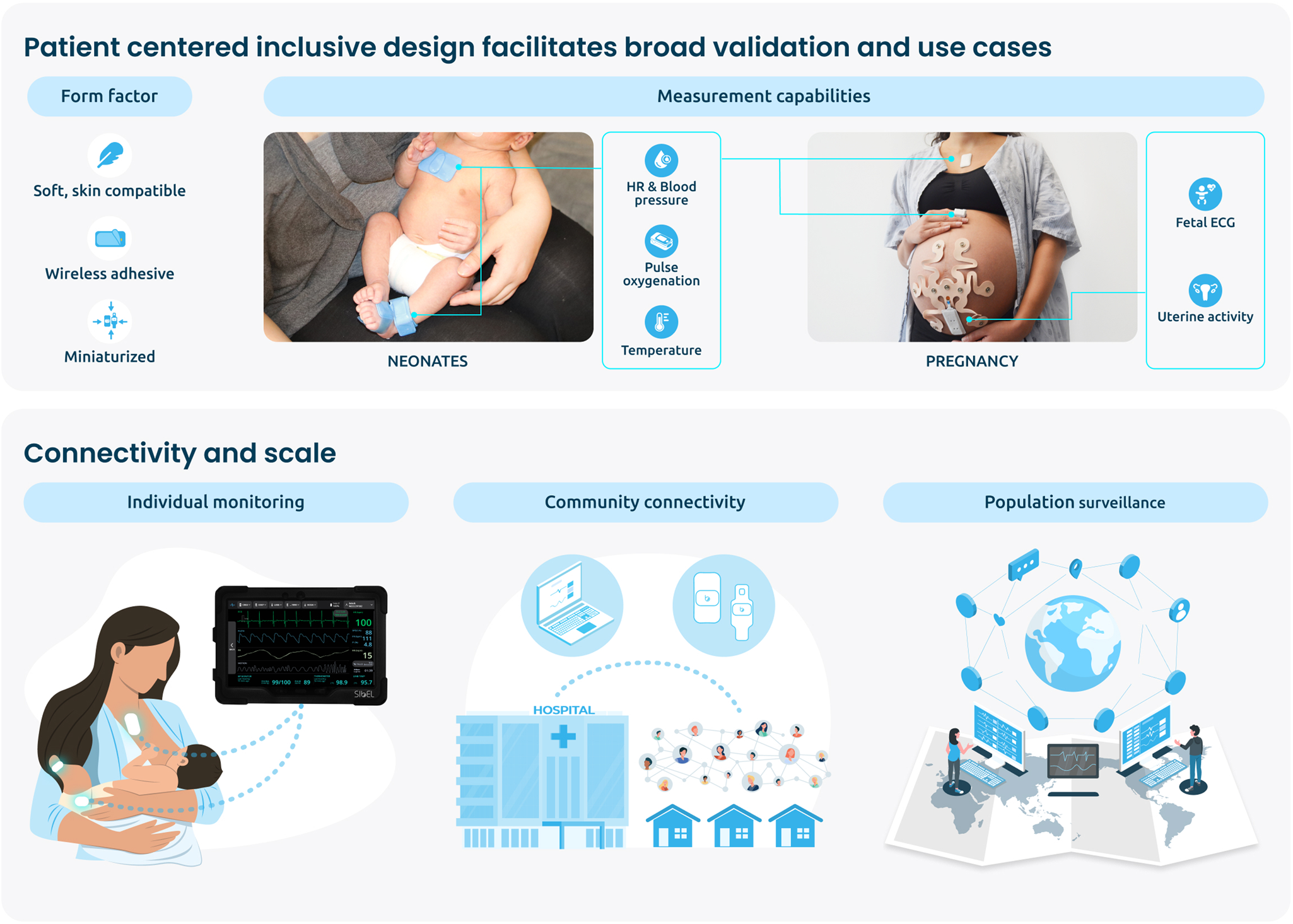
Despite rapid progress, wearable technology still faces several technical and social challenges. Battery life remains a major constraint, as compact devices must balance performance with energy efficiency. Privacy and data security are also important concerns, particularly as wearables collect increasingly sensitive personal information.
Nevertheless, the pace of innovation in wearable technology suggests that these devices will continue to evolve quickly. Improvements in battery technology, sensor design, and wireless connectivity are expected to enable more powerful and versatile wearable systems in the coming years.
For technology companies, the wearable category represents an opportunity to redefine personal computing. For consumers, it offers the promise of technology that is more integrated, more responsive, and more seamlessly embedded into everyday life.
As the boundaries between digital devices and personal environments continue to blur, wearable technology may ultimately become the most natural interface between humans and the digital world.