























There is a subtle yet decisive distinction in music production: the difference between a loop that is perfectly in time and a groove that actually feels alive.
From a technical standpoint, both can appear identical. The tempo is correct, nothing is off-beat, and everything sits neatly on the grid. Yet when you listen, one feels like a repetitive sequence of sound, while the other carries movement, tension, and emphasis—the kind that makes listeners nod along instinctively.
At a systems level, both are simply digital data—waveforms stored as time-based samples. However, the way that data is generated, particularly in terms of transients and dynamic range, fundamentally shapes how it is perceived.
The difference does not lie in the software. It lies in how the sound is created at the source.
Where Precision Stops and Feel Begins
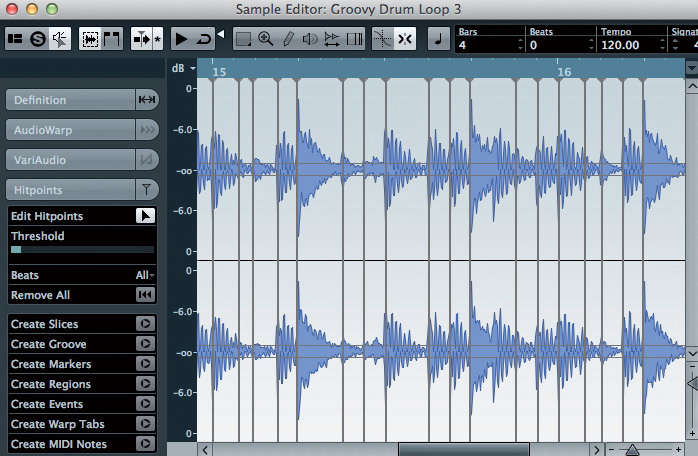
In digital environments, we tend to optimize everything for precision. Quantization aligns every hit perfectly, and velocity can be normalized in just a few clicks. But this very perfection often removes the most important element: human variation.
A compelling groove rarely sits perfectly on the grid. It contains micro-deviations—sometimes only a few milliseconds—that create a sense of motion. These deviations are not errors; they are characteristics of a real performance.
Technically, DAWs operate based on sample rates (for example, 44.1kHz means 44,100 samples per second). When you quantize, you are forcing transients into mathematically exact positions within that system. However, the human ear is often more responsive to subtle imperfection than absolute precision.
After prolonged exposure to perfectly quantized MIDI, your ears adapt to that uniformity. But the moment you hear a real performance, the difference becomes obvious: the sound carries weight and direction, rather than existing in a static state.
The Role of Real Performance in Modern Production
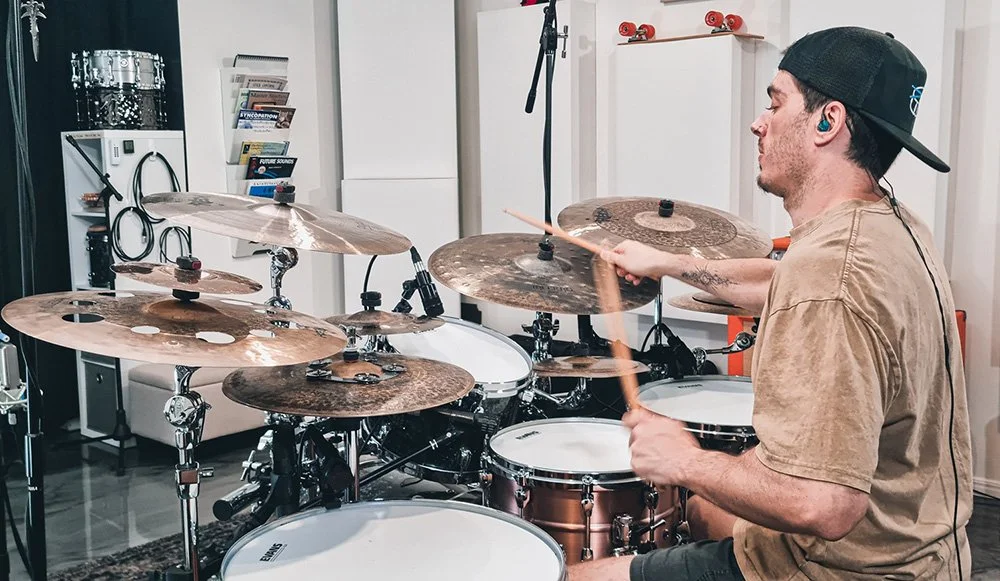
In modern production, incorporating recordings from session musicians is no longer unusual. In fact, it is one of the most effective ways to introduce authentic feel without committing to a full recording process.
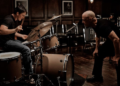
A professional drummer does more than play in time. They control dynamics, spacing between hits, and the subtle presence of ghost notes—all of which contribute to a rhythm with depth and character.
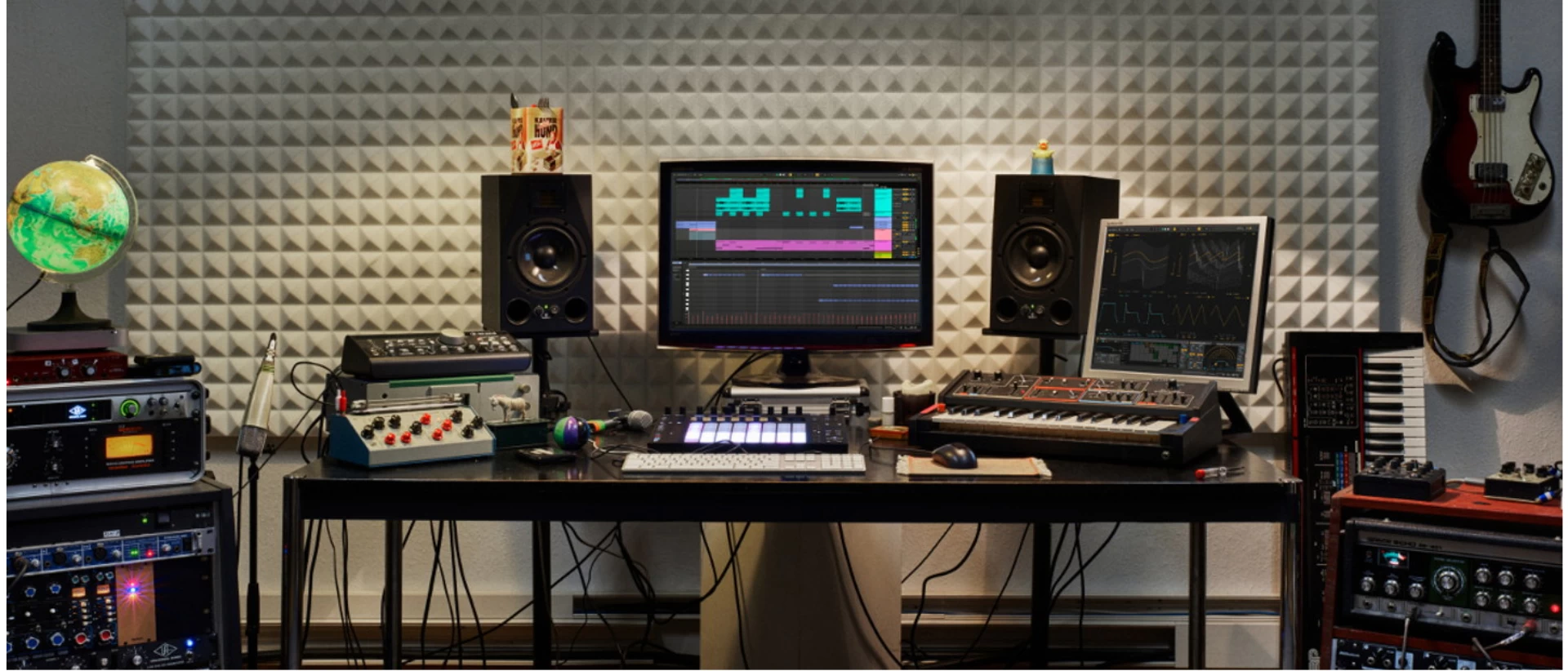
Behind the scenes, each hit travels through a complete signal chain: microphone → preamp → audio interface → analog-to-digital conversion. Each stage influences how transients are captured and how dynamics are preserved.
When these recordings are turned into sound libraries, what you receive is not just a WAV file. It is a digitized performance that retains the physical characteristics of the original playing.
Workflow Over Complexity
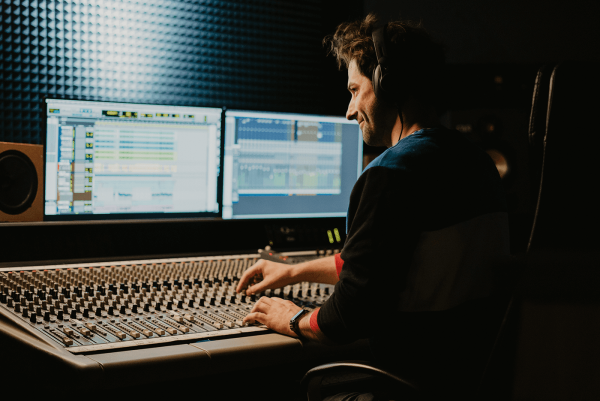
One of the most significant shifts when moving from building everything from scratch to using high-quality sound libraries is the change in workflow.
Instead of spending hours refining minute details, you begin with a foundation that already has the right feel. This not only saves time but also preserves creative continuity—something that is often disrupted by excessive technical adjustments.
Modern DAWs support this approach exceptionally well through features like time-stretching, warp engines, and real-time processing. You can adapt loops to your project tempo almost instantly without significantly degrading audio quality.
For many producers, this is not about taking shortcuts. It is about working more efficiently—leveraging technology to focus on creative decisions rather than mechanical ones.
The Structure Behind Modern Sound Libraries

Modern sound libraries are no longer just collections of random audio files. They are structured systems composed of multiple layers of data.
A typical library may include full loops for immediate use, one-shots for building from scratch, and even multitrack recordings for detailed control during mixing.
Additionally, many libraries include metadata—information such as tempo, key, and groove type—allowing DAWs to interpret and integrate the files more intelligently.
This transforms sample packs into flexible audio datasets that can be reused, modified, and adapted across different workflows.
Yurt Rock — A Focused Approach to Performance-Based Libraries
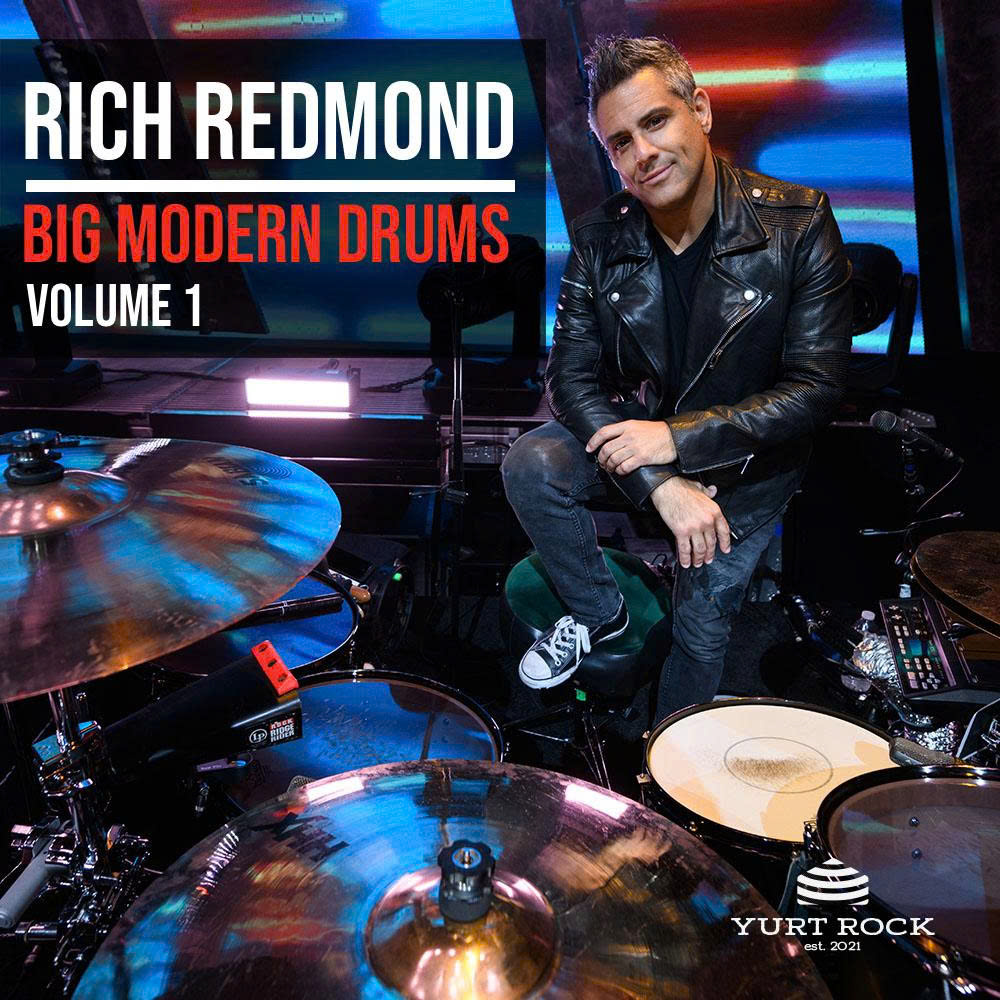
Among modern sound library platforms, Yurt Rock stands out for its focused approach: performance-driven audio.
Rather than expanding across too many sound categories, it builds its library around real recording sessions with professional musicians. Each pack is not simply a collection of sounds, but the result of a controlled recording process involving microphone placement, acoustic space, and performance style.
A notable strength lies in its data structure. Many packs include both ready-to-use loops and multitrack recordings, allowing users to balance speed with detailed control. You can quickly drop in a groove or dive deeper into individual elements like kick, snare, or overhead channels.
From a technical perspective, the use of standard formats such as WAV and MIDI ensures compatibility across virtually all DAWs, while preserving audio integrity through multiple stages of processing.
In terms of positioning, Yurt Rock does not aim to replace the production process. Instead, it acts as a high-quality input layer—an optimized source of both sonic and expressive data that enhances creative output.
Closing Perspective
Ultimately, when looking at the broader landscape of music production, one thing becomes clear: technical skill can be developed and refined, but musical feel is far more difficult to replicate through tools alone.
Technology enables precision, speed, and flexibility. But it is often the subtle imperfections—the slight deviations from mathematical correctness—that make music feel real.
And in many cases, the value of performance-based sound libraries lies not in making production easier, but in preserving the most essential element from the very beginning: feel.
The Review
Yurt Rock
Yurt Rock is a creative platform that provides high-quality, customizable music for content creators, filmmakers, and brands. It combines professional composition with AI-assisted tools, allowing users to generate unique soundtracks tailored to their projects quickly and efficiently. Ideal for those seeking original audio without the complexity of traditional music production