




























Introduction: Computing Power as Industrial Infrastructure
Across modern industries, the demand for computing power has reached unprecedented levels. Scientific research, financial modeling, manufacturing design, and large-scale data analysis increasingly rely on systems capable of processing enormous volumes of information in extremely short periods of time.
This demand has accelerated the adoption of High-Performance Computing (HPC)—a category of computing systems designed to perform complex calculations and simulations at speeds far beyond conventional enterprise servers.
Once limited primarily to government laboratories and scientific institutions, HPC has rapidly expanded into commercial sectors ranging from automotive engineering to pharmaceuticals. Today, it is becoming a foundational technology for organizations seeking to remain competitive in an increasingly data-driven economy.
What Defines High-Performance Computing?

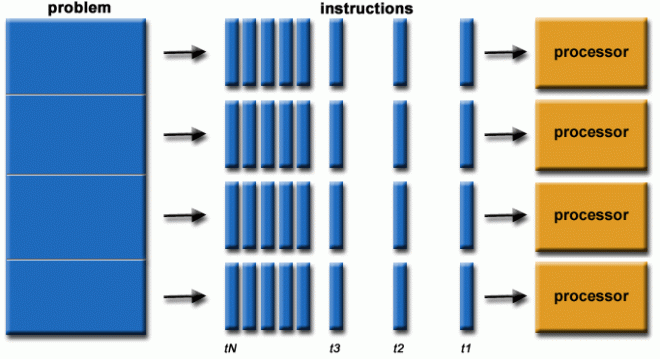

High-Performance Computing systems are distinguished by their ability to perform massive numbers of calculations simultaneously. Instead of relying on a single powerful processor, HPC systems typically combine thousands of interconnected computing nodes working in parallel.
These clusters operate through specialized networking technologies that allow processors to communicate at extremely high speeds. By distributing complex tasks across many processors, HPC systems can solve problems that would otherwise take months or years to complete on conventional machines.
Several architectural components define modern HPC infrastructure:
• parallel computing clusters
• high-speed interconnect networks
• advanced cooling systems
• optimized data storage architectures
• specialized workload management software
Together, these components enable computing environments capable of handling some of the most demanding workloads in modern technology.
Transforming Scientific Research

Scientific discovery has long been one of the primary drivers of high-performance computing development.
Researchers use HPC systems to simulate physical phenomena that would be impossible to replicate in laboratory conditions. Climate modeling, for example, requires analyzing massive environmental datasets and running highly complex atmospheric simulations.
Similarly, pharmaceutical researchers rely on large-scale computational models to study molecular interactions, accelerating the discovery of new drugs and therapies.
Other research fields that depend heavily on HPC include:
• astrophysics and space exploration
• genomic sequencing and biotechnology
• particle physics simulations
• environmental modeling
By enabling researchers to analyze enormous datasets and simulate complex systems, HPC has become a critical tool for advancing scientific knowledge.
Industrial Applications: From Automotive to Energy
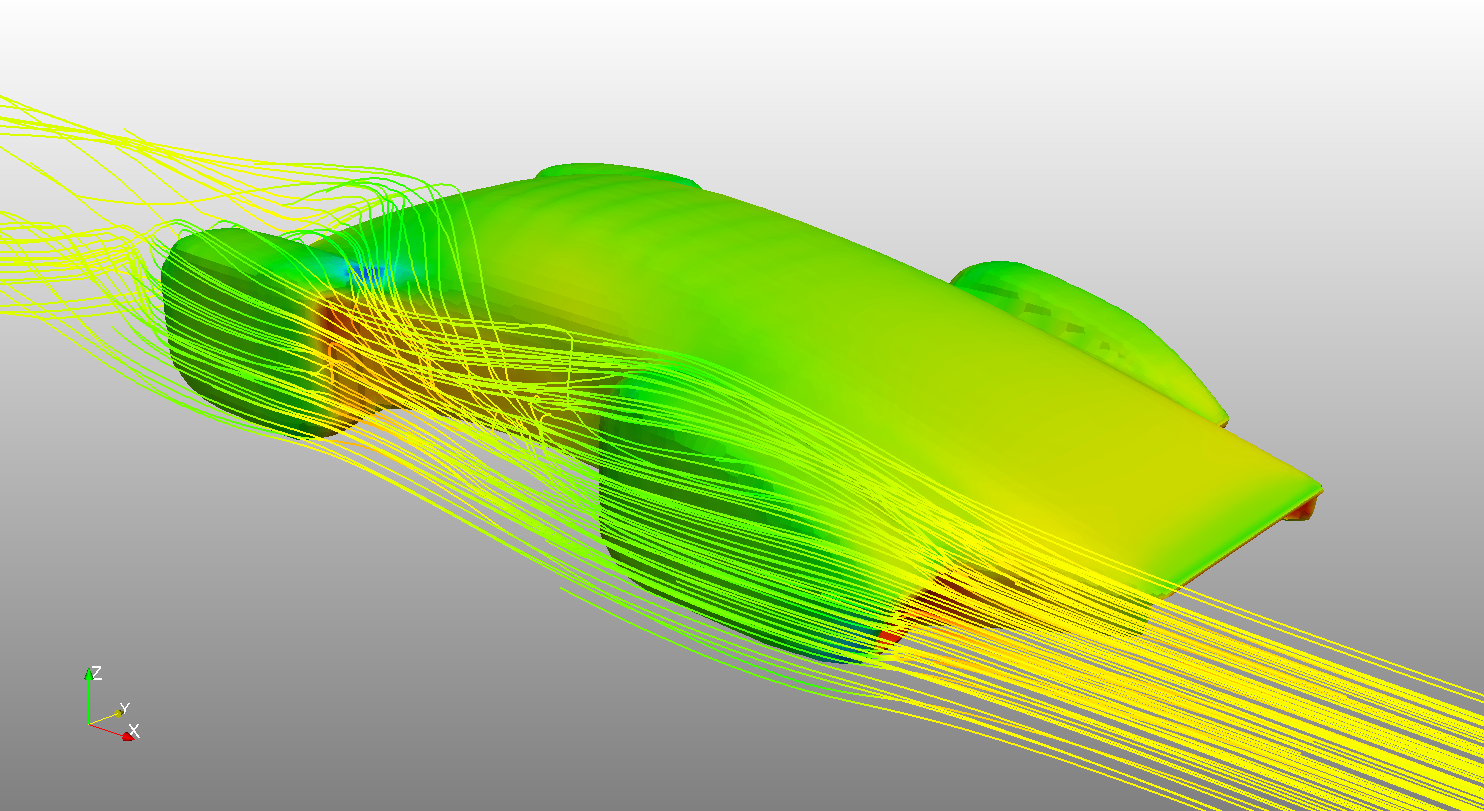
Beyond research laboratories, high-performance computing is increasingly integrated into industrial design and engineering processes.
Automotive manufacturers, for instance, use HPC platforms to simulate vehicle aerodynamics, crash dynamics, and engine performance before building physical prototypes. These simulations significantly reduce development costs while accelerating product innovation.
Energy companies also rely on advanced computing systems to analyze geological data and model complex extraction processes. In the aerospace industry, engineers simulate airflow patterns and structural stresses to improve aircraft efficiency and safety.
Such simulations allow industries to test thousands of design variations digitally, drastically shortening development cycles and improving engineering precision.
Data-Driven Business and Financial Modeling
The financial sector has also become one of the largest adopters of high-performance computing infrastructure.
Investment firms and financial institutions use large-scale computational systems to analyze market behavior, evaluate complex risk models, and perform real-time analytics across massive datasets.
Algorithmic trading strategies often rely on extremely fast calculations to evaluate thousands of potential market scenarios within fractions of a second.
In addition to trading applications, HPC supports financial institutions in areas such as:
• risk modeling and regulatory stress testing
• portfolio optimization
• fraud detection and transaction analysis
• large-scale economic forecasting
As financial markets generate increasing volumes of data, high-performance computing provides the analytical capabilities necessary to interpret this information efficiently.
The Infrastructure Behind the Digital Economy

High-performance computing is also closely connected to the expansion of global digital infrastructure. Large data centers now support complex computing workloads across industries including telecommunications, scientific research, media production, and advanced analytics.
The growing scale of digital data has made powerful computational resources essential for managing storage, processing, and analysis at industrial levels.
Many organizations now deploy hybrid infrastructures that combine dedicated HPC clusters with large-scale cloud computing environments, allowing them to scale workloads dynamically depending on demand.
This convergence of supercomputing and enterprise computing is redefining how organizations approach large-scale data processing.
The Future of High-Performance Computing

The evolution of high-performance computing continues to push the limits of what modern technology can achieve. One of the most significant milestones in this field is the development of exascale computing systems, capable of performing more than a quintillion calculations per second.
These next-generation systems will enable even more detailed simulations across scientific, industrial, and economic domains.
Future HPC platforms are expected to support increasingly complex workloads, including global climate modeling, advanced materials research, and large-scale infrastructure simulations.
As industries continue to generate larger datasets and require deeper computational analysis, high-performance computing will remain a critical component of technological progress.
In many ways, HPC has evolved from a specialized research tool into a foundational infrastructure supporting innovation across the global economy.