

























You’ve invested in premium plugins. Your mixes are clean, your levels are balanced, and everything technically checks out. Yet something still feels off. The track sounds flat—lifeless, even.
This isn’t a mixing problem. It’s a feel problem. And it’s becoming one of the defining challenges of modern music production. As tools become more powerful and accessible, more producers are achieving technical perfection—but fewer are creating tracks that actually move people.
The Illusion of Better Sound Through Better Tools
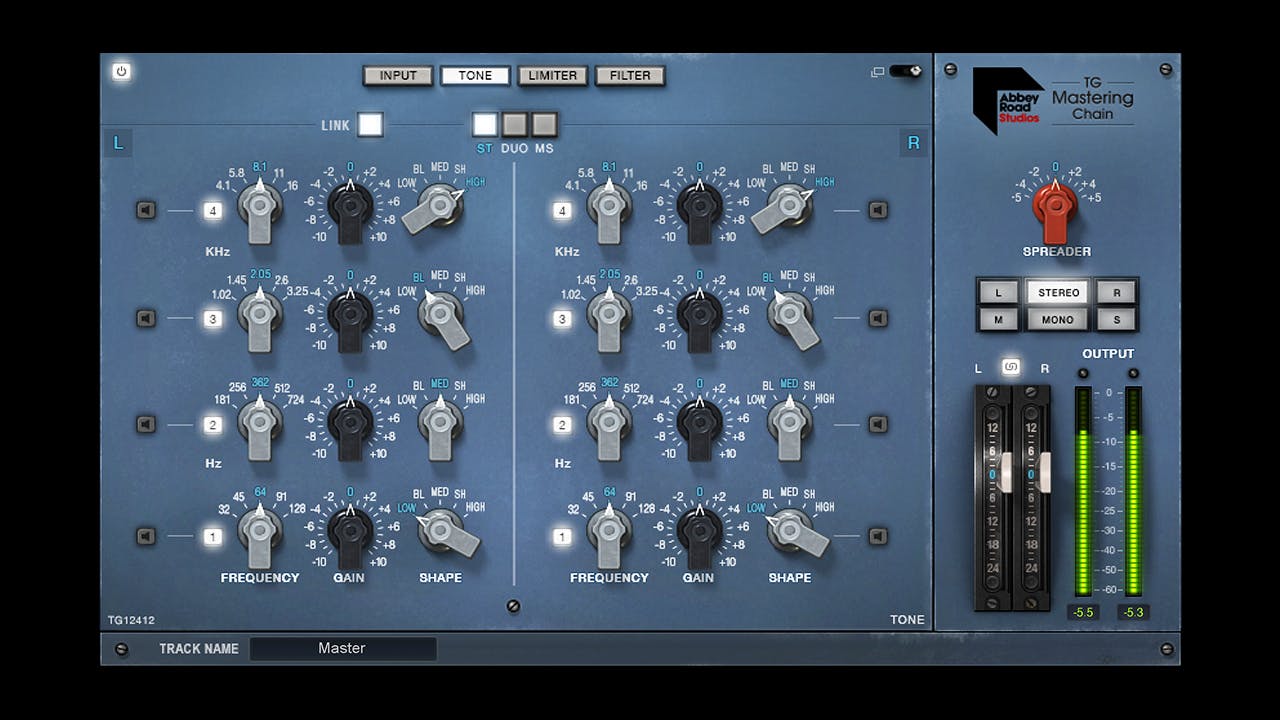
The industry has long promoted a simple idea: better tools lead to better music. More plugins, more presets, more control. And while these tools do improve clarity and precision, they don’t solve the deeper issue of musicality.
In fact, over-reliance on plugins often pushes tracks toward uniformity. Compression evens out dynamics. Quantization locks everything to the grid. The result is technically perfect audio that lacks energy and variation.
What you gain in control, you often lose in character.
The Real Problem: Everything Is Too Perfect

When every note is perfectly aligned, you remove the subtle timing differences that create groove. Real musicians don’t play on a grid—they push and pull against it, creating tension and release.
Digital workflows, however, tend to eliminate these nuances. Velocity gets normalized. Notes get snapped into place. Over-editing strips away the imperfections that give music its identity.
The irony is hard to ignore: in trying to sound professional, many producers accidentally remove the very elements that make a track feel alive.
Why Human Feel Matters More Than Ever

As production tools become more widespread, the baseline quality of music has risen. But so has the sameness. When everyone has access to the same sounds and workflows, differentiation becomes harder.
This is where human feel becomes a competitive edge. Subtle timing variations, dynamic shifts, and performance energy create depth that listeners can feel—even if they don’t consciously notice it.
In a landscape dominated by precision, imperfection becomes the signal.
The Missing Piece: You Can’t Fake Performance

Here’s the uncomfortable truth: you can tweak MIDI for hours and still not match the feel of a real performance.
You can randomize velocity. Shift notes off-grid. Apply groove templates. But at some point, you’re not creating feel—you’re approximating it. And approximation has limits.
Performance-driven sample libraries take a fundamentally different approach. Instead of building groove from scratch, they capture it at the source—through real players, real timing, and real dynamics.
This is where platforms like Yurt Rock stand out. Rather than offering clean, perfectly editable loops, they provide recordings that already move. The groove isn’t programmed—it’s performed. The dynamics aren’t adjusted—they’re played.
And that changes the entire workflow. Instead of fixing lifeless tracks, you start with material that already feels alive.
Conclusion
If your tracks sound “dead,” the solution isn’t another plugin. It’s a shift in approach.
Music doesn’t connect because it’s perfect. It connects because it feels human. And as production continues to evolve, that human element is becoming the most valuable asset a producer can have.
Performance-driven libraries aren’t just a trend—they’re a response to a deeper problem in digital production. And for many producers, they’re becoming the fastest way to bridge the gap between technical precision and emotional impact.