





















Google has officially introduced Gemma 4, a new family of open-weight language models built on the same technological foundation as Gemini 3. This release marks an important step toward making advanced language technologies more accessible to developers and businesses, while enabling flexible deployment across a wide range of devices.
Architecture and Model Variants
Gemma 4 includes four distinct versions, each designed for different performance needs and hardware environments:
- 2B and 4B (Effective models)
Optimized for resource-constrained devices such as smartphones and lightweight laptops. These models focus on efficiency while maintaining strong responsiveness. - 26B (Mixture of Experts)
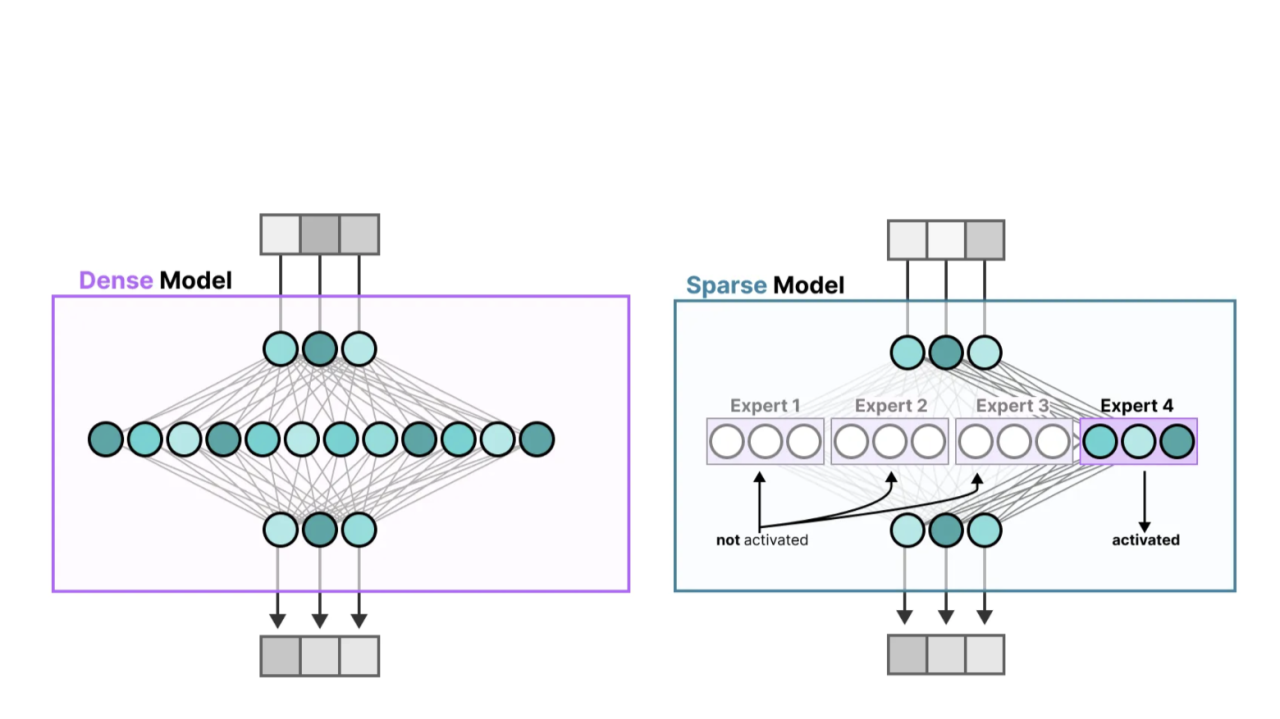
Uses a “Mixture of Experts” architecture, activating only part of the model during each task. This reduces computational cost while preserving high performance. - 31B (Dense model)
A fully activated model where all parameters operate simultaneously, delivering the highest level of performance. Best suited for servers and high-end workstations.
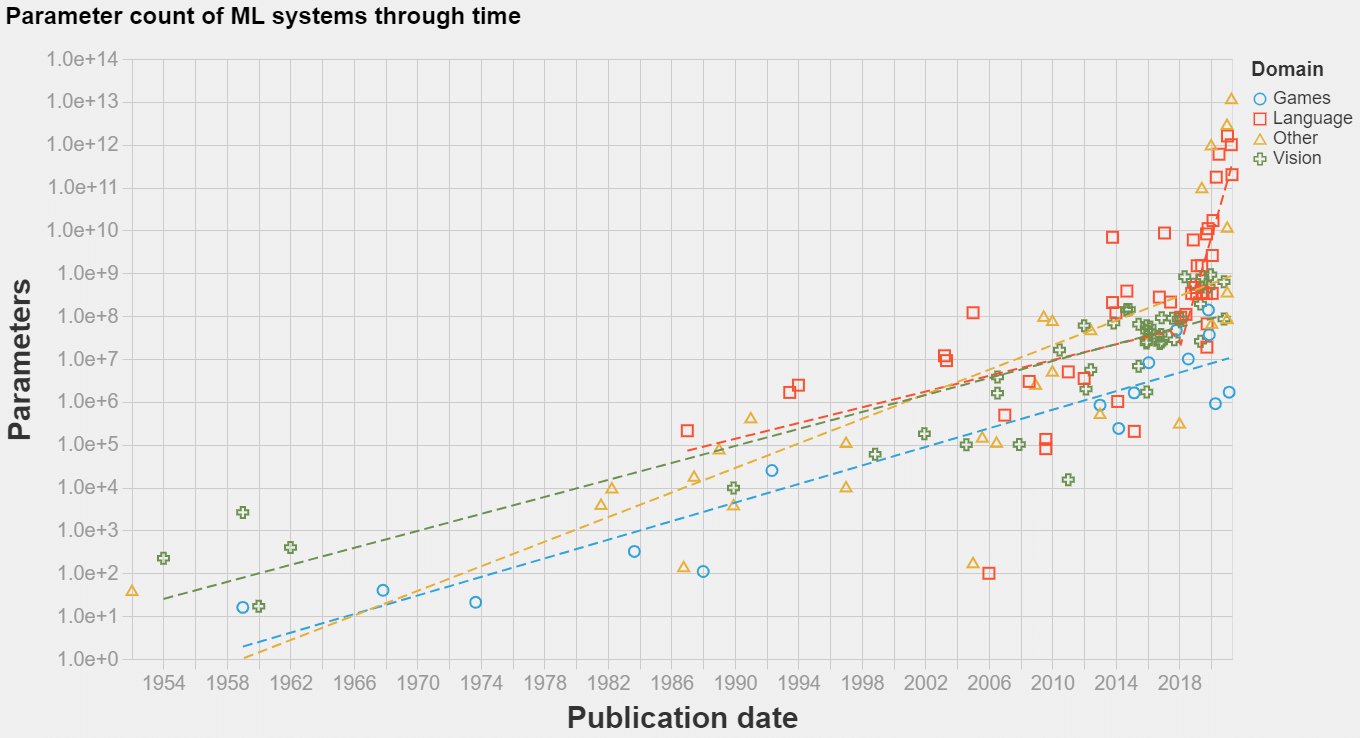
The number of parameters plays a key role in determining model capability. However, Gemma 4 emphasizes efficiency rather than relying solely on scale.
Performance and Optimization
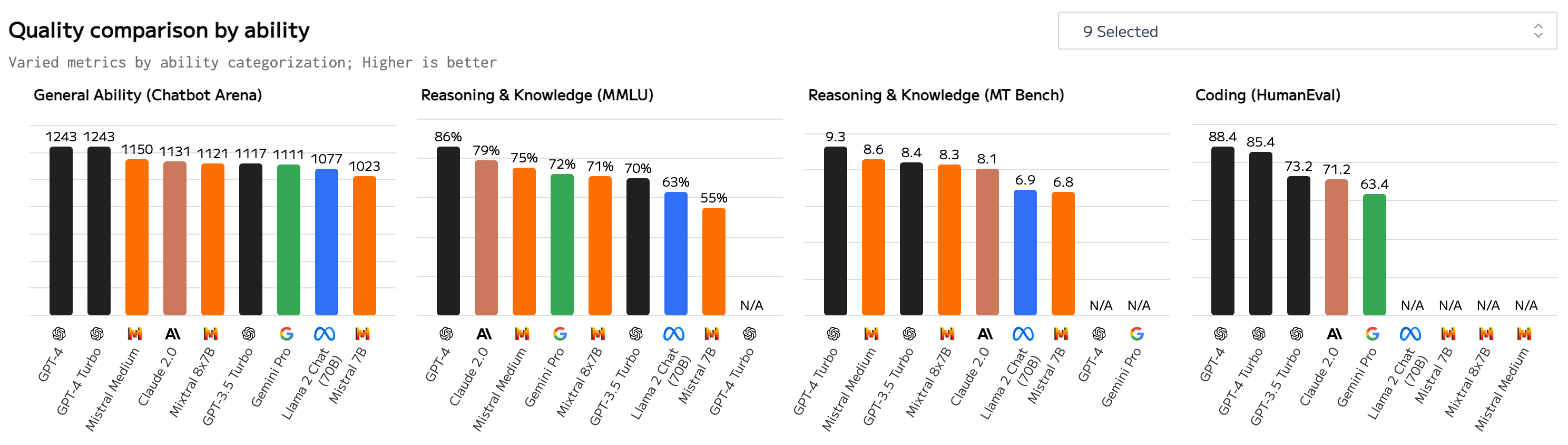
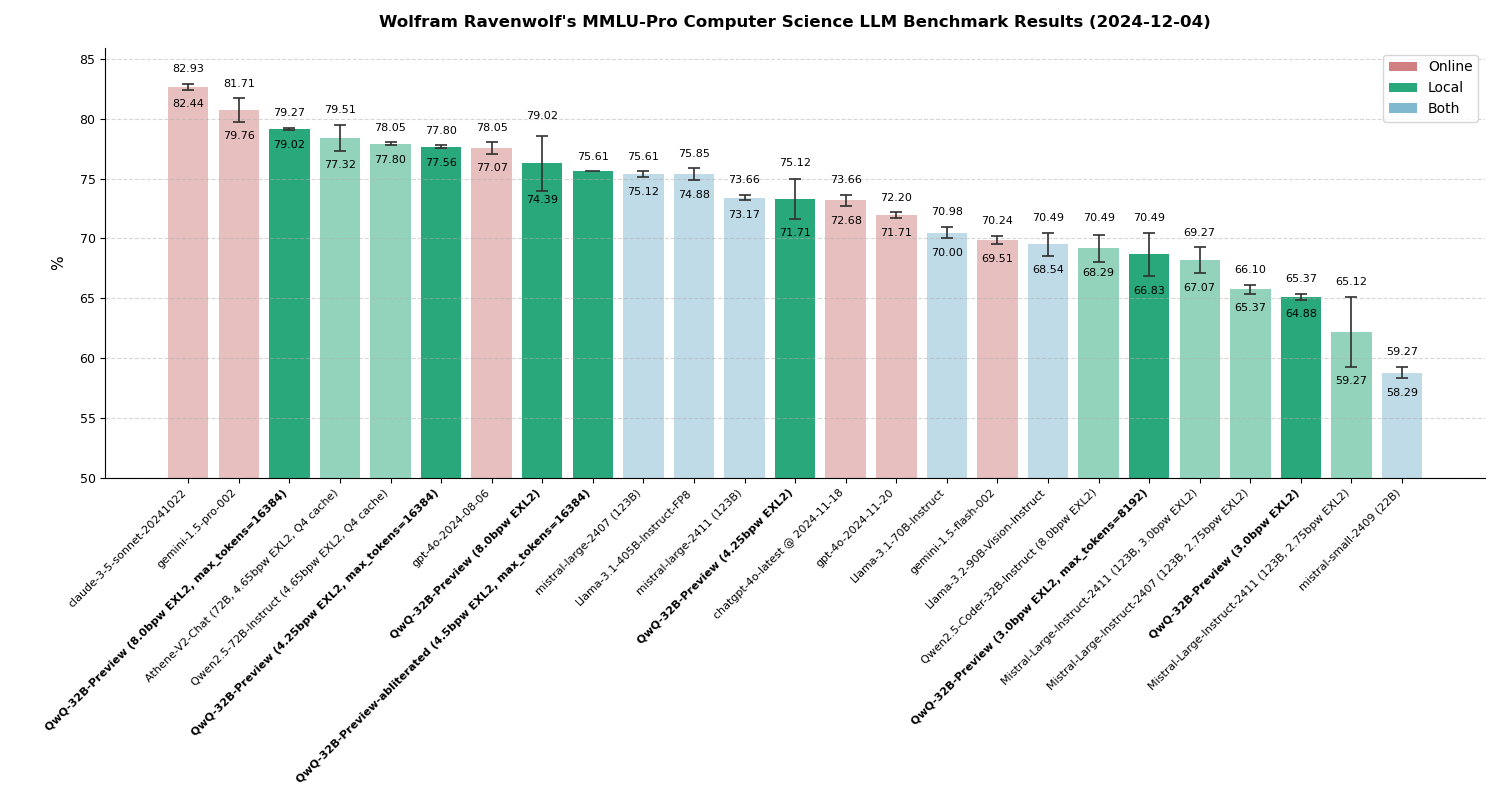
Google highlights that Gemma 4 achieves a high level of efficiency in terms of “intelligence per parameter.”
In benchmark evaluations:
- The 31B model ranks among the top performers
- The 26B model also achieves strong results
- Both outperform significantly larger models in certain tests
This reflects a broader shift toward architectural optimization rather than simply increasing model size.
Multimodal Capabilities

Gemma 4 supports multiple types of data processing:
- Text: understanding and generating content
- Images and video: content analysis and optical character recognition (OCR)
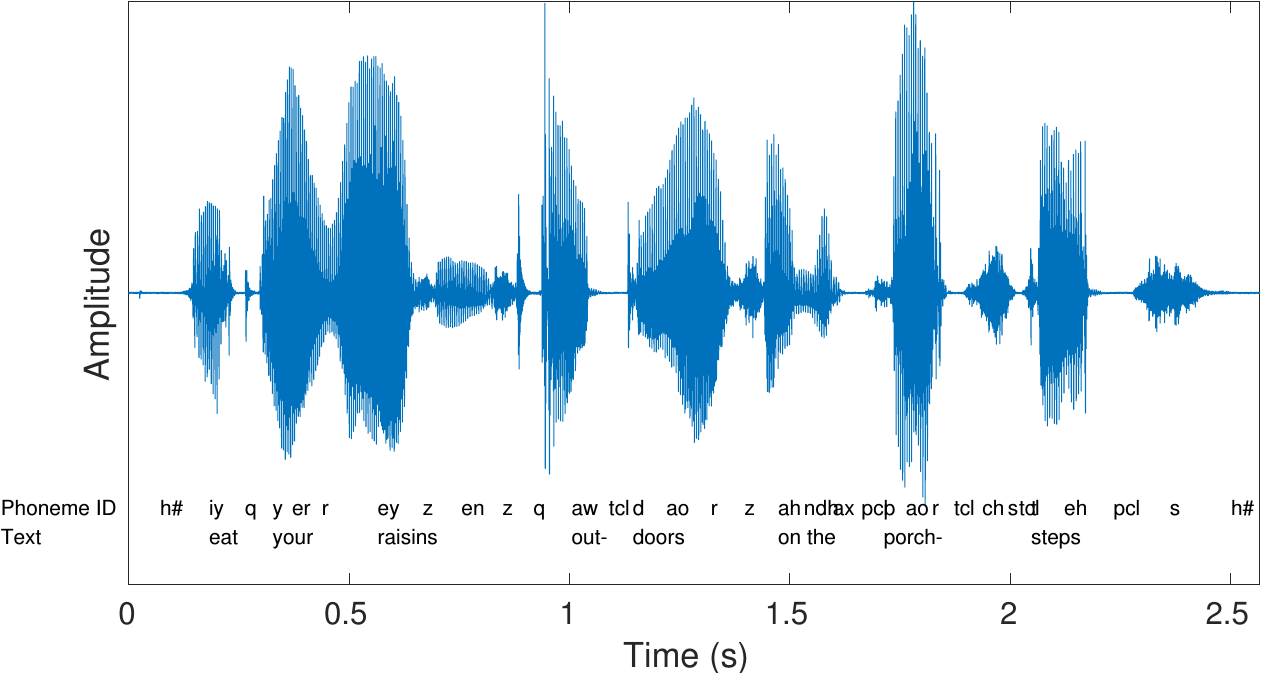
- Audio: smaller models can process speech input
- Multilingual support: over 140 languages
In addition, the models can operate offline, making them suitable for environments with strict privacy or limited connectivity requirements.
Apache 2.0 License and Its Impact
A key highlight of this release is that Gemma 4 is distributed under the Apache 2.0 license.
This provides:
- Freedom to use for both personal and commercial purposes
- Flexibility to modify and customize the models
- Full control over deployment, whether on-premises or in the cloud
- Ownership and control over data
Compared to previous releases with more restrictive licensing, this represents a major step toward broader adoption and developer autonomy.
Practical Use Cases
Gemma 4 can be applied across a wide range of scenarios:
- Building internal chatbot systems
- Document analysis and data extraction
- Software development assistance
- Deployment on mobile or edge devices
- Automating content workflows
Its ability to function offline is especially valuable in industries where data privacy is critical, such as finance and enterprise systems.
Availability and Deployment
The Gemma 4 models are available through popular platforms including:
- Hugging Face
- Kaggle
- Ollama
This makes it easy for developers to download, experiment with, and integrate into existing systems.
Conclusion
Gemma 4 reflects a clear strategic direction from Google: building models that are not only powerful, but also efficient and widely accessible.
Rather than focusing solely on increasing scale, the emphasis is on optimization, flexibility, and real-world usability. This release opens up new opportunities for developers and organizations to build and deploy advanced language systems more effectively.