



























From Hobby to Global Powerhouse

Gaming used to be simple, a way to pass time after school, a weekend escape, or a niche hobby shared among a small community of enthusiasts, but today it has transformed into something far bigger, a global industry that rivals and often surpasses film, music, and television combined, generating hundreds of billions of dollars annually and influencing everything from technology and culture to social behavior and even career paths, and while many people still think of games as entertainment, that definition no longer captures the full picture because gaming has evolved into a complex ecosystem driven by corporations, data, monetization strategies, and massive global audiences that blur the line between leisure and business.
The Rise of a Digital Economy
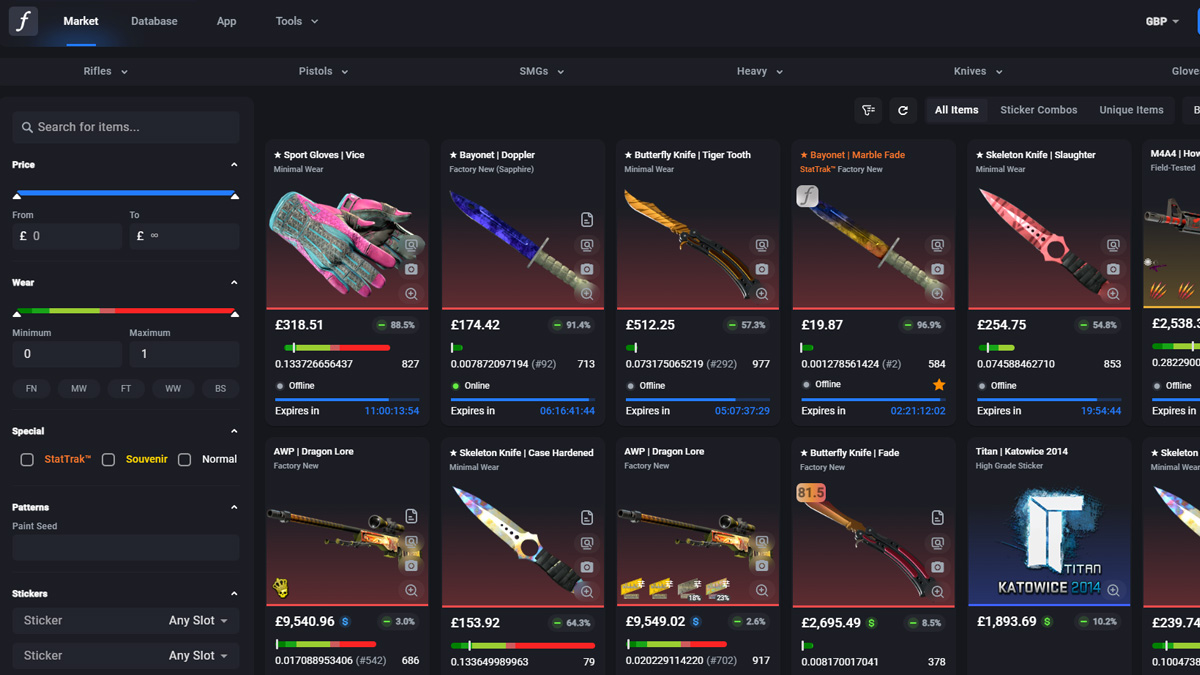
At the heart of modern gaming lies a powerful digital economy where players are no longer just consumers but participants in continuous spending cycles, as games increasingly adopt monetization models such as microtransactions, battle passes, downloadable content, and in-game currencies that turn gameplay into an ongoing financial interaction rather than a one-time purchase, and this shift has fundamentally changed how games are designed because success is no longer measured solely by player enjoyment but by retention, engagement, and lifetime value, leading developers to carefully engineer progression systems, reward loops, and psychological triggers that encourage players to keep coming back and, more importantly, keep spending, creating an environment where entertainment is tightly intertwined with revenue generation.
Games Designed for Retention, Not Just Fun
Modern games are no longer built purely around creativity or storytelling but are increasingly structured around retention mechanics that maximize the amount of time players spend within the ecosystem, incorporating features such as daily login rewards, limited-time events, progression systems, and randomized rewards that tap into psychological principles like anticipation and habit formation, and while these systems can enhance engagement, they also shift the focus from meaningful gameplay experiences to continuous interaction cycles where players feel compelled to return not necessarily because they want to but because the system incentivizes them to do so, turning gaming into a habit-driven activity that operates similarly to social media platforms.
The Esports Explosion
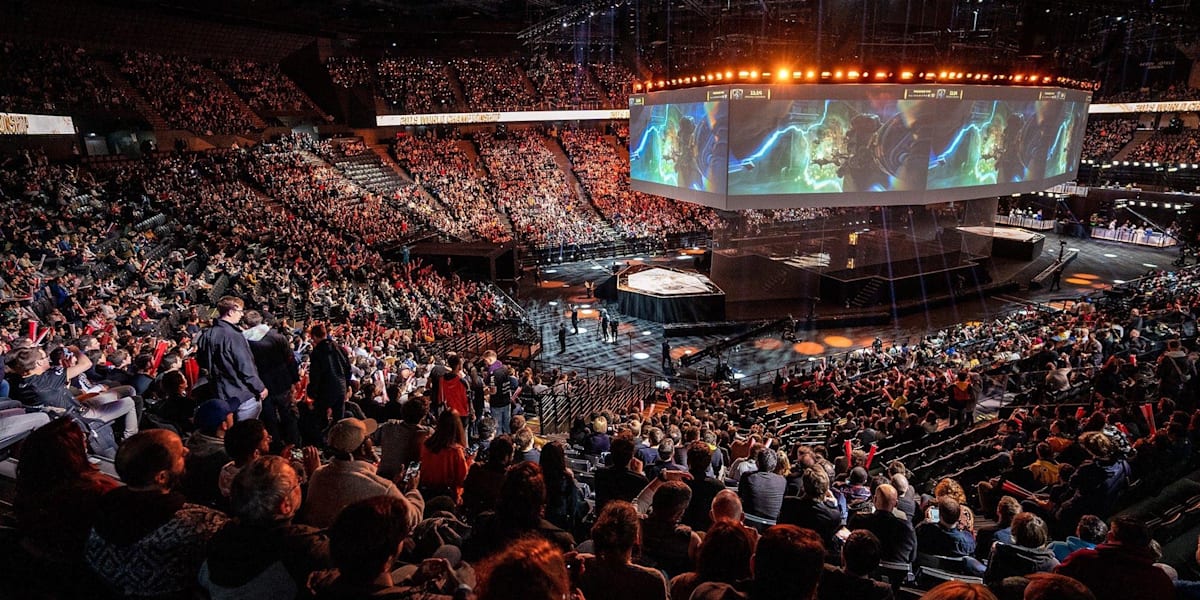
What was once a casual pastime has now become a professional arena where players compete on global stages for millions of dollars in prize money, with esports transforming gaming into a spectator sport that attracts massive audiences both online and in physical venues, complete with sponsorships, advertising deals, media rights, and dedicated fan bases, and this competitive dimension has elevated gaming into a legitimate career path for skilled players, streamers, and content creators who can build entire businesses around their presence, further reinforcing the idea that gaming is no longer just about playing but about participating in a broader industry that spans entertainment, media, and commerce.
Streaming and the Creator Economy
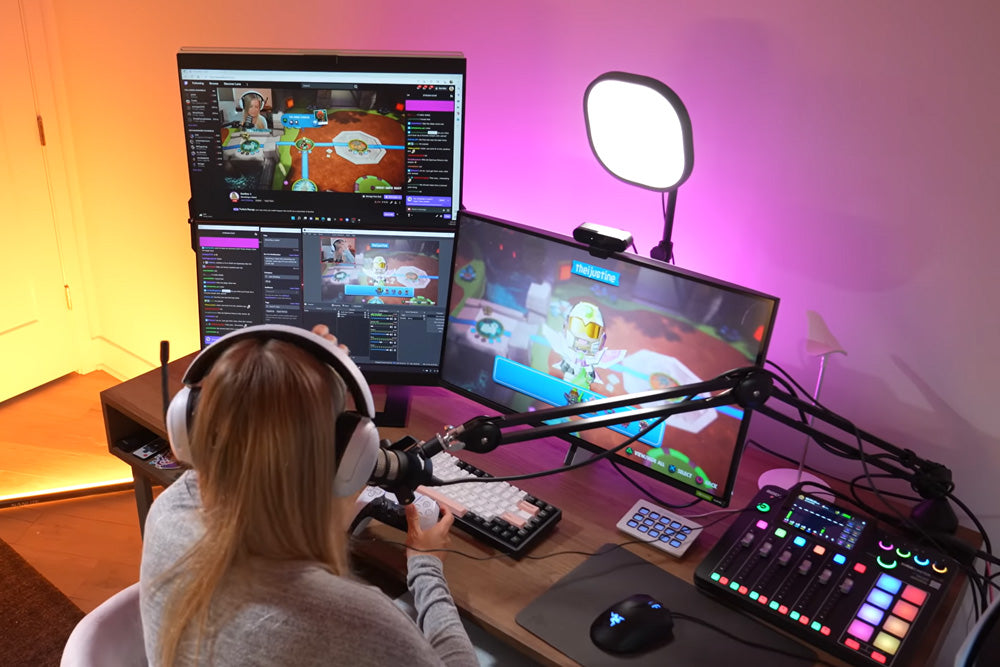
The rise of platforms like live streaming services and video-sharing sites has turned gaming into a content-driven economy where watching others play is just as important as playing itself, creating a new layer of monetization through ads, subscriptions, donations, and brand partnerships, and this shift has redefined what it means to be a gamer because success is no longer limited to in-game achievements but extends to audience building, personal branding, and content production, making gaming a central pillar of the modern creator economy and further blurring the boundaries between entertainment, work, and entrepreneurship.
Corporate Power and Consolidation
Behind the scenes, the gaming industry is dominated by powerful corporations and major technology companies that compete for market share through acquisitions, exclusive titles, and platform ecosystems, investing billions of dollars to secure content, talent, and intellectual property, and this consolidation has significant implications for the future of gaming because it concentrates control in the hands of a few key players who can influence what games are developed, how they are distributed, and how they are monetized, shaping the direction of the industry on a global scale and reinforcing its status as a major economic force.
The Blurred Line Between Play and Work
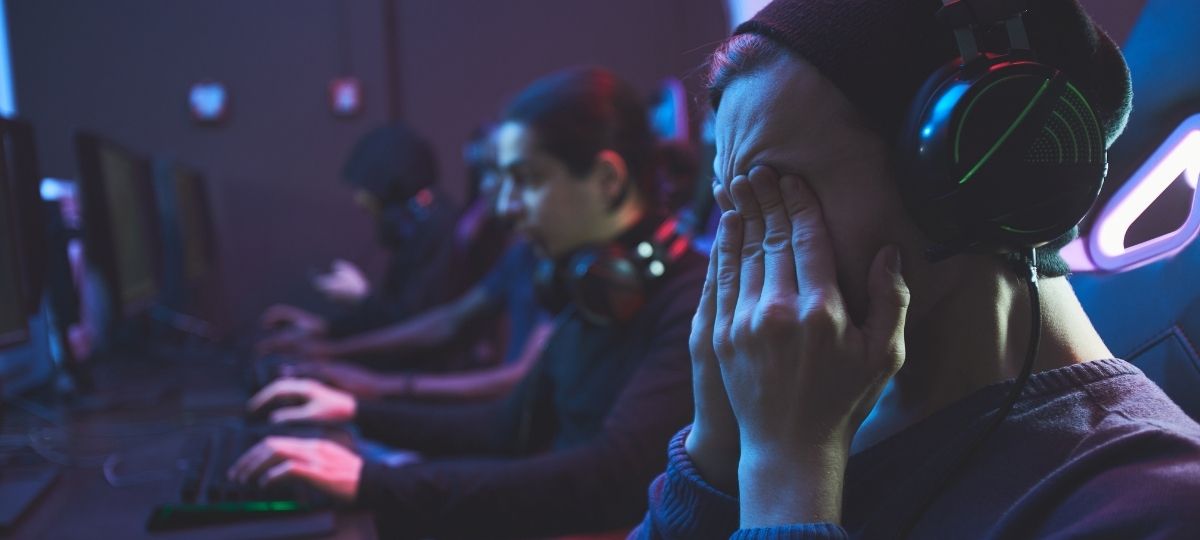
As gaming becomes more integrated into economic systems and professional opportunities, the distinction between play and work becomes increasingly unclear, with players investing significant amounts of time and effort not only to improve their skills but also to maintain progress, compete at higher levels, or build an online presence, and while this can be rewarding, it also introduces pressures similar to traditional work environments, including performance expectations, burnout, and the need for constant engagement, raising questions about whether gaming is still a form of relaxation or if it has evolved into something more demanding and structured.
Final Thought

Gaming has not lost its ability to entertain, but it has expanded far beyond it, becoming an industry empire that influences how people spend their time, money, and attention, and as technology continues to evolve with advancements in virtual reality, artificial intelligence, and connected ecosystems, gaming will only grow more powerful and more integrated into everyday life, making it essential to understand that what once was a simple form of entertainment is now a complex, data-driven, and economically significant system that shapes modern culture in ways we are only beginning to fully realize.