
























A New Kind of Factory Is Rising

In just 40 days, a fully operational humanoid robot training facility was built in Zhengzhou, Henan Province, and it’s not just another tech lab or research center, it represents something much bigger, a shift toward industrial-scale intelligence where robots are no longer experimental machines but active participants in real-world workflows, trained, monitored, and optimized in environments that closely resemble the industries they are meant to serve, from agriculture and manufacturing to healthcare and service sectors, signaling a future where humanoid robots are not just tools but adaptable workers embedded into economic systems.
The “Front Shop, Back Factory” Model
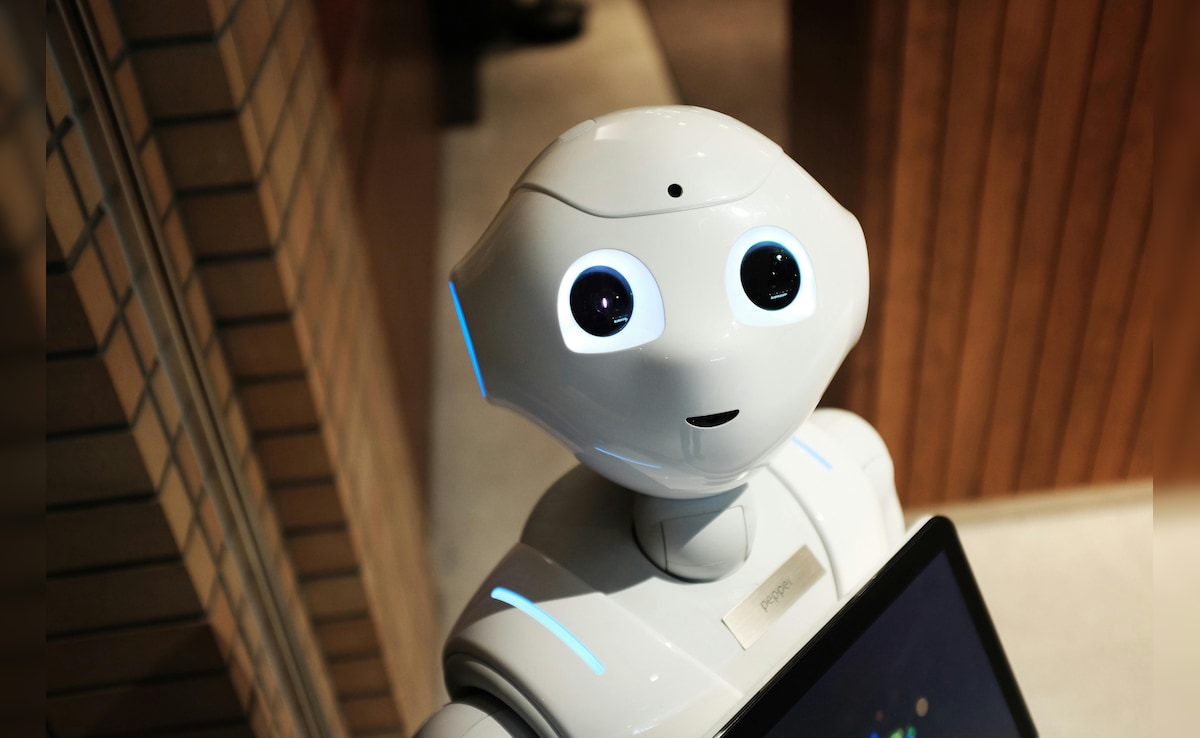
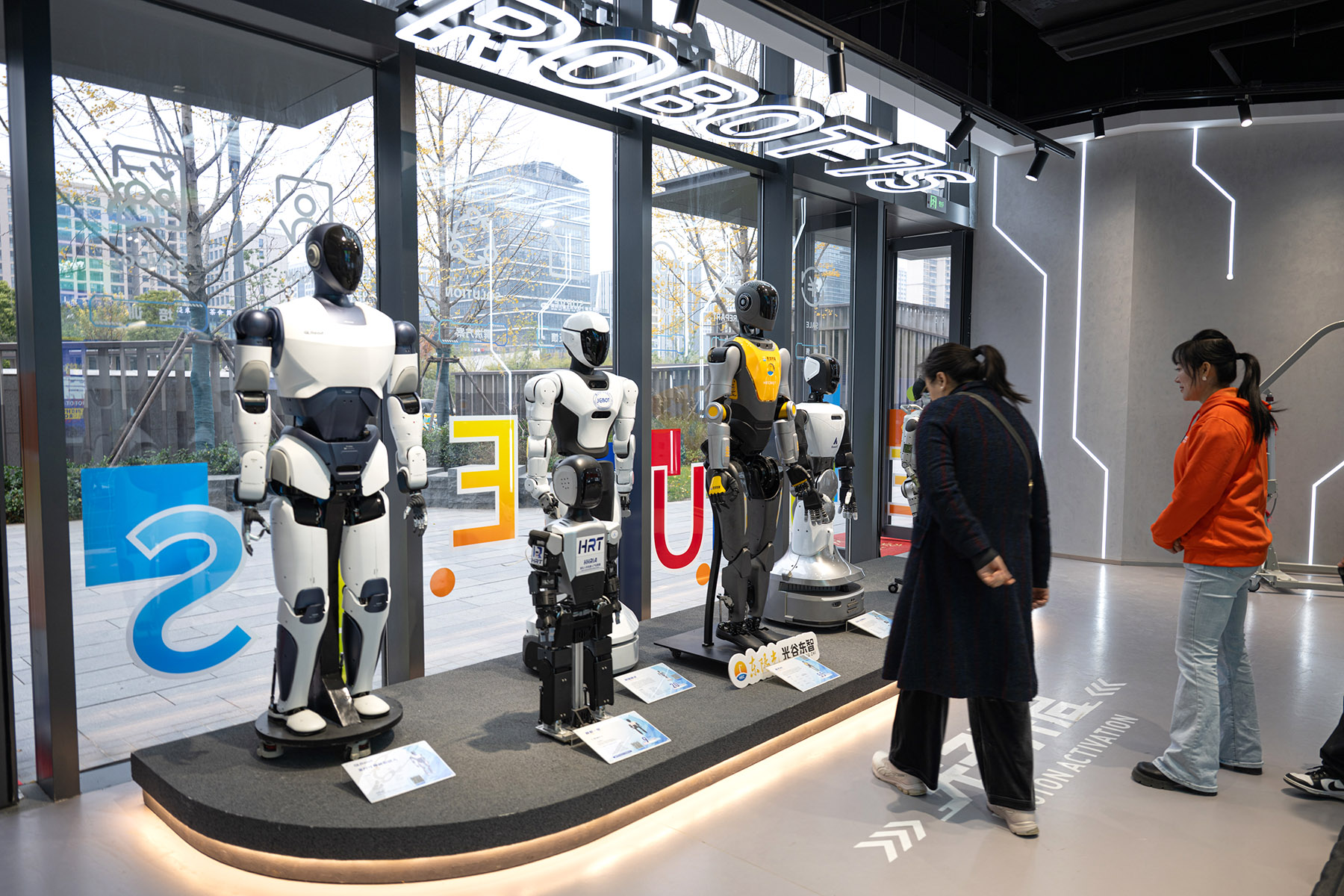
What makes this facility particularly unique is its hybrid structure, combining a public-facing showroom with a behind-the-scenes training system in what is described as a “front shop, back factory” model, where the ground floor allows visitors to explore and interact with robots freely while the upper level operates as a controlled training environment where machines are continuously learning and improving, effectively turning robot development into a transparent, interactive experience that blends commercial display with industrial production, allowing the public to witness the evolution of artificial intelligence in real time rather than as a distant or abstract concept.
Training Robots Like Human Workers

Inside the facility, robots are not simply programmed, they are trained in ways that resemble human learning processes, with each unit assigned a dedicated trainer who guides it through specific tasks while capturing vast amounts of data from every movement, every adjustment, and every outcome, creating a continuous feedback loop where performance improves over time through iteration and data accumulation, and this approach has already generated massive datasets, including over 150 million visual data points from a single task like folding clothes, highlighting how modern robotics is increasingly driven by data rather than static programming, enabling machines to develop flexibility and adaptability that were previously difficult to achieve.
From Farms to Factories

The scope of training extends across multiple real-world scenarios, with robots learning to pollinate and prune crops in agricultural zones, perform inspection and maintenance tasks in simulated industrial environments, assist in service roles with increasingly fluid and human-like movements, and prepare for applications in healthcare and beyond, demonstrating a clear focus on practical deployment rather than theoretical capability, and by aligning robot training with key industries and specific application scenarios, the facility is effectively building a workforce of machines tailored to meet economic demands, rather than generic robots with limited real-world utility.
A Glimpse Into Scaled Intelligence
With around 140 humanoid robots operating within the facility, each contributing data to a centralized cloud system, the project represents a form of scaled intelligence where learning is no longer confined to individual machines but shared across an entire network, allowing improvements made by one robot to benefit others, accelerating development at a pace that would be impossible through isolated training, and this collective learning model suggests a future where robots evolve not individually but as part of interconnected systems that continuously refine their capabilities through shared experience.
More Than Innovation — A Strategic Move
This facility is not just a technological milestone but also a strategic signal of how seriously humanoid robotics is being integrated into broader industrial planning, with training programs aligned to key economic sectors and application scenarios, indicating a deliberate effort to position robotics as a foundational layer of future industry, where automation is not limited to repetitive tasks but extends into complex, adaptive roles that require interaction, decision-making, and environmental awareness, pushing the boundaries of what machines can do in structured and unstructured environments alike.
Final Thought

The Zhengzhou humanoid robot training facility offers a clear glimpse into the next phase of artificial intelligence, where the focus is no longer just on building smarter machines but on creating systems that can learn, adapt, and integrate into the fabric of everyday work and life, and as these technologies continue to scale, the question is no longer whether robots will become part of the workforce, but how deeply they will reshape industries, redefine productivity, and alter the relationship between humans and machines in the years ahead.