




























One of the biggest challenges when traveling isn’t where to go—it’s where to eat.
You open Google Maps, scroll through dozens of restaurants, check ratings, read reviews, and somehow still end up sitting in a place that feels… average. Too polished, too crowded, too clearly designed for tourists. The food is fine, but the experience feels disconnected from the place you came to explore.
This is the paradox of modern travel. We have more information than ever, yet somehow, it’s harder to find something truly authentic.
That’s exactly the problem AI is starting to solve.
Beyond Ratings and Reviews
Traditional platforms rely heavily on ratings and popularity. The more reviews a place has, the more visible it becomes. Over time, this creates a feedback loop where already popular restaurants become even more dominant.
But popularity doesn’t always equal quality—especially when it comes to local food.
Some of the best places don’t invest in marketing. They don’t optimize for search. They don’t even appear prominently online. They exist quietly, known mostly by locals, hidden in side streets or neighborhoods far from the main tourist flow.
AI approaches this differently.
Instead of simply ranking what’s most visible, it analyzes patterns—location data, local behavior, menu styles, even time-of-day traffic—to surface places that match what you’re actually looking for, not just what everyone else is clicking on.
Personal Taste Over Generic Rankings
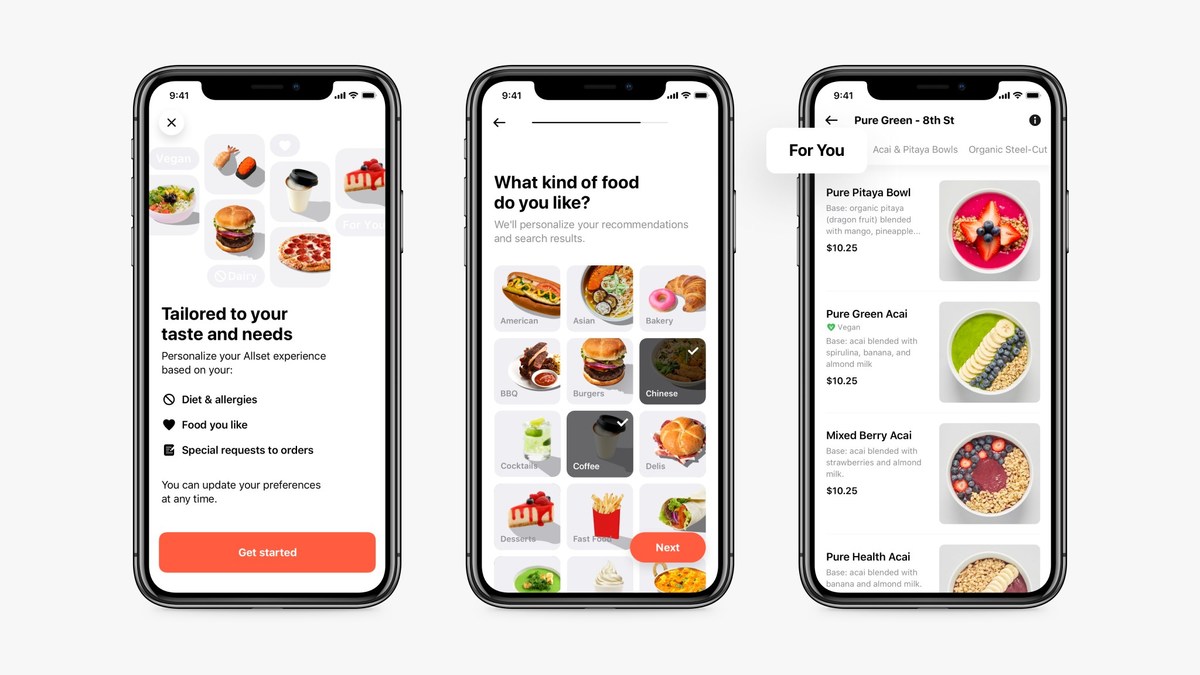
The real shift isn’t just discovery—it’s personalization.
Not everyone travels the same way. Some people chase street food. Others prefer curated dining experiences. Some want quick, local bites. Others are looking for hidden fine dining spots.
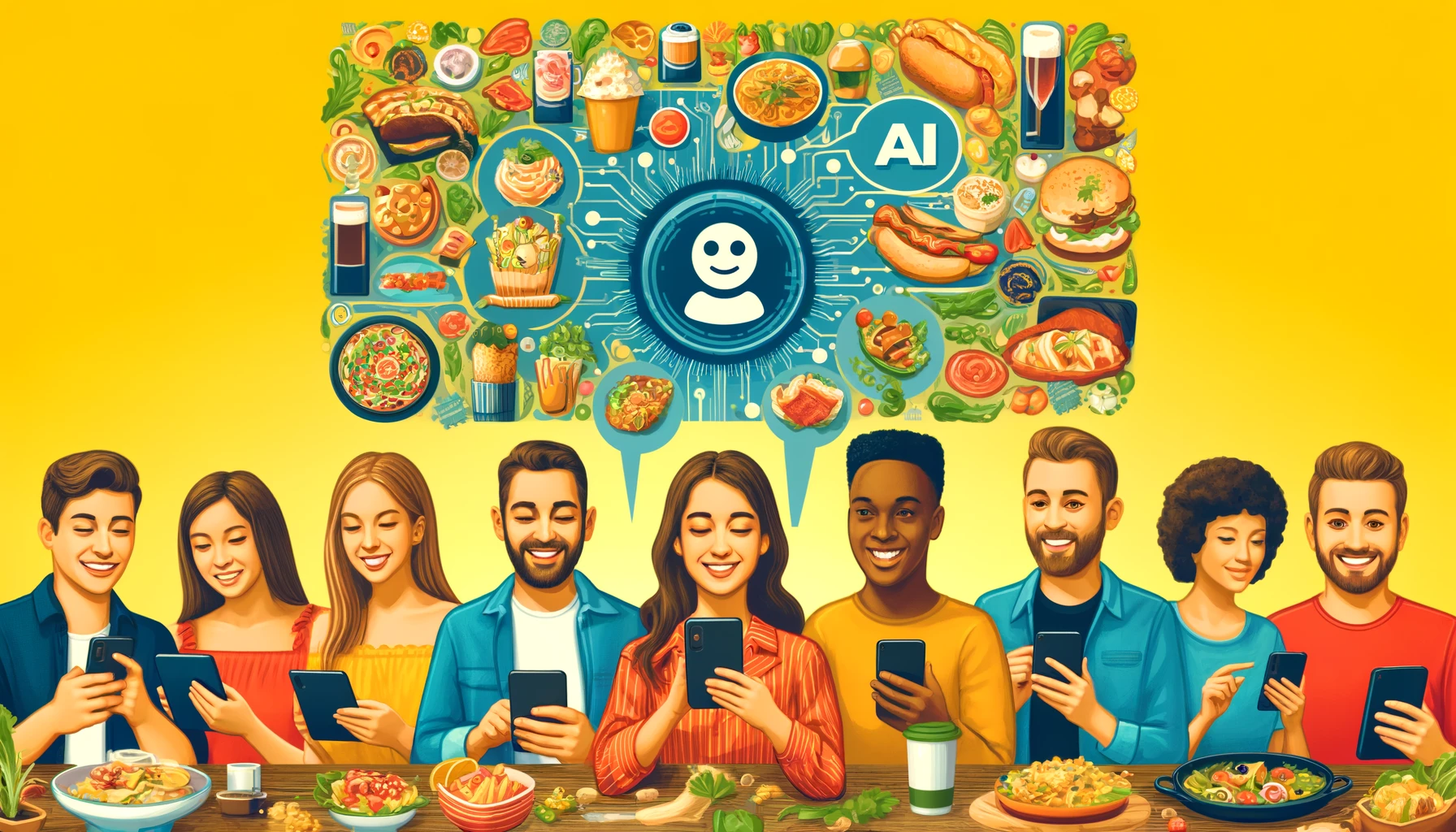
AI systems can learn these preferences over time.
They understand what you’ve searched for, where you’ve eaten, what you’ve liked, and even what you’ve skipped. Based on that, they generate recommendations that feel tailored, not generic.
Instead of asking, “What’s the best restaurant here?” the question becomes, “What’s the best place for you?”
And that difference changes everything.
Escaping the Tourist Trap
Tourist traps are easy to spot once you know what to look for—prime locations, multilingual menus, inflated prices, and long lines of visitors who all found the same place the same way.
Avoiding them, however, is not always easy.
AI helps by identifying signals that traditional platforms ignore. It can detect whether a place is frequented by locals, how pricing compares to similar venues, and whether the experience aligns with authentic dining patterns rather than mass tourism.
The result is not just better food, but a different kind of experience.
You’re no longer eating where everyone else goes. You’re eating where you might not have found on your own.
When Discovery Becomes Effortless
4
Perhaps the most powerful change is how effortless discovery becomes.
Instead of planning everything in advance, you can decide in the moment. You open an app, and it suggests a place nearby that fits your taste, your schedule, and your location. No endless scrolling. No second-guessing.
It turns food discovery into something dynamic.
You don’t just follow a plan—you explore.
Final Thought
Travel is ultimately about experience. And few experiences are as immediate, as memorable, or as personal as food.
The tools we use to find that food are evolving. Moving away from static lists and generic rankings toward systems that understand context, preference, and intent.
Google will always be there. Reviews will still matter.
But the way we discover great food is changing.
Because once you start finding places that feel truly local—places you would have never discovered on your own—it’s hard to go back to searching the old way.