















For decades, the hotel experience has followed a predictable pattern. You check in, receive a key, walk into a room, and adjust everything manually—lights, temperature, curtains—until it feels comfortable.
But that experience is starting to feel outdated.
A new generation of smart hotels is emerging, where the room doesn’t wait for you to adjust it. It already knows what you prefer. Lighting, temperature, even entertainment can be personalized before you step inside, transforming what used to be a static space into a responsive environment.
And once you experience it, going back to a traditional hotel room feels surprisingly primitive.
The End of the Traditional Check-In

The first change happens before you even reach your room.
Check-in is no longer a process—it’s becoming a background task. With mobile apps and digital identity systems, guests can bypass the front desk entirely. Your phone becomes your key, your confirmation, and your access point.
In some cases, hotels are experimenting with biometric identification, allowing guests to move from entrance to room without presenting documents or waiting in line.
It’s a subtle shift, but an important one. The hotel experience begins the moment you arrive—not after you’ve completed a series of steps.
A Room That Adapts to You
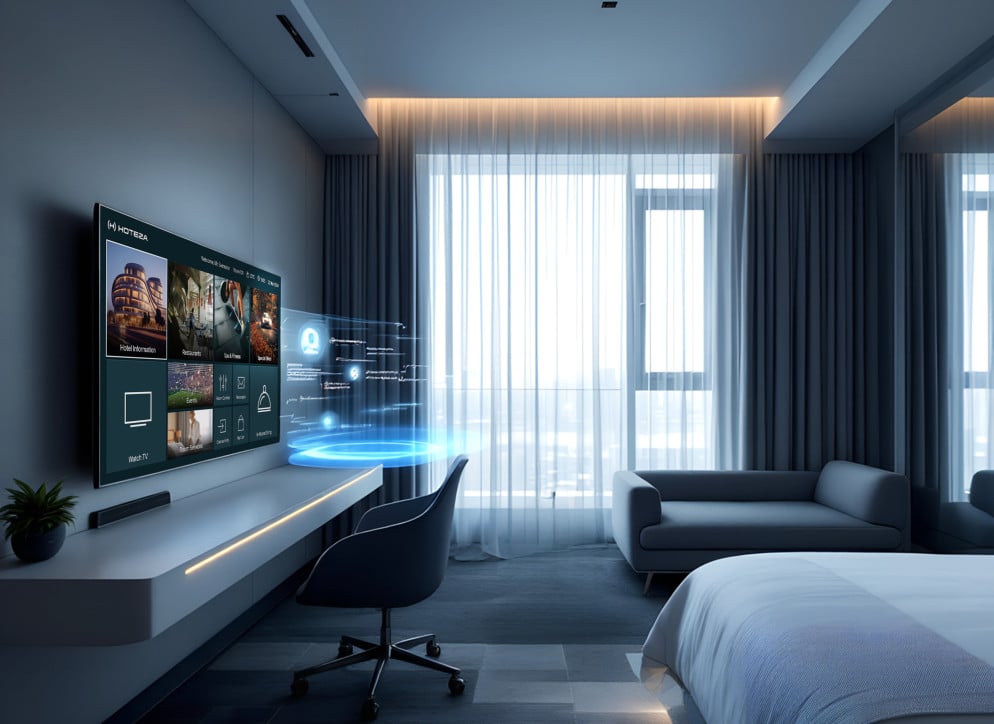
Inside the room, the real transformation begins.
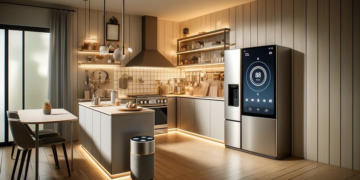
Smart systems can adjust lighting based on time of day, set the temperature to your preferred level, and even prepare the space based on your past stays. Voice control allows you to change settings instantly, without searching for switches or remotes.
It’s not just about convenience—it’s about creating a seamless experience. The room becomes less of a place you manage and more of a space that responds to you.
Even small details start to matter. Soft lighting when you arrive late at night. Curtains opening automatically in the morning. Music or ambient sound matching your preferences.
These are subtle changes, but together, they redefine comfort.
AI Concierge and Invisible Service
Service is also evolving—but in a quieter way.
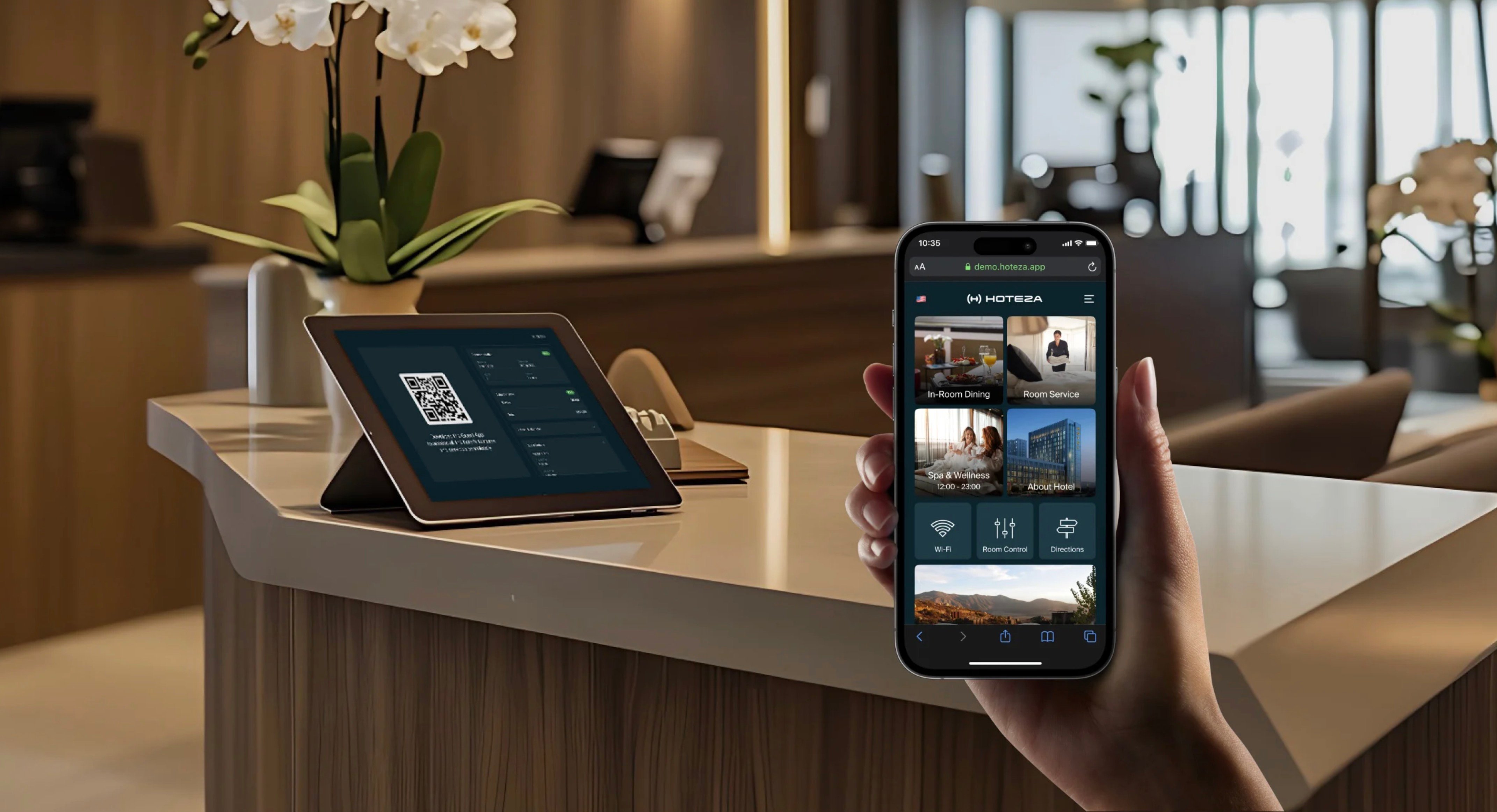
Instead of calling the front desk, guests can interact with AI-powered concierge systems through apps or in-room devices. These systems can recommend restaurants, book services, and respond instantly to requests.
Some hotels are even experimenting with service robots, delivering items directly to rooms without human interaction.
This doesn’t eliminate human service—but it changes how it’s accessed. Routine tasks become automated, while staff can focus on more personalized, high-value interactions.
The result is a smoother, faster, and often more private experience.
The Balance Between Personalization and Privacy
Of course, a room that “knows you” raises an important question: how much should it know?
Personalization relies on data—preferences, habits, past behavior. While this enables a better experience, it also introduces concerns around privacy and security.
Hotels will need to balance convenience with transparency, giving guests control over how their data is used. Because while many travelers appreciate personalization, they also expect trust.
The future of smart hospitality will depend not just on technology, but on how responsibly that technology is implemented.
Final Thought
Smart hotels are not just upgrading rooms—they are redefining the entire travel experience.
From check-in to checkout, every interaction is becoming more seamless, more personalized, and more connected. What used to be a temporary space is evolving into something closer to an extension of your own environment.
And as these systems continue to improve, the idea of adjusting your hotel room manually may soon feel like a relic of the past.
Because in the end, the best hospitality experience isn’t the one that gives you more control.
It’s the one that makes you feel like you never needed it.