
















The personal computer has undergone many transformations over the past four decades. From the early desktop machines of the 1980s to the powerful ultrabooks and gaming laptops of today, each new generation has brought faster processors and better capabilities.
But in 2026, the industry is entering what many experts describe as the era of the AI PC.
Major technology companies are now integrating dedicated artificial intelligence hardware directly into consumer laptops and desktops. These systems promise to deliver powerful AI features without relying entirely on cloud services, marking a significant shift in how personal computers operate.
What Exactly Is an AI PC?


An AI PC refers to a computer designed specifically to handle artificial intelligence workloads locally on the device.
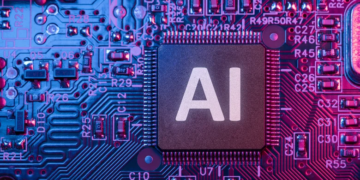
Traditional computers rely mainly on CPUs and GPUs. AI PCs introduce a third critical component known as the Neural Processing Unit (NPU).
This specialized processor is designed to run AI models efficiently while consuming far less power than traditional processors.
With an NPU, an AI PC can perform tasks such as:
- Real-time language translation
- AI image generation
- Voice recognition
- Smart photo and video editing
- Intelligent productivity assistance
Because these tasks run locally, they can be faster, more secure, and less dependent on internet connectivity.
Why Tech Companies Are Investing in AI PCs


Several major tech companies are racing to dominate the emerging AI PC market.
Manufacturers believe AI-powered computers could become the next major upgrade cycle for consumers and businesses.
There are several reasons behind this push.
Local AI Processing
Running AI models directly on a device reduces reliance on cloud servers. This improves response times and enhances privacy.
Improved Productivity
AI PCs can assist users in real time by summarizing documents, generating presentations, or analyzing large amounts of data.
Better Battery Efficiency
NPUs are designed to handle AI workloads while consuming less energy, which helps extend battery life on laptops.
How AI PCs Could Change Everyday Computing

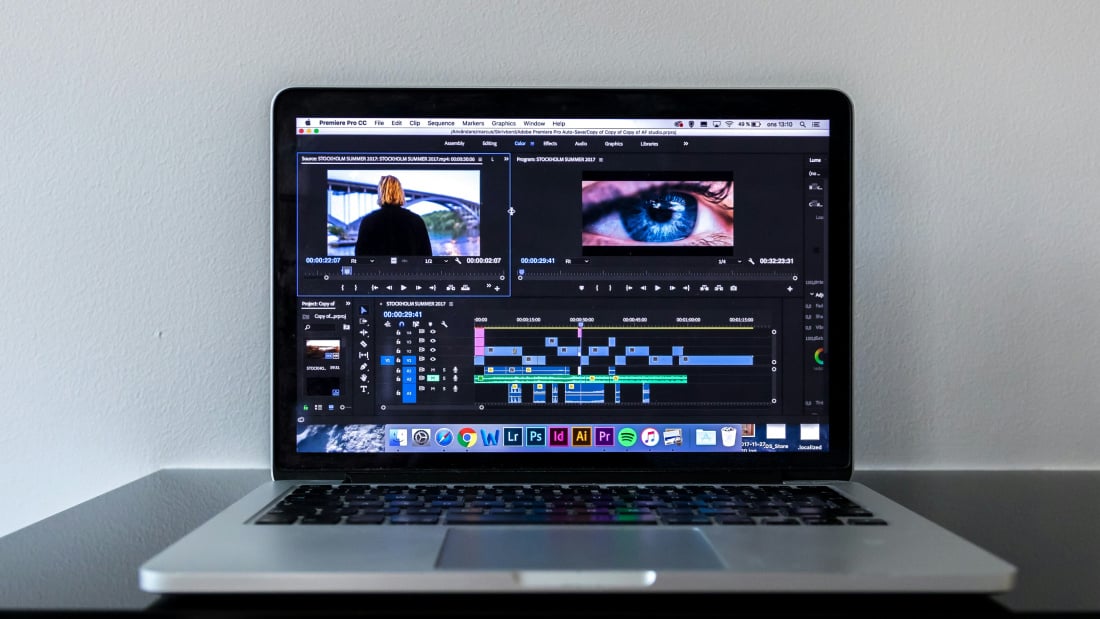
If the technology develops as expected, AI PCs could transform the way people interact with their devices.
Instead of opening separate apps for different tasks, users may rely on integrated AI assistants capable of handling multiple workflows.
For example, an AI PC could help a user:
- Summarize meeting notes automatically
- Edit photos using AI enhancement tools
- Generate documents or reports
- Translate conversations in real time
For content creators, these capabilities could dramatically accelerate tasks like video editing, graphic design, and writing.
The Beginning of a New Computing Era

The rise of AI PCs represents more than just a hardware upgrade—it signals a broader transformation in personal computing.
For decades, computers have primarily served as tools that respond to user commands. With artificial intelligence built directly into the hardware, future machines may function more like collaborative assistants that actively help users accomplish complex tasks.
As hardware manufacturers, software developers, and AI companies continue to innovate, 2026 may ultimately be remembered as the year when the personal computer evolved into something far more intelligent.