





















Artificial intelligence is becoming one of the most influential forces in the creator economy. In 2026, a growing number of digital creators are integrating AI-powered editing tools into their production workflows, dramatically reducing the time required to produce professional-quality videos.
For years, video editing has been considered one of the most time-consuming stages of content creation. Creators often spend hours reviewing footage, trimming unnecessary segments, adjusting audio levels, adding subtitles, and refining pacing to maintain viewer engagement. With the rise of AI-assisted editing software, many of these tasks can now be completed automatically.
Instead of manually scanning through hours of footage, creators can now rely on machine learning algorithms that analyze speech patterns, detect pauses, and identify key moments in recordings. These systems are capable of generating rough edits within minutes, allowing creators to focus more on storytelling and creative direction.
As competition on platforms like YouTube, TikTok, and Instagram continues to intensify, efficiency is becoming just as important as creativity. AI editing tools are emerging as a powerful solution to this challenge.
Automating the Most Time-Consuming Editing Tasks

Modern AI video editing platforms are designed to automate repetitive tasks that traditionally require extensive manual work. For creators who publish content regularly, these time savings can be substantial.
Some of the most common AI-powered features include:
Automatic silence removal
AI systems can analyze speech and automatically cut silent gaps between sentences, creating a faster and more engaging pacing for videos.
Instant subtitle generation
Captions are increasingly important for accessibility and viewer engagement. AI tools can now generate accurate subtitles in seconds.
Highlight detection
Advanced editing tools can scan long recordings—such as podcasts or livestreams—and identify moments that are likely to be engaging for viewers.
Noise reduction and audio cleanup
AI-powered audio processing can remove background noise and improve vocal clarity without requiring advanced sound engineering knowledge.
For solo creators or small teams, these features can dramatically simplify the editing process while maintaining professional production quality.
Short-Form Video Is Accelerating the Adoption of AI
The explosion of short-form video platforms has further accelerated the demand for faster editing workflows. Content designed for YouTube Shorts, TikTok, and Instagram Reels often requires quick turnaround times and frequent posting schedules.
AI editing platforms now offer tools that automatically convert long-form videos into multiple short clips optimized for vertical viewing formats. These systems can detect the most engaging moments in a recording and automatically crop and format footage for different social media platforms.
This capability allows creators to repurpose a single long-form video into several shorter pieces of content, maximizing reach while minimizing production effort.
For creators managing multiple platforms simultaneously, this type of automation can significantly increase content output without requiring additional editing time.
AI Is Expanding Beyond Video Editing
While AI video editing tools are gaining the most attention, artificial intelligence is rapidly expanding into other areas of the creator workflow.
Creators are now using AI tools for a variety of production tasks, including:
- Scriptwriting and content planning
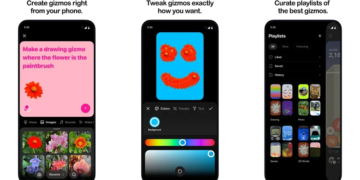
- Thumbnail generation and graphic design
- Automated translations and subtitles
- Voice enhancement and audio mastering
- Content repurposing across platforms
These tools are not intended to replace creativity but rather to augment it. By reducing the technical workload associated with production, AI allows creators to spend more time developing ideas, experimenting with storytelling formats, and engaging with their audiences.
A New Era for the Creator Economy
The rise of AI-powered creator tools reflects a broader shift in the digital media landscape. As content platforms continue to grow and competition increases, creators are searching for ways to produce higher-quality content more efficiently.
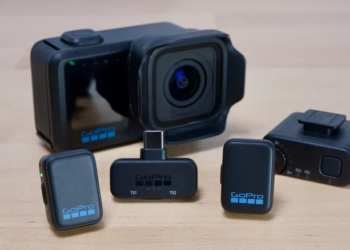
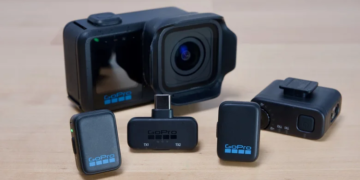
Artificial intelligence is quickly becoming a fundamental part of the modern creator toolkit, alongside cameras, microphones, and lighting equipment.
Industry experts expect AI-assisted production workflows to become standard for many creators over the next few years. As these technologies continue to evolve, they may reshape not only how content is produced, but also how creators develop ideas, collaborate with teams, and distribute their work across multiple platforms.
For digital creators navigating an increasingly competitive ecosystem, adopting AI-powered tools could become one of the most important strategic advantages in the years ahead.