
























The Evolution of Camera Technology for Creators
Over the past decade, camera technology has evolved dramatically as digital creators have become one of the fastest-growing segments of the technology ecosystem. From YouTubers and livestreamers to filmmakers and social media creators, millions of individuals now rely on high-quality cameras to produce professional content.
Traditional camera systems were once designed primarily for photographers and broadcast studios. However, the rapid expansion of the creator economy has reshaped how manufacturers design imaging technology. Cameras are no longer built solely for capturing still photographs—they are increasingly optimized for video production, streaming workflows, and digital publishing platforms.
Modern camera systems now combine powerful sensors, advanced autofocus systems, and intelligent processing features that allow creators to produce cinematic-quality content with relatively compact and portable equipment.
Mirrorless Cameras Become the Industry Standard
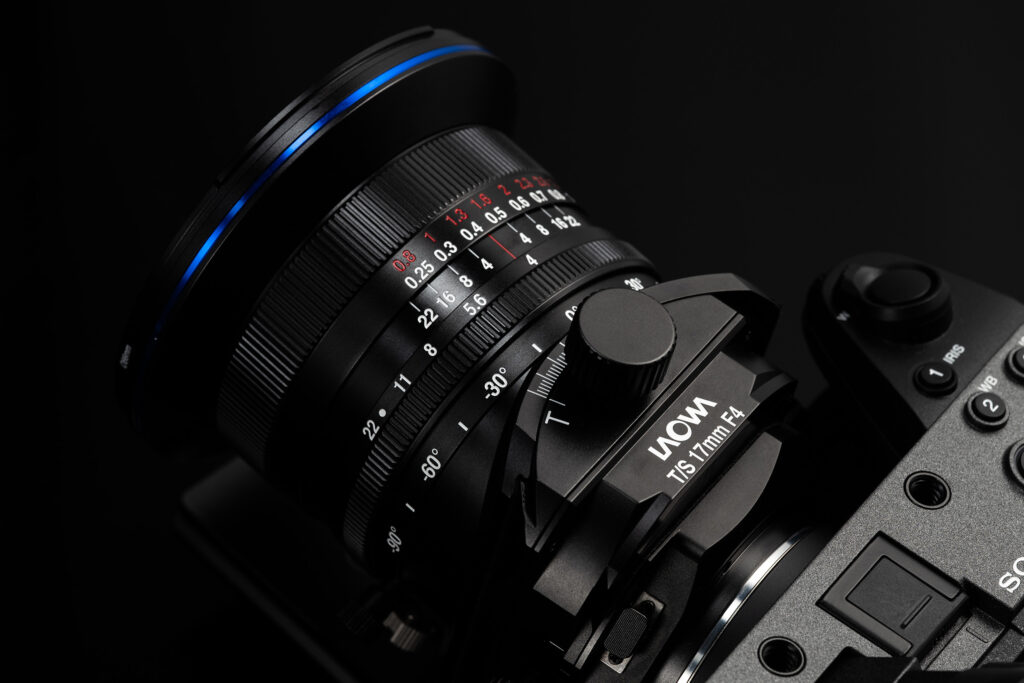

One of the most significant shifts in camera technology has been the widespread adoption of mirrorless systems. Unlike traditional DSLR cameras, mirrorless cameras eliminate the mechanical mirror mechanism and instead rely on electronic viewfinders and digital displays.
This design offers several advantages that are particularly valuable for digital creators. Mirrorless cameras tend to be more compact and lightweight, making them easier to use for handheld filming or travel content production.
More importantly, mirrorless systems enable faster autofocus performance and advanced video capabilities. Many modern cameras now support high-resolution video recording, including 4K and even higher-quality formats, allowing creators to produce content that rivals professional studio productions.
As a result, mirrorless cameras have become the preferred choice for many creators who need a balance of portability, image quality, and professional video features.
Computational Photography and Intelligent Image Processing
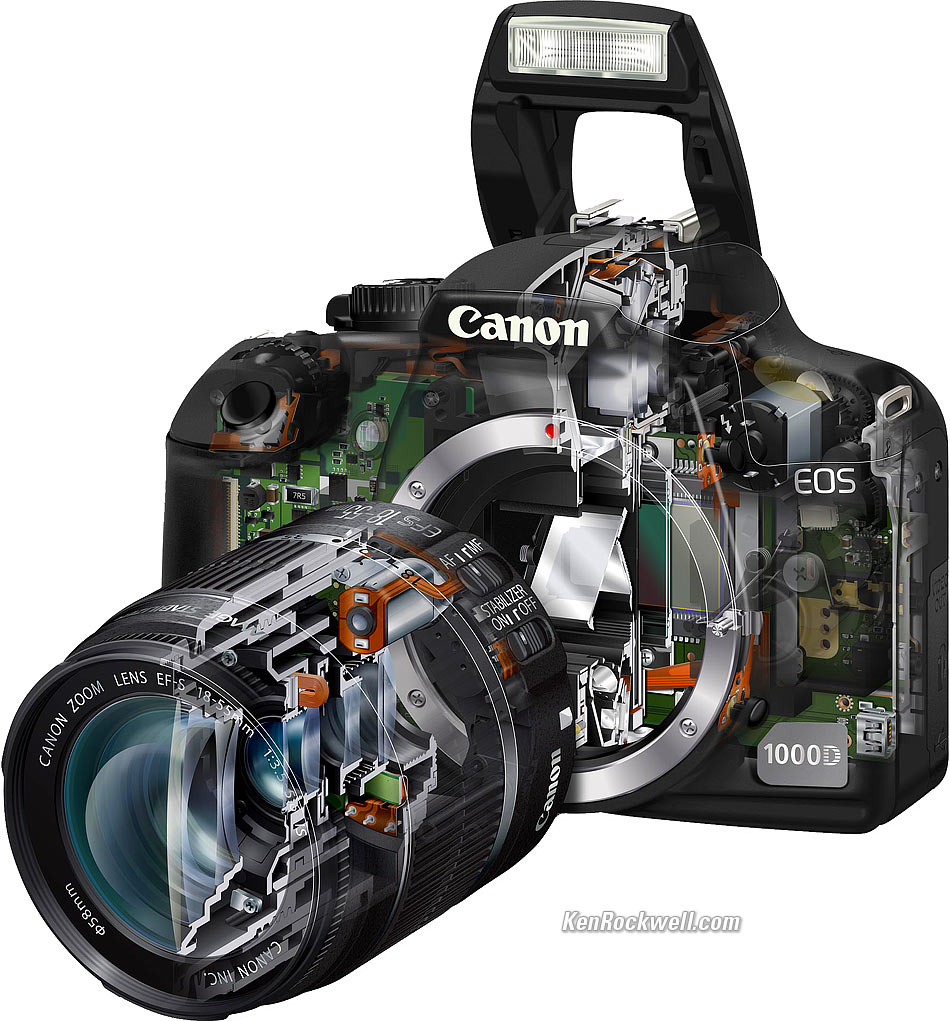
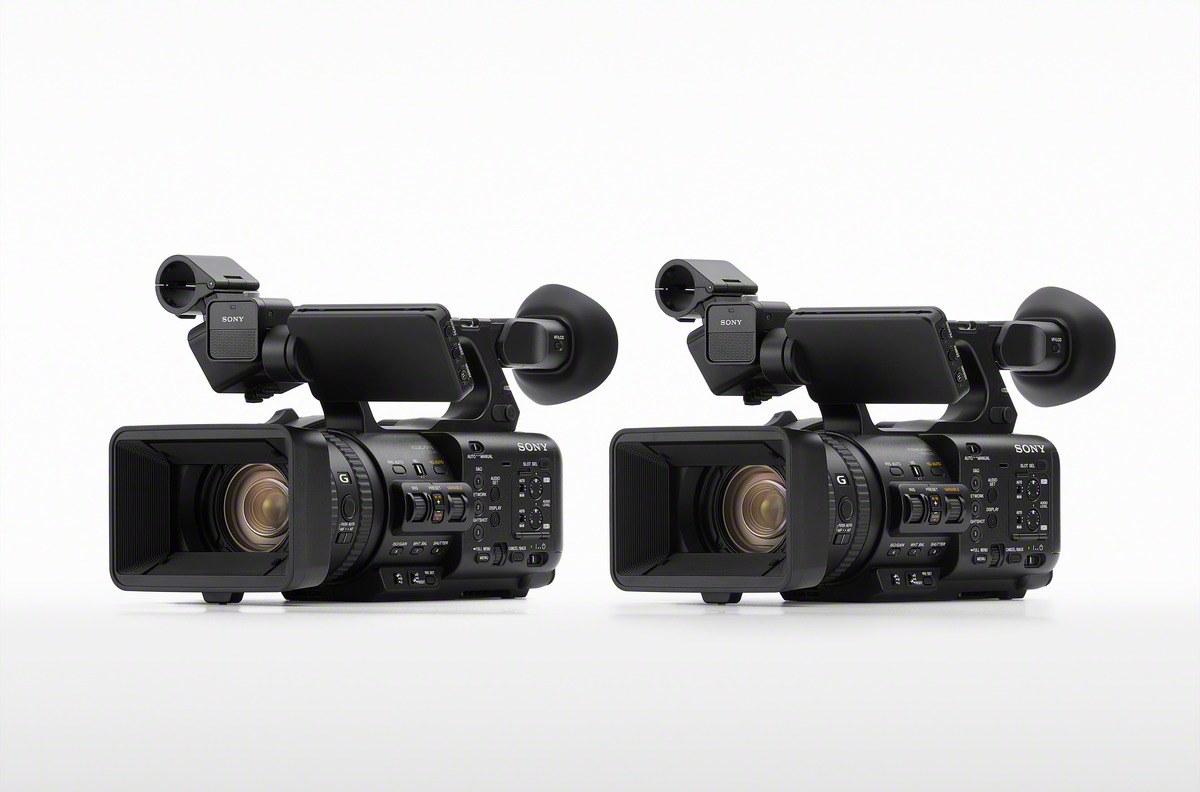
Another major innovation transforming modern cameras is the integration of computational photography techniques. By combining powerful image processors with advanced algorithms, camera systems can now enhance image quality and automate complex adjustments in real time.
These technologies enable several features that significantly simplify the production process for creators. Cameras can automatically track subjects, maintain precise focus during movement, and adjust exposure dynamically to match changing lighting conditions.
Real-time image stabilization has also improved dramatically, allowing creators to capture smooth handheld footage without requiring large external stabilizers. In some cases, software-driven stabilization can simulate the effect of professional camera rigs.
By automating many technical aspects of filming, modern camera systems allow creators to focus more on storytelling and creative direction.
Compact Cinema Cameras and Creator Workflows
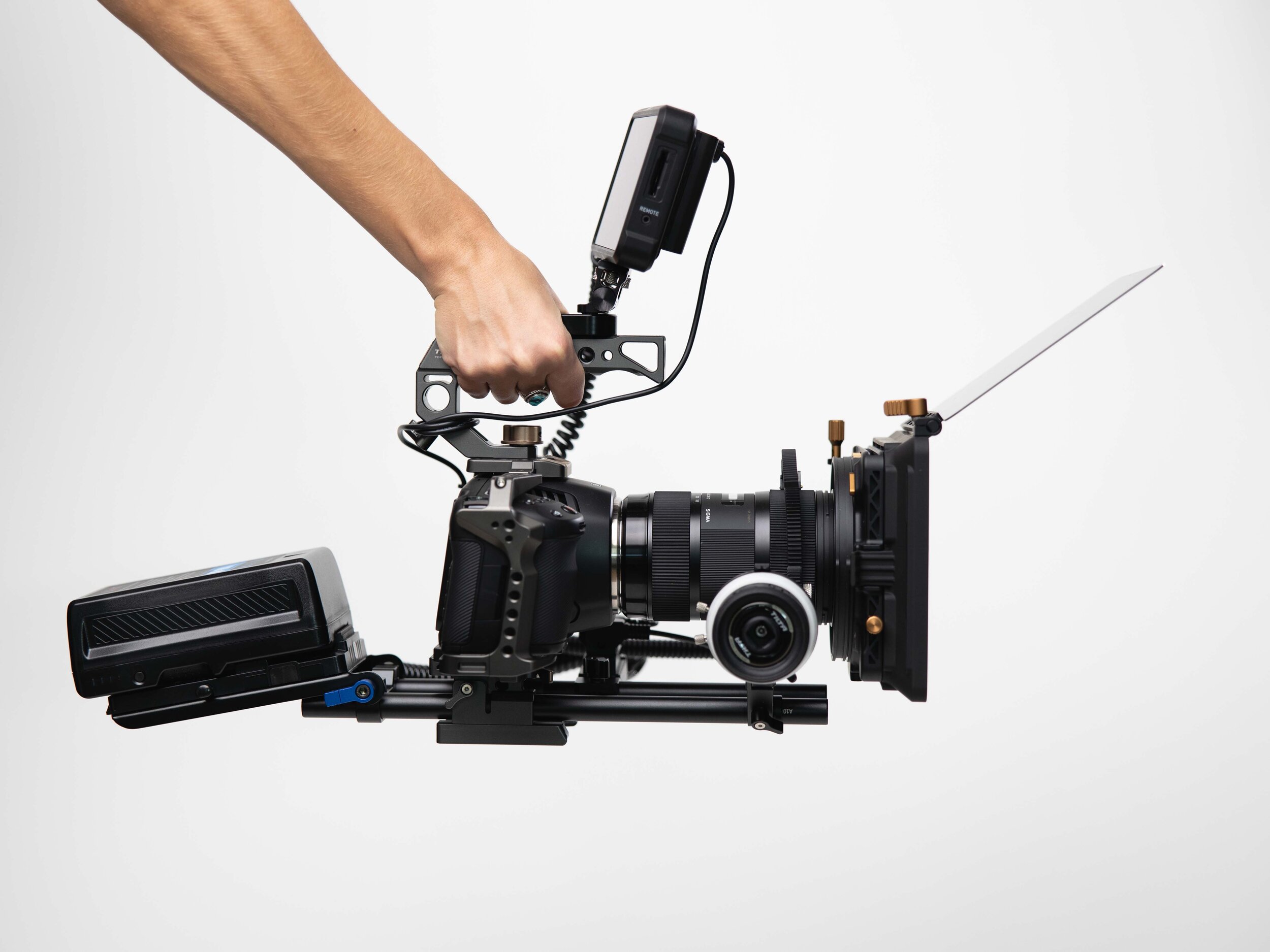
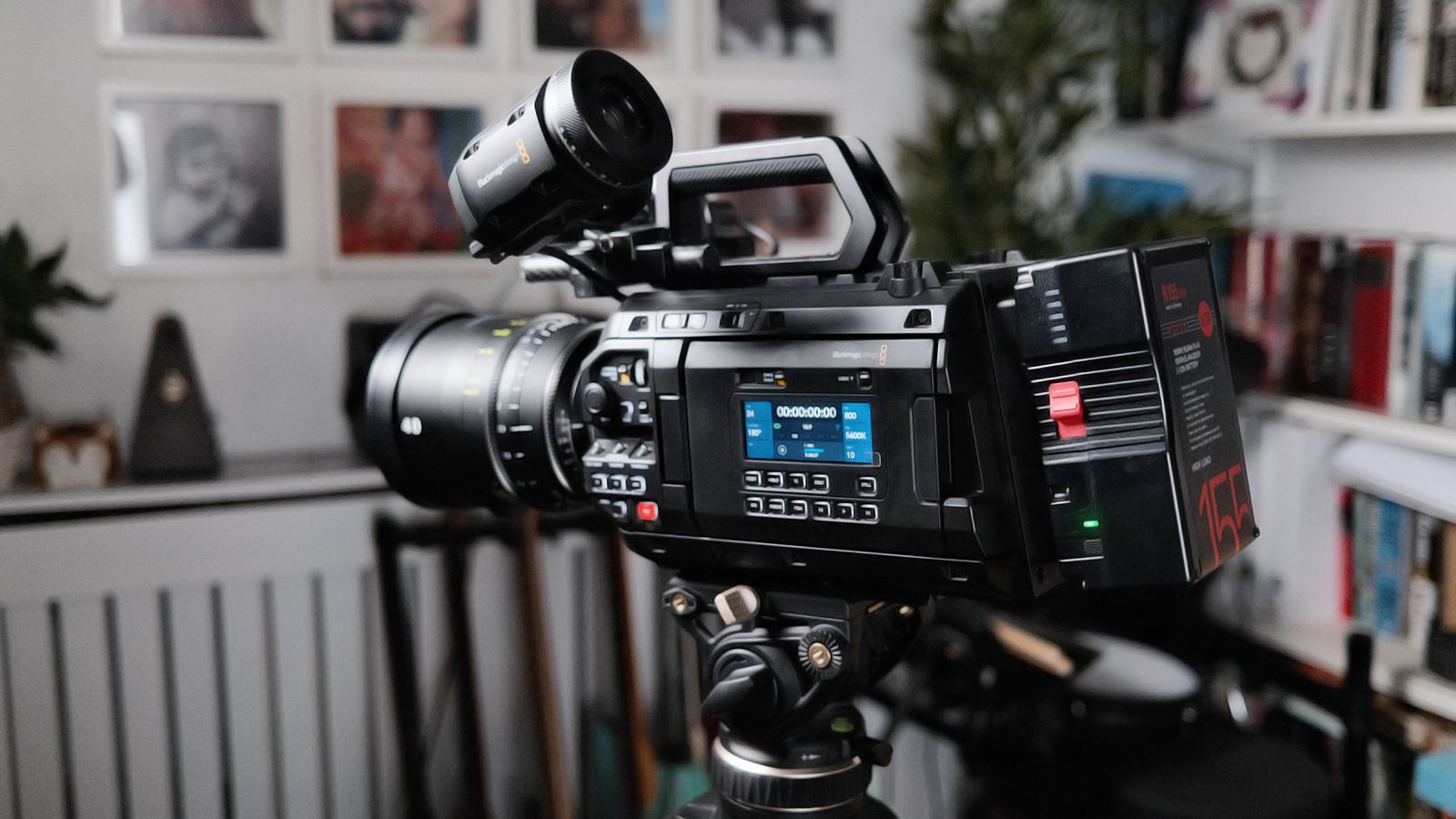
While traditional cinema cameras were once reserved for large film productions, recent innovations have made professional filmmaking tools far more accessible. Compact cinema cameras now offer high dynamic range, advanced color science, and professional recording formats in portable designs.
These systems are increasingly used by independent filmmakers, documentary creators, and online content producers who require high-quality video output but operate with smaller production teams.
Modern creator workflows often include external monitors, portable lighting systems, and compact microphones, enabling small teams—or even solo creators—to produce content that rivals traditional media productions.
The democratization of filmmaking tools has played a major role in expanding the global creator economy.
The Future of Camera Innovation

Looking ahead, camera technology is expected to continue evolving alongside broader trends in digital media production. Advances in sensor design, image processing, and connectivity are likely to produce even more powerful creative tools.
Future camera systems may integrate improved low-light performance, advanced color capture, and more intelligent automation features designed to streamline production workflows. At the same time, improvements in portability and battery efficiency will enable creators to produce high-quality content in a wider range of environments.
As digital platforms continue to prioritize video content, the demand for innovative camera technologies will remain strong. For creators around the world, these advances are expanding the possibilities of visual storytelling and making professional-level production tools more accessible than ever before.