


















1. Terminology and the Historical Evolution of Photobiomodulation (PBM)
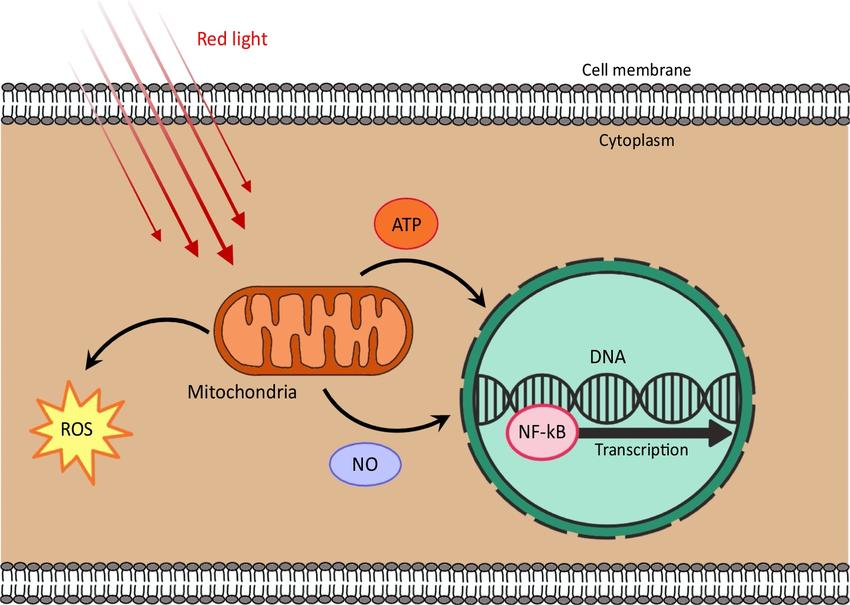
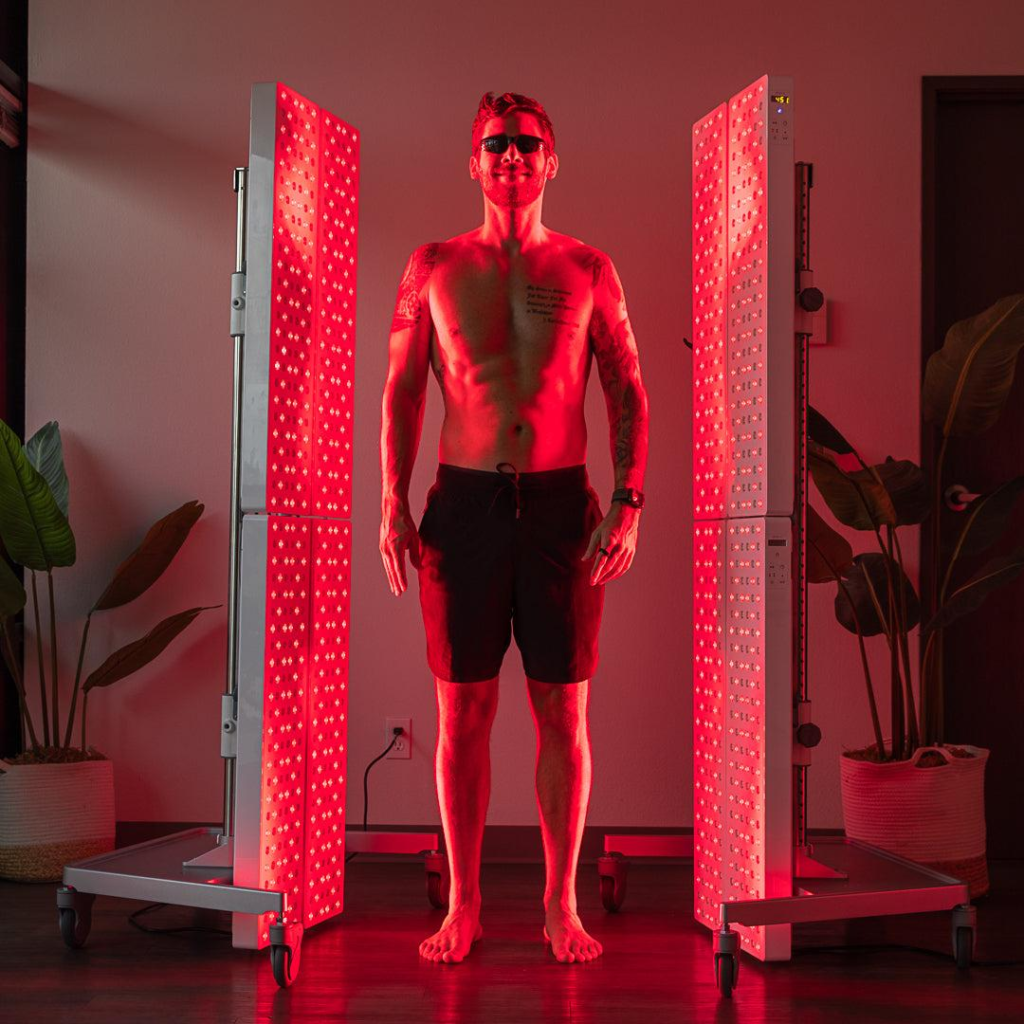
Red Light Therapy (RLT), when defined by its standard scientific nomenclature, is a specialized branch of Photobiomodulation (PBM) — historically referred to as Low-Level Laser (or LED) Therapy (LLLT). It is a non-invasive therapeutic modality that utilizes non-thermal light sources, such as light-emitting diodes (LEDs) or low-power lasers (typically under 500 mW per diode), operating within the visible red and near-infrared (NIR) spectral bandwidths.
The history of PBM dates back to the late 1960s, when Hungarian physician and researcher Endre Mester at Semmelweis University accidentally discovered that low-power ruby laser radiation stimulated hair regrowth and accelerated wound healing in murine models. In the 1990s, the National Aeronautics and Space Administration (NASA) accelerated the advancement of this technology. NASA initially investigated high-power LEDs to promote plant growth in space, subsequently pivoting to human applications to prevent muscle atrophy, bone loss, and to expedite tissue repair in astronauts subjected to microgravity environments. According to data from the World Association for photobioModulation Therapy (WALT), the term “PBM” has now officially superseded obsolete descriptors such as “Cold Laser” or “Soft Laser” to precisely capture the underlying bio-photonic interactions.
2. Cellular Mechanisms of Action and Molecular Biology
The clinical efficacy of RLT does not rely on thermal effects, distinguishing it from ablative aesthetic lasers; instead, it operates via a Photochemical Effect. This cascade occurs through four primary molecular phases:
[Photons (600nm-1000nm)] ──> [Absorption by Cytochrome c Oxidase (CcO)]
                                           │
                  ┌────────────────────────┴────────────────────────┐
                  ▼                                                 ▼
     [Photodissociation of Nitric Oxide (NO)]          [Mitochondrial Membrane Recalibration]
                  │                                                 │
                  ▼                                                 ▼
    [Local Vasodilation / Hyperemia]                  [Upregulation of ATP Synthesis]
                  │                                                 │
                  └────────────────────────┬────────────────────────┘
                                           ▼
                       [Activation of Transcription Factors]
                      (NF-kB, AP-1 ──> Downstream Gene Expression)
2.1. Photon Absorption by Cytochrome c Oxidase (CcO)
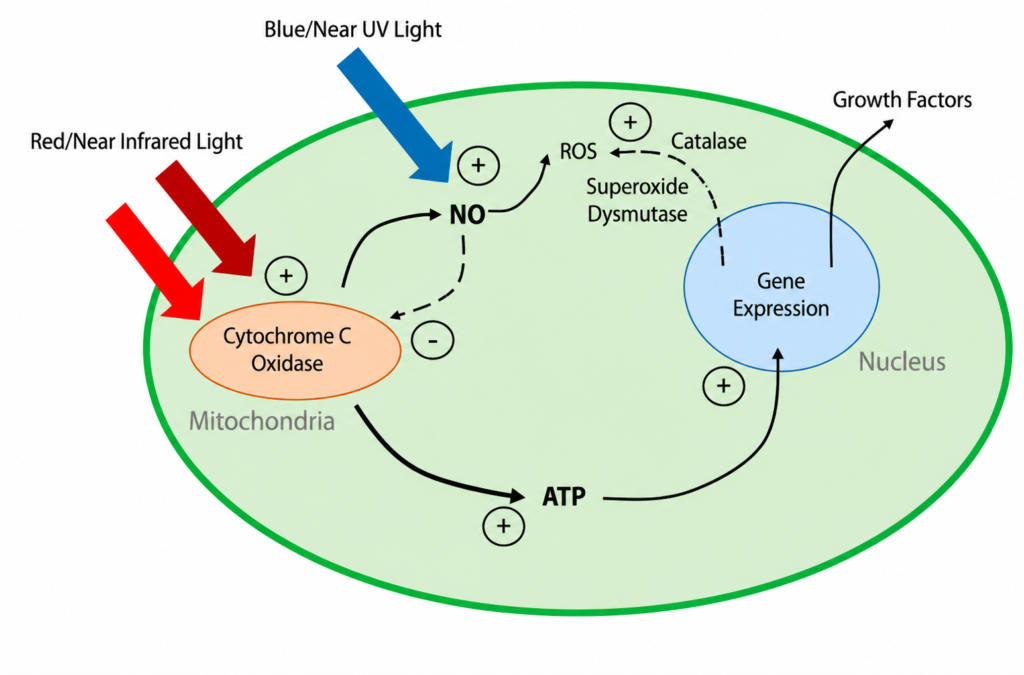
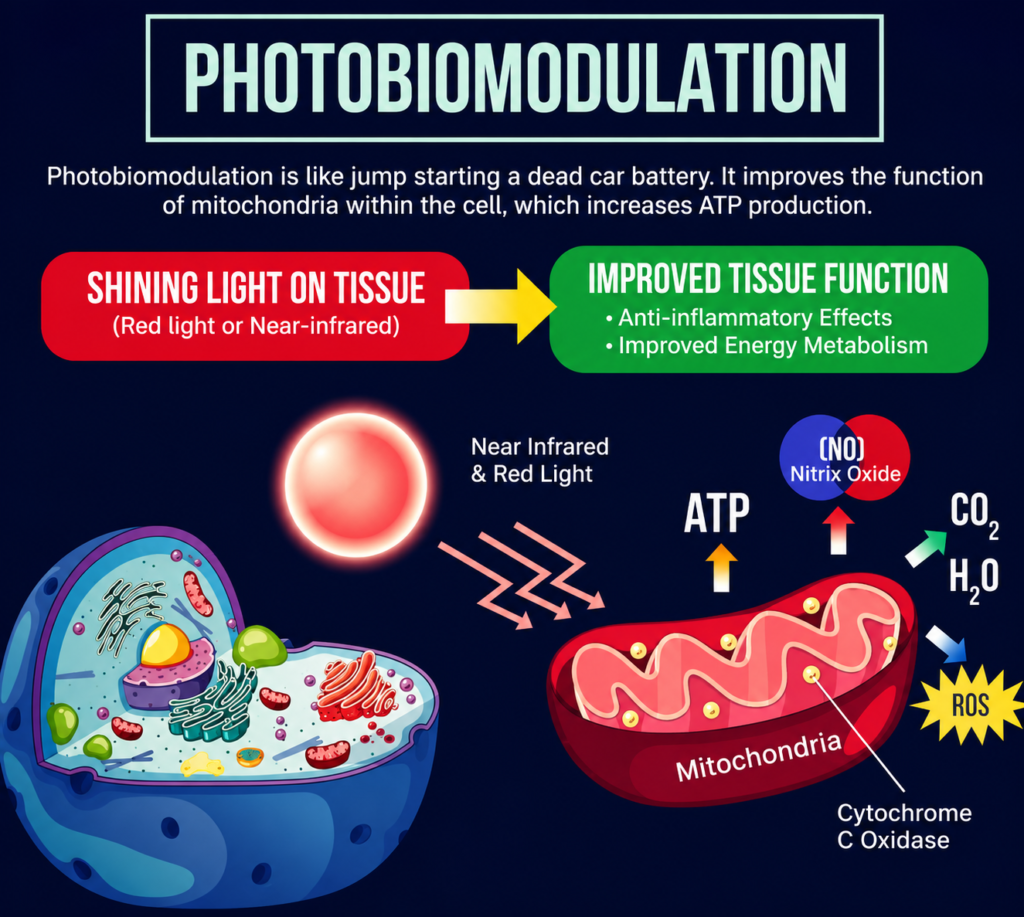
Mitochondria serve as the cellular power plants where the Electron Transport Chain (ETC) takes place. The primary chromophore (light-absorbing molecule) in mammalian tissue responsible for mediating this effect is Cytochrome c Oxidase (CcO) — Complex IV of the ETC.
As photons within the red (620 to 700 nm) and near-infrared (760 to 1100 nm) spectrum penetrate target tissue, they are selectively absorbed by the copper (CuA, CuB) and heme (heme a, heme a3) coordination centers within the molecular structure of CcO. This absorption excites the complex’s electronic state, accelerating the kinetics of biological electron transfer.
2.2. Nitric Oxide (NO) Photodissociation and ATP Upregulation
In pathologically stressed or damaged cells, mitochondria produce elevated baseline levels of intracellular Nitric Oxide (NO). NO binds competitively to the oxygen-binding domain of Cytochrome c Oxidase, effectively halting cellular respiration and suppressing Adenosine Triphosphate (ATP) production.
The influx of targeted photons from RLT induces photodissociation, cleaving the NO bond from the CcO complex.
- Upon the displacement of NO, oxygen immediately re-binds to CcO, restoring and accelerating the velocity of the electron transport chain.
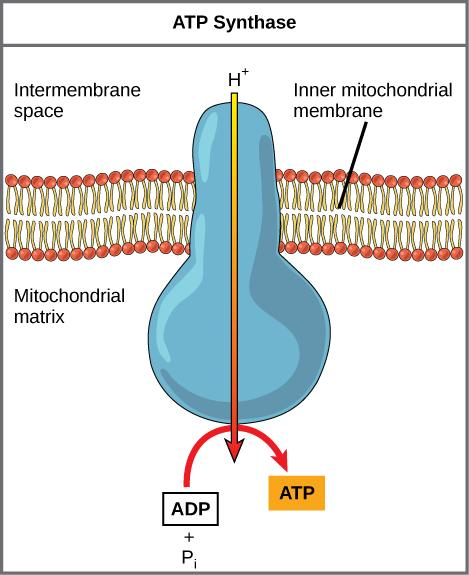
- The immediate consequence is an elevation in mitochondrial membrane potential (delta Psi m), which drives ATP Synthase to convert ADP to ATP, supplying abundant energetic currency for cellular repair, proliferation, and migration.
2.3. Reactive Oxygen Species (ROS) Modulation and Retrograde Signaling
PBM triggers a transient, highly controlled low-level burst of free radicals, specifically Reactive Oxygen Species (ROS), functioning via a hormetic dose response. Rather than inducing cytotoxicity, this moderate ROS spike serves as a secondary messenger. It activates key downstream transcription factors such as NF-kB and AP-1, regulating the expression of over 100 genes tied to cell survival, structural protein synthesis, the downregulation of pro-inflammatory cytokines, and the upregulation of growth factors like VEGF (Vascular Endothelial Growth Factor) and TGF-beta (Transforming Growth Factor-beta).
3. The Clinical Evidence Base: Industry-Specific Analysis
Corroborated by peer-reviewed datasets from PubMed, the Cochrane Library, and specialized journals like Lasers in Medical Science, the clinical utility of RLT is stratified across randomized controlled trials (RCTs) and systematic reviews.
A. Dermatology, Fibroblast Activation, and Collagen Restructuring
- Evidence Level: High (5 out of 5 stars)
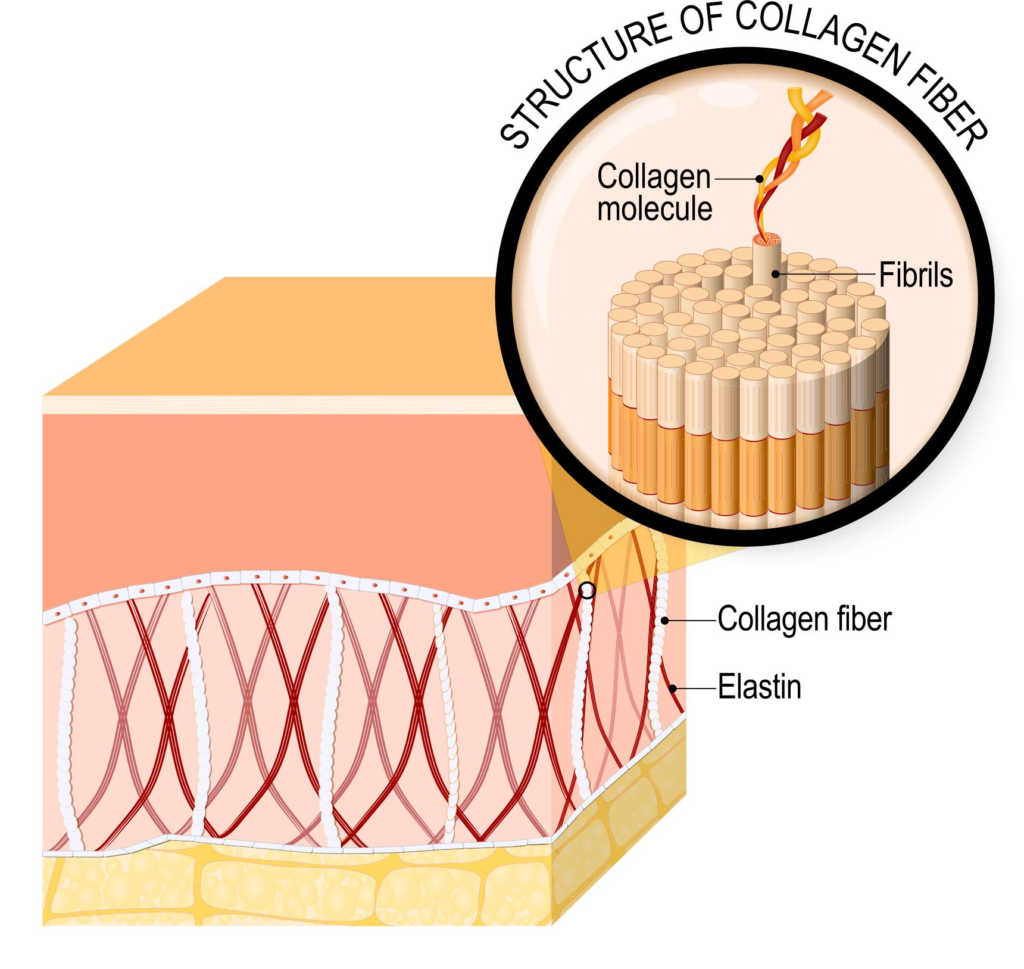
- Histopathological Mechanism: Red light wavelengths between 633 nm and 660 nm target the dermal layer, where resident fibroblasts reside. Elevated ATP synthesis and downstream TGF-beta activation stimulate fibroblast proliferation and upregulate the synthesis of the extracellular matrix, including Type I Collagen, Elastin, and Procollagen.
- Clinical Data: Randomized, double-blind, placebo-controlled trials demonstrate that RLT induces statistically significant increases in ultrasonic intradermal collagen density. Clinical outcomes include the reduction of static fine lines and wrinkles, attenuation of erythema (redness), and adjunctive management of acne vulgaris via deep anti-inflammatory pathways and sebum regulation without risk of epidermal thermal injury.
B. Hair Follicle Biology and the Management of Androgenetic Alopecia
- Evidence Level: High (5 out of 5 stars)
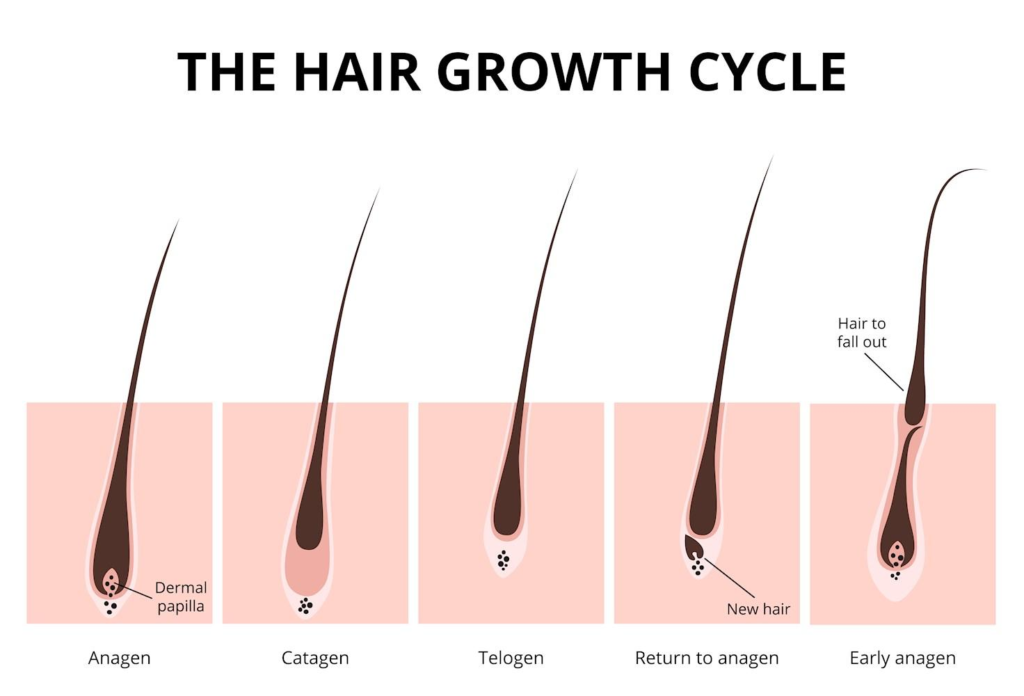
- Histopathological Mechanism: Dihydrotestosterone (DHT)-mediated hair follicle miniaturization drives progressive hair loss. PBM utilizes red spectrum wavelengths (around 650 nm) to reach the depth of the follicular bulge, where follicular stem cells reside.
- Clinical Data: RLT facilitates the transition of the hair cycle from the quiescent telogen phase back into the active, proliferative anagen phase. The localized release of Nitric Oxide induces microvascular vasodilation around the dermal papilla, optimizing nutrient and oxygen delivery. Consequently, FDA-cleared laser and LED helmets or combs have demonstrated robust efficacy in increasing hair shaft diameter and absolute hair density across both male and female cohorts over 16-to-24-week intervention periods.
C. Accelerated Wound Healing and Tissue Regeneration
- Evidence Level: High (5 out of 5 stars)
- Histopathological Mechanism: Tissue repair transitions through three phases: inflammation, proliferation, and remodeling. RLT positively modulates all three. During inflammation, it shifts macrophage polarization from the pro-inflammatory M1 phenotype to the pro-resolving/repair M2 phenotype. During the proliferative phase, it accelerates the migration of keratinocytes and vascular endothelial cells to form highly vascularized granulation tissue (neovascularization).
- Clinical Data: Systematic meta-analyses confirm that RLT yields substantial reductions in epithelialization time frames for chronic, recalcitrant lesions. This is particularly pronounced in diabetic foot ulcers, pressure sores, and severe oral mucositis secondary to oncology regimens (chemotherapy/radiation).
D. Musculoskeletal Analgesia and Anti-Inflammatory Applications
- Evidence Level: Moderate to High (4 out of 5 stars)
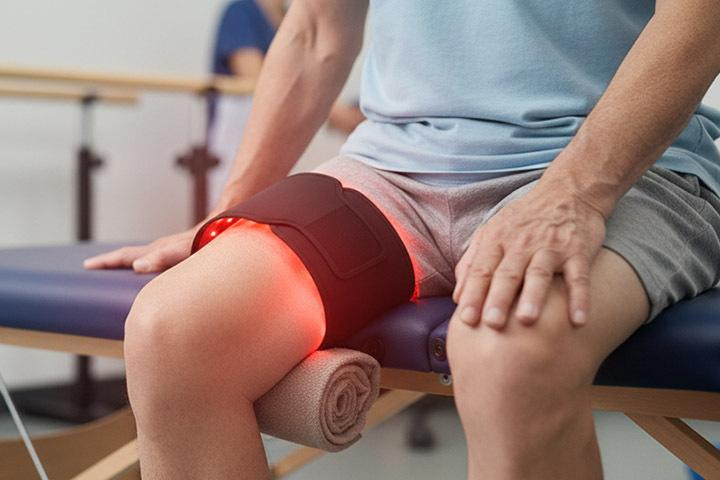
- Histopathological Mechanism: Near-Infrared (NIR) wavelengths penetrate deeply into joint capsules, articular cartilage, and tendons. Here, PBM suppresses pro-inflammatory cytokines—specifically IL-1beta, IL-6, and TNF-alpha—by inhibiting the canonical NF-kB signaling cascade. Concurrently, local hyperemic blood flow carries essential macromolecules to bradytrophic or avascular structures, such as joint cartilage and tendon bodies.
- Clinical Data: Meta-analyses show definitive reductions in Visual Analogue Scale (VAS) pain scores alongside measurable improvements in Range of Motion (ROM) for conditions like knee osteoarthritis, Achilles tendonitis, carpal tunnel syndrome, and rheumatoid arthritis. Medical guidelines stress that PBM serves as a powerful adjunctive therapeutic modality, meant to complement rather than replace standard orthopedic protocols.
E. Exercise Performance Optimization and Muscle Recovery (Sports Medicine)
- Evidence Level: Moderate to High (4 out of 5 stars)
- Histopathological Mechanism: Skeletal muscle fibers contain a dense concentration of mitochondria. Delivering targeted red and NIR phototherapy pre- or post-eccentric exercise optimizes the electron transport chain, boosting baseline reserves of Creatine Phosphate and ATP. PBM also mitigates systemic exercise-induced oxidative stress by upregulating endogenous antioxidant enzymes, namely Superoxide Dismutase (SOD) and Glutathione Peroxidase.
- Clinical Data: RCTs involving elite athletes demonstrate that RLT/NIR application dampens post-exercise Blood Lactate accumulation, markedly mitigates Delayed Onset Muscle Soreness (DOMS), and accelerates the recovery of maximal voluntary contraction force. Pre-conditioning protocols have further demonstrated increases in total repetitions completed and prolonged time-to-exhaustion thresholds.
F. Neurological and Cognitive Paradigms Under Investigation (Emerging Fields)
- Evidence Level: Low / Emerging (2 out of 5 stars)
- Current Literature: Preliminary research into Transcranial PBM (utilizing highly penetrating 810 nm wavelengths capable of traversing the cranial bone to reach the cerebral cortex) is evaluating its impact on neurodegenerative diseases (Alzheimer’s, Parkinson’s), mild cognitive impairment, major depressive disorders, and long-COVID neuro-fatigue (Brain Fog). The hypothesized mechanism centers on increasing regional cerebral blood flow, attenuating neuroinflammation, and stimulating BDNF (Brain-Derived Neurotrophic Factor). While pilot data indicate positive biological signals, current sample sizes remain restricted; large-scale, multi-center RCTs are required to formalize clinical parameters.
4. Objective Clinical Stratification vs. Unverified Commercial Claims
Synthesizing data from major academic health systems, including the consensus clinical framework established by the Cleveland Clinic, the actual clinical positioning of Red Light Therapy is clearly delineated:
                     ┌────────────────────────────────────────┐
                     │          RED LIGHT THERAPY (RLT)       │
                     └───────────────────┬────────────────────┘
                                         │
         ┌───────────────────────────────┴───────────────────────────────┐
         ▼                                                               ▼
┌───────────────────────────────────┐                   ┌───────────────────────────────────┐
│    ESTABLISHED CLINICAL USES      │                   │     EMERGING / UNVERIFIED USES    │
│  (High to Moderate Evidence Base) │                   │     (Insufficient Data / Claims)  │
├───────────────────────────────────┤                   ├───────────────────────────────────┤
│ • Dermal Collagen Restructuring   │                   │ • Systemic Biological Weight Loss │
│ • Androgenetic Alopecia Reversal  │                   │ • Targeted Cellulite Eradication  │
│ • Chronic Wound Epithelialization │                   │ • Monotherapy for Major Depression│
│ • Tendinopathy & Joint Analgesia  │                   │ • Systemic Oncological Cures      │
│ • Skeletal Muscle Recovery        │                   │ • Total-Body Biological Reversal  │
└───────────────────────────────────┘                   └───────────────────────────────────┘
- A Validated Biological Modality: RLT/PBM is definitively not a placebo or an ungrounded wellness trend. The underlying biophysical interaction between incoming photons and endogenous enzyme complexes (specifically Cytochrome c Oxidase) is thoroughly documented in cell and molecular biology.
- Efficacy Stratification: Clinical efficacy peaks within aesthetic dermatology (collagen induction, rhytid reduction, acne mitigation), trichology (androgenetic alopecia management), and regenerative medicine (diabetic ulcer resolution). Musculoskeletal applications function effectively as non-pharmacological symptom-management tools.
- Commercial Hyperbole: There is currently no rigorous scientific evidence or large-scale human trial data supporting the use of RLT for systemic weight loss, fat liquefaction, cellulite removal, or as a standalone cure for clinical depression or systemic cancers. These claims represent speculative marketing extensions rather than clinically verified endpoints.
5. Core Technical Parameters in Photobiomodulation (PBM)
The biological response to PBM adheres fundamentally to the Arndt-Schulz Law (Biphasic Dose-Response): insufficient energy density fails to trigger biostimulation; energy delivered within the optimal therapeutic window yields maximal cellular acceleration; whereas excessive energy density induces an inhibitory or phototoxic cellular shutdown. Precision tracking of these parameters is mandatory:
| Parameter | Unit of Measurement | Clinical Definition | Standard Therapeutic Window |
| Wavelength | Nanometers (nm) | Determines the depth of tissue penetration (Optical Window). | Red: 630 to 660 nm (Superficial target) Near-Infrared (NIR): 810 to 850 nm (Deep target) |
| Irradiance | Milliwatts per square centimeter (mW/cm2) | The concentration of optical power delivered per unit surface area. | 10 to 100 mW/cm2 (Calibrated to avoid unintended tissue thermal accumulation) |
| Fluence (Dose) | Joules per square centimeter (J/cm2) | The cumulative energy density delivered to the tissue (Fluence = Irradiance x Time). | Superficial Tissue (Skin): 2 to 10 J/cm2 Deep Tissue (Muscle/Joint): 10 to 50 J/cm2 |
6. Evidence-Based Clinical Dosing Protocols
To achieve targeted biostimulation within the accepted therapeutic window, clinical protocols are structured as follows:
Protocol 1: Dermal Rejuvenation and Facial Collagen Synthesis
- Target Wavelength: Narrow-band 633 nm or 660 nm.
- Irradiance Output: 35 to 50 mW/cm2.
- Target Fluence (Dose): 4 to 10 J/cm2 per treatment area.
- Frequency & Duration: 10 to 15 minutes per session, 3 times per week, across a continuous duration of 8 to 12 weeks.
- Clinical Administration Note: The skin surface must be thoroughly cleansed of topicals containing light-blocking agents or metal oxides (such as zinc oxide or titanium dioxide found in physical sunscreens) to avert photon scattering or reflection.
Protocol 2: Deep Joint Analgesia and Chronic Tendinopathy Management
- Target Wavelength: Co-delivered 660 nm (superficial connective tissue) and 830 nm or 850 nm (deep intra-articular capsular penetration).
- Irradiance Output: 60 to 100 mW/cm2.
- Target Fluence (Dose): 20 to 50 J/cm2 positioned directly over fixed anatomical markers (e.g., anterior/posterior knee patellar margins, joint lines).
- Frequency & Duration: 15 to 20 minutes per joint locus, administered daily or every other day during acute inflammatory states (2 to 3 weeks initial phase), transitioning to twice weekly maintenance until VAS metrics drop greater than 50 percent.
- Clinical Administration Note: Nodal treatment arrays should be deployed via a direct contact or light-pressure delivery model (contact mode) to minimize refractive photon losses across the air-tissue boundary layer.
7. Technical Quality Review: Product Engineering Analysis of Hooga Health Devices
Given the marked quality variance in consumer-grade Photobiomodulation (PBM) hardware, Hooga Health engineering standards stand out by rigorously matching the precise technical specifications demanded by modern peer-reviewed research. Notably, their systems are cleared for financial coverage under US health savings accounts (HSA/FSA) and carry a 3-year manufacturer warranty, reflecting clinical-grade component durability and component stabilization.
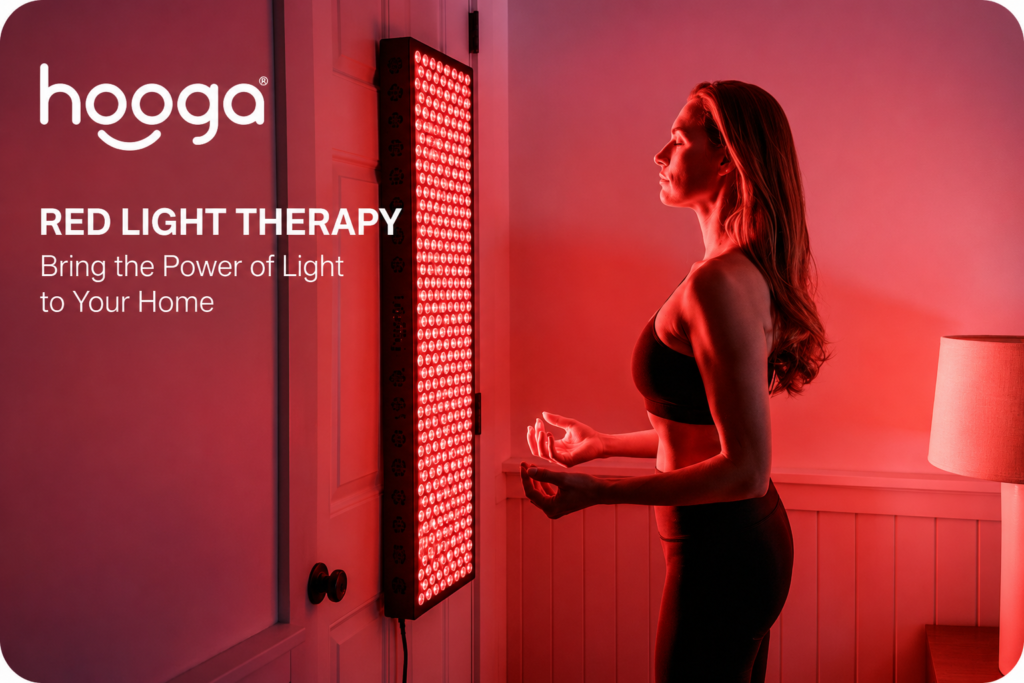
The primary engineering achievement separating Hooga Health from low-cost, consumer-grade alternatives lies in its systematic hardware stratification across three distinct Red Light Panel modalities
A. HG Series (Standard Introductory Panel Arrays)
- Core Architecture: Utilizes a Single-Chip LED matrix (each discrete diode houses an isolated, single-wavelength chip).
- Optical Profile: Delivers a balanced, equal distribution of 660 nm Red and 850 nm Near-Infrared emissions.
- Target Application: Serves as a cost-effective entryway to deliver necessary irradiance thresholds to superficial target sites (e.g., epidermal cells) and superficial muscle groups post-exercise.
B. Pro Series (Professional-Grade Frequency Stabilized Arrays)
- Core Architecture: Features Dual-Chip LED integration (each diode simultaneously hosts two distinct wavelength emitter chips, multiplying total photon density per square inch).
- Advanced Biomedical Specifications: Incorporates specialized Flicker-Free LED drivers. This completely eliminates low-frequency current oscillations (flicker). Eliminating flicker is highly significant because persistent light pulsing can induce optic nerve strain, autonomic nervous system stress, and degrade the continuous photon absorption rate of the Cytochrome c Oxidase complex.
- System Expandability: Engineered with integrated mount configurations (Stand Compatible) to easily adapt home environments or boutique medical wellness centers into static clinical treatment spaces.
C. Ultra Series (Advanced Multi-Wavelength & Frequency Modulated Systems)
Representing the apex of Hooga’s engineering lineup, the Ultra Series precisely replicates the multi-spectral, variable dosing configurations documented in advanced PubMed literature:
- Quad-Chip LED Technology: Each discrete diode houses a cluster of 4 wavelength chips. This system broadens the therapeutic spectrum to encompass 4 highly specialized bands: 630 nm and 660 nm (targeting stratified superficial dermis and mid-dermis tissue layers) coupled with 810 nm and 850 nm (NIR bands optimized for maximum depth penetration through cortical bone, synovial fluid, and deep muscle structures).
- Pulse Capabilities: Features programmatic frequency pulsing options. In modern photobiology, pulsed wave (PW) delivery is documented to facilitate deeper relative tissue penetration while minimizing cellular accommodation (biochemical saturation or latency) that can occur during prolonged continuous wave (CW) exposure.
- Advanced Operational Controls: Incorporates customizable intensity management (Adjustable Brightness) paired with absolute flicker elimination, enabling clinicians and users to tune the exact Fluence (J/cm2) required for precise dermatological or deep tissue orthopedic protocols.
8. Summary and Future Research Directions
Red Light Therapy (RLT) and the broader discipline of Photobiomodulation have firmly established themselves within modern medicine as therapies rooted in sound biophysical science. A rigorous understanding of mitochondrial respiration, Nitric Oxide photodissociation, and low-level ROS retrograde signaling provides a coherent framework for its cellular effects.
Moving forward, the primary goal for the PBM scientific community centers on biological standardization. Because the response of living tissue to incoming light is non-linear and modified by numerous individual variables (dermal thickness, localized melanin concentrations, and target tissue depth), mapping out highly personalized, adaptive dosing protocols remains the next frontier. Over the coming years, large-scale, multi-center, double-blind RCTs will continue to refine these energy parameters, expanding the validated applications of PBM into advanced fields like regenerative medicine and neuropsychiatry.
Technical Specification Review: To analyze detailed hardware configurations and compare specific panel variations engineered to meet precise biomedical dosing windows, you can evaluate the equipment arrays directly via their authorized distribution channel: